
Noticed a puzzling dark red spot on your gums? It’s a common concern that can instantly raise questions about your oral health. While some spots might be benign and temporary, others could signal an underlying issue that requires attention. Understanding the potential causes of a red spot on gums is the first step towards ensuring your smile stays healthy and strong.
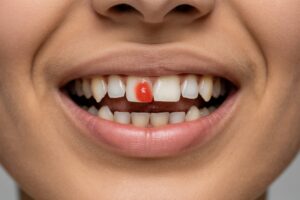
Your gums play a crucial role in protecting your teeth and overall oral well-being. Any change in their appearance, especially the development of a dark red spot, can be alarming. This comprehensive guide will delve into the various reasons you might develop such a spot, from minor irritations to more serious conditions. We’ll explore when a dark red spot on gums warrants a visit to the dentist, discuss diagnostic methods, and provide practical advice for prevention and care. By the end of this article, you’ll be better equipped to understand what that spot might mean and how to respond effectively.
Understanding Dark Red Spots on Gums
The appearance of a dark red spot on your gums can be a source of anxiety. It’s important to remember that the color, size, location, and accompanying symptoms can all offer clues about its origin. Gums are generally a coral pink color, and any significant deviation, especially a darker, reddish hue, warrants observation.
What Exactly is a Dark Red Spot?
A dark red spot on gums can manifest in various ways. It might appear as a small, isolated dot, a larger patch, or even a blister-like lesion. The texture can vary too – some might be flat, others raised, and some might feel tender or sore. The term “dark red” itself can encompass shades from a deep crimson to a purplish-red, often indicating blood accumulation or significant inflammation beneath the gum surface.
Common Causes of Dark Red Spots on Gums
Several factors can contribute to the development of a dark red spot on your gums. Identifying the potential cause is crucial, though definitive diagnosis always requires a dental professional.
- Gingivitis or Periodontitis: These are inflammatory gum diseases. Gingivitis (early stage) causes gums to become red, swollen, and bleed easily, sometimes leading to localized dark red areas. If left untreated, it can progress to periodontitis, a more severe infection that damages the bone supporting your teeth.
- Trauma or Injury: Accidental injury is a very common cause. This could be from vigorous brushing, using a hard-bristled toothbrush, eating sharp or hard foods (like chips or crusty bread), or even minor burns from hot food or liquids. These injuries can cause localized bleeding or bruising, appearing as a dark red spot.
- Canker Sores (Aphthous Ulcers): These are common, non-contagious oral lesions. They often start as small red bumps that then develop into white or yellow centers with a red border. While typically white, the surrounding inflamed tissue can appear as a dark red spot. They can be quite painful.
- Oral Infections:
- Herpes Simplex Virus (Cold Sores): While often appearing on lips, cold sores can also affect gums, presenting as small, painful blisters that can burst and leave red, raw areas.
- Fungal Infections (Thrush): Although typically white, severe cases or areas of inflammation around thrush can sometimes appear red or dark red.
- Pyogenic Granuloma: This is a benign, usually painless, reddish lump that bleeds easily. It’s a common reactive lesion to minor trauma or irritation and is often seen in pregnant women due to hormonal changes, sometimes called a “pregnancy tumor.”
- Oral Pigmentation: While often dark brown or black, certain conditions or genetic factors can lead to localized areas of increased melanin, which might sometimes appear as a very dark red or purplish hue, though this is less common for “dark red.”
- Smoking and Tobacco Use: Tobacco products are detrimental to gum health. They can cause irritation, inflammation, and contribute to various gum diseases and lesions, sometimes leading to discolored or dark red spots on gums.
- Systemic Conditions: In rare cases, a dark red spot on gums could be a sign of an underlying systemic health issue, such as certain blood disorders (e.g., thrombocytopenia leading to petechiae or purpura) or vitamin deficiencies (e.g., severe vitamin C deficiency).
- Oral Cancer: Although less common, persistent, non-healing oral lesions, including those that appear red, dark red, or mixed red and white, can be a sign of oral cancer. This is why any persistent spot needs professional evaluation.
When Should You Be Concerned? Warning Signs to Watch For
It’s crucial to know when a dark red spot on your gums warrants immediate dental attention. While many causes are minor, some require prompt diagnosis and treatment. Seek professional advice if you observe any of the following:
- Persistence: The spot does not heal or disappear within 1-2 weeks.
- Pain or Tenderness: The spot is consistently painful, sensitive to touch, or interferes with eating or speaking.
- Bleeding Easily: The spot bleeds spontaneously or with very light touch.
- Changes in Size or Shape: The spot appears to be growing, spreading, or changing its characteristics.
- Accompanying Symptoms: You experience fever, swollen lymph nodes in the neck, unexplained weight loss, or general malaise.
- Difficulty Eating or Speaking: The spot causes significant discomfort or obstruction.
- Unexplained Discomfort: Any new, unusual, or persistent sensation in your mouth that you can’t attribute to a minor injury.
Diagnosing and Treating Dark Red Spots on Gums
If you’re concerned about a dark red spot on your gums, the most important step is to schedule an appointment with your dentist. They are equipped to properly diagnose the cause and recommend the appropriate course of action.
The Dental Examination Process
During your appointment, your dentist will typically perform a thorough examination:
- Medical and Dental History: They will ask about your overall health, medications, smoking habits, and when you first noticed the spot.
- Visual Inspection: Your dentist will closely examine the dark red spot, noting its size, shape, color, texture, and location. They will also check the surrounding gum tissue and other areas of your mouth.
- Palpation: Gently touching the spot to check for tenderness, firmness, or the presence of any underlying lumps.
- Imaging: If a bone issue or deep infection is suspected, X-rays might be taken.
- Biopsy: If the spot looks suspicious for a more serious condition like oral cancer, or if its cause is unclear, your dentist may perform a biopsy. This involves taking a small tissue sample for laboratory analysis.
Treatment Approaches Based on Diagnosis
Treatment for a dark red spot on gums will vary significantly depending on the underlying cause:
- Improved Oral Hygiene: For gingivitis or minor irritation, professional cleaning (scaling) followed by advice on proper brushing and flossing techniques is usually sufficient.
- Antibiotics or Antifungals: If an infection (bacterial or fungal) is identified, prescription medications will be administered.
- Scaling and Root Planing: For more advanced gum disease (periodontitis), a deep cleaning procedure to remove plaque and tartar below the gum line may be necessary.
- Surgical Removal: Benign growths like pyogenic granulomas or other lesions might require surgical excision.
- Medicated Rinses or Gels: For canker sores or specific irritations, your dentist might prescribe a medicated mouthwash or topical gel to reduce pain and promote healing.
- Referral to a Specialist: If the spot is indicative of a systemic disease or potentially oral cancer, your dentist will refer you to an oral surgeon, periodontist, or oncologist for further evaluation and specialized treatment.
Preventing Gum Spots and Maintaining Optimal Oral Health
While not all gum spots are preventable, maintaining excellent oral hygiene and a healthy lifestyle can significantly reduce your risk of developing many common issues, including some types of dark red spots on gums.
Daily Oral Hygiene Practices
Consistency is key when it comes to oral health:
- Brush Gently and Effectively: Use a soft-bristled toothbrush and brush twice a day for at least two minutes. Angle the brush at 45 degrees towards the gum line and use gentle, circular motions. Avoid aggressive scrubbing, which can injure your gums.
- Floss Daily: Flossing removes plaque and food particles from between your teeth and under the gum line, areas your toothbrush can’t reach. This is critical for preventing gum inflammation and disease.
- Use an Antiseptic Mouthwash: An alcohol-free mouthwash can help reduce bacteria and inflammation, contributing to healthier gums.
- Clean Your Tongue: Using a tongue scraper or your toothbrush to clean your tongue can remove bacteria that contribute to bad breath and overall oral bacterial load.
Lifestyle Factors for Healthy Gums
Your overall health significantly impacts your oral health:
- Balanced Diet: Eat a diet rich in fruits, vegetables, and lean proteins. Limit sugary snacks and drinks, which feed harmful oral bacteria.
- Quit Smoking: If you smoke or use other tobacco products, quitting is one of the best things you can do for your gum health and overall well-being.
- Regular Dental Check-ups: Visit your dentist at least twice a year for professional cleanings and examinations. Early detection of problems is crucial.
- Manage Stress: Chronic stress can weaken your immune system, making you more susceptible to infections and gum problems.
Home Care Tips for Minor Irritations
For minor irritations or canker sores, these tips might offer temporary relief, but remember, they are not a substitute for professional dental advice if the spot persists or worsens:
- Saltwater Rinses: Rinsing with a warm saltwater solution (1/2 teaspoon salt in 8 ounces of warm water) several times a day can help soothe inflamed gums and promote healing.
- Avoid Irritants: Steer clear of very hot, spicy, acidic, or hard foods that could further irritate the spot.
- Over-the-Counter Pain Relief: For mild pain, over-the-counter pain relievers like ibuprofen or acetaminophen may help.
Recommended Products for Optimal Gum Health
Maintaining excellent oral hygiene is paramount in preventing many gum issues and supporting overall gum health. While these products don’t treat a specific dark red spot on gums (which requires professional diagnosis), they are excellent tools for daily preventative care and can help keep your gums healthy and resilient.
Soft-Bristled Electric Toothbrush
An electric toothbrush with soft bristles can provide a thorough yet gentle clean, effectively removing plaque without causing undue trauma to your gums.
Alcohol-Free Antiseptic Mouthwash
Helps reduce bacteria that cause plaque and gingivitis without the drying or irritating effects of alcohol, promoting a healthier oral environment.
Water Flosser
An excellent alternative or supplement to traditional flossing, a water flosser can effectively clean between teeth and below the gum line, especially beneficial for sensitive gums or braces.
Gentle Fluoride Toothpaste for Sensitive Gums
Formulated to protect against cavities while being gentle on sensitive gums, many options also contain ingredients to soothe and strengthen gum tissue.
Frequently Asked Questions About Dark Red Spots on Gums
Q1: Is a dark red spot on gums always serious?
No, a dark red spot on gums is not always serious. Many times, it can be due to minor trauma, a canker sore, or early signs of gingivitis, which are treatable. However, because some spots can indicate more serious conditions like infections or, in rare cases, oral cancer, any persistent or concerning spot should always be evaluated by a dental professional.
Q2: Can stress cause dark red spots on gums?
While stress doesn’t directly cause a dark red spot on gums, it can weaken your immune system, making you more susceptible to oral infections, cold sores, or gum inflammation that could lead to such spots. Stress can also contribute to habits like teeth grinding or clenching, which might cause gum trauma. Therefore, stress is an indirect contributing factor to various oral health issues.
Q3: What home remedies help a sore dark red spot on gums?
For minor irritation or canker sores, rinsing with warm saltwater (1/2 tsp salt in 8 oz water) several times a day can help soothe the area and promote healing. Avoiding irritating foods (spicy, acidic, very hot) and using over-the-counter topical pain relief gels can also provide comfort. However, these are temporary measures; if the spot persists beyond 1-2 weeks or worsens, consult your dentist.
Q4: How long should I wait before seeing a dentist for a dark red spot?
If a dark red spot on gums is accompanied by pain, bleeding, changes in size, or lasts longer than 1-2 weeks, you should schedule a dental appointment promptly. If you have any significant concerns or other symptoms like fever or difficulty eating, seek professional advice even sooner.
Q5: Can diet affect gum spots?
Yes, diet plays a significant role in gum health. A diet high in sugar and refined carbohydrates can promote the growth of harmful bacteria, leading to plaque buildup, gum inflammation, and potentially red spots or other lesions. Conversely, a balanced diet rich in vitamins (especially Vitamin C and K) and minerals supports strong immune function and healthy gum tissue, making them more resilient to issues.
Conclusion
Discovering a dark red spot on your gums can certainly be unsettling, but as we’ve explored, the causes range widely from relatively harmless irritations to conditions that require prompt medical attention. Whether it’s a minor bruise, a sign of gingivitis, or something more complex, understanding the potential origins is the first step toward addressing the concern.
The most important takeaway is this: do not ignore persistent changes in your oral cavity. While home care can provide temporary relief for minor issues, a definitive diagnosis and effective treatment for a dark red spot on gums can only come from a qualified dental professional. Prioritize your oral health by maintaining excellent daily hygiene, adopting a healthy lifestyle, and scheduling regular dental check-ups. If you notice any suspicious or persistent spots, don’t hesitate—reach out to your dentist. Early detection and intervention are always the best strategies for a healthy, confident smile.
“`