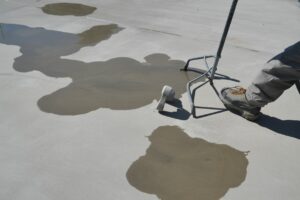
You’ve just invested in a brand-new concrete driveway, patio, or walkway, and the excitement is palpable. But then, to your dismay, you notice them: unsightly dark spots on new concrete. A common question immediately springs to mind: will dark spots on new concrete go away on their own? This can be incredibly frustrating, transforming your vision of pristine, uniform concrete into a canvas of blotches and blemishes.
This comprehensive guide will delve deep into the world of concrete discoloration, explaining why these dark spots appear on fresh pours, which types are likely to fade with time, and, more importantly, how to effectively tackle those stubborn stains that won’t disappear naturally. Whether you’re dealing with uneven drying, oil spills, or organic matter, we’ll equip you with the knowledge and practical advice needed to restore your new concrete’s flawless appearance. Let’s uncover the secrets to a spotless finish!
Understanding Why Dark Spots Appear on New Concrete
Before you can address dark spots on new concrete, it’s crucial to understand their origin. New concrete is a dynamic material, and various factors can contribute to discoloration shortly after it’s poured. Identifying the cause is the first step toward finding the right solution.
Common Causes of Dark Spots:
- Uneven Drying or Moisture Content: This is arguably the most common and often temporary cause. When different areas of the concrete dry at varying rates, moisture gets trapped, creating darker patches. This can be due to inconsistent sub-base preparation, varying sun exposure, or differences in concrete mix density.
- Efflorescence: While often white and powdery, efflorescence can sometimes appear as darker, damp-looking areas, especially when the salts are still migrating to the surface and are mixed with dirt or other contaminants. It occurs when soluble salts within the concrete or sub-base are carried to the surface by water, which then evaporates, leaving the salts behind.
- Organic Matter Stains: Leaves, berries, wood chips, grass clippings, or even bird droppings left on new concrete can leach tannins and other pigments, creating noticeable dark stains, especially if they get wet.
- Oil, Grease, and Fuel Spills: During construction, spills from machinery, vehicles, or tools are common. These petroleum-based substances penetrate the porous concrete quickly, leading to dark, persistent stains.
- Rust Stains: If rebar is too close to the surface, or if metal tools, nails, or other ferrous materials are left on the concrete and get wet, they can leave behind reddish-brown to dark orange rust spots.
- Chemical Reactions: Certain admixtures in the concrete mix, or contact with external chemicals like fertilizers, herbicides, or even some cleaning agents, can react with the cement to cause discoloration.
- Mold and Mildew: In damp, shaded areas, especially if the concrete stays wet for extended periods, mold and mildew can develop, appearing as black or dark green spots.
- Uneven Sealer Application: If a sealer is applied unevenly, too thickly, or in incorrect conditions, it can create darker, glossier patches where the sealer has pooled or cured improperly.
Will Dark Spots On New Concrete Go Away Naturally? Patience vs. Action
This is the million-dollar question for many new concrete owners. The answer, unfortunately, is “it depends.” Some dark spots on new concrete are indeed temporary, while others require intervention.
When to Be Patient:
- Uneven Drying: If the dark spots are inconsistent in shape and appear within the first few weeks or months, especially after rain or heavy dew, they are most likely due to uneven moisture content. These spots often will dark spots on new concrete go away as the concrete fully cures and equalizes its moisture content, which can take several months.
- Light Efflorescence: Mild efflorescence might dissipate over time with natural weathering (rain and sun) as the salts are washed away.
For these types of spots, it’s often best to wait and observe for 2-3 months. Rushing to clean or treat these areas prematurely might cause new problems or delay the natural equalization process.
When to Take Action Immediately:
- Oil, Grease, and Fuel Spills: These stains penetrate quickly and become much harder to remove if left to set. Act immediately to absorb and clean.
- Organic Stains: While some light organic matter might wash away, deep berry or leaf stains can become permanent if not addressed.
- Rust Stains: Rust will continue to spread and deepen if not treated.
- Mold and Mildew: These will only worsen and spread in damp conditions.
If the dark spots on your new concrete are caused by anything other than simple uneven drying, proactive cleaning is usually the best approach to ensure they don’t become permanent fixtures.
Effective Methods for Removing Dark Spots from New Concrete
Once you’ve identified the likely cause, you can choose the most appropriate removal method. Always test any cleaning solution on an inconspicuous area first to ensure it doesn’t cause further discoloration or damage.
1. General Cleaning for Light Stains & Uneven Drying:
- Water and Stiff Brush: For very light surface dirt or to help with uneven drying, simply scrubbing with warm water and a stiff nylon brush can sometimes be enough.
- Mild Soap Solution: A mixture of warm water and a few drops of mild dish soap (like Dawn) can be effective for surface grime or light organic stains. Scrub, rinse thoroughly, and allow to dry.
- Pressure Washing (Use with Caution): A pressure washer can be effective, but use it on a low-pressure setting (under 1500 PSI) and with a wide-angle nozzle (25-40 degrees). High pressure can damage the surface of new, softer concrete, etching it or exposing aggregate.
2. Specific Stain Removal Techniques:
- For Oil, Grease, and Fuel Stains:
- Absorb Excess: For fresh spills, blot with paper towels, cat litter, or sawdust.
- Degreaser: Apply a commercial concrete degreaser. Follow product instructions carefully. Many require scrubbing and rinsing.
- Poultice Method: For deep, set-in stains, a poultice works wonders. Mix an absorbent material (like diatomaceous earth, cat litter, or talcum powder) with a strong solvent (acetone, mineral spirits, or a commercial degreaser) to form a paste. Apply a thick layer over the stain, cover with plastic, and let it dry completely (12-24 hours). The poultice will draw the stain out as it dries. Scrape off and rinse.
- For Rust Stains:
- Oxalic Acid: Products containing oxalic acid are highly effective for rust. Apply according to manufacturer instructions, typically by mixing with water, applying, letting it sit, and then scrubbing and rinsing.
- Citric Acid or Vinegar: For lighter rust, a paste of lemon juice and salt, or undiluted white vinegar, can be applied, left for a few hours, then scrubbed and rinsed.
- For Organic Stains (Leaves, Berries, Mold/Mildew):
- Bleach Solution: A mixture of 1 part household bleach to 3 parts water is effective for mold, mildew, and many organic stains. Apply, let sit for 10-15 minutes, scrub, and rinse thoroughly. Be careful not to let it contact surrounding plants.
- Hydrogen Peroxide: For a less harsh alternative, a 3% hydrogen peroxide solution can be used similarly to bleach.
- For Efflorescence:
- Dry Brush: For powdery efflorescence, simply brushing it off with a stiff brush can work.
- Diluted Acid Wash: For persistent efflorescence, a very diluted solution of muriatic acid (1 part acid to 10-20 parts water) can be used, but this is highly corrosive and should only be handled by experienced individuals with proper safety gear. Citric acid or white vinegar are safer, gentler alternatives. Always rinse thoroughly.
3. Preventing Future Dark Spots on New Concrete
Prevention is always better than cure, especially for new concrete. Here’s how to minimize the chances of future dark spots on new concrete:
- Proper Curing: Ensure your concrete is cured properly according to industry standards. This helps achieve uniform strength and appearance, reducing uneven drying issues.
- Immediate Spill Cleanup: Address any spills (oil, chemicals, organic matter) immediately. Don’t let them sit and penetrate.
- Regular Cleaning: Periodically sweep and rinse your concrete to remove dirt, leaves, and other debris that could stain.
- Apply a High-Quality Sealer: Once your concrete is fully cured (typically 28 days to several months, depending on the sealer type and climate), apply a breathable, penetrating sealer. This will make the concrete less porous, significantly reducing its susceptibility to stains and moisture absorption.
- Control Drainage: Ensure proper drainage away from your concrete surfaces to prevent standing water, which can contribute to mold, mildew, and efflorescence.
Recommended Products
To help you tackle those stubborn dark spots on new concrete, here are a few types of products that are highly effective. Always read and follow the manufacturer’s instructions for safe and effective use.
Heavy-Duty Concrete Degreaser
Essential for tackling oil, grease, and fuel stains. Look for environmentally friendly, non-toxic options if possible.
Concrete Rust Remover (Oxalic Acid Based)
Specifically formulated to dissolve rust stains without damaging the concrete surface. Always wear appropriate PPE.
Concrete Mold & Mildew Cleaner
Effective for organic growth, often using bleach or hydrogen peroxide as active ingredients. Helps restore natural color.
Stiff Bristle Scrub Brush
An indispensable tool for scrubbing in cleaners and agitating stains to help lift them from the concrete’s pores.
FAQ: Your Questions About Dark Spots on New Concrete Answered
Q1: How long do dark spots from uneven drying typically last on new concrete?
Dark spots on new concrete caused by uneven drying can persist for several weeks to several months. Concrete continues to cure and release moisture for an extended period after pouring. The spots will gradually lighten and disappear as the moisture content equalizes across the slab, often accelerated by natural weathering like sun exposure and air circulation.
Q2: Is it safe to pressure wash new concrete with dark spots?
You can pressure wash new concrete, but extreme caution is advised. Use a low-pressure setting (under 1500 PSI) and a wide-angle nozzle (25-40 degrees). High pressure can damage the surface of newly cured concrete, leading to etching, aggregate exposure, or even creating new discoloration. It’s often safer to wait a few months until the concrete has fully hardened before using higher pressure.
Q3: Can oil stains be completely removed from new concrete?
Oil stains on new concrete can be challenging but are often removable, especially if addressed quickly. Fresh spills are easier to tackle with absorbents and degreasers. For older, deeper stains, the poultice method (mixing an absorbent with a solvent) is often the most effective way to draw the oil out of the concrete’s pores. Complete removal depends on the stain’s age, depth, and the concrete’s porosity.
Q4: What causes black spots specifically on new concrete?
Black spots on new concrete can be attributed to several factors. Common culprits include mold and mildew growth in damp, shaded areas, organic stains from decaying leaves or berries, or deeply embedded oil/grease stains that have darkened over time. Sometimes, a reaction with certain metals or chemicals can also produce black discoloration.
Q5: Should I seal new concrete if it has dark spots?
It’s generally recommended to wait until any dark spots on new concrete have been resolved and the concrete is clean and dry before applying a sealer. Sealing over stains can trap them beneath the surface, making them much harder, if not impossible, to remove later. Ensure the concrete is fully cured (typically 28 days to several months) and thoroughly clean before sealing for best results.
Q6: When should I call a professional for concrete stains?
You should consider calling a professional for concrete stains if the spots are extensive, very deep-seated, or if DIY methods haven’t yielded satisfactory results. Professionals have access to stronger chemicals, specialized equipment, and expertise in identifying complex stain types and applying advanced removal techniques (like grinding or resurfacing) that may be beyond a homeowner’s capability.
Conclusion: Restoring the Beauty of Your New Concrete
Discovering dark spots on new concrete can certainly be disheartening, but as we’ve explored, many of these issues are treatable or even temporary. The key lies in understanding the cause of the discoloration and acting appropriately. While some spots, particularly those from uneven drying, will dark spots on new concrete go away with a little time and natural weathering, others like oil, rust, or deep organic stains demand immediate and targeted intervention.
By identifying the type of stain, utilizing the correct cleaning products and techniques, and implementing preventative measures like proper curing and sealing, you can effectively restore the pristine appearance of your new concrete. Remember to always test cleaning solutions in an inconspicuous area first and, when in doubt, don’t hesitate to consult with a concrete professional. With patience and the right approach, your new concrete will maintain its beautiful, uniform finish for years to come.