Wood floors bring warmth, elegance, and character to any home. Their natural beauty is often a key selling point, but over time, even the most meticulously maintained wood can fall victim to unsightly blemishes. Among the most common and frustrating issues homeowners face are dark spots on wood floor surfaces. These stubborn marks can detract significantly from your floor’s appearance, making your space look unkempt and aged.
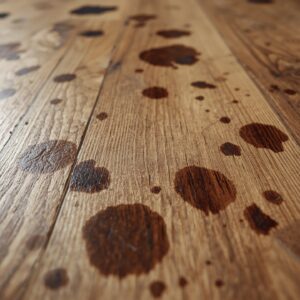
Whether it’s a mysterious black mark, a deep brown stain, or a shadowy patch, understanding the cause behind these dark spots is the first step toward effective treatment. From pet accidents and water spills to mold growth and chemical reactions, various culprits can be responsible for marring your beautiful hardwood. This comprehensive guide will walk you through identifying different types of dark spots, provide practical, step-by-step removal methods, and offer essential tips for prevention. Get ready to restore your wood floor to its former glory and keep it looking pristine for years to come!
Understanding Dark Spots On Wood Floor: Causes and Identification
Before you can effectively treat dark spots on wood floor surfaces, it’s crucial to understand what caused them. Different types of stains require different approaches, and misidentifying the cause can lead to ineffective or even damaging treatment. Here’s a breakdown of common culprits:
1. Water Damage (Black Water Stains)
One of the most common causes of dark spots on wood floor is prolonged exposure to moisture. When water penetrates the wood fibers and sits for an extended period, it reacts with the tannins in the wood, causing a chemical change that results in a dark, often black or dark gray, discoloration. This can happen from leaky appliances, potted plants, overflowing toilets, or even just leaving a wet towel on the floor.
- Appearance: Typically black or very dark gray, often with a defined perimeter if it’s from a single spill.
- Location: Often near kitchens, bathrooms, entryways, or under plant pots.
2. Pet Urine Stains
Pet accidents are another frequent source of stubborn dark spots on wood floor. Urine, especially from dogs or cats, is highly acidic and can deeply penetrate wood. Over time, the ammonia in the urine reacts with the wood, causing a deep, dark brown or black stain that is notoriously difficult to remove. The odor often accompanies these stains, making them easily identifiable.
- Appearance: Dark brown to black, often with an irregular shape.
- Odor: A strong, persistent ammonia or urine smell is a key indicator.
- Location: Common in areas where pets frequently reside or have accidents.
3. Mold and Mildew
In damp, humid environments, mold and mildew can flourish on and within wood. These fungi appear as dark, often fuzzy or splotchy, growths. They are a sign of moisture issues and can be a health hazard in addition to damaging your floor’s aesthetics. Mold can grow on the surface or penetrate the wood if the conditions are right.
- Appearance: Black, green, or grayish fuzzy patches; can be splotchy.
- Odor: Often a musty smell.
- Location: Areas with high humidity, poor ventilation, or hidden moisture sources.
4. Chemical Stains
Spills from certain household chemicals, cleaning products, or even certain foods can cause permanent discoloration. Acids, alkalis, and strong dyes can strip the finish, bleach the wood, or cause it to darken significantly. Always clean chemical spills immediately and use appropriate cleaning products for your floor type.
- Appearance: Varies widely depending on the chemical; could be dark, bleached, or discolored.
- Location: Wherever a chemical spill occurred.
5. Oil and Grease Stains
While often appearing as lighter, oily marks initially, old oil and grease stains can attract dirt and dust, eventually turning into stubborn dark spots on wood floor. These stains can be particularly challenging as the oil penetrates deep into the wood fibers.
- Appearance: Dark, often greasy-looking smudges; can be slightly raised.
- Location: Common in kitchens or dining areas.
Preparing Your Floor for Dark Spot Removal
Before attempting any stain removal, proper preparation is essential to ensure safety and effectiveness:
- Clean the Area Thoroughly: Use a pH-neutral wood floor cleaner to remove any surface dirt, dust, or grime. This ensures you’re working directly on the stain.
- Test in an Inconspicuous Spot: Always, without exception, test any cleaning solution or method on a hidden area of your floor (e.g., inside a closet, under a rug) to ensure it doesn’t damage or discolor the finish.
- Gather Your Tools: Have all necessary supplies on hand, including gloves, safety glasses, clean cloths, sponges, and the chosen cleaning agents.
- Ensure Good Ventilation: Open windows and doors, especially when working with strong chemicals, to maintain good airflow.
Effective Methods to Remove Dark Spots On Wood Floor
Once you’ve identified the type of stain, you can choose the most appropriate treatment. Remember to work carefully and test solutions first.
1. Removing Black Water Stains (Tannin Stains)
These are often surface-level discolorations caused by the wood’s reaction to water. They are typically the easiest dark spots to tackle if caught early.
- Oxalic Acid (Wood Bleach): This is often the most effective solution for stubborn black water stains. Mix oxalic acid crystals with warm water to create a paste or solution. Apply it to the dark spot, let it sit for a few minutes (check product instructions), then neutralize with baking soda and water, and rinse thoroughly. Caution: Wear gloves and eye protection. Oxalic acid can lighten the wood, so you may need to refinish the area to match.
- Hydrogen Peroxide: For lighter black spots, a 3% hydrogen peroxide solution can be applied directly to the stain. Cover it with a peroxide-soaked cloth and let it sit for several hours or overnight. Check periodically. This can also lighten the wood.
- Steel Wool and Mineral Spirits: For very minor surface darkening, gently rubbing with fine steel wool (0000 grade) moistened with mineral spirits can sometimes lift the stain without damaging the finish too much.
2. Eliminating Pet Urine Dark Spots
Pet urine stains are among the toughest dark spots on wood floor to remove because they often penetrate deep into the wood.
- Enzymatic Cleaners: For fresh or superficial urine stains, an enzymatic cleaner designed for pet stains can break down the urine’s organic compounds. Follow product instructions carefully.
- Hydrogen Peroxide (Stronger Solution): For deeper, older pet stains, a 10-20 volume (3-6%) hydrogen peroxide solution can be applied. Soak a cloth in peroxide, place it over the stain, cover with plastic wrap, and tape it down. Let it sit for several hours or overnight. This is a bleaching agent and will lighten the wood. You may need to repeat the process.
- Baking Soda Paste: Mix baking soda with a small amount of water to form a thick paste. Apply it to the stain, let it dry completely (several hours), then scrape it off. This can help absorb odors and some surface discoloration.
- Sanding and Refinishing: For very deep, set-in pet urine stains, the most reliable solution is often to sand down the affected area to bare wood, treat with wood bleach if needed, and then refinish to match the surrounding floor. This is a more involved process and may require professional help.
3. Treating Mold and Mildew Spots
Addressing mold and mildew requires not just cleaning the spots but also resolving the underlying moisture issue.
- Vinegar Solution: Mix equal parts white vinegar and water. Spray it onto the moldy area, let it sit for 10-15 minutes, then wipe clean with a damp cloth. Vinegar is a natural antifungal.
- Diluted Bleach Solution: For more stubborn mold on non-porous wood, a solution of 1 part bleach to 10 parts water can be used. Apply sparingly with a cloth, let it sit for a few minutes, then rinse thoroughly and dry immediately. Caution: Bleach can discolor wood; test first.
- Sanding: If mold has penetrated the wood, sanding may be necessary to remove the affected layers. Ensure the area is completely dry before sanding.
- Professional Help: For extensive mold growth, especially if it’s recurrent or covers a large area, it’s best to consult a professional mold remediation specialist.
4. Addressing Chemical and Oil Dark Spots
- Mineral Spirits/Paint Thinner: For oil or grease stains, apply a small amount of mineral spirits or paint thinner to a clean cloth and gently rub the stain. This can dissolve the oily residue. Follow with a clean, damp cloth and dry immediately.
- Specific Stain Removers: For other chemical stains, try a product specifically designed for that type of stain on wood, always testing first.
- Poultices: For deep oil stains, a poultice (e.g., baking soda mixed with mineral spirits to form a paste) can draw the oil out of the wood. Cover and let it sit for hours, then scrape off.
Prevention is Key: Avoiding Dark Spots On Wood Floor
The best way to deal with dark spots on wood floor is to prevent them from occurring in the first place. Adopting good habits can save you a lot of time and effort in the long run:
- Immediate Spill Cleanup: Wipe up spills, especially water and pet accidents, as soon as they happen. Don’t let moisture sit on the floor.
- Use Mats and Rugs: Place rugs or mats in high-traffic areas, entryways, and areas prone to spills (kitchens, bathrooms, under pet bowls).
- Protect Under Plants: Use waterproof saucers under potted plants and ensure they don’t overflow.
- Pet Training: Train pets to go outside or use designated areas to prevent indoor accidents. Clean up any accidents thoroughly and immediately with an enzymatic cleaner.
- Maintain Humidity Levels: Use a humidifier or dehumidifier to keep indoor humidity between 35-55%, which is ideal for wood floors and helps prevent mold growth.
- Regular Cleaning: Sweep or vacuum regularly to remove abrasive dirt and grit. Mop with a damp (not wet) cloth using a pH-neutral wood floor cleaner.
- Check for Leaks: Periodically inspect appliances, pipes, and windows for leaks that could lead to hidden water damage.
Recommended Products
Oxalic Acid Wood Bleach
Highly effective for removing black water stains and tannin stains on wood floors. Essential for restoring discolored wood.
Enzymatic Pet Stain & Odor Remover
Breaks down organic pet urine stains and eliminates odors, crucial for treating those stubborn pet accident dark spots.
pH Neutral Wood Floor Cleaner
A gentle yet effective cleaner for daily maintenance and preparing your floor before spot treatment, safe for most wood finishes.
0000 Grade Steel Wool Pads
Useful for gently buffing out minor surface dark spots or applying certain solutions without harsh abrasion.
FAQ: Your Questions About Dark Spots On Wood Floor Answered
Q1: Can all dark spots be completely removed from wood floors?
A: Not always, but most can be significantly improved or removed. The success depends on the type of stain, how long it’s been there, and how deeply it has penetrated the wood. Surface stains (like fresh water rings) are often easier to remove than deep, old pet urine stains or extensive mold that has compromised the wood’s integrity. Sometimes, sanding and refinishing the area is the only way to achieve complete removal.
Q2: Is sanding always necessary for dark spots on wood floor?
A: No, sanding is not always necessary. For many superficial dark spots, chemical treatments like oxalic acid, hydrogen peroxide, or enzymatic cleaners can be very effective without resorting to sanding. Sanding is typically reserved for very deep, set-in stains that have penetrated beyond the surface finish into the wood fibers, or when the wood itself has been severely damaged.
Q3: How do I prevent dark spots from returning after I’ve cleaned them?
A: Prevention is crucial! The key is to address the source of the moisture or stain. This includes immediately wiping up spills, using mats in high-risk areas, maintaining proper indoor humidity, promptly cleaning pet accidents with enzymatic cleaners, and regularly inspecting for leaks. Applying a protective finish or sealant can also help make your floor more resistant to future staining.
Q4: Are commercial cleaners safe for all wood types and finishes?
A: No, not all commercial cleaners are safe for every wood type or finish. Always read product labels carefully to ensure they are suitable for your specific wood floor (e.g., hardwood, engineered wood, laminate) and its finish (e.g., polyurethane, wax, oil). Always test any new cleaner in an inconspicuous area first to check for discoloration or damage before applying it to the visible dark spot.
Q5: What’s the main difference between a water stain and a pet stain on a wood floor?
A: While both can appear as dark spots, water stains (especially black tannin stains) are usually a reaction between water and the wood’s natural tannins. Pet urine stains, on the other hand, are caused by the ammonia and other compounds in urine reacting with and deeply penetrating the wood fibers. Pet stains often come with a distinct, lingering odor, which is usually absent with water stains. Pet stains also tend to be deeper and more challenging to remove.
Q6: Can mold spots on wood floors be dangerous to my health?
A: Yes, mold spots on wood floors can indeed be dangerous to your health. Mold releases spores into the air, which can trigger allergies, asthma attacks, and other respiratory issues in sensitive individuals. Prolonged exposure can lead to more serious health problems. Beyond health, mold also indicates a significant moisture problem that can lead to structural damage to your subfloor and joists if not addressed promptly and thoroughly.
Conclusion
Dealing with dark spots on wood floor surfaces can be a frustrating challenge, but it’s far from an insurmountable one. By carefully identifying the cause of the stain, whether it’s water damage, pet urine, mold, or another culprit, you empower yourself to choose the most effective treatment method. Remember that patience, proper preparation, and testing solutions in an inconspicuous area are crucial steps to avoid further damage and achieve the best results.
From the targeted application of oxalic acid for black water stains to enzymatic cleaners for pet accidents, a range of solutions exists to restore your floor’s beauty. More importantly, adopting a proactive approach through immediate spill cleanup, strategic use of protective mats, and maintaining optimal indoor humidity will dramatically reduce the likelihood of these unsightly marks appearing in the first place. With the right knowledge and a little effort, you can keep your wood floors looking stunning, preserving the warmth and character they bring to your home for years to come.
“`