
Are you tired of looking in the mirror and seeing persistent dark spots, uneven skin tone, or those lingering reminders of past breakouts? You’re not alone. Many individuals struggle with hyperpigmentation, which can range from sun spots and age spots to post-acne marks. While a complete overhaul of your skincare routine might seem daunting, incorporating a targeted product like a dark spot exfoliating scrub can be a game-changer.
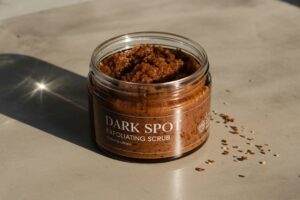
This comprehensive guide will dive deep into the world of exfoliating scrubs specifically designed to tackle dark spots. We’ll explore what causes these pesky discolorations, how exfoliation helps, and most importantly, how to choose and use the best dark spot exfoliating scrub for your skin type. Get ready to discover practical advice, key ingredients to look for, and tips to maximize your results for a clearer, more radiant complexion. Let’s embark on the journey to reveal your skin’s natural luminosity!
Understanding Dark Spots: What Causes Them?
Before we can effectively treat dark spots, it’s crucial to understand what they are and why they appear. Dark spots, medically known as hyperpigmentation, are areas of the skin where excess melanin (the pigment that gives skin its color) has been produced and deposited. This overproduction can be triggered by various factors.
Types of Hyperpigmentation
- Post-Inflammatory Hyperpigmentation (PIH): Often seen after skin inflammation or injury, such as acne breakouts, eczema, or even minor cuts. When your skin heals, it can leave behind a dark mark.
- Sun Spots (Lentigines) and Age Spots: These are the most common type, caused by prolonged exposure to ultraviolet (UV) radiation from the sun. They typically appear on sun-exposed areas like the face, hands, and décolletage.
- Melasma: Characterized by larger patches of darkened skin, often on the face. Melasma is frequently triggered by hormonal changes (e.g., pregnancy, birth control pills) combined with sun exposure.
- Freckles: While often considered charming, freckles are also a form of hyperpigmentation, becoming more prominent with sun exposure.
How Dark Spots Form
The core mechanism behind dark spots involves melanocytes, the cells responsible for producing melanin. When these cells are stimulated by triggers like UV radiation, inflammation, or hormonal shifts, they go into overdrive, producing more melanin than usual. This excess melanin then clusters together, leading to the visible dark patches we call dark spots. Over time, these pigmented cells can rise to the surface of the skin, making the spots more noticeable.
The Role of Exfoliation in Fading Dark Spots
Exfoliation is a fundamental step in any effective skincare routine, but it’s particularly vital when targeting dark spots and uneven skin tone. A dark spot exfoliating scrub works by removing the top layer of dead, pigmented skin cells, revealing the fresher, brighter skin underneath.
How Exfoliating Scrubs Work
Traditional exfoliating scrubs utilize small, abrasive particles (physical exfoliants) to physically buff away dead skin cells. This mechanical action helps to:
- Remove Pigmented Cells: The surface layer of your skin is where much of the accumulated melanin in dark spots resides. By gently scrubbing, you help shed these pigmented cells.
- Boost Cell Turnover: Exfoliation encourages your skin to produce new, healthy skin cells more rapidly. This increased cell turnover helps to replace old, discolored cells with fresh, unblemished ones.
- Improve Skin Texture: Beyond dark spots, regular (but not excessive) exfoliation smooths out rough patches, making your skin feel softer and look more refined.
Many modern dark spot exfoliating scrubs also incorporate chemical exfoliants like AHAs (Alpha Hydroxy Acids) or BHAs (Beta Hydroxy Acids), or brightening ingredients, to enhance their efficacy. This dual-action approach can deliver more comprehensive results.
Benefits Beyond Dark Spots
While fading dark spots is the primary goal, using a good dark spot exfoliating scrub offers several additional advantages:
- Brighter Complexion: By removing dull, dead skin, your skin instantly looks more radiant and luminous.
- Smoother Texture: Roughness caused by dead skin cells is eliminated, leading to a silkier feel.
- Enhanced Product Absorption: With fewer dead cells blocking the way, your serums and moisturizers can penetrate more effectively, maximizing their benefits.
- Reduced Clogged Pores: Regular exfoliation can help prevent the buildup of dead skin and oil, which contributes to blackheads and breakouts.
Pros and Cons of Using an Exfoliating Scrub
Like any skincare product, exfoliating scrubs have their advantages and potential drawbacks:
Pros:
- Immediate Gratification: Skin often feels smoother and looks brighter right after use.
- Accessibility: Widely available in various formulations and price points.
- Boosts Circulation: The massaging action can slightly increase blood flow to the skin, contributing to a healthy glow.
- Effective for Surface Discoloration: Excellent for addressing superficial dark spots and uneven texture.
Cons:
- Risk of Over-Exfoliation: Using too frequently or too aggressively can lead to irritation, redness, compromised skin barrier, and even worsen dark spots.
- Not for All Skin Types: Sensitive or highly reactive skin may find physical scrubs too harsh.
- Micro-Tears: Some traditional scrubs with irregular particles can cause tiny, invisible tears in the skin if used improperly. This is why gentle, spherical exfoliants are preferred.
- Limited Penetration: Primarily works on the skin’s surface; deeper dark spots might require additional treatments.
Choosing the Best Dark Spot Exfoliating Scrub
Selecting the right dark spot exfoliating scrub is crucial for achieving results without irritating your skin. It’s not a one-size-fits-all product.
Key Ingredients to Look For
Beyond the physical exfoliating particles, look for scrubs that contain ingredients known for their brightening and skin-renewing properties:
- AHAs (Alpha Hydroxy Acids) like Glycolic Acid or Lactic Acid: These gently dissolve the bonds between dead skin cells, enhancing the scrub’s exfoliating action and improving skin tone.
- BHAs (Beta Hydroxy Acids) like Salicylic Acid: Ideal for oily or acne-prone skin, salicylic acid exfoliates inside the pores, helping with post-inflammatory hyperpigmentation.
- Vitamin C (Ascorbic Acid): A powerful antioxidant that brightens the skin, inhibits melanin production, and protects against environmental damage.
- Niacinamide (Vitamin B3): Helps reduce inflammation, improve skin barrier function, and can interfere with melanin transfer to skin cells, thus reducing dark spots.
- Fruit Enzymes (Papain, Bromelain): Gentle chemical exfoliants derived from fruits like papaya and pineapple, suitable for more sensitive skin types.
- Gentle Physical Exfoliants: Look for ingredients like jojoba beads, finely milled rice powder, or bamboo powder, which are generally less abrasive than crushed nut shells.
Considerations for Your Skin Type
- Sensitive Skin: Opt for scrubs with very fine, spherical particles (like jojoba beads) or enzyme-based exfoliants. Avoid harsh chemicals or large, irregular grains. Look for “hypoallergenic” and “fragrance-free” labels.
- Oily/Acne-Prone Skin: Scrubs containing salicylic acid (BHA) can be highly beneficial as they help clear pores and reduce post-inflammatory hyperpigmentation.
- Dry Skin: Choose scrubs with hydrating ingredients like glycerin, hyaluronic acid, or natural oils. Avoid overly stripping formulations and always follow with a rich moisturizer.
- Combination Skin: You might benefit from a scrub that balances both chemical (AHA/BHA) and physical exfoliation, or use different scrubs on different areas of your face.
Physical vs. Chemical Exfoliation
While this post focuses on dark spot exfoliating scrubs (which are primarily physical), it’s worth noting the distinction. Physical exfoliation uses friction to remove dead cells, while chemical exfoliation uses acids or enzymes to dissolve them. Many effective “scrubs” for dark spots combine both methods for a more comprehensive approach. If you have very delicate skin, you might lean more towards enzyme or gentle chemical exfoliants, or very fine physical scrubs.
Always patch test a new product on a small, inconspicuous area of your skin before applying it to your entire face to check for any adverse reactions.
How to Effectively Use a Dark Spot Exfoliating Scrub
Proper application and frequency are key to getting the most out of your dark spot exfoliating scrub while avoiding irritation.
Step-by-Step Application Guide
- Cleanse: Start with a clean face. Wash your face with a gentle, non-exfoliating cleanser to remove makeup, dirt, and oil.
- Dampen Skin: Most scrubs work best on damp, but not dripping wet, skin. This helps the product spread easily and reduces friction.
- Apply Scrub: Squeeze a small amount (dime-sized) of the dark spot exfoliating scrub onto your fingertips.
- Gently Massage: Using light, circular motions, gently massage the scrub onto your face, focusing on areas with dark spots. Avoid the delicate eye area. Do not press hard or scrub aggressively. Let the product do the work.
- Rinse Thoroughly: Rinse your face completely with lukewarm water. Ensure all traces of the scrub are removed.
- Pat Dry: Gently pat your skin dry with a clean, soft towel.
- Follow Up: Immediately apply a hydrating toner, serum (especially one with brightening ingredients like Vitamin C), and a good moisturizer to replenish moisture and soothe your skin.
Frequency of Use
This is where many people go wrong. More is NOT better when it comes to exfoliation. For most skin types, using a dark spot exfoliating scrub:
- 1-2 times per week is sufficient.
- If you have very sensitive skin, start with once every two weeks and observe how your skin reacts.
- Never use an exfoliating scrub daily, as this can severely compromise your skin barrier, leading to redness, irritation, and potentially worsening dark spots.
Important Dos and Don’ts
- DO always follow up with a broad-spectrum sunscreen with at least SPF 30, especially after exfoliation. Freshly exfoliated skin is more susceptible to sun damage, which can undo your progress and even create new dark spots.
- DO NOT use an exfoliating scrub on broken skin, active acne breakouts, or irritated areas.
- DO listen to your skin. If you experience excessive redness, stinging, or discomfort, reduce frequency or stop using the product.
- DO NOT combine a physical scrub with other harsh exfoliants (like strong retinoids or chemical peels) on the same day without consulting a dermatologist.
- DO ensure your hands are clean before applying the scrub.
Maximizing Your Results: A Holistic Approach
While a dark spot exfoliating scrub is a powerful tool, achieving lasting results for a clear, even complexion requires a multi-faceted approach. Think of it as part of a larger strategy.
Sun Protection is Crucial
This cannot be stressed enough. Sun exposure is the number one cause of dark spots and can also darken existing ones. Without diligent sun protection, any progress made with your scrub will be quickly undone. Make it a non-negotiable habit to:
- Apply a broad-spectrum sunscreen with an SPF of 30 or higher every single morning, even on cloudy days or when indoors near windows.
- Reapply sunscreen every two hours, or more often if sweating or swimming.
- Wear wide-brimmed hats and seek shade during peak sun hours (10 AM to 4 PM).
Complementary Skincare Ingredients
Pairing your dark spot exfoliating scrub with other targeted treatments can significantly accelerate and enhance your results:
- Vitamin C Serums: Applied in the morning, Vitamin C offers antioxidant protection and powerful brightening effects.
- Retinoids (Retinol, Tretinoin): Used at night, retinoids boost cell turnover, improve skin texture, and fade dark spots by encouraging new cell growth. Start slowly to build tolerance.
- Niacinamide Serums: Can be used morning or night to reduce inflammation, strengthen the skin barrier, and further inhibit melanin transfer.
- Alpha Arbutin, Kojic Acid, Azelaic Acid: These are other effective ingredients known for their melanin-inhibiting properties, often found in targeted dark spot treatments.
Always introduce new active ingredients one at a time and slowly to avoid overwhelming your skin.
Consistency is Key
Fading dark spots is a marathon, not a sprint. It takes time and consistent effort. Don’t expect overnight miracles. Stick to your chosen routine, use your dark spot exfoliating scrub as recommended, and be patient. You’ll start to see gradual improvements, and with continued care, your skin will become noticeably brighter and more even-toned.
Recommended Products
To help you on your journey to clearer skin, here are a few highly-regarded exfoliating products that can help address dark spots and promote a brighter complexion. Remember to choose based on your skin type and concerns, and always patch test!
Acure Brightening Facial Scrub
This popular scrub uses French green clay and argan stem cells to gently exfoliate and brighten. It’s known for its effective yet gentle formulation, making it suitable for many skin types looking to improve radiance and reduce the appearance of dark spots.
Olay Regenerist Detoxifying Pore Scrub
A drugstore favorite, this scrub combines a gentle exfoliating action with salicylic acid to help clear pores and accelerate surface cell regeneration. It’s a great option for those with oily or combination skin looking to tackle dark spots and improve overall skin texture.
Dermalogica Daily Microfoliant
While not a traditional “scrub” in the grainy sense, this rice-based enzyme powder activates with water to release papain, salicylic acid, and rice enzymes. It’s an incredibly gentle yet effective daily exfoliant that helps to smooth, brighten, and even out skin tone, making it excellent for dark spots without harsh scrubbing.
FAQ Section
Q1: How often should I use a dark spot exfoliating scrub?
Generally, it’s recommended to use a dark spot exfoliating scrub 1-2 times per week. For very sensitive skin, start with once every two weeks. Over-exfoliation can strip your skin’s natural oils, compromise its barrier, and lead to irritation or even worsen hyperpigmentation. Always listen to your skin and adjust frequency as needed.
Q2: Can a dark spot exfoliating scrub make my dark spots worse?
If used incorrectly or too aggressively, yes, it can. Over-exfoliation can cause inflammation, which in turn can lead to new or darker post-inflammatory hyperpigmentation. Additionally, failing to use adequate sun protection after exfoliating can make your skin more vulnerable to UV damage, causing existing dark spots to darken and new ones to form. Always be gentle and follow up with SPF.
Q3: Is a dark spot exfoliating scrub suitable for sensitive skin?
It depends on the formulation. Many traditional scrubs can be too harsh for sensitive skin. However, there are gentle options available that use very fine, spherical exfoliating particles (like jojoba beads) or rely more on enzyme or mild chemical exfoliants (like fruit enzymes) combined with minimal physical exfoliation. Always look for “for sensitive skin” labels, read ingredient lists carefully, and perform a patch test.
Q4: How long does it take to see results from a dark spot exfoliating scrub?
Results vary depending on the depth and age of your dark spots, as well as your skin’s natural cell turnover rate. You might notice an immediate improvement in skin texture and brightness. For a visible reduction in dark spots, it typically takes 4-8 weeks of consistent use, often longer for more stubborn pigmentation. Patience and consistency are key.
Q5: Can I use a dark spot exfoliating scrub with other active ingredients like retinoids?
It’s generally advised to be cautious. Using a dark spot exfoliating scrub on the same day as strong retinoids (like tretinoin) or other potent chemical exfoliants (like high-percentage AHA/BHA serums) can lead to over-exfoliation and irritation. It’s best to alternate days (e.g., scrub on Monday, retinoid on Tuesday) or consult with a dermatologist for personalized advice on how to layer active ingredients safely.
Q6: What’s the difference between a dark spot exfoliating scrub and a chemical exfoliant?
A dark spot exfoliating scrub primarily uses physical abrasion (small particles) to remove dead skin cells from the surface. Many also contain chemical exfoliants. A pure chemical exfoliant, on the other hand, uses acids (like AHAs, BHAs) or enzymes to dissolve the bonds between dead skin cells without any physical scrubbing. Both aim to remove dead skin and improve tone, but their mechanisms differ. Scrubs offer immediate tactile smoothness, while chemical exfoliants can work more evenly and penetrate deeper depending on the acid type and concentration.
Conclusion
Tackling dark spots and achieving a uniformly radiant complexion doesn’t have to be an elusive dream. By strategically incorporating a dark spot exfoliating scrub into your skincare routine, you can effectively shed dull, pigmented cells and pave the way for brighter, healthier skin. Remember that the power of exfoliation lies not in aggression, but in consistency and gentleness.
Choosing the right scrub for your skin type, understanding its active ingredients, and applying it correctly are all vital steps. But beyond the scrub itself, remember the golden rules of skincare: diligent sun protection, supporting your skin with complementary brightening ingredients, and above all, patience. Your journey to fading hyperpigmentation and revealing your skin’s true luminosity is a marathon, not a sprint. Embrace these practices, and you’ll be well on your way to enjoying a clearer, more confident you.