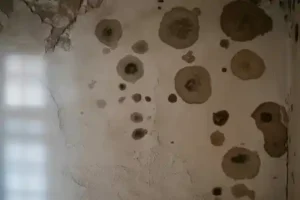
There’s nothing quite as unsettling as discovering unsightly dark spots on wall surfaces in your home. Whether it’s a small smudge, a spreading stain, or fuzzy patches, these blemishes can quickly transform a clean, inviting space into one that feels neglected or even unhealthy. Beyond the aesthetic appeal, dark spots on walls can often be a tell-tale sign of deeper issues, ranging from minor dirt accumulation to significant structural problems like water leaks or harmful mold growth.
Ignoring these spots isn’t an option, as they can indicate issues that affect your home’s integrity and your family’s health. But don’t despair! Understanding the root cause is the first step towards effective treatment and prevention. This comprehensive guide will delve into the various culprits behind dark spots on wall, provide practical advice on how to identify them, and offer actionable strategies to clean, repair, and prevent their recurrence. Get ready to banish those unwelcome marks and restore your walls to their pristine condition!
What Are Dark Spots On Walls? Understanding the Problem
When we talk about dark spots on wall surfaces, we’re referring to any discoloration that appears significantly darker than the surrounding paint or wallpaper. These spots can vary widely in appearance, size, and texture, which are often key indicators of their origin. They might be small, scattered specks, large amorphous patches, or even linear streaks. Common descriptions include “black spots on wall,” “brown spots on wall,” “gray patches,” or simply “unexplained stains on wall.” The presence of such discoloration can be more than just an eyesore; it can signal underlying issues that require immediate attention.
Understanding what these spots are is crucial for effective treatment. Are they superficial dirt? Or something more insidious like mold or water damage? The nature of the dark spot will dictate the most appropriate cleaning and repair methods. Misidentifying the cause can lead to ineffective cleaning, wasted effort, and potentially allowing a more serious problem to fester. For instance, simply painting over mold will not solve the problem and can even worsen it.
Common Causes of Dark Spots On Walls
Identifying the source of dark spots on wall is the most critical step. Here are the most common culprits:
Mold and Mildew Growth
- Appearance: Often appears as fuzzy, patchy, or speckled dark spots, ranging from black and green to brown or gray. It can feel slimy or powdery.
- Conditions: Thrives in damp, humid, and poorly ventilated areas. Bathrooms, kitchens, basements, and areas near leaky pipes are prime locations.
- Health Implications: Mold spores can trigger allergies, asthma attacks, respiratory problems, and other health issues, especially in sensitive individuals.
- Key Indicator: Often accompanied by a musty, earthy odor.
Water Damage and Leaks
- Appearance: Typically manifests as irregular, discolored patches that may be yellowish-brown or dark brown, often with a distinctive “tide mark” or ring around the edges. Streaks running down the wall are common.
- Sources: Leaky pipes, roof leaks, overflowing gutters, condensation around windows, or even a sudden burst pipe.
- Associated Issues: Can lead to structural damage, rot, and create perfect conditions for mold growth. The wall material might feel soft or damp to the touch.
Dirt, Grime, and Everyday Accumulation
- Appearance: These are usually smudges, streaks, or general darkening of the wall in high-traffic areas or near heat sources. They can be grayish or brownish.
- Causes: Dust, cooking grease, fingerprints, smoke (from candles or fireplaces), pet dander, or general airborne pollutants settling on the wall surface.
- Location: Often found around light switches, doorknobs, behind furniture, or near kitchen cooking areas.
Pest Infestations
- Appearance: Small, often clustered dark spots that are distinct and sometimes raised. These could be insect droppings (e.g., cockroach or fly specks), rodent urine stains, or even blood spots from bed bugs.
- Key Indicator: Look for other signs of pests, such as live insects, droppings on surfaces, gnaw marks, or a peculiar odor.
- Health Risks: Pest droppings can carry bacteria and allergens.
Chemical Reactions and “Ghosting”
- Appearance: “Ghosting” often appears as dark, smoky patterns that mirror the underlying wall structure (studs, joists, insulation gaps). Chemical reactions might cause localized dark spots where certain substances have come into contact with the paint.
- Causes:
- Ghosting: Occurs when dust and airborne particles settle more heavily on colder parts of a wall (where there’s less insulation or a thermal bridge), outlining the framing.
- Chemical Reactions: Certain household cleaners, sprays, or even contact with specific materials can react with paint, causing discoloration.
Tobacco Smoke and Nicotine Stains
- Appearance: A pervasive yellowish-brown film or stain that often covers large areas of the wall, sometimes appearing streaky or sticky.
- Cause: Accumulation of tar and nicotine from cigarette or cigar smoke over time.
- Key Indicator: Strong, lingering stale smoke odor.
Identifying the Type of Dark Spot
A little detective work can go a long way in pinpointing the exact cause of your dark spots on wall:
- Visual Inspection:
- Fuzzy/Patchy: Likely mold or mildew.
- Streaky/Ringed: Often water damage.
- Small, Distinct Dots/Specks: Could be pest droppings or fly specks.
- Smudges/General Darkening: Dirt, grime, or smoke.
- Linear Patterns: “Ghosting” from thermal bridging.
- Smell Test:
- Musty/Earthy: Strong indicator of mold or mildew.
- Ammonia-like/Pungent: Could suggest rodent urine.
- Stale Smoke: Tobacco stains.
- Touch Test:
- Slightly Slimy/Slippery: Often mold.
- Damp/Soft Wall: Suggests active water damage.
- Sticky/Greasy: Grease, smoke, or certain types of grime.
- Location, Location, Location:
- Near Ceiling/Corners: Often mold (due to condensation) or roof leaks.
- Around Windows/Vents: Condensation, dirt accumulation, or “ghosting.”
- Behind Furniture/Appliances: Poor ventilation leading to mold, or dirt accumulation.
- Near Pipes/Plumbing: Strong indication of a leak.
Effective Solutions: How to Remove Dark Spots On Walls
Once you’ve identified the cause of the dark spots on wall, you can apply the appropriate cleaning and remediation strategy.
For Mold and Mildew
- Safety First: Wear gloves, eye protection, and a N95 respirator mask to avoid inhaling spores. Isolate the area if possible.
- Cleaning Solution:
- Small Areas: Mix 1 cup of bleach with 1 gallon of water. Alternatively, use white vinegar (undiluted) for a less harsh, natural option.
- Commercial Mold Remover: For tougher or larger areas, consider a dedicated mold and mildew remover.
- Application: Apply the solution with a spray bottle or sponge. Let it sit for 10-15 minutes.
- Scrub and Rinse: Scrub the area with a stiff brush or sponge. Rinse with clean water and dry thoroughly with a fan or dehumidifier.
- Prevention: Address the moisture source. Improve ventilation, use exhaust fans, and consider a dehumidifier.
For Water Stains
- Fix the Leak: This is paramount. If the leak isn’t stopped, the stains will return.
- Dry the Area: Ensure the wall is completely dry before proceeding. Use fans or open windows.
- Prime the Stain: Apply an oil-based or shellac-based stain-blocking primer (e.g., Kilz or Zinsser B-I-N) to seal the stain and prevent it from bleeding through new paint.
- Repaint: Once the primer is dry, repaint the wall to match the surrounding area.
For Dirt, Grime, and Smoke Stains
- Mild Cleaning: For light dirt and grime, use a soft sponge with warm water and a small amount of mild dish soap. Wipe gently from bottom to top to avoid streaking.
- Tougher Stains (Grease/Smoke):
- TSP Substitute: Mix a cleaner containing Trisodium Phosphate (TSP) substitute with water (follow product instructions). TSP is very effective for grease and smoke but requires good ventilation and gloves.
- Degreaser: For kitchen grease, a dedicated kitchen degreaser can work wonders.
- Rinse and Dry: Wipe with a clean, damp cloth, then dry thoroughly.
- Repainting (for Heavy Smoke): For severe tobacco stains, a full wash with TSP substitute followed by a stain-blocking primer and new paint is usually necessary.
For Pest-Related Spots
- Address the Pests: The priority is to eliminate the infestation. This may require professional pest control.
- Clean and Disinfect: Once pests are gone, clean the spots with an all-purpose cleaner and then disinfect with a bleach solution or commercial disinfectant.
- Repair: If the pests caused any physical damage to the wall, repair and repaint as needed.
For “Ghosting” and Chemical Reactions
- Ghosting: Regular cleaning with a mild detergent and water can lessen ghosting. For severe cases, improving insulation and air sealing can help. Repainting is often the final solution.
- Chemical Reactions: Depending on the severity, a thorough cleaning might suffice. If the paint is discolored, priming and repainting will be necessary. Be mindful of what chemicals you use on your walls.
Preventing Dark Spots On Walls: A Proactive Approach
Prevention is always better than cure when it comes to dark spots on wall surfaces. Here are key strategies:
- Control Humidity: Use exhaust fans in bathrooms and kitchens. Run a dehumidifier in damp areas like basements. Aim for indoor humidity levels between 30-50%.
- Ensure Good Ventilation: Open windows regularly, especially in areas prone to moisture. Keep air circulating.
- Promptly Fix Leaks: Address any drips, pipe leaks, or roof issues immediately. Don’t let water sit.
- Regular Cleaning: Dust and lightly wipe down walls periodically, especially in high-traffic or high-moisture areas.
- Use Quality Paint: Opt for paints with mildewcides, especially in bathrooms and kitchens. Eggshell or semi-gloss finishes are more washable than flat paints.
- Avoid Indoor Smoking: This eliminates a major source of yellowing and sticky residue.
- Pest Control: Keep your home clean and seal entry points to deter pests.
- Insulation Check: If you suspect “ghosting,” consider improving wall insulation to maintain consistent surface temperatures.
Recommended Products
Concrobium Mold Control
An effective, non-toxic solution for eliminating and preventing mold and mildew without bleach or harsh chemicals. Great for sensitive surfaces.
Zinsser B-I-N Shellac-Base Primer
A high-performance primer and sealer that blocks tough stains from water, smoke, and odors, preparing the wall for a fresh coat of paint.
DampRid Moisture Absorber
Simple, non-electric moisture absorbers that help reduce humidity in small, enclosed spaces, preventing mold and musty odors.
N95 Respirator Masks
Essential personal protective equipment for safely cleaning mold or dealing with airborne particles, protecting your respiratory health.
Frequently Asked Questions About Dark Spots On Walls
Q1: Are dark spots on walls always dangerous?
Not always, but they can be. While some dark spots on wall surfaces might just be dirt or grime, others, particularly mold or pest droppings, can pose significant health risks. Mold can trigger allergies, asthma, and respiratory issues, while certain pests can carry diseases. Water damage leading to dark spots can also compromise your home’s structural integrity. It’s always best to investigate and address dark spots promptly.
Q2: Can I just paint over dark spots on walls?
It is generally not recommended to simply paint over dark spots on wall surfaces without addressing the underlying issue. Painting over mold, for example, will not kill the mold; it will continue to grow beneath the paint, potentially causing more damage and health problems. For water stains, they will often bleed through new paint if not properly primed with a stain-blocking primer first. Always clean, treat, and seal the spot before repainting.
Q3: What’s the best cleaner for dark spots on walls?
The “best” cleaner depends entirely on the cause of the dark spots on wall. For mold, a bleach and water solution (1:10 ratio) or white vinegar is effective, or a commercial mold killer. For dirt and grime, mild dish soap and water often suffice. For tough grease or smoke stains, a TSP (Trisodium Phosphate) substitute cleaner works well. Always test any cleaning solution on an inconspicuous area first.
Q4: How can I prevent mold dark spots from reappearing?
Preventing mold dark spots on wall requires managing moisture. Ensure proper ventilation in bathrooms and kitchens with exhaust fans. Use a dehumidifier in damp areas like basements. Fix any leaks promptly. Keep indoor humidity levels between 30-50%. Regularly clean and dry areas prone to condensation, and consider using paints with mold inhibitors in high-humidity rooms.
Q5: When should I call a professional for dark spots on walls?
You should consider calling a professional if the dark spots on wall are extensive (covering more than 10 square feet), if they recur despite your best efforts, if you suspect a major hidden leak, or if you’re dealing with a persistent pest infestation. Professionals can accurately identify the cause, safely remove hazardous materials like extensive mold, repair structural damage, and implement long-term prevention strategies.
Conclusion
Discovering dark spots on wall surfaces can be a source of frustration, but with the right knowledge and tools, they are often a solvable problem. From the insidious growth of mold and mildew to the tell-tale signs of water damage, or even simple dirt and grime, each type of dark spot tells a unique story about your home’s environment. The key to successful remediation lies in accurate identification and prompt, appropriate action.
By understanding the common causes, learning how to identify them, and applying the correct cleaning and prevention techniques, you can effectively banish these unwelcome blemishes and safeguard your home’s aesthetics and structural integrity. Remember, prevention is your most powerful tool. Maintaining good ventilation, controlling humidity, and addressing leaks immediately will significantly reduce the likelihood of seeing those bothersome dark spots on wall surfaces again. Take a proactive approach, and enjoy a clean, healthy, and beautiful living space.