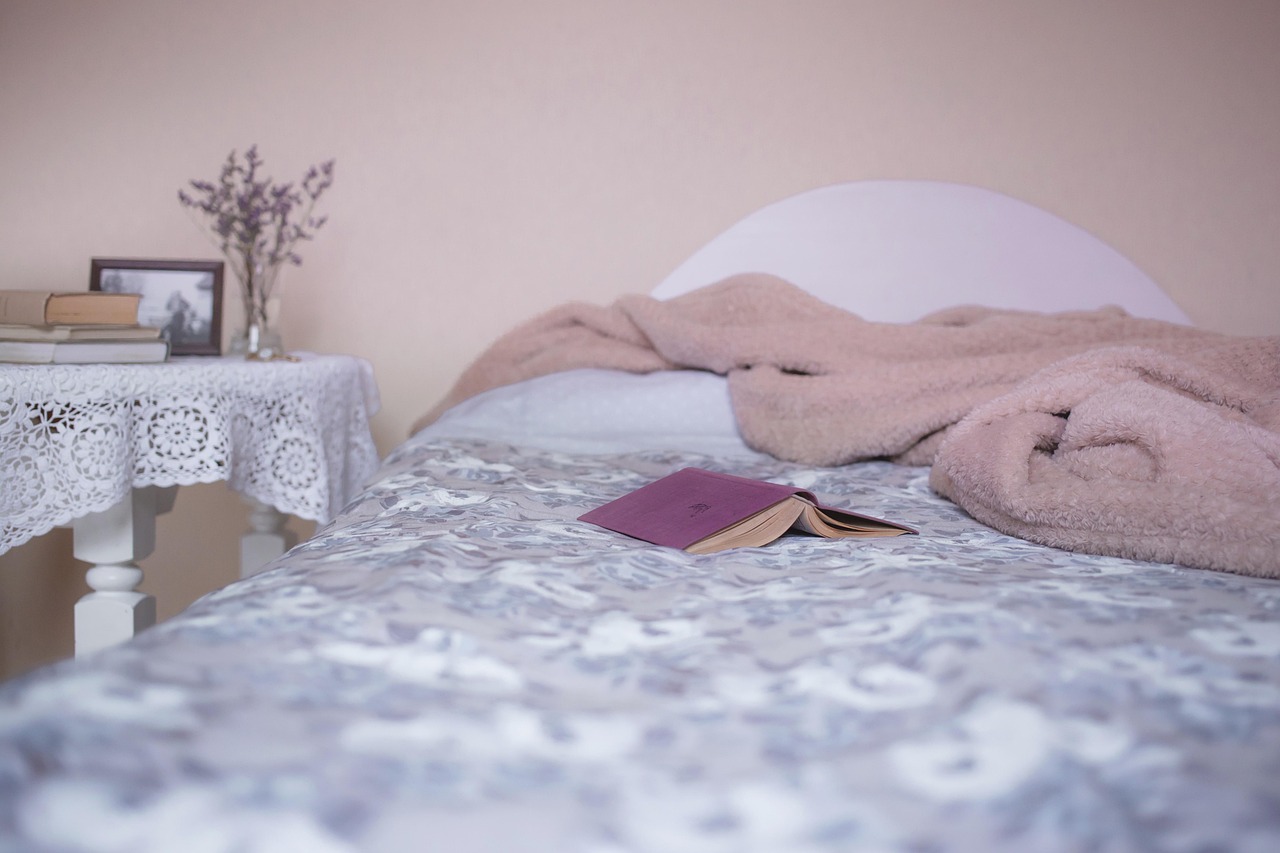
There’s nothing quite as satisfying as slipping into a fresh, clean bed at the end of a long day. But that feeling can quickly turn to frustration when you notice unsightly dark spots on bed sheets. These mysterious marks can appear out of nowhere, marring the pristine look of your bedding and making you wonder, “What on earth are these, and how do I get rid of them?” You’re not alone in this textile mystery; many homeowners in the USA face the challenge of keeping their bed sheets immaculate.
From tiny specks to larger, more pervasive stains, dark spots on bed sheets can stem from a variety of sources. Understanding the origin of these marks is the first step towards effectively treating them and, more importantly, preventing their return. This comprehensive guide will delve deep into the common culprits behind those stubborn dark spots, provide actionable advice on removal techniques, and offer practical tips to keep your sheets looking their best. Get ready to transform your bedding from spotty to spotless!
Unmasking the Common Culprits: Why Dark Spots Appear
Identifying the cause of dark spots on bed sheets is crucial for effective treatment. While some stains are obvious, others can be more subtle, leaving you scratching your head. Here are the most frequent reasons your sheets might be showing unwanted dark marks:
1. Body Fluids and Oils
- Sweat and Body Oils: Our bodies naturally produce sweat and oils, especially during sleep. These can transfer to sheets, and over time, oxidize, leading to yellow, brown, or even dark grey stains. This is particularly noticeable on pillowcases and around the head and neck areas.
- Dead Skin Cells: We shed millions of skin cells daily. While usually invisible, these can accumulate with body oils and dust, creating a dingy appearance or localized dark patches.
2. Skincare and Hair Products
Many of the products we use to keep ourselves looking and feeling good can be surprisingly detrimental to our bedding.
- Lotions, Creams, and Self-Tanners: Rich moisturizers, body oils, and especially self-tanning lotions can easily transfer from your skin to your sheets, leaving behind greasy or brownish streaks.
- Acne Treatments: Products containing benzoyl peroxide are notorious for bleaching fabrics, leaving distinct white or discolored spots on colored sheets. Salicylic acid can also sometimes cause discoloration.
- Hair Oils and Dyes: Leave-in conditioners, hair masks, and hair dyes can easily transfer to pillowcases and sheets, creating dark, oily, or stained patches.
3. Food and Drink Spills
Eating or drinking in bed is a common comfort, but it comes with risks. Coffee, tea, dark sodas, chocolate, and sauces can all leave prominent dark spots on bed sheets if spilled. Even crumbs from dark foods can embed themselves and create marks.
4. Mold and Mildew
This is a particularly concerning cause, as it can also impact your health. Mold and mildew thrive in damp, warm environments. If sheets are left damp (e.g., after a spill, or if humidity is high and they aren’t fully dried) or stored improperly, tiny black or greyish-green spots can appear. These spots are actual fungal growth and often have a musty smell.
5. Pets
Our furry friends are beloved, but they can be a source of stains. Pet dander, dirt from paws, natural oils from their fur, and even minor accidents can leave various dark spots on bed sheets. If your pet sleeps with you, this is a very common cause.
6. Accidental Stains
- Ink: A leaky pen or marker can quickly create a noticeable dark stain.
- Blood: Minor cuts, nosebleeds, or menstrual accidents can leave dark red or brownish stains if not treated promptly.
- Rust: Less common, but rust can transfer from old bed frames, springs, or even from water pipes during washing, leaving reddish-brown marks.
- Dirt and Grime: Bringing outside dirt, mud, or grime into bed on clothing or feet can also lead to dark marks.
Effective Strategies for Removing Dark Spots On Bed Sheets
Once you’ve identified the likely cause, you can tackle those dark spots on bed sheets with targeted cleaning methods. Always check your sheet’s care label before proceeding, and when in doubt, test a small, inconspicuous area first.
General Stain Removal Tips:
- Act Quickly: Fresh stains are much easier to remove than old, set-in ones.
- Cold Water First: For most organic stains (blood, food), start with cold water to prevent the stain from setting. Hot water can “cook” proteins into the fabric.
- Blot, Don’t Rub: Rubbing a stain can spread it and push it deeper into the fibers. Always blot from the outside in.
Specific Stain Treatment:
1. For Sweat, Body Oils, and General Grime:
- Baking Soda & Vinegar: Sprinkle baking soda directly on the damp stain, let it sit for 30 minutes, then spray with white vinegar. Let it fizz, then wash as usual. This can break down oils and odors.
- Dish Soap: For greasy spots, apply a small amount of liquid dish soap (like Dawn) directly to the stain, gently rub, let sit for 10-15 minutes, then rinse and wash.
- Enzyme-Based Stain Removers: These are excellent for breaking down organic matter like sweat and body oils. Pre-treat the spots according to product instructions.
2. For Skincare and Hair Product Stains:
- Oxygen Bleach (Color-Safe): For stubborn greasy or discolored spots from lotions/oils, soak the sheets in a solution of oxygen bleach (e.g., OxiClean) and water for a few hours or overnight before washing. This is safe for most colored fabrics.
- For Benzoyl Peroxide Bleach Spots: Unfortunately, once a fabric is bleached, the color cannot be restored. Prevention is key here.
3. For Mold and Mildew:
Treat mold immediately.
- White Vinegar: For light mildew, soak the affected area in undiluted white vinegar for 30 minutes to an hour, then wash in hot water with detergent. Add a cup of vinegar to the wash cycle.
- Borax: Mix 1/2 cup of borax with enough water to make a paste. Rub the paste onto the mold spots, let sit for 30 minutes, then wash with hot water.
- Bleach (for White Cotton Sheets ONLY): For severe mold on white cotton sheets, a diluted bleach solution (1/4 cup bleach to a gallon of water) can be effective. Soak for 30 minutes, then wash thoroughly. Never use bleach on colored sheets or non-cotton fabrics.
4. For Blood Stains:
- Cold Water Immediately: Rinse the stain under cold running water.
- Hydrogen Peroxide: For fresh stains, pour a small amount of 3% hydrogen peroxide directly onto the stain. It will fizz. Blot with a clean cloth. Rinse thoroughly and repeat if necessary before washing.
- Salt Paste: For dried blood, make a paste with salt and cold water, apply it to the stain, let it sit for a few hours, then gently scrape off and wash.
5. For Ink Stains:
- Rubbing Alcohol or Hand Sanitizer: Place a clean cloth under the stained area. Apply rubbing alcohol or hand sanitizer to a different clean cloth and blot the ink stain. The ink should transfer to the cloth underneath. Rinse and wash.
6. For Rust Stains:
- Lemon Juice and Salt: Sprinkle salt over the rust stain, then squeeze lemon juice over the salt. Let it sit in direct sunlight for a few hours. The acid and sun should help lift the rust. Rinse and wash.
- Commercial Rust Remover: For stubborn rust, use a specialized rust remover product, following package directions carefully.
Recommended Products
To help you tackle those stubborn dark spots on bed sheets and keep your bedding looking fresh, here are some highly-rated products that can make a significant difference:
OxiClean Versatile Stain Remover Powder
A powerful oxygen-based stain remover that’s effective on a wide range of organic stains, safe for most colors, and excellent for pre-soaking.
Fels-Naptha Laundry Bar Soap
A traditional and highly effective bar soap for pre-treating stubborn grease, oil, and sweat stains before washing.
Tide Hygienic Clean Heavy Duty 10X Liquid Laundry Detergent
Formulated to deep clean and remove visible and invisible dirt, making it ideal for heavily soiled sheets and tough stains.
SafeRest Premium Hypoallergenic Waterproof Mattress Protector
An essential barrier to protect your mattress from spills, sweat, and allergens, preventing future stains on your bed sheets from below.
ZIYOO Waterproof Pillow Protectors
These protectors guard your pillows against sweat, oils, and spills, extending their life and keeping your pillowcases cleaner.
Prevention is Key: Keeping Dark Spots Away
Once you’ve banished those unsightly dark spots on bed sheets, the next step is to prevent them from returning. A proactive approach can save you a lot of time and effort in the long run.
1. Establish a Regular Washing Schedule
The simplest and most effective prevention method is consistent washing. Aim to wash your sheets every one to two weeks. If you sweat heavily, use a lot of body products, or have pets, consider washing them weekly.
2. Shower Before Bed
Showering before bed helps remove daily grime, sweat, and excess body oils, significantly reducing the amount of residue that transfers to your sheets. Ensure skincare products are fully absorbed before getting into bed.
3. Use Protective Barriers
- Mattress Protectors: A good quality, waterproof mattress protector will shield your mattress from sweat, spills, and body oils that can seep through sheets and cause stains.
- Pillow Protectors: These zippered covers go under your pillowcases and protect your pillows from sweat, oils, and hair products, extending the life of your pillows and keeping pillowcases cleaner.
4. Be Mindful of Skincare and Hair Products
- Allow Products to Dry: Give lotions, creams, and self-tanners ample time to absorb and dry on your skin before you get into bed.
- Use a Towel: If you use heavy hair oils or treatments, consider placing a towel over your pillowcase to protect it, or use an older pillowcase.
- Benzoyl Peroxide Caution: If using acne treatments with benzoyl peroxide, opt for white sheets and pillowcases, or wear old T-shirts to bed to prevent bleaching on colored fabrics.
5. Manage Humidity and Airflow
To prevent mold and mildew, ensure your bedroom has good airflow. If you live in a humid climate, consider using a dehumidifier. Always ensure sheets are completely dry before folding and storing them.
6. Pet Management
If your pets sleep with you, consider designating a specific “pet blanket” that can be easily washed. Regularly groom your pets to reduce shedding and dander.
7. Avoid Eating and Drinking in Bed
While a cozy ritual, eating or drinking in bed significantly increases the risk of spills. If you must, be extra careful and consider using trays or spill-proof containers.
FAQ: Your Questions About Dark Spots On Bed Sheets Answered
Q1: What causes small dark spots on bed sheets that look like mold but aren’t?
Small dark spots on bed sheets that resemble mold but don’t have a musty smell or fuzzy texture can often be caused by concentrated body oils, dried sweat, or residue from hair and skin products. Over time, these organic materials oxidize, turning darker. They might also be tiny specks of dirt, ink, or even residue from laundry detergents if not rinsed properly.
Q2: How do you get old, set-in dark spots out of bed sheets?
Removing old, set-in dark spots on bed sheets is challenging but often possible. Start by identifying the stain type if you can. For organic stains (sweat, oil, food), an enzyme-based stain remover or a long soak in an oxygen bleach solution (like OxiClean) can be effective. For very stubborn spots, a paste of baking soda and hydrogen peroxide applied directly to the damp stain for several hours, followed by a hot wash, might help. Always pre-treat and allow ample soaking time for old stains.
Q3: Can dark spots on bed sheets be a sign of bed bugs?
Yes, dark spots on bed sheets can indeed be a sign of bed bugs, but it’s important to differentiate. Bed bug droppings typically appear as tiny, dark brown or black spots, often resembling ink marks. These spots will usually bleed into the fabric if you wipe them with a damp cloth. Unlike general dark spots from sweat or dirt, bed bug droppings are usually concentrated in areas where bed bugs hide or feed, such as along seams of mattresses, pillowcases, or headboards. If you suspect bed bugs, look for other signs like actual bugs, shed skins, or small bloodstains.
Q4: How often should I wash my sheets to prevent dark spots?
To effectively prevent dark spots on bed sheets and maintain hygiene, it’s generally recommended to wash your sheets every one to two weeks. However, if you have pets that sleep with you, suffer from allergies, sweat excessively, use heavy body or hair products, or are prone to spills, a weekly wash is advisable. Regular washing removes oils, dead skin cells, and product residues before they have a chance to set in and darken.
Q5: Are there any natural remedies to remove dark spots on sheets?
Yes, several natural remedies can be effective for certain types of dark spots on bed sheets. White vinegar is excellent for mold, mildew, and neutralizing odors from sweat. Baking soda works well to absorb oils and odors. Lemon juice and salt can help lift rust stains. Hydrogen peroxide is a natural bleacher for blood stains. Always remember to test these remedies on an inconspicuous area first and rinse thoroughly after treatment.
Conclusion: Embrace a Spotless Sleep Experience
Discovering dark spots on bed sheets can be an unwelcome surprise, but as we’ve explored, these blemishes are rarely permanent and almost always preventable. By understanding the common culprits – from body oils and skincare products to mold and accidental spills – you empower yourself with the knowledge to tackle each stain effectively. Whether it’s a quick pre-treatment with a trusted stain remover or a deep soak with a natural remedy, there’s a solution for almost every dark spot.
Beyond removal, embracing a proactive approach to bedding care is your best defense. Regular washing, the strategic use of protective covers, and mindful habits before bedtime can dramatically reduce the occurrence of these unsightly marks. Imagine the luxury of consistently clean, fresh, and spotless sheets, providing the perfect sanctuary for rest and rejuvenation. With these tips and tricks, you can confidently maintain pristine bedding, ensuring your sleep space remains a haven of comfort and cleanliness for years to come.