
Dark spots, scientifically known as hyperpigmentation, are a common skin concern that can affect individuals of all skin types and tones. Whether caused by sun exposure, acne, hormonal changes, or inflammation, these stubborn marks can make your complexion appear uneven and dull. In the quest for clearer, more radiant skin, many are turning to advanced aesthetic treatments. One such treatment gaining significant attention is microneedling. But the burning question remains does microneedling help with dark spots effectively?
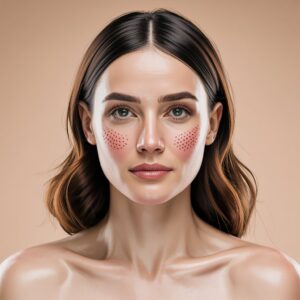
This comprehensive guide will delve deep into the world of microneedling, exploring its mechanisms, how it specifically targets hyperpigmentation, and what you can expect from the process. We’ll cover everything from the science behind its effectiveness to practical advice on preparing for and recovering from a session. By the end, you’ll have a clear understanding of whether microneedling is the right solution for you to achieve a more uniform and luminous skin tone.
What Are Dark Spots and Why Do They Appear?
Before we explore whether microneedling can help, it’s crucial to understand what dark spots are and their root causes. Dark spots are essentially areas of the skin where there’s an overproduction of melanin, the pigment that gives skin its color. This overproduction leads to localized darkening, creating spots that range from light brown to black.
Several factors can trigger this excess melanin production:
- Sun Exposure: The most common cause. UV radiation stimulates melanocytes (melanin-producing cells) to create more pigment as a protective mechanism, leading to sun spots, age spots, or liver spots.
- Post-Inflammatory Hyperpigmentation (PIH): This occurs after skin inflammation or injury, such as acne breakouts, eczema, psoriasis, or even a cut. As the skin heals, it can leave behind a dark mark.
- Melasma: A type of hyperpigmentation often linked to hormonal fluctuations, commonly seen during pregnancy (often called the “mask of pregnancy”), or due to birth control pills. It appears as larger, blotchy patches, typically on the face.
- Reactions to Medications: Certain drugs can cause hyperpigmentation as a side effect.
- Genetics: Some individuals are genetically predisposed to developing dark spots.
Understanding the type of dark spot you have is important, as it can influence the most effective treatment approach.
Understanding Microneedling: The Basics
Microneedling, also known as collagen induction therapy (CIT), is a minimally invasive cosmetic procedure that involves using fine needles to create microscopic punctures in the skin. These controlled micro-injuries trigger the body’s natural wound-healing process, leading to a cascade of beneficial effects.
How Microneedling Works
The core principle behind microneedling is simple yet powerful. When the skin experiences these tiny punctures, it interprets them as minor damage. In response, the body initiates a healing process that includes:
- Increased Collagen and Elastin Production: The skin rushes to repair itself by producing new collagen and elastin fibers, which are crucial for skin structure, firmness, and elasticity.
- Enhanced Cell Turnover: Old, damaged skin cells are shed, and new, healthy cells come to the surface.
- Improved Blood Circulation: The micro-injuries can also stimulate increased blood flow to the treated area, bringing vital nutrients.
This regenerative process not only improves skin texture and firmness but also plays a key role in addressing various skin concerns, including dark spots.
Types of Microneedling Devices
Microneedling can be performed using various tools:
- Dermarollers: Handheld devices with a roller head covered in tiny needles. While available for at-home use, professional dermarollers have longer needles and are used by trained practitioners.
- Microneedling Pens: Electric devices that rapidly move needles up and down, offering more precise control over needle depth and allowing for treatment of smaller, harder-to-reach areas. These are primarily used by professionals.
- RF Microneedling: Combines traditional microneedling with radiofrequency (RF) energy. The needles deliver RF energy deep into the dermis, further stimulating collagen production and tightening the skin, often yielding more dramatic results for various concerns, including pigmentation.
Does Microneedling Help With Dark Spots? The Science Behind It
So, to directly answer the question: yes, microneedling can significantly help with dark spots. Its effectiveness stems from its ability to rejuvenate the skin at a cellular level and encourage the turnover of pigmented cells.
Collagen Induction and Skin Renewal
The primary benefit of microneedling for dark spots lies in its capacity to stimulate collagen and promote skin cell renewal. As new skin cells are generated, the old, melanin-rich cells that form the dark spots are gradually pushed to the surface and exfoliated away. This process effectively “fades” the existing pigmentation and helps reveal a fresher, more evenly toned complexion underneath.
Furthermore, the increased collagen can strengthen the skin, making it more resilient and less prone to future pigmentation issues, especially post-inflammatory hyperpigmentation.
Addressing Different Types of Hyperpigmentation
- Post-Inflammatory Hyperpigmentation (PIH): Microneedling is particularly effective for PIH because it accelerates the healing process and promotes the shedding of the damaged, pigmented skin layers.
- Sun Spots/Age Spots: By encouraging new cell growth, microneedling helps replace sun-damaged, pigmented cells with new, unpigmented ones.
- Melasma: While microneedling can help with melasma, it needs to be approached with caution, especially in deeper, more stubborn cases. Aggressive treatment can sometimes exacerbate melasma. Often, a combination approach with topical agents is recommended, and a professional assessment is crucial.
Expected Results and Timeline
Results are not immediate. You’ll typically need a series of treatments (often 3-6 sessions, spaced 4-6 weeks apart) to see significant improvement in dark spots. The skin renewal process takes time, and consistent treatments build upon each other. Initial improvements in skin texture might be noticeable after a few weeks, but the fading of dark spots will be more gradual, often taking several months.
Benefits of Microneedling for Dark Spots
Beyond its direct impact on hyperpigmentation, microneedling offers several other benefits that contribute to overall skin health and appearance, making it a powerful treatment option.
Improved Skin Texture and Tone
As microneedling stimulates collagen production, it not only helps with dark spots but also refines skin texture. Pores can appear smaller, fine lines and wrinkles are reduced, and the skin feels smoother and firmer. This holistic improvement contributes to a more youthful and even-toned complexion.
Enhanced Product Absorption
The micro-channels created by the needles serve another crucial purpose: they significantly enhance the absorption of topical skincare products. When applied immediately after microneedling, active ingredients like Vitamin C, hyaluronic acid, and brightening serums can penetrate deeper into the skin, maximizing their efficacy in treating dark spots and other concerns. This synergistic effect can accelerate results.
Minimal Downtime (Compared to Other Treatments)
Compared to more aggressive treatments like deep chemical peels or ablative lasers, microneedling generally involves less downtime. While you might experience redness and mild swelling for 24-48 hours, most people can resume their normal activities relatively quickly, making it a convenient option for many.
Potential Risks and Considerations
While generally safe, it’s important to be aware of potential risks and considerations associated with microneedling, especially when treating dark spots.
Possible Side Effects
Common side effects are usually mild and temporary:
- Redness and Swelling: Similar to a sunburn, lasting 1-3 days.
- Dryness and Flaking: As new skin cells emerge and old ones shed.
- Mild Bruising: Less common but possible, especially around delicate areas.
- Temporary Hyperpigmentation: In rare cases, especially with improper technique or inadequate sun protection, microneedling can potentially cause new dark spots, particularly in individuals with darker skin tones or a history of melasma. This underscores the importance of professional treatment.
Who Should Avoid Microneedling?
Microneedling is not suitable for everyone. You should avoid the procedure if you have:
- Active acne, especially cystic acne
- Active cold sores or other skin infections
- Eczema or psoriasis in the treatment area
- Keloidal tendencies (prone to raised scars)
- Used isotretinoin (Accutane) within the last 6 months
- Bleeding disorders or are on blood thinners
- Are pregnant or breastfeeding
Importance of Professional Treatment vs. At-Home Devices
While at-home dermarollers are available, for treating dark spots, professional microneedling is highly recommended. Professionals use sterile equipment, appropriate needle depths, and proper techniques that minimize risks and maximize results. At-home devices typically have shorter needles and cannot achieve the same level of collagen induction, and improper use can lead to infection, scarring, or worsening of pigmentation.
Preparing for Your Microneedling Session
Proper preparation is key to a successful microneedling experience and optimal results for your dark spots. Here are some general guidelines:
- Consultation: Always start with a consultation with a qualified dermatologist or aesthetician to assess your skin, discuss your concerns (especially dark spots), and determine if microneedling is right for you.
- Avoid Sun Exposure: Stay out of direct sunlight and avoid tanning beds for at least two weeks prior to your appointment. Sunburned skin cannot be treated.
- Discontinue Certain Products: Stop using retinoids, AHAs, BHAs, and other exfoliating acids 3-5 days before your session, as they can increase skin sensitivity.
- No Blood Thinners: Avoid aspirin, ibuprofen, and other blood-thinning medications for a few days before, if approved by your doctor.
- Arrive with Clean Skin: On the day of your appointment, arrive with clean skin, free of makeup and lotions.
Post-Treatment Care for Optimal Results
The period immediately after microneedling is crucial for healing and preventing new dark spots. Following your aesthetician’s post-care instructions meticulously will ensure the best possible outcome.
Essential Skincare After Microneedling
- Gentle Cleansing: Use a mild, pH-balanced cleanser and lukewarm water for the first few days.
- Hydration: Apply a soothing, hydrating serum (like hyaluronic acid) and a rich, fragrance-free moisturizer regularly to keep the skin comfortable and aid healing.
- Avoid Actives: Steer clear of harsh exfoliants, retinoids, Vitamin C (unless specifically recommended by your professional), and other active ingredients for at least 3-5 days, or as advised.
- No Makeup: Avoid makeup for at least 24 hours to prevent irritation and infection.
- Hands Off: Resist the urge to pick at any flaking skin. Let it shed naturally.
Sun Protection is Key
This is perhaps the most critical step, especially when treating dark spots. Newly treated skin is highly vulnerable to sun damage, which can lead to new hyperpigmentation. Always:
- Apply a broad-spectrum SPF 30 or higher daily, even indoors.
- Reapply sunscreen every two hours if exposed to sun.
- Wear protective clothing and wide-brimmed hats when outdoors.
- Minimize direct sun exposure, especially during peak hours.
Combining Microneedling with Other Treatments
For stubborn dark spots, especially melasma or very deep pigmentation, microneedling can often be combined with other treatments for enhanced results. Your skincare professional might suggest:
- Topical Brightening Agents: Serums containing ingredients like Vitamin C, niacinamide, alpha arbutin, kojic acid, or hydroquinone (prescription-strength) can be used in conjunction with microneedling, often starting a few weeks after the initial healing, to further inhibit melanin production.
- Chemical Peels: Superficial chemical peels can complement microneedling by exfoliating the top layers of skin and encouraging cell turnover.
- Laser Treatments: For certain types of dark spots, specific lasers (e.g., PicoSure, Q-switched lasers) can be highly effective and may be used in a comprehensive treatment plan alongside microneedling, though usually not at the same appointment.
Always discuss combination therapies with your professional to ensure they are safe and appropriate for your skin concerns.
Recommended Products
EltaMD UV Clear Broad-Spectrum SPF 46
A highly recommended, lightweight sunscreen ideal for post-microneedling, featuring niacinamide to help calm and protect sensitive skin.
La Roche-Posay Toleriane Double Repair Face Moisturizer
A gentle, hydrating moisturizer formulated with ceramides and niacinamide to help restore the skin’s barrier after treatment.
SkinCeuticals C E Ferulic
A powerful antioxidant serum (Vitamin C, E, and Ferulic Acid) that brightens skin and protects against environmental damage, excellent for use a week or two post-treatment to target dark spots.
CeraVe Hydrating Facial Cleanser
A non-foaming, gentle cleanser that cleanses without stripping the skin, perfect for use during the sensitive post-microneedling phase.
Frequently Asked Questions About Microneedling for Dark Spots
Q1: How many microneedling sessions are needed for dark spots?
Typically, a series of 3 to 6 microneedling sessions, spaced 4 to 6 weeks apart, is recommended for significant improvement in dark spots. The exact number depends on the severity and type of hyperpigmentation, as well as individual skin response. Your practitioner will create a personalized treatment plan during your consultation.
Q2: Is microneedling painful?
Most professional microneedling treatments begin with the application of a topical numbing cream to minimize discomfort. While you might feel some pressure or a vibrating sensation, it’s generally well-tolerated. Some areas, like the forehead or around the mouth, might be more sensitive than others.
Q3: Can microneedling worsen dark spots?
When performed correctly by a trained professional and followed by proper aftercare (especially strict sun protection), microneedling should improve dark spots. However, if the treatment is too aggressive, performed incorrectly, or if the skin is exposed to sun without protection post-treatment, there’s a small risk of inducing post-inflammatory hyperpigmentation, potentially worsening existing dark spots or creating new ones. This risk is higher for individuals with darker skin tones or a history of melasma, highlighting the need for an experienced practitioner.
Q4: What’s the downtime after microneedling?
The typical downtime for professional microneedling is relatively short, usually 1 to 3 days. You can expect redness and mild swelling, similar to a sunburn. Some individuals may experience slight pinpoint bleeding during the procedure, which resolves quickly. The skin may feel dry or rough and begin to flake a few days later as it regenerates. Most people can return to their normal activities within 24-48 hours, though strenuous exercise might be advised against for the first day.
Q5: Can I do microneedling at home for dark spots?
While at-home dermarollers are available, they use much shorter needles and are not as effective for treating deep-seated dark spots. Professional microneedling offers greater precision, deeper penetration, and a sterile environment, which are crucial for safety and efficacy in treating hyperpigmentation. Improper at-home use can lead to infection, scarring, or even worsen dark spots, so it’s best left to professionals.
Q6: How long do results from microneedling last?
The results from microneedling for dark spots can be long-lasting, especially with a proper skincare routine and diligent sun protection. However, new dark spots can form due to continued sun exposure, hormonal changes, or new skin injuries. Maintenance sessions (e.g., once or twice a year) may be recommended to sustain and enhance results over time.
Conclusion
In conclusion, does microneedling help with dark spots? The answer is a resounding yes for many forms of hyperpigmentation. By harnessing the body’s natural healing capabilities, microneedling effectively stimulates collagen production and accelerates cell turnover, leading to a visible reduction in dark spots and a more even, radiant complexion. It’s a powerful tool in the fight against uneven skin tone, offering a minimally invasive path to smoother, brighter skin.
However, successful treatment hinges on several factors: choosing a qualified and experienced professional, adhering to a consistent treatment plan, and diligently following pre- and post-care instructions, especially rigorous sun protection. While microneedling offers significant benefits, it’s not a magic bullet and requires patience and commitment. If you’re struggling with dark spots and seeking a scientifically backed treatment, consult with a skincare expert to determine if microneedling is the right solution to unlock your skin’s true potential.