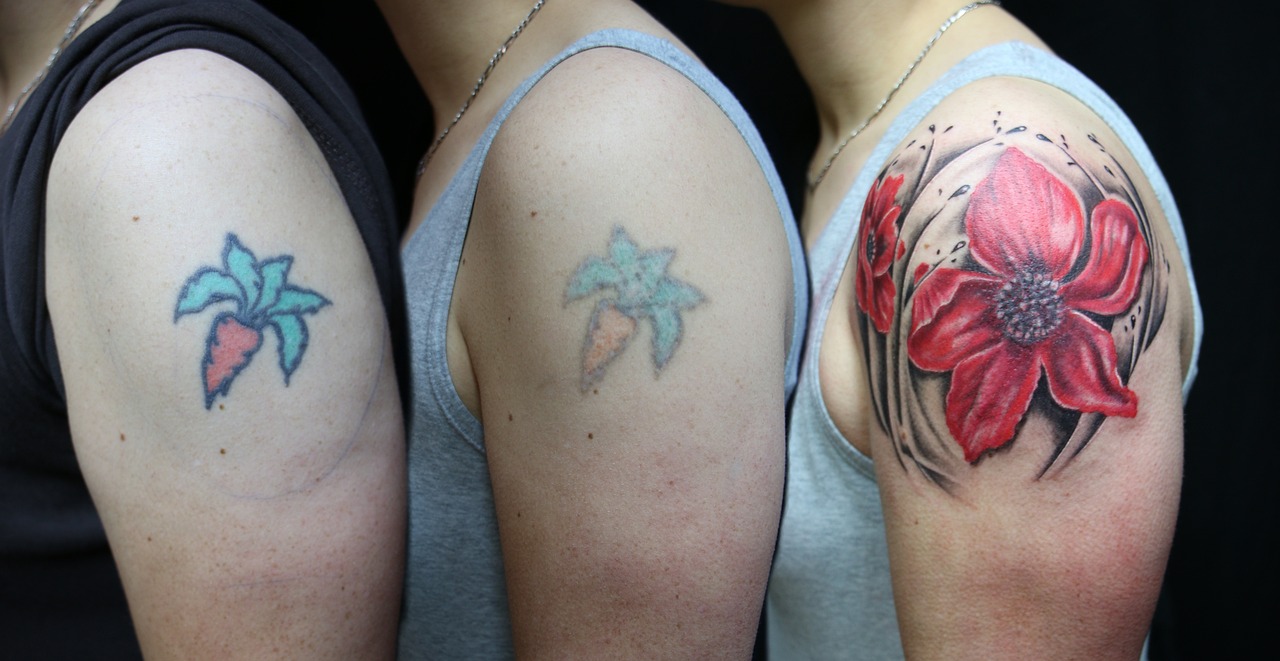
Are you tired of looking in the mirror and seeing persistent dark spots that detract from your skin’s natural radiance? You’re not alone. Many individuals struggle with various forms of hyperpigmentation, from sun spots and age spots to post-inflammatory hyperpigmentation and melasma. These unwelcome blemishes can make your complexion appear uneven and dull, often impacting self-confidence. While topical creams and home remedies offer gradual results, many seek a faster, more effective solution.
Enter laser to remove dark spots on face a revolutionary approach that has transformed the landscape of skin rejuvenation. This advanced aesthetic treatment offers a precise and powerful way to target and diminish unwanted pigmentation, revealing clearer, more luminous skin underneath. But what exactly does this treatment entail? How does it work? And is it the right option for you?
In this comprehensive guide, we’ll delve deep into the world of laser dark spot removal. We’ll explore the science behind it, discuss the different types of lasers used, outline the benefits and potential risks, and provide essential tips for preparation and aftercare. By the end, you’ll have a clear understanding of how facial dark spot laser treatment can help you achieve the even-toned, glowing skin you’ve always desired.
Understanding Dark Spots: What Are They?
Before diving into laser treatments, it’s crucial to understand what dark spots are and why they appear. Dark spots, medically known as hyperpigmentation, are areas of skin that become darker than the surrounding skin. This darkening occurs when there is an excess production of melanin, the pigment responsible for skin, hair, and eye color.
Types of Hyperpigmentation
- Sun Spots (Lentigines or Age Spots): These are flat, oval areas of increased pigmentation, typically tan, brown, or black, that develop on sun-exposed skin. They are a direct result of cumulative sun exposure over time.
- Melasma: Often referred to as the “mask of pregnancy,” melasma appears as larger, blotchy patches of brown or grayish-brown pigmentation, usually on the cheeks, forehead, chin, and upper lip. It’s often triggered by hormonal changes (pregnancy, birth control) combined with sun exposure.
- Post-Inflammatory Hyperpigmentation (PIH): These dark spots occur after an inflammatory skin condition, such as acne, eczema, or an injury. As the skin heals, it produces excess melanin, leading to discolored patches that can range from pink to red, brown, or black.
Causes of Dark Spots
- Sun Exposure: The primary culprit for most dark spots. UV radiation stimulates melanocytes (melanin-producing cells) to create more pigment as a protective mechanism.
- Hormonal Fluctuations: As seen with melasma, changes in hormone levels can significantly impact melanin production.
- Inflammation and Injury: Skin trauma or inflammation can trigger a healing response that includes increased melanin synthesis.
- Genetics: Some individuals are genetically predisposed to developing dark spots.
- Medications: Certain drugs can cause photosensitivity or hyperpigmentation as a side effect.
Laser To Remove Dark Spots On Face: How Does It Work?
The magic behind using laser to remove dark spots on face lies in its targeted approach. Laser devices emit concentrated beams of light at specific wavelengths. When this light energy is directed at the skin, it is absorbed by the melanin in the dark spots. This absorption causes the pigment to heat up and shatter into tiny fragments, without significantly damaging the surrounding healthy skin.
Once broken down, these microscopic pigment particles are naturally cleared away by the body’s immune system over the following days and weeks. The result is a gradual fading of the dark spots, revealing a clearer, more even skin tone. The precision of modern lasers allows for highly effective treatment with minimal downtime.
Different Types of Lasers for Pigmentation
Not all lasers are created equal. Different types of devices are optimized for specific kinds of dark spots and skin types. A qualified practitioner will assess your skin and pigmentation to recommend the most suitable option for your laser dark spot removal.
- Q-Switched Lasers (Nd:YAG, Ruby, Alexandrite): These lasers deliver very short, high-energy pulses of light. They are excellent for targeting discrete dark spots like sun spots, freckles, and some post-inflammatory hyperpigmentation. The rapid pulse creates a photoacoustic effect, shattering the pigment.
- Picosecond Lasers (e.g., PicoSure, PicoWay): Representing the next generation, picosecond lasers deliver even shorter pulses (in picoseconds, trillions of a second). This ultra-fast delivery mechanism is highly effective at breaking down pigment into even smaller particles with less heat, making them particularly effective for stubborn pigmentation and potentially safer for a wider range of skin tones. They are also known for their ability to treat melasma more gently.
- Intense Pulsed Light (IPL): While technically not a laser (it uses broad-spectrum light rather than a single wavelength), IPL is often grouped with laser treatments for pigmentation. It’s effective for diffuse sun damage, redness, and lighter sun spots, offering a general improvement in skin tone and texture. It’s less precise than true lasers for specific, darker spots.
- Fractional Lasers (e.g., Fraxel, CO2 Fractional): These lasers create microscopic treatment zones in the skin, stimulating collagen production and skin cell turnover. While primarily used for texture, wrinkles, and acne scars, some fractional lasers can also be used for certain types of pigmentation, especially if combined with textural concerns or deeper melasma, but often involve more downtime.
The Treatment Process: What to Expect
- Consultation: This is the most critical first step. Your practitioner will evaluate your skin type, the nature of your dark spots, discuss your medical history, and set realistic expectations. They’ll determine if laser to remove dark spots on face is right for you and which laser type is best.
- Preparation: On the day of treatment, your skin will be thoroughly cleansed. A topical numbing cream may be applied to minimize discomfort, though many patients find the procedure tolerable without it.
- Eye Protection: You’ll be given protective eyewear to shield your eyes from the laser light.
- Laser Application: The practitioner will move the laser handpiece over the targeted areas. You’ll feel a sensation often described as a rubber band snap or a quick, warm prickling. The entire procedure for the face usually takes 15-30 minutes, depending on the area being treated.
- Post-Treatment: Immediately after, the treated area may appear red and slightly swollen, similar to a sunburn. Dark spots may temporarily appear darker before they begin to fade.
Benefits of Using Laser To Remove Dark Spots On Face
Choosing laser to remove dark spots on face offers a multitude of advantages over traditional methods:
- Precision Targeting: Lasers can specifically target pigment without significantly affecting surrounding healthy skin, leading to more focused and effective results.
- High Efficacy: For many types of dark spots, laser treatment is significantly more effective than topical creams alone, often achieving results in fewer sessions.
- Improved Skin Tone and Texture: Beyond just removing spots, many lasers stimulate collagen production, leading to overall brighter, smoother, and more youthful-looking skin.
- Relatively Quick Treatment Sessions: Most facial laser treatments are completed in under an hour, making them easy to fit into a busy schedule.
- Long-Lasting Results: While new dark spots can form with sun exposure, the spots treated with laser are permanently removed. With proper sun protection, results can be maintained for years.
Potential Risks and Side Effects
While generally safe when performed by a qualified professional, it’s important to be aware of potential risks and side effects associated with facial dark spot laser treatment:
- Temporary Redness and Swelling: Common and usually subsides within a few hours to a few days.
- Temporary Darkening of Spots: Treated spots often look darker, like coffee grounds, before flaking off. This is a normal part of the process.
- Crusting or Scabbing: Small scabs may form over treated areas, which should be allowed to heal naturally.
- Blistering: Rare, but can occur, especially if post-care instructions are not followed.
- Hyperpigmentation (Post-Inflammatory Hyperpigmentation): A temporary darkening of the skin, more common in individuals with darker skin tones or if improper laser settings are used. This typically fades over weeks or months.
- Hypopigmentation (Loss of Pigment): A rare side effect where the treated area becomes lighter than the surrounding skin.
- Scarring: Extremely rare, but a possibility with aggressive treatment or improper wound care.
To minimize risks, always choose a board-certified dermatologist or plastic surgeon with extensive experience in laser treatments for dark spots. They will perform a thorough assessment and potentially a patch test to determine the safest and most effective approach for your skin type.
Preparing for Your Laser Treatment
Proper preparation is key to maximizing results and minimizing side effects when getting laser to remove dark spots on face:
- Avoid Sun Exposure: Stay out of direct sunlight and avoid tanning beds for at least 2-4 weeks prior to your appointment. Sunburned or tanned skin can increase the risk of complications. Use a broad-spectrum SPF 30+ daily.
- Discontinue Certain Skincare Products: Your practitioner may advise you to stop using retinoids, alpha hydroxy acids (AHAs), beta hydroxy acids (BHAs), and other exfoliating agents for a week or two before treatment.
- Avoid Blood Thinners: If medically cleared, avoid aspirin, ibuprofen, and other blood-thinning medications for a few days before to reduce bruising risk.
- Inform Your Practitioner: Disclose all medications, supplements, and any medical conditions (e.g., history of cold sores, keloid scarring).
- Arrive with Clean Skin: On the day of treatment, cleanse your face thoroughly and avoid makeup, lotions, or perfumes on the treatment area.
Post-Treatment Care and Recovery
The success of your laser to remove dark spots on face treatment heavily relies on diligent aftercare. Following your practitioner’s instructions precisely is crucial for optimal healing and results.
Immediate Aftercare (First Few Days)
- Cool Compresses: Apply cool compresses to the treated area to reduce swelling and discomfort.
- Gentle Cleansing: Use a mild, non-abrasive cleanser. Pat your skin dry gently.
- Moisturize: Keep the treated area well-moisturized with a soothing, fragrance-free cream recommended by your practitioner. This aids healing and prevents excessive dryness.
- Sun Protection is Paramount: This cannot be stressed enough. Use a broad-spectrum sunscreen with SPF 30 or higher religiously, even indoors, and wear wide-brimmed hats when outdoors. Sun exposure is the fastest way to undo your results and cause new pigmentation.
- Avoid Picking or Scratching: Allow any scabs or crusts to fall off naturally. Picking can lead to scarring or infection.
- Avoid Hot Water, Saunas, and Strenuous Exercise: For the first 24-48 hours, avoid activities that increase blood flow to the face, as this can worsen swelling.
Long-Term Maintenance
- Consistent SPF: Continue using broad-spectrum SPF 30+ every single day, rain or shine.
- Targeted Skincare: Incorporate skincare ingredients like Vitamin C, niacinamide, and gentle retinoids (once fully healed and approved by your doctor) to help prevent new dark spots and maintain an even tone.
- Avoid Excessive Sun Exposure: While SPF is great, physical barriers like hats and seeking shade are even better for preventing new pigmentation.
Who Is a Good Candidate for Laser Dark Spot Removal?
The ideal candidate for laser to remove dark spots on face is someone with:
- Specific Dark Spots: Sun spots, freckles, and some post-inflammatory hyperpigmentation respond very well. Melasma can be treated, but often requires a more delicate approach and multiple sessions.
- Lighter Skin Tones (Fitzpatrick Scale I-III): Generally, individuals with lighter skin tones have a lower risk of post-inflammatory hyperpigmentation.
- Realistic Expectations: Understanding that multiple sessions may be needed and that results are gradual.
- Good Overall Health: Free from active skin infections, certain autoimmune diseases, or medications that increase photosensitivity.
- Commitment to Sun Protection: Willingness to meticulously protect their skin from the sun before and after treatment.
Individuals with very dark skin tones (Fitzpatrick Scale V-VI) can still undergo laser treatment, but it requires an extremely experienced practitioner and specific laser types (like picosecond lasers) to minimize the risk of hyperpigmentation or hypopigmentation. A thorough consultation and patch test are essential in these cases.
Cost of Laser Treatment for Dark Spots
The cost of laser to remove dark spots on face varies widely depending on several factors:
- Geographic Location: Prices can differ significantly between urban and rural areas, and across different states in the USA.
- Practitioner’s Experience and Reputation: Highly experienced, board-certified dermatologists or plastic surgeons may charge more.
- Type of Laser Used: Advanced picosecond lasers might be more expensive per session than traditional Q-switched lasers or IPL.
- Size and Number of Areas Treated: Treating a few small spots will cost less than a full-face treatment.
- Number of Sessions Required: Most people need 1-3 sessions for optimal results, but this can vary. Some clinics offer package deals.
Generally, a single session for laser dark spot removal on the face can range from $200 to $800 or more. A full course of treatment might cost anywhere from $600 to $2500+. Since laser treatment for pigmentation is considered cosmetic, it is typically not covered by insurance. Always get a detailed quote during your initial consultation.
Recommended Products
After your laser treatment, your skin will be delicate and require extra care. These product suggestions are designed to support healing, protect your skin, and help maintain your results. Always consult with your practitioner for personalized recommendations.
EltaMD UV Clear Broad-Spectrum SPF 46
A highly recommended, lightweight, mineral-based sunscreen perfect for post-laser skin, especially for those prone to acne or rosacea. Offers excellent broad-spectrum protection.
Vanicream Gentle Facial Cleanser
A fragrance-free, soap-free, and non-comedogenic cleanser that effectively removes dirt and makeup without irritating sensitive, post-procedure skin.
La Roche-Posay Cicaplast Baume B5
A multi-purpose soothing balm that helps repair and protect compromised skin. Ideal for calming redness and promoting healing after laser treatments.
SkinCeuticals C E Ferulic
An advanced antioxidant serum that helps protect against environmental damage, brightens skin, and can improve the appearance of fine lines. Introduce only after full healing, with doctor’s approval, for long-term maintenance against future spots.
Frequently Asked Questions About Laser Dark Spot Removal
Q1: Is laser treatment to remove dark spots on face painful?
Most patients describe the sensation during laser to remove dark spots on face as a series of quick snaps, similar to a rubber band flicking against the skin. While not entirely painless, it’s generally well-tolerated. Topical numbing creams can be applied beforehand to minimize discomfort, and some modern lasers have built-in cooling systems to enhance comfort.
Q2: How many sessions will I need for optimal results?
The number of sessions required for laser dark spot removal varies based on the type, depth, and size of the dark spots, as well as the laser technology used and your skin’s response. Many individuals see significant improvement after 1-3 sessions for sun spots and freckles. More stubborn conditions like melasma might require 4-6 sessions or ongoing maintenance treatments. Your practitioner will provide a personalized treatment plan during your consultation.
Q3: How long do the results of facial dark spot laser treatment last?
The dark spots that are successfully treated with facial dark spot laser treatment are permanently removed. However, lasers cannot prevent new dark spots from forming. The longevity of your results largely depends on your commitment to sun protection and overall skincare. Consistent use of broad-spectrum sunscreen and avoiding excessive sun exposure are crucial for maintaining a clear, even complexion.
Q4: Can laser treatment make dark spots worse?
In rare cases, especially if performed by an inexperienced practitioner or if post-treatment care (particularly sun protection) is neglected, laser treatment can potentially lead to post-inflammatory hyperpigmentation (PIH), where the treated area becomes darker. This risk is higher for individuals with darker skin tones. Choosing a board-certified professional and meticulously following aftercare instructions significantly minimizes this risk.
Q5: Is laser treatment safe for all skin tones?
While laser to remove dark spots on face is effective for many, individuals with darker skin tones (Fitzpatrick types IV-VI) have a higher risk of complications like PIH or hypopigmentation. However, advancements in laser technology, particularly picosecond lasers, have made treatments safer and more effective for a wider range of skin tones. A thorough consultation, including a patch test, with a practitioner experienced in treating diverse skin types is absolutely essential.
Q6: What is the downtime after laser for dark spots?
Downtime varies depending on the type of laser used and the intensity of the treatment. For non-ablative lasers used for dark spots (like Q-switched or picosecond lasers), downtime is typically minimal. You might experience redness and mild swelling for a few hours to a couple of days. The treated spots will darken and then flake off over 5-14 days. Ablative or fractional lasers, if used for deeper pigmentation, can have a longer downtime, ranging from a few days to a week or more of significant redness and peeling. Your practitioner will provide specific expectations for your chosen treatment.
Conclusion: Embrace A Brighter Future for Your Skin
Dark spots on the face can be a source of frustration, but thanks to modern aesthetic advancements, you don’t have to live with them. Laser to remove dark spots on face offers a powerful, precise, and often highly effective solution for achieving a more radiant and even-toned complexion. From sun spots and freckles to melasma and post-inflammatory hyperpigmentation, various laser technologies are available to target your specific concerns.
Remember, the journey to clear skin begins with informed choices. Understanding the different types of lasers, knowing what to expect during and after treatment, and committing to diligent sun protection are all crucial steps. Most importantly, always prioritize your safety and results by choosing a qualified, experienced, and board-certified practitioner. A thorough consultation will ensure you receive the most appropriate and effective laser dark spot removal treatment tailored to your unique skin.
With the right approach, you can confidently say goodbye to those unwanted dark spots and hello to the luminous, healthy-looking skin you deserve. Take the first step towards a brighter you today!