Are you tired of looking in the mirror and seeing stubborn dark spots that seem to defy all your efforts to fade them? Whether they’re sun spots, age spots, or post-acne marks, these areas of hyperpigmentation can significantly impact your confidence and the overall evenness of your skin tone. Many over-the-counter creams promise results, but often fall short when faced with deeply embedded or widespread discoloration. This is where advanced solutions like laser treatment to remove dark spots on face come into play, offering a powerful and precise approach to achieving a clearer, more radiant complexion.
In this comprehensive guide, we’ll dive deep into the world of laser dark spot removal. We’ll explore what causes these pesky spots, how different laser technologies work to target them, and what you can expect during and after your treatment. We’ll also cover the crucial aspects of preparation, potential side effects, and essential aftercare to ensure the best possible outcomes. If you’re considering a more effective way to diminish facial dark spots and reclaim your skin’s luminosity, read on to understand if laser treatment for hyperpigmentation is the right path for you.
Understanding Dark Spots: What Causes Them?
Before delving into how laser treatment to remove dark spots on face works, it’s important to understand why these spots appear in the first place. Dark spots, clinically known as hyperpigmentation, occur when there’s an overproduction of melanin – the pigment that gives our skin, hair, and eyes their color. This excess melanin clumps together, resulting in darker patches on the skin.
Types of Hyperpigmentation
Dark spots aren’t a one-size-fits-all issue; they come in various forms, each with distinct causes:
- Sun Spots (Lentigines or Age Spots): These are perhaps the most common type, directly caused by prolonged exposure to ultraviolet (UV) radiation from the sun. They often appear on sun-exposed areas like the face, hands, and chest, varying in size and color from light brown to black.
- Melasma: Characterized by larger, blotchy patches, melasma is often triggered by hormonal fluctuations, such as those experienced during pregnancy (often called “the mask of pregnancy”), with birth control pills, or during hormone replacement therapy. Sun exposure can significantly worsen melasma.
- Post-Inflammatory Hyperpigmentation (PIH): This type of dark spot develops after skin inflammation or injury. Common culprits include acne breakouts, eczema, psoriasis, burns, or even aggressive skin treatments. As the skin heals, it produces excess melanin, leaving a dark mark behind.
- Freckles (Ephelides): While often considered charming, freckles are also a form of hyperpigmentation, usually genetic and brought out or darkened by sun exposure.
Understanding the specific type of dark spot you have is crucial, as it can influence the most effective approach to laser treatment to remove dark spots on face.
Laser Treatment To Remove Dark Spots On Face: How Does It Work?
Laser treatment to remove dark spots on face utilizes concentrated beams of light to target and break down excess melanin in the skin. The beauty of modern laser technology lies in its precision, allowing practitioners to treat specific areas without damaging surrounding healthy tissue.
The Science Behind Laser Technology
The core principle behind laser dark spot removal is called selective photothermolysis. This involves selecting a specific wavelength of light (the laser) that is preferentially absorbed by the target chromophore – in this case, melanin. When the melanin absorbs the laser energy, it heats up rapidly and shatters into tiny particles. These microscopic fragments are then naturally cleared away by the body’s immune system over time, leading to a fading of the dark spot.
Common Laser Types Used for Dark Spots
Several types of lasers and light-based devices are effective for treating hyperpigmentation, each with unique characteristics:
- Q-Switched Lasers (Nd:YAG, Ruby, Alexandrite): These are highly effective for breaking down discrete dark spots, sun spots, and even some tattoo pigments. They deliver very short, high-energy pulses that selectively target melanin with minimal heat diffusion, reducing the risk of damage to surrounding tissue.
- Pulsed Dye Lasers (PDL): While primarily known for treating vascular lesions (redness), some PDLs can also be effective for certain types of hyperpigmentation, particularly those with a vascular component or for improving overall skin tone.
- Fractional Lasers (Ablative and Non-Ablative):
- Ablative Fractional Lasers (e.g., CO2, Erbium-YAG): These create microscopic columns of injury in the skin, vaporizing thin layers of tissue. While more aggressive and requiring more downtime, they are excellent for significant sun damage, deeper pigmentation, and overall skin resurfacing, stimulating collagen production.
- Non-Ablative Fractional Lasers (e.g., Fraxel Dual): These target water in the skin, creating microscopic heat zones beneath the surface without damaging the outermost layer. They are less invasive, require less downtime, and are good for melasma, sun spots, and improving skin texture and tone with multiple sessions.
- Intense Pulsed Light (IPL): Although not a true laser (it uses broad-spectrum light), IPL is often grouped with laser treatments for pigmentation. It emits multiple wavelengths of light that are absorbed by melanin (and hemoglobin). IPL is very effective for diffuse sun damage, freckles, and general uneven skin tone, often with minimal downtime.
The choice of laser for your dark spots will depend on factors like your skin type, the depth and type of pigmentation, and your desired results, all of which will be discussed during your consultation.
The Treatment Process: What to Expect
Undergoing laser treatment to remove dark spots on face typically follows a structured process:
- Initial Consultation: A qualified dermatologist or medical aesthetician will assess your skin, identify the type of dark spots, discuss your medical history, and determine if you are a suitable candidate. They will recommend the most appropriate laser technology and outline a treatment plan, including the number of sessions likely required.
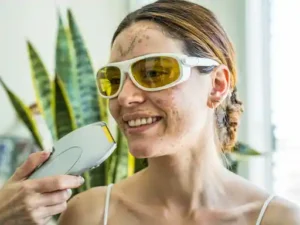
- Preparation: On the day of treatment, your skin will be thoroughly cleansed. A topical numbing cream may be applied to minimize discomfort, especially for more intense laser types. You will be given protective eyewear.
- During the Session: The practitioner will guide the laser handpiece over the targeted areas. You might feel a sensation similar to a rubber band snapping against your skin or a warm tingling. The duration varies depending on the size and number of areas being treated, typically ranging from 15 to 45 minutes.
- Post-Treatment: Immediately after, your skin may appear red, swollen, and the treated dark spots might temporarily look darker, almost like coffee grounds. A cooling gel or ice packs may be applied. Specific aftercare instructions will be provided.
Benefits of Laser Treatment for Dark Spots
Opting for laser treatment to remove dark spots on face offers several compelling advantages over other methods:
- High Effectiveness: Lasers can significantly reduce or even eliminate stubborn dark spots that are resistant to topical creams.
- Precision: Modern lasers precisely target melanin without harming surrounding healthy skin, leading to more uniform results.
- Speed: Each session is relatively quick, and results can often be seen after just a few treatments, though multiple sessions are common for optimal outcomes.
- Minimally Invasive: Most laser treatments for dark spots are non-surgical, meaning no incisions or extensive recovery periods.
- Improved Skin Texture: Beyond just removing dark spots, many laser treatments also stimulate collagen production, leading to overall smoother, firmer, and more youthful-looking skin.
- Long-Lasting Results: While new spots can form with continued sun exposure, the spots treated with laser often remain faded for a long time, especially with diligent sun protection.
Potential Risks and Side Effects
While laser treatment to remove dark spots on face is generally safe when performed by a qualified professional, it’s important to be aware of potential side effects:
- Temporary Redness and Swelling: This is common and usually resolves within a few hours to a few days.
- Darkening of Spots: Treated spots will often appear darker immediately after treatment before they begin to fade. This is a normal part of the process.
- Crusting or Scabbing: For some laser types, tiny scabs may form over the treated areas, which will naturally fall off within a week or two.
- Blistering: Less common, but possible, especially with more aggressive treatments or if aftercare instructions aren’t followed.
- Changes in Pigmentation (Hypopigmentation or Hyperpigmentation): Rarely, the treated area may become lighter (hypopigmentation) or darker (post-inflammatory hyperpigmentation) than the surrounding skin. This risk is higher for individuals with darker skin tones and emphasizes the importance of choosing an experienced practitioner.
- Scarring: Extremely rare, but a potential risk with any skin procedure, especially if the skin is picked or scratched during healing.
- Infection: Also rare, but possible if proper aftercare hygiene is not maintained.
Discussing these risks with your practitioner beforehand is essential to ensure you have realistic expectations and can make an informed decision.
Preparing for Your Laser Treatment
Proper preparation is key to maximizing the effectiveness and safety of your laser treatment to remove dark spots on face:
- Consult with a Qualified Professional: This is paramount. Choose a board-certified dermatologist or a medical aesthetician working under a doctor’s supervision who has extensive experience with laser treatments on various skin types.
- Avoid Sun Exposure: Stay out of direct sunlight and avoid tanning (including self-tanners) for at least 2-4 weeks before your appointment. Sun-tanned skin can absorb laser energy, increasing the risk of burns or hyperpigmentation. Always use a broad-spectrum sunscreen with SPF 30+.
- Discontinue Certain Skincare Products: Your practitioner may advise you to stop using retinoids, alpha hydroxy acids (AHAs), beta hydroxy acids (BHAs), and other exfoliating agents for a week or two before treatment, as these can make your skin more sensitive.
- Inform Your Practitioner of All Medications: Be open about any medications you are taking, including over-the-counter drugs, supplements, and especially any photosensitizing medications.
- Avoid Blood Thinners: If medically safe to do so, your doctor might recommend avoiding aspirin, ibuprofen, or other blood thinners for a few days before treatment to minimize bruising.
- Keep Your Skin Clean: On the day of the treatment, arrive with clean skin, free of makeup, lotions, or perfumes.
Post-Treatment Care and Recovery
The success of your laser treatment to remove dark spots on face largely depends on diligent aftercare. Following your practitioner’s instructions precisely is crucial for optimal results and to minimize side effects:
- Strict Sun Protection: This cannot be stressed enough. Your skin will be highly vulnerable to sun damage. Use a broad-spectrum sunscreen with SPF 30 or higher daily, reapply frequently, wear wide-brimmed hats, and seek shade. Sun exposure can cause new dark spots or worsen existing ones.
- Gentle Skincare: Cleanse your face with a mild, non-abrasive cleanser. Avoid harsh scrubs, exfoliants, or irritating ingredients like retinoids or strong acids until your skin has fully healed.
- Moisturize Regularly: Keep your skin well-hydrated with a gentle, fragrance-free moisturizer. This aids in the healing process and reduces dryness and flaking.
- Avoid Picking or Scratching: Do not pick at any scabs or crusts that form. Let them fall off naturally to prevent scarring and infection.
- Cool Compresses: Apply cool compresses to reduce swelling and discomfort.
- Avoid Strenuous Activities: For 24-48 hours, avoid heavy exercise, hot showers, saunas, and anything that significantly increases blood flow to the face, as this can exacerbate swelling.
- Follow-Up Appointments: Attend all scheduled follow-up appointments so your practitioner can monitor your healing and assess the results.
Is Laser Treatment To Remove Dark Spots On Face Right For You?
Deciding on laser treatment to remove dark spots on face is a personal choice that should be made after careful consideration and professional advice. It’s an excellent option for many individuals seeking a more uniform and brighter complexion, especially for those with stubborn pigmentation issues that haven’t responded to other treatments.
Factors to consider include:
- Skin Type: Some laser types are safer and more effective for certain skin tones.
- Type of Dark Spot: The specific type and depth of your hyperpigmentation will influence the recommended laser.
- Expectations: While highly effective, laser treatments require patience and realistic expectations regarding the number of sessions needed and the extent of improvement.
- Downtime Tolerance: Different lasers have varying recovery times.
- Cost: Laser treatments can be an investment, and multiple sessions are often required.
If you’re unsure, remember there are also non-laser alternatives like prescription topical creams, chemical peels, and microdermabrasion, which might be suitable for milder cases. However, for significant or resistant dark spots, laser technology often provides the most dramatic and lasting results.
Recommended Products
While laser treatment is done by professionals, proper at-home care, especially post-treatment, is crucial for healing and maintaining results. Here are some gentle, effective products often recommended to support your skin:
CeraVe Hydrating Facial Cleanser
A gentle, non-foaming cleanser that effectively removes impurities without stripping the skin, ideal for post-laser sensitive skin.
Vanicream Moisturizing Lotion
A dermatologist-recommended, fragrance-free, and non-comedogenic moisturizer perfect for sensitive, healing skin after laser treatment.
EltaMD UV Clear Facial Sunscreen Broad-Spectrum SPF 46
A lightweight, oil-free sunscreen with zinc oxide and niacinamide, perfect for post-treatment protection and sensitive, acne-prone skin.
FAQ Section
Here are answers to some frequently asked questions about laser treatment to remove dark spots on face:
Q1: How many sessions of laser treatment are typically needed to remove dark spots?
The number of sessions varies greatly depending on the type, size, depth, and color of the dark spots, as well as the specific laser used and your skin type. Most individuals require anywhere from 2 to 5 sessions, spaced 3-4 weeks apart, to achieve optimal results. Deeper pigmentation or melasma may require more sessions.
Q2: Is laser treatment to remove dark spots on face painful?
Most patients describe the sensation during laser treatment as tolerable discomfort, often likened to a rubber band snap or a series of quick pinpricks. The level of discomfort depends on the laser type, the treatment area, and individual pain tolerance. Topical numbing creams are frequently used to minimize any pain, making the experience more comfortable.
Q3: How long does the recovery process take after laser treatment for dark spots?
Recovery time varies depending on the intensity of the laser used. For non-ablative or IPL treatments, downtime is minimal, with redness and mild swelling lasting a few hours to a few days. The treated dark spots will typically darken and then flake off over 5-14 days. More aggressive ablative fractional lasers can have a recovery period of 1-2 weeks, involving more redness, swelling, and crusting.
Q4: Can dark spots come back after laser treatment?
While laser treatment can effectively remove existing dark spots, it doesn’t prevent new ones from forming. The most significant factor in preventing recurrence and new pigmentation is strict sun protection. Daily use of broad-spectrum sunscreen, wearing protective clothing, and avoiding peak sun hours are essential to maintain your results and protect your skin.
Q5: What is the typical cost of laser treatment to remove dark spots on face?
The cost of laser treatment for dark spots varies widely based on geographic location, the experience of the practitioner, the type of laser used, and the size of the treatment area. A single session can range from $200 to $800 or more. Since multiple sessions are usually required, the total cost can be several hundred to a few thousand dollars. Consult with your chosen clinic for a precise quote.
Conclusion
Laser treatment to remove dark spots on face stands as a highly effective and precise solution for those seeking to diminish unwanted hyperpigmentation and achieve a more uniform, luminous complexion. From sun spots and age spots to post-inflammatory hyperpigmentation and melasma, various laser technologies offer tailored approaches to target and break down excess melanin, revealing clearer skin underneath.
While the prospect of a brighter skin tone is exciting, it’s crucial to approach laser treatment with knowledge and realistic expectations. Understanding the different laser types, potential risks, and the importance of meticulous preparation and aftercare are all vital steps toward a successful outcome. Always prioritize consulting with a board-certified dermatologist or an experienced medical aesthetician to determine the best treatment plan for your specific skin type and concerns.
With the right professional guidance and a commitment to protecting your skin, particularly from sun exposure, laser treatment can be a transformative journey, empowering you to embrace a complexion that truly radiates confidence. Say goodbye to stubborn dark spots and hello to the clearer, more even-toned skin you’ve been dreaming of.