
Have you ever looked in the mirror and felt frustrated by those stubborn patches of discoloration on your skin? You’re not alone. Dark spots, medically known as hyperpigmentation, are a common skin concern that can affect anyone, regardless of skin type or tone. They can range from small freckle-like spots to larger, more widespread areas, often leading to a desire for more even-toned, radiant skin.
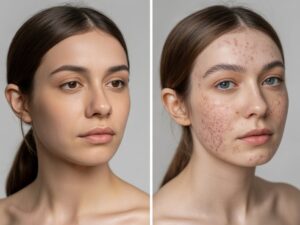
The journey to clearer skin is often marked by hope, persistence, and the search for effective solutions. Many people dream of seeing a dramatic Dark Spots Before After transformation, where their skin looks significantly brighter and more uniform. This comprehensive guide is designed to empower you with the knowledge and tools to understand, treat, and prevent hyperpigmentation, helping you achieve visible results and regain confidence in your complexion.
We’ll delve into the various causes of dark spots, explore a range of topical and professional treatments, and provide practical advice for preventing their recurrence. Get ready to uncover the secrets to a more even skin tone and discover how consistent care can lead to impressive Dark Spots Before After improvements.
Understanding Dark Spots: What Are They?
Dark spots are essentially areas of skin that have become darker than the surrounding skin. This occurs when there’s an overproduction of melanin, the pigment that gives our skin its color. When melanin is produced in excess or unevenly distributed, it can deposit in the skin, leading to visible discoloration.
Types of Hyperpigmentation
While often grouped under the umbrella term “dark spots,” hyperpigmentation can manifest in several distinct forms:
- Post-Inflammatory Hyperpigmentation (PIH): This is the most common type, occurring after skin inflammation or injury, such as acne breakouts, cuts, burns, or even aggressive exfoliation. The skin produces excess melanin in response to the trauma, leaving a dark mark once the original lesion heals.
- Melasma: Often referred to as the “mask of pregnancy,” melasma appears as symmetrical patches of brown or grayish-brown discoloration, typically on the face (cheeks, forehead, upper lip, chin). It’s primarily triggered by hormonal changes (pregnancy, birth control pills) combined with sun exposure.
- Sun Spots (Lentigines/Age Spots): These are flat, oval-shaped brown or black spots that appear on sun-exposed areas like the face, hands, shoulders, and arms. They are a direct result of prolonged sun exposure over time and become more prevalent with age.
- Freckles (Ephelides): Small, flat, tan or light brown spots that often appear in childhood and become more prominent with sun exposure. While benign, they are also a form of hyperpigmentation.
Common Causes of Dark Spots
Understanding the root cause is crucial for effective treatment and prevention. Here are the primary culprits behind dark spots:
- Sun Exposure: This is by far the biggest contributor to dark spots. UV radiation stimulates melanocytes (melanin-producing cells) to create more pigment as a protective mechanism, leading to sun spots and worsening other forms of hyperpigmentation like melasma and PIH.
- Inflammation and Injury: As mentioned, any trauma to the skin – from acne to insect bites to rashes – can trigger PIH. The body’s healing response involves an inflammatory process that can lead to melanin overproduction.
- Hormonal Changes: Fluctuations in hormones, particularly estrogen and progesterone, are a key factor in melasma. This is why it’s common during pregnancy, with the use of oral contraceptives, or during hormone replacement therapy.
- Certain Medications: Some drugs, like certain antibiotics, anti-malarial drugs, and even some anti-inflammatory medications, can cause photosensitivity, making the skin more prone to dark spots when exposed to the sun.
- Genetics: While not a direct cause, genetics can predispose individuals to hyperpigmentation. If your family members tend to develop dark spots, you might be more susceptible.
- Post-Inflammatory Erythema (PIE): While not technically a “dark spot” (it’s red/pink), PIE is often confused with PIH. It’s caused by damage to capillaries, common after acne, and requires different treatment approaches, though sometimes PIE can evolve into PIH.
The Journey to Clear Skin: Dark Spots Before After
The desire for a visible Dark Spots Before After transformation is powerful. It motivates many to seek solutions, but it’s important to set realistic expectations. Fading hyperpigmentation is a journey that requires patience, consistency, and often a multi-faceted approach. There’s no single overnight miracle cure, but with the right strategies, significant improvements are absolutely achievable.
Seeing those gradual but steady improvements can be incredibly rewarding. The “before” might be a photo of skin with noticeable discoloration, while the “after” showcases a more even, brighter, and healthier-looking complexion. The key is understanding that results vary based on the type, depth, and age of the dark spots, as well as individual skin response to treatments.
Topical Treatments for Dark Spots
Over-the-counter (OTC) and prescription topical treatments are often the first line of defense against dark spots. They work by inhibiting melanin production, accelerating skin cell turnover, or providing antioxidant protection.
- Hydroquinone: Considered the gold standard for hyperpigmentation, hydroquinone works by inhibiting tyrosinase, an enzyme critical for melanin production.
- Pros: Highly effective for many types of dark spots.
- Cons: Can cause irritation, photosensitivity, and in rare cases, ochronosis (bluish-black discoloration) with prolonged high-concentration use. Typically used for short periods under dermatologist supervision.
- Retinoids (Retinol, Tretinoin): Derivatives of Vitamin A, retinoids increase cell turnover, helping to shed pigmented cells faster. They also improve overall skin texture and tone.
- Pros: Effective for various dark spots, also offers anti-aging benefits.
- Cons: Can cause dryness, peeling, and increased sun sensitivity, especially when first introduced. Prescription tretinoin is stronger than OTC retinol.
- Vitamin C (Ascorbic Acid): A powerful antioxidant that brightens skin, inhibits tyrosinase, and protects against UV damage.
- Pros: Excellent for overall skin brightening, antioxidant protection, and collagen boost. Generally well-tolerated.
- Cons: Can be unstable and oxidize quickly; needs to be formulated correctly.
- Niacinamide (Vitamin B3): Works by preventing the transfer of melanin from melanocytes to skin cells (keratinocytes).
- Pros: Reduces hyperpigmentation, strengthens the skin barrier, reduces inflammation, and minimizes pores. Very well-tolerated by most skin types.
- Cons: May take longer to show significant results compared to hydroquinone.
- Alpha Hydroxy Acids (AHAs – Glycolic Acid, Lactic Acid): Exfoliate the top layer of skin, helping to shed pigmented cells and reveal brighter skin underneath.
- Pros: Improve skin texture, mild brightening, can enhance penetration of other ingredients.
- Cons: Can cause sensitivity, especially if overused. Always follow with sunscreen.
- Azelaic Acid: Possesses anti-inflammatory and antibacterial properties, and also inhibits tyrosinase.
- Pros: Great for PIH, especially related to acne and rosacea. Generally well-tolerated, even by sensitive skin.
- Cons: Can cause mild itching or burning initially.
- Kojic Acid: Derived from fungi, it inhibits tyrosinase activity.
- Pros: Effective for various types of hyperpigmentation.
- Cons: Can be irritating for some, and less stable in formulations than other ingredients.
- Tranexamic Acid: A newer ingredient gaining popularity, it works by interfering with the interaction between skin cells and melanocytes, particularly effective for melasma.
- Pros: Very promising for melasma, often well-tolerated.
- Cons: Can be found in higher concentrations in prescription forms.
Professional Treatments for Dark Spots
For more stubborn or widespread dark spots, professional treatments offered by dermatologists or licensed estheticians can provide more intensive and faster results, often yielding impressive Dark Spots Before After transformations.
- Chemical Peels: A chemical solution is applied to the skin, causing it to exfoliate and eventually peel off, revealing new, less pigmented skin underneath.
- Pros: Can effectively treat various dark spots, improve texture, and stimulate collagen. Multiple strengths available.
- Cons: Downtime (redness, peeling) can vary from a few days to a couple of weeks depending on peel depth. Risks include post-inflammatory hyperpigmentation if not done correctly or if proper aftercare isn’t followed.
- Laser Therapy (IPL, Fractional Lasers): Lasers use targeted light energy to break down melanin pigments in the skin. Intense Pulsed Light (IPL) is effective for sun spots, while fractional lasers (like Fraxel) are good for deeper pigmentation and overall skin rejuvenation.
- Pros: Highly effective for specific types of dark spots, can provide dramatic results.
- Cons: Can be costly, may require multiple sessions, and has downtime (redness, swelling, crusting). Not suitable for all skin tones, especially darker skin, due to PIH risk. A qualified professional is essential.
- Microneedling: Uses fine needles to create controlled micro-injuries in the skin, stimulating collagen production and improving the penetration of topical treatments.
- Pros: Can improve PIH and overall skin texture. Less risk of hyperpigmentation on darker skin types compared to some lasers.
- Cons: Can cause redness and mild swelling for a few days. Multiple sessions are needed.
Always consult a dermatologist before undergoing any professional treatment, especially if you have sensitive skin or a history of hyperpigmentation.
Lifestyle and Prevention Strategies
No matter what treatments you pursue, prevention and consistent lifestyle habits are paramount to maintaining a clear complexion and preventing new dark spots from forming.
- Strict Sun Protection: This is the most critical step.
- Use a broad-spectrum sunscreen with an SPF of 30 or higher every single day, rain or shine.
- Reapply every two hours, or more often if sweating or swimming.
- Wear protective clothing, wide-brimmed hats, and sunglasses.
- Seek shade, especially during peak sun hours (10 AM to 4 PM).
- Gentle Skincare: Avoid harsh scrubbing, picking at acne, or using irritating products, as these can trigger inflammation and lead to PIH. Treat your skin kindly.
- Antioxidant-Rich Diet: Eating a diet rich in antioxidants (fruits, vegetables) can help protect your skin from oxidative stress, which contributes to skin damage and hyperpigmentation.
- Consistency: Whatever treatment plan you choose, consistency is key. Results from topical treatments can take weeks to months to become visible.
Recommended Products
To help you on your journey to fading dark spots, here are some highly-regarded ingredients and product types that can make a difference. Remember to patch test new products and introduce them gradually.
Vitamin C Serum
A powerful antioxidant that brightens skin, reduces dark spots, and protects against environmental damage. Essential for a comprehensive dark spot regimen.
Niacinamide Serum
Helps to even out skin tone by reducing melanin transfer, strengthens the skin barrier, and minimizes inflammation, making it great for PIH.
Broad-Spectrum Sunscreen SPF 30+
The single most important product for preventing and managing dark spots. Look for “broad-spectrum” to protect against UVA and UVB rays.
Retinol Cream
Boosts cell turnover to shed pigmented cells and reveals brighter, smoother skin. Start with a lower concentration a few times a week.
AHA Exfoliant (Glycolic/Lactic Acid)
Gently exfoliates the skin’s surface, helping to remove dead, pigmented cells and improve overall radiance. Use a few times a week.
FAQ Section: Your Questions About Dark Spots Answered
Q1: How long does it take to see Dark Spots Before After results?
The timeline for seeing a noticeable Dark Spots Before After difference can vary significantly. For topical treatments, it typically takes 6-12 weeks of consistent use to see initial improvements, with more significant changes appearing over 3-6 months. Deeper or older dark spots, like melasma, might require even longer or professional intervention. Patience and adherence to your regimen are key.
Q2: Can dark spots be completely removed?
Many dark spots, especially those caused by sun exposure or post-inflammatory hyperpigmentation, can be significantly faded and often appear to be completely removed with consistent treatment. However, melasma can be particularly challenging and may require ongoing management, as it’s prone to recurrence. Complete removal often depends on the type, depth, and the individual’s response to treatment.
Q3: Are natural remedies effective for dark spots?
Some natural ingredients like licorice root extract, turmeric, and aloe vera have anecdotal evidence or limited scientific backing for their skin-brightening properties. They often work by inhibiting tyrosinase or providing anti-inflammatory benefits. While generally safer, their efficacy is usually milder and slower compared to scientifically proven active ingredients. Always exercise caution and patch test, as “natural” doesn’t always mean non-irritating.
Q4: What’s the most important step in preventing dark spots?
Without a doubt, daily and consistent sun protection is the most crucial step. UV radiation is the primary trigger for most dark spots and can worsen existing ones. Using a broad-spectrum SPF 30+ sunscreen every day, reapplying as needed, and seeking shade are non-negotiable for prevention and for ensuring your treatments are effective.
Q5: Can makeup effectively cover dark spots?
Yes, makeup can be a great temporary solution for covering dark spots while you’re treating them. Color correctors (e.g., orange or peach tones for darker spots) can neutralize discoloration, followed by a good foundation and concealer. This can boost confidence during the “before” phase of your journey, but it’s important to remember it’s a cosmetic fix, not a treatment.
Q6: Is it safe to use multiple dark spot treatments at once?
Combining treatments can be effective, but it requires caution. Using too many active ingredients simultaneously can lead to irritation, redness, and even worsen hyperpigmentation. It’s best to introduce one new active ingredient at a time and consult with a dermatologist, especially if you plan to combine powerful ingredients like retinoids with AHAs or hydroquinone. They can help create a safe and effective regimen tailored to your skin.
Conclusion: Embracing Your Journey to Radiant Skin
Achieving a significant Dark Spots Before After transformation is a realistic goal for many, but it’s a marathon, not a sprint. We’ve explored the diverse causes of hyperpigmentation, from sun exposure and inflammation to hormonal shifts, and delved into an array of effective treatments, both topical and professional. The key takeaway is that an informed, consistent, and patient approach will yield the best results.
Remember that sun protection is your ultimate ally in this battle, preventing new spots and protecting your progress. Whether you opt for a potent Vitamin C serum, a gentle AHA exfoliant, or consider a professional chemical peel, integrating these strategies into a consistent skincare routine is paramount. Don’t underestimate the power of daily dedication.
Finally, if you’re feeling overwhelmed or if your dark spots are particularly stubborn, don’t hesitate to seek the expertise of a board-certified dermatologist. They can provide a personalized diagnosis and treatment plan, guiding you towards the radiant, even-toned complexion you deserve. Your journey to clearer skin is a testament to self-care, and with the right knowledge and tools, a positive Dark Spots Before After story is well within your reach.