As devoted pet parents, we pay close attention to every detail of our furry friends’ health and well-being. So, when you notice something new, like dark spots on my dog’s skin, it’s natural for a wave of concern to wash over you. These spots can appear suddenly or gradually, ranging from small, almost invisible specks to larger, more prominent patches. While some dark spots are entirely benign, merely cosmetic variations, others can signal underlying health issues that require veterinary attention. Knowing the difference, and understanding what to look for, is crucial for your dog’s health.

This comprehensive guide will walk you through the various reasons why your dog might develop darkened skin or spots. We’ll explore common causes, from harmless pigmentation changes and age-related freckles to more serious conditions like infections, endocrine disorders, and even certain types of tumors. Our goal is to empower you with the knowledge to observe, recognize potential warning signs, and understand when it’s time to consult your veterinarian. Let’s delve into the fascinating world of canine skin and uncover the mysteries behind those dark spots on your dog.
Understanding Dark Spots On My Dog: What Could They Be?
Noticing dark spots on your dog can be perplexing, as their origins are incredibly diverse. These spots can stem from a variety of factors, including genetics, sun exposure, age, inflammation, and even more serious medical conditions. Understanding the potential causes is the first step toward determining the best course of action for your beloved pet.
Benign Causes of Dark Spots on Dogs
Many dark spots are harmless and don’t pose a threat to your dog’s health. These often include:
- Lentigo: Similar to human freckles or liver spots, these are small, flat, pigmented spots, usually black or brown. They are common in older dogs and certain breeds with light coats or short hair, such as Dachshunds and Pugs. They typically don’t change or grow rapidly.
- Hyperpigmentation: This is a darkening of the skin, often appearing as patches rather than distinct spots. It can be caused by chronic irritation, friction, or inflammation. Areas prone to rubbing, like armpits or inner thighs, can develop hyperpigmentation. It can also be a secondary symptom of underlying allergies, infections, or hormonal imbalances.
- Calluses: These are thickened, hardened, and often dark patches of skin that develop over pressure points, like elbows, hocks, or hips. They form as a protective response to repeated pressure or friction, especially in larger or older dogs who spend a lot of time on hard surfaces.
- Nipple Pigmentation: Just like humans, dogs can have pigmented nipples that appear as dark spots, especially in breeds with darker skin or fur. This is a normal anatomical variation.
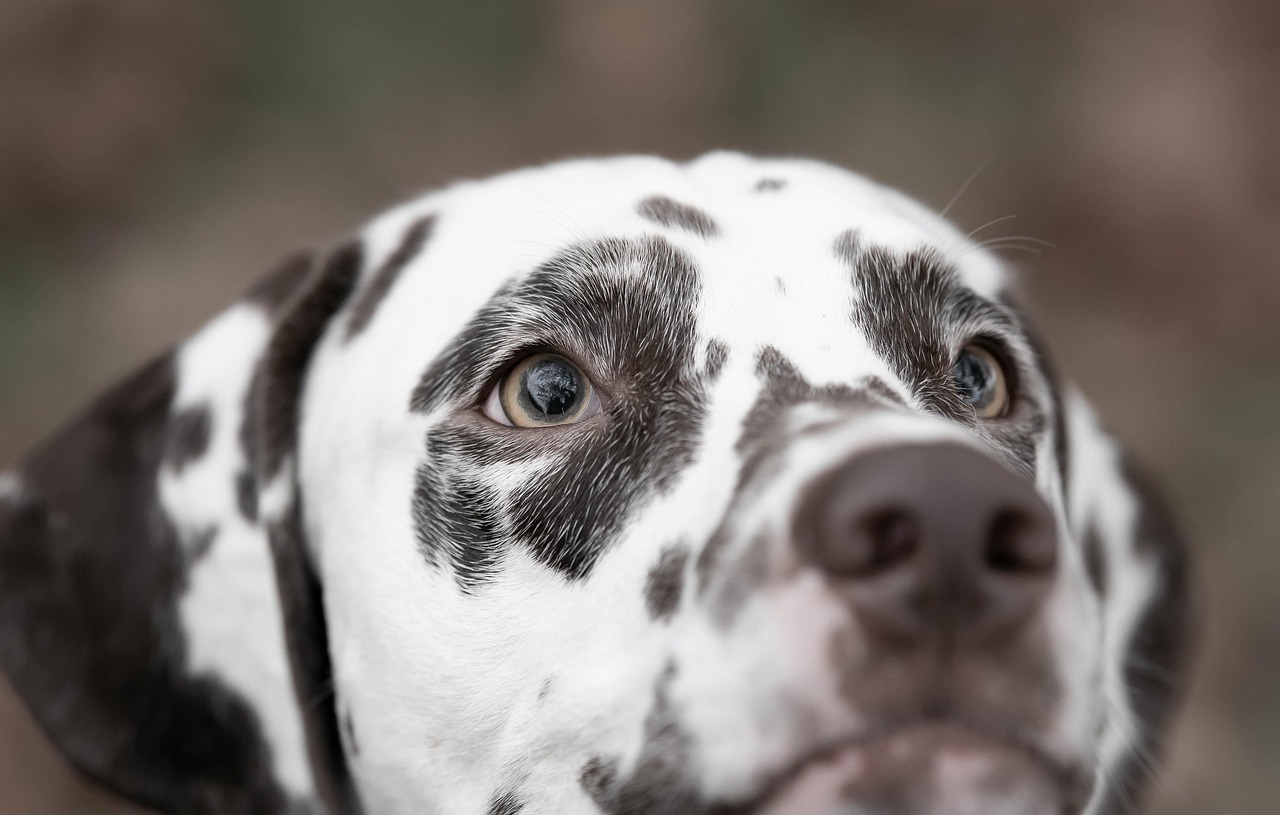
- Freckles/Birthmarks: Some dogs are simply born with pigmented spots or develop them early in life. These are often genetic and stable in appearance. Breeds like Dalmatians or Beagles frequently have spots.
- Post-inflammatory Hyperpigmentation: After a skin issue like an infection, allergic reaction, or injury has healed, the affected area may be left with a darkened patch of skin. This is the body’s natural response and usually fades over time.
More Serious Causes Requiring Vet Attention
While many dark spots are benign, some can be indicators of more serious health problems. It’s crucial to consult a vet if you suspect any of these:
- Melanoma: These are tumors arising from pigment-producing cells. They can be benign (melanocytomas) or malignant (malignant melanomas). Malignant melanomas are aggressive and often appear as dark, raised, irregular masses, frequently found in the mouth, on digits, or around mucocutaneous junctions.
- Mast Cell Tumors: These are one of the most common skin tumors in dogs and can vary greatly in appearance. While often red or skin-colored, they can sometimes present as dark or pigmented lesions. They may also change in size, appearing to swell and shrink.
- Squamous Cell Carcinoma: This is a malignant tumor often associated with sun exposure, particularly in light-skinned, short-haired breeds. It can appear as a dark, crusty, non-healing sore, especially on the nose, ear tips, or abdomen.
- Bacterial or Fungal Infections: Certain infections can lead to darkened skin patches. For example, some fungal infections (like ringworm) or yeast infections (Malassezia dermatitis) can cause hyperpigmentation, scaling, and itching, sometimes appearing as black spots on dog’s skin.
- Endocrine Disorders: Conditions like Cushing’s disease (hyperadrenocorticism) or hypothyroidism can lead to changes in skin pigmentation, causing generalized darkening or specific dark patches, often accompanied by hair loss and other systemic signs.
- Parasitic Infestations: Severe flea infestations or demodectic mange can cause intense itching, inflammation, and secondary bacterial infections, all of which can lead to areas of thickened, darkened skin.
- Autoimmune Diseases: Rare but serious conditions like discoid lupus erythematosus can cause lesions on the face and nose that might appear dark or depigmented around the edges.
When to See the Vet for Dark Spots
It’s always best to err on the side of caution when you notice new or changing dark patches on your dog’s skin. You should schedule a veterinary visit promptly if you observe any of the following:
- The spot is rapidly growing in size.
- The spot changes in color, shape, or texture.
- The spot is raised, lumpy, or irregular in appearance.
- The spot is bleeding, oozing, crusty, or ulcerated.
- Your dog is scratching, licking, or chewing the spot excessively.
- The spot appears painful to the touch.
- There are multiple new spots appearing suddenly.
- The dark spots are accompanied by other symptoms like lethargy, appetite changes, or unexplained weight loss.
Diagnosing Dark Spots On My Dog: What to Expect at the Vet
When you bring your dog to the vet for dark spots on their skin, your veterinarian will conduct a thorough examination and may recommend several diagnostic tests to pinpoint the cause. This process is crucial for accurate diagnosis and effective treatment.
- Physical Examination: The vet will examine the spots, noting their size, location, texture, and any associated symptoms. They’ll also check your dog’s overall health, including lymph nodes and general skin condition.
- Cytology: For raised or suspicious lesions, the vet might perform a fine needle aspirate (FNA). This involves taking a small sample of cells from the spot using a tiny needle and examining them under a microscope. This can help identify inflammatory cells, bacteria, yeast, or certain types of tumor cells.
- Biopsy: If cytology is inconclusive or if a tumor is suspected, a biopsy may be recommended. This involves surgically removing a small piece of the lesion (or the entire lesion) for histopathological examination by a veterinary pathologist. This is the most definitive way to diagnose many skin conditions, including cancer.
- Skin Scrapings & Fungal Cultures: If an infection or parasitic infestation is suspected, the vet may take a skin scraping to look for mites under a microscope or collect samples for fungal cultures.
- Blood Work & Urinalysis: For widespread hyperpigmentation or if systemic illness (like an endocrine disorder) is suspected, blood tests (e.g., thyroid panel, adrenal function tests) and urinalysis can provide valuable insights into your dog’s internal health.
- Allergy Testing: If chronic irritation and hyperpigmentation are linked to allergies, your vet might discuss allergy testing or elimination diets to identify triggers.
Treatment Options for Dark Spots on My Dog
The treatment for dark spots on your dog depends entirely on the underlying cause. Once a diagnosis is made, your vet will recommend the most appropriate course of action.
Benign Spot Management
- Monitoring: For harmless lentigo or stable birthmarks, no treatment may be necessary beyond regular monitoring for changes.
- Moisturizers and Soft Bedding: For calluses, applying specific paw balms or moisturizers can help soften the skin. Providing soft bedding can reduce pressure and prevent new calluses from forming or existing ones from worsening.
- Addressing Underlying Irritation: If hyperpigmentation is due to chronic inflammation (e.g., allergies or friction), treating the primary cause will prevent further darkening and may help existing areas lighten over time. This might involve allergy medications, special shampoos, or managing obesity to reduce skin folds.
Medical and Surgical Interventions
- Surgical Removal: Malignant tumors (like malignant melanomas or some mast cell tumors) often require surgical removal with wide margins to ensure all cancerous cells are excised. Benign but bothersome growths might also be removed.
- Medications for Infections: Bacterial infections will be treated with antibiotics (oral or topical), while fungal or yeast infections will require antifungals.
- Corticosteroids and Anti-inflammatories: For inflammatory conditions, steroids or other anti-inflammatory drugs might be prescribed to reduce swelling, itching, and subsequent hyperpigmentation.
- Chemotherapy/Radiation: For certain types of aggressive cancers, chemotherapy or radiation therapy may be recommended in conjunction with or after surgery to prevent recurrence or spread.
- Hormone Therapy: If an endocrine disorder is the cause, medication to manage hormone levels (e.g., thyroid hormone supplements for hypothyroidism or drugs for Cushing’s) will be prescribed, which can lead to improvement in skin condition.
- Parasite Treatment: Specific medications (e.g., topical or oral treatments) will be used to eliminate fleas, mites, or other parasites.
Preventing Certain Dark Spots and Promoting Skin Health
While not all dark spots on your dog are preventable, especially those due to genetics or aging, you can take proactive steps to promote overall skin health and reduce the risk of certain conditions:
- Regular Grooming and Skin Checks: Make it a habit to regularly inspect your dog’s skin during grooming or petting. Look for new lumps, bumps, changes in existing spots, or areas of irritation. Early detection is key!
- Balanced Diet: A high-quality, balanced diet rich in essential fatty acids (like Omega-3s) can significantly contribute to healthy skin and coat, reducing inflammation and supporting the skin barrier.
- Sun Protection: For dogs with thin coats or light skin, especially those prone to sun exposure, consider dog-specific sunscreen or protective clothing during peak sun hours to prevent sun-induced skin cancers like squamous cell carcinoma.
- Effective Parasite Prevention: Consistent use of flea, tick, and heartworm preventatives will protect your dog from infestations that can lead to skin irritation and secondary infections.
- Prompt Treatment of Skin Issues: Don’t let allergies, hot spots, or minor infections linger. Addressing these issues quickly can prevent chronic inflammation and subsequent hyperpigmentation.
- Weight Management: Maintaining a healthy weight can reduce friction and pressure on joints, thereby minimizing the formation of calluses and skin fold dermatitis.
- Soft Bedding: Provide comfortable, soft bedding for your dog, especially if they are large, older, or spend a lot of time resting, to prevent pressure point calluses.
Recommended Products
While there aren’t direct “dark spot removal” products for dogs like there are for humans, certain products can support overall skin health, manage conditions that lead to dark spots, or help with related issues. Always consult your vet before introducing new supplements or treatments.
Omega-3 Fish Oil Supplement for Dogs
Supports healthy skin and coat, reduces inflammation, and can help manage conditions that lead to hyperpigmentation. Choose a high-quality, vet-approved brand.
Hypoallergenic Dog Shampoo for Sensitive Skin
Gentle shampoos can help manage allergies and skin irritation, preventing secondary infections and post-inflammatory hyperpigmentation. Look for fragrance-free, oat-based options.
Dog Paw and Elbow Balm
Ideal for softening and moisturizing calluses on elbows and hocks, which can appear as dark, hardened spots. Helps prevent cracking and discomfort.
Dog Sunscreen
For light-skinned or short-haired dogs, a pet-safe sunscreen can protect against sun damage and reduce the risk of sun-induced skin cancers and hyperpigmentation in exposed areas.
Frequently Asked Questions About Dark Spots On My Dog
Q1: Are all dark spots on dogs cancerous?
No, absolutely not. Many dark spots on dogs are entirely benign, such as lentigo (freckles), calluses, or post-inflammatory hyperpigmentation. While some dark spots can be cancerous, it’s crucial not to panic. A thorough veterinary examination and diagnostic tests are needed to determine the true nature of any suspicious spot.
Q2: Can diet affect dark spots on dogs?
Indirectly, yes. A poor diet can lead to skin issues, allergies, or dull coats, which can then cause inflammation or chronic irritation. This, in turn, can result in secondary hyperpigmentation (darkening of the skin). A balanced diet rich in essential fatty acids supports overall skin health and can help prevent such issues. However, diet typically doesn’t directly cause or cure primary dark spots like lentigo or tumors.
Q3: How can I tell if a dark spot is serious?
While only a vet can definitively tell, you should be concerned if a dark spot is rapidly growing, changing in shape or color, bleeding, oozing, crusty, painful, or causing your dog to excessively lick or scratch it. Any new, raised, or irregular lump should also prompt a vet visit. Benign spots usually remain stable over time.
Q4: Should I try home remedies for dark spots on my dog?
It’s generally not recommended to try home remedies without veterinary consultation. Misdiagnosing the cause of a dark spot could delay crucial treatment for a serious condition. For benign issues like calluses, vet-approved balms can help. For other spots, especially those that are growing or changing, professional diagnosis and treatment are essential. Always consult your vet first.
Q5: Do certain dog breeds get more dark spots?
Yes, some breeds are more predisposed. For instance, breeds like Dachshunds, Pugs, Beagles, and Golden Retrievers are known to develop lentigo (freckles) more commonly. Large breeds or those with a tendency for obesity might be more prone to calluses. Dogs with light skin and short coats are also more susceptible to sun-induced skin damage and related pigmentation issues.
Q6: Can dark spots appear suddenly?
Yes, some dark spots can appear quite suddenly. For example, a new inflammatory lesion might quickly develop post-inflammatory hyperpigmentation. However, rapidly appearing dark, raised, or irregular spots, especially if they grow quickly, should always be evaluated by a veterinarian immediately, as they could indicate a more serious underlying condition.
Conclusion: Vigilance is Key for Your Dog’s Skin Health
Discovering dark spots on my dog can be a source of anxiety, but as we’ve explored, not all spots are created equal. While many are harmless, a significant number can signal underlying issues that require professional attention. The most important takeaway is to remain vigilant: regularly inspect your dog’s skin, pay attention to any changes in existing spots, and note the appearance of new ones. Your keen observation skills are your first line of defense in protecting your dog’s health.
Remember, self-diagnosis can be risky. If you’re ever in doubt about a dark spot on your dog, the best course of action is always to consult your veterinarian. They have the expertise and diagnostic tools to accurately identify the cause and recommend the most appropriate treatment plan. Early detection and intervention can make a world of difference, especially when dealing with more serious conditions. By staying informed and proactive, you can ensure your beloved canine companion receives the best possible care, keeping their skin, and their entire body, healthy and happy for years to come.