
In the quest for flawless, radiant skin, dark spots often stand as a stubborn hurdle. Whether they’re sun spots, age spots, or post-inflammatory hyperpigmentation, these pigmentary concerns can affect our confidence and desire for an even complexion. Fortunately, modern dermatology offers powerful solutions, with laser treatment emerging as one of the most effective methods for targeting and reducing these unwelcome marks.
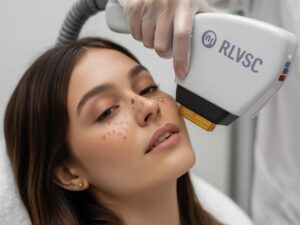
But as with any advanced cosmetic procedure, a primary question often surfaces how much is laser treatment for dark spots This isn’t a simple question with a single answer, as the cost can vary widely based on numerous factors. From the type of laser used to the size of the treated area and your geographic location, understanding these variables is key to budgeting for your skin transformation journey.
This comprehensive guide will demystify the costs associated with laser treatment for dark spots in the USA. We’ll explore the different types of lasers, the factors that influence pricing, what you can expect during and after treatment, and provide practical advice to help you make an informed decision. Get ready to uncover everything you need to know about investing in clearer, more uniform skin.
Understanding Dark Spots and Laser Treatment
What Are Dark Spots?
Dark spots, scientifically known as hyperpigmentation, are areas of the skin where excess melanin has been produced, resulting in patches that are darker than the surrounding skin. These can manifest in various forms:
- Sun Spots (Lentigines): Caused by prolonged sun exposure, commonly appearing on the face, hands, and décolletage.
- Post-Inflammatory Hyperpigmentation (PIH): Dark marks left behind after skin inflammation or injury, such as acne, eczema, or cuts.
- Melasma: A common skin problem characterized by brown or gray-brown patches, usually on the face, often triggered by hormonal changes (pregnancy, birth control) and sun exposure.
- Freckles: Small, flat brown spots that are usually hereditary and become more prominent with sun exposure.
While generally harmless, dark spots can be a cosmetic concern for many, prompting the search for effective removal methods.
How Does Laser Treatment Work for Dark Spots?
Laser treatment for dark spots utilizes focused light energy to target and break down the melanin pigments responsible for the discoloration. The laser emits specific wavelengths of light that are absorbed by the melanin, heating it up and shattering it into tiny particles. These particles are then naturally cleared away by the body’s immune system, leading to a lightening or complete disappearance of the dark spot.
Several types of lasers and light-based therapies are used for dark spots, each with unique mechanisms and suitability for different pigment types and skin tones:
- IPL (Intense Pulsed Light): While not a true laser, IPL uses broad-spectrum light to treat sun spots, freckles, and general redness. It’s effective for superficial pigmentation.
- Q-Switched Lasers (e.g., Nd:YAG): Deliver high-energy pulses in very short durations, ideal for breaking down stubborn, deeper pigments like those found in tattoos and some dark spots.
- PicoSure/PicoWay Lasers (Picosecond Lasers): These advanced lasers deliver energy in picoseconds (trillionths of a second), creating a photoacoustic effect that shatters pigment more efficiently with less heat, often resulting in fewer sessions and less downtime. Excellent for various dark spots and melasma.
- Fractional Lasers (e.g., Fraxel): These lasers create microscopic treatment zones, stimulating the body’s natural healing process to replace damaged skin cells with new, healthy ones. They are effective for texture improvement, fine lines, and pigmentation like melasma.
How Much Is Laser Treatment For Dark Spots? – The Core Breakdown
The question of how much is laser treatment for dark spots is at the forefront of many patients’ minds. In the USA, the cost can range significantly. It’s crucial to understand that these are estimates, and a personalized quote from a qualified practitioner is always recommended.
Average Cost Ranges in the USA
Generally, you can expect the cost for laser dark spot removal to fall within these ranges per session:
- IPL (Intense Pulsed Light): $200 – $600 per session. Often used for widespread sun damage and multiple spots.
- Q-Switched Lasers: $250 – $700 per session. Good for targeted, specific dark spots.
- Picosecond Lasers (PicoSure/PicoWay): $400 – $1,000+ per session. Higher cost due to advanced technology and often fewer sessions needed.
- Fractional Lasers (Fraxel, Clear + Brilliant): $500 – $1,500+ per session. Often used for melasma or combined with texture improvement.
Most dark spot concerns require multiple sessions (typically 3-5, sometimes more) to achieve optimal results, so the total cost will be a cumulative figure.
What’s Included in the Price?
When you receive a quote for laser treatment for dark spots, it usually encompasses several components:
- Consultation Fee: Some clinics charge a separate fee ($50-$150) for the initial consultation, which may or may not be applied toward the treatment cost if you proceed.
- The Laser Session Itself: This covers the use of the laser equipment and the practitioner’s time.
- Topical Anesthetic: Numbing cream may be applied before the procedure to enhance comfort.
- Post-Treatment Care: Sometimes includes soothing balms or instructions for aftercare.
- Follow-up Appointments: Some packages might include a complimentary follow-up to assess results.
Always clarify what is included in the quoted price to avoid surprises.
Key Factors Influencing the Cost of Laser Dark Spot Removal
Understanding the variables that dictate how much is laser treatment for dark spots will help you budget effectively and choose the right provider.
Type of Laser Technology Used
As discussed, different lasers have different costs. More advanced or specialized lasers (like picosecond or fractional) typically cost more per session due to their technology, efficacy, and precision.
Size and Number of Dark Spots
Treating a few small sun spots on the back of your hand will naturally be less expensive than addressing widespread melasma across your entire face. The size of the treatment area directly impacts the time and resources required.
Number of Sessions Required
Most dark spots require a series of treatments for optimal results. Mild pigmentation might clear in 1-2 sessions, while deeper, more stubborn spots or melasma could need 4-6+ sessions. The total cost will multiply based on the number of sessions.
Geographic Location
The cost of living and operating a medical practice varies significantly across the USA. Clinics in major metropolitan areas like New York City, Los Angeles, or Miami generally have higher prices than those in smaller towns or rural areas.
Practitioner’s Expertise and Clinic Reputation
Highly experienced, board-certified dermatologists or plastic surgeons operating in reputable clinics may charge more for their expertise and the assurance of safety and effective results. Medspas or clinics with less experienced staff might offer lower prices, but it’s crucial to prioritize safety and results when dealing with laser treatments.
Package Deals vs. Per-Session Payments
Many clinics offer discounts if you purchase a package of multiple sessions upfront. While this requires a larger initial investment, it often reduces the per-session cost, making the overall treatment more affordable.
Pros and Cons of Laser Treatment for Dark Spots
Before committing to laser treatment, it’s wise to weigh its advantages and disadvantages.
The Bright Side: Benefits of Laser Treatment
- Highly Effective: Lasers can significantly reduce or eliminate many types of dark spots that topical creams can’t.
- Precision: Lasers can target specific spots without damaging surrounding skin.
- Relatively Quick: Sessions are typically short, ranging from 15 to 45 minutes, depending on the area.
- Improves Skin Texture: Many lasers also stimulate collagen production, leading to overall skin rejuvenation and improved texture.
- Long-Lasting Results: Once cleared, dark spots are often permanently removed, though new ones can form with future sun exposure.
The Other Side: Potential Drawbacks & Considerations
- Cost: As we’ve extensively discussed, the investment can be significant, especially for multiple sessions.
- Downtime: Depending on the laser and intensity, you might experience redness, swelling, scabbing, or temporary darkening of spots for several days to a week or more.
- Multiple Sessions: Achieving desired results often requires a series of treatments, not just one.
- Potential Side Effects: While rare with a skilled practitioner, risks include temporary hyperpigmentation (especially in darker skin types if not treated correctly), hypopigmentation (lightening), blistering, or scarring.
- Not Suitable for All Skin Types: Some lasers are not safe for darker skin tones due to a higher risk of hyperpigmentation or hypopigmentation. A thorough consultation is essential.
- Sun Sensitivity: Treated skin will be more sensitive to the sun, requiring diligent sun protection to prevent new dark spots.
Preparing for Your Laser Treatment and Aftercare
Proper preparation and aftercare are crucial for maximizing results and minimizing complications when undergoing laser treatment for dark spots.
Before the Session
- Consultation: This is non-negotiable. A qualified dermatologist or practitioner will assess your skin type, the type of dark spots, and determine the most appropriate laser. They will also discuss realistic expectations and potential risks.
- Avoid Sun Exposure: For at least 2-4 weeks before treatment, avoid direct sun exposure and use broad-spectrum SPF 30+ daily. Tanned skin can increase the risk of complications.
- Stop Certain Products: You may be advised to stop using retinoids, AHAs/BHAs, or other exfoliating products a week or two prior to your appointment.
- Inform Your Provider: Disclose all medications, supplements, and any medical conditions (e.g., history of cold sores) to your provider.
Post-Treatment Care
- Sun Protection is Paramount: This is the most critical step. Use a broad-spectrum sunscreen with SPF 30 or higher daily, even indoors, and wear protective clothing/hats. New dark spots can form easily on treated skin.
- Gentle Skincare: Cleanse with a mild, non-irritating cleanser and moisturize regularly. Avoid harsh scrubs, exfoliants, or active ingredients like retinoids for a period recommended by your provider.
- Avoid Picking or Scratching: Treated areas may form tiny scabs or feel rough. Let them heal naturally to prevent scarring or new discoloration.
- Keep Skin Hydrated: Use a rich, soothing moisturizer to aid healing and comfort.
- Follow All Instructions: Your practitioner will provide specific aftercare instructions. Adhere to them diligently.
When Will You See Results?
Results are not immediate. Dark spots may initially darken before they begin to fade. This is a normal part of the healing process as the shattered pigment rises to the surface. You’ll typically start to see fading within 1-2 weeks after treatment, with full results becoming apparent over several weeks to months as your body clears the pigment. Multiple sessions will show progressive improvement.
Recommended Products
EltaMD UV Clear Broad-Spectrum SPF 46
A highly recommended, lightweight, mineral-based sunscreen perfect for post-laser and daily use, especially for sensitive or acne-prone skin.
A gentle, fragrance-free, non-comedogenic moisturizer ideal for soothing and hydrating skin after laser treatments.
A mild, non-foaming cleanser that effectively cleanses without stripping the skin’s natural moisture barrier, perfect for sensitive post-procedure skin.
While not for immediate post-laser use, a high-quality Vitamin C serum can be introduced later to help prevent future dark spots and enhance overall skin radiance.
Frequently Asked Questions About Laser Treatment for Dark Spots
Here are answers to common questions about how much is laser treatment for dark spots and the procedure itself.
Is laser treatment for dark spots permanent?
For many types of dark spots, such as sun spots and freckles, the results of laser treatment can be permanent once the pigment is cleared. However, it’s crucial to understand that new dark spots can form if your skin is exposed to the sun or if underlying factors (like hormones in the case of melasma) are not managed. Consistent sun protection is key to maintaining results.
Does laser treatment for dark spots hurt?
The sensation during laser treatment is often described as a snapping or rubber band sensation against the skin. Most patients find it tolerable, especially with the use of topical numbing creams applied before the procedure. Modern lasers also often incorporate cooling devices to enhance comfort. Pain tolerance varies from person to person.
How many sessions are typically needed for dark spots?
The number of sessions depends on the type, depth, and severity of the dark spots, as well as the laser technology used. Superficial sun spots might fade significantly in 1-2 sessions, while deeper or more widespread pigmentation like melasma typically requires 3-6 sessions or more, spaced several weeks apart.
Is laser treatment safe for all skin types?
Not all laser treatments are suitable for all skin types, particularly darker skin tones. Some lasers carry a higher risk of post-inflammatory hyperpigmentation (darkening) or hypopigmentation (lightening) in individuals with more melanin. It’s essential to consult with a board-certified dermatologist who has experience treating diverse skin types and can recommend the safest and most effective laser for you.
Can dark spots return after laser treatment?
While the treated dark spots are often permanently removed, it’s possible for new ones to appear if the skin is re-exposed to triggers like UV radiation. For conditions like melasma, which have hormonal components, recurrence is more common and requires ongoing management, often including strict sun protection and maintenance treatments.
Is laser treatment for dark spots covered by insurance?
Generally, no. Laser treatment for dark spots is considered a cosmetic procedure and is not typically covered by health insurance. You will be responsible for the full cost. However, some clinics offer financing options or payment plans to help manage the expense.
Conclusion: Investing in Clearer Skin
The journey to clearer, more even-toned skin often involves exploring advanced treatments like laser therapy. When asking how much is laser treatment for dark spots, it’s clear there’s no single price tag. The cost is a dynamic figure, influenced by the specific laser technology, the extent of your pigmentation, the number of sessions required, and even where you live.
While the investment can be significant, the potential for remarkable, long-lasting results makes it a worthwhile consideration for many. Remember, the true value isn’t just in the dollar amount, but in the expertise of your practitioner, the safety of the procedure, and the confidence you gain from a radiant complexion. Prioritize a thorough consultation with a board-certified dermatologist or a highly qualified medical professional.
They can accurately assess your skin, recommend the most suitable treatment plan, and provide a precise cost estimate tailored to your unique needs. With realistic expectations and diligent aftercare, laser treatment can be an incredibly effective step towards achieving the clear, beautiful skin you desire.
“`