
Dark spots, scientifically known as hyperpigmentation, are a common skin concern that can affect people of all skin types and tones. Whether they’re the result of sun exposure, acne scars, or hormonal changes, these stubborn marks can make your complexion appear uneven and dull. If you’ve been searching for an effective way to fade these spots and reveal brighter, more radiant skin, you’ve likely considered or heard about using a scrub for dark spots.
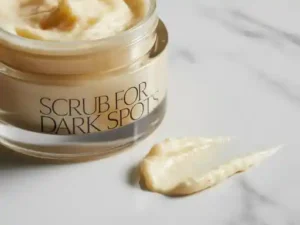
Exfoliation is a cornerstone of any effective skincare routine aimed at treating hyperpigmentation. By removing dead skin cells from the surface, scrubs can help accelerate cell turnover, allowing newer, lighter skin cells to emerge. But with so many products and methods available, how do you choose the right approach? This comprehensive guide will delve into everything you need to know about using a scrub for dark spots, including understanding their causes, selecting the best products, proper application techniques, and crucial tips to ensure your journey to clearer skin is both safe and effective. Get ready to transform your skincare routine and unveil a more luminous complexion!
Understanding Dark Spots: What Are They and Why Do They Appear?
Before diving into how a scrub for dark spots can help, it’s essential to understand what dark spots are and why they form. Dark spots are essentially areas of the skin where excess melanin (the pigment that gives skin its color) has been produced and deposited. This overproduction can be triggered by various factors, leading to different types of hyperpigmentation.
Types of Dark Spots
- Post-inflammatory Hyperpigmentation (PIH): These spots appear after an inflammatory skin condition, such as acne, eczema, or even a cut or burn. As the skin heals, it can produce too much melanin, leaving behind a dark mark.
- Sun Spots (Solar Lentigines): Also known as age spots or liver spots, these are typically caused by prolonged exposure to ultraviolet (UV) light from the sun. They often appear on sun-exposed areas like the face, hands, and décolletage.
- Melasma: This type of hyperpigmentation presents as larger, often symmetrical patches of dark skin, commonly on the face. Melasma is often triggered by hormonal changes (e.g., pregnancy, birth control) combined with sun exposure.
Causes of Hyperpigmentation
The root cause of all dark spots is an overproduction of melanin, often initiated by:
- Sun Exposure: The most common culprit. UV radiation stimulates melanocytes (melanin-producing cells) to produce more pigment as a protective mechanism.
- Inflammation and Injury: As seen with PIH, any trauma or inflammation to the skin can lead to increased melanin production during the healing process.
- Hormonal Fluctuations: Estrogen and progesterone can stimulate melanin production, especially when combined with sun exposure, leading to melasma.
- Certain Medications: Some drugs can cause photosensitivity or trigger hyperpigmentation as a side effect.
Understanding the type and cause of your dark spots can help you choose the most effective treatment, including the right approach to using a scrub for dark spots.
The Role of Exfoliation in Treating Dark Spots
Exfoliation is a crucial step in any routine targeting hyperpigmentation. It helps to shed the upper layers of the skin, where much of the excess melanin is concentrated, thereby promoting a more even skin tone. When people refer to a “scrub,” they are generally thinking of physical exfoliation. However, it’s important to understand the different forms of exfoliation and their benefits.
How Exfoliation Works
Our skin naturally renews itself, but this process slows down with age. Exfoliation speeds up this cellular turnover. By removing dead skin cells, it:
- Reveals fresher, brighter skin underneath.
- Helps to break up and reduce the appearance of pigmented cells.
- Improves the penetration of other active ingredients (like serums for dark spots).
- Smoothes skin texture.
Physical Scrubs vs. Chemical Exfoliants
When seeking a scrub for dark spots, you’ll encounter two main categories of exfoliants:
- Physical Scrubs: These use small particles (like sugar, salt, jojoba beads, or finely milled powders) to manually buff away dead skin cells. While satisfying, it’s crucial to choose a gentle scrub for dark spots. Harsh, abrasive scrubs with irregular particles (like crushed nut shells) can create micro-tears in the skin, leading to more inflammation and potentially worsening dark spots.
- Chemical Exfoliants: These use acids to dissolve the bonds between dead skin cells, allowing them to shed naturally. They can be very effective for dark spots and are often gentler than aggressive physical scrubs.
- Alpha Hydroxy Acids (AHAs): Such as glycolic acid, lactic acid, and mandelic acid. These are water-soluble and work primarily on the skin’s surface, making them excellent for fading sun spots and improving overall skin texture and brightness.
- Beta Hydroxy Acids (BHAs): Primarily salicylic acid. This is oil-soluble, allowing it to penetrate deeper into pores. It’s particularly effective for PIH caused by acne, as it helps clear pores and reduce inflammation.
For treating dark spots, a well-formulated chemical exfoliant or a very gentle physical scrub for dark spots is often recommended. Many products marketed as “scrubs” now combine mild physical exfoliation with chemical exfoliants for a multi-faceted approach.
The Benefits of Using a Scrub (When Done Correctly)
Used properly, a scrub for dark spots can offer significant benefits:
- Fades Hyperpigmentation: Directly helps to shed pigmented cells, making dark spots less noticeable over time.
- Evens Skin Tone: Promotes a more uniform complexion by removing dull, dead skin cells.
- Boosts Radiance: Reveals brighter, fresher skin for a healthy glow.
- Enhances Product Absorption: Prepares the skin to better absorb serums and treatments designed to further target dark spots.
- Improves Skin Texture: Smoothes rough patches and refines the skin’s surface.
Choosing the Right Scrub for Dark Spots
Selecting the ideal dark spot remover scrub requires careful consideration of your skin type, the type of dark spots you have, and the ingredients in the product. The goal is to exfoliate effectively without causing irritation or further inflammation.
Key Ingredients to Look For
Beyond the exfoliating agents (AHAs, BHAs, or gentle particles), look for scrubs and exfoliating treatments that include ingredients known for their brightening and spot-fading properties:
- Glycolic Acid: A powerful AHA that exfoliates the surface, brightens, and improves skin texture.
- Lactic Acid: A milder AHA, also good for hydration, making it suitable for sensitive skin.
- Salicylic Acid: A BHA ideal for acne-prone skin and PIH, as it penetrates oil to exfoliate pores.
- Vitamin C (Ascorbic Acid): A potent antioxidant that inhibits melanin production and brightens the skin. Often found in serums to be used after exfoliation.
- Niacinamide (Vitamin B3): Reduces inflammation, improves skin barrier function, and helps prevent melanin transfer to skin cells.
- Licorice Root Extract: A natural ingredient known for its skin-brightening and anti-inflammatory properties.
- Kojic Acid: Derived from fungi, it inhibits melanin production and is effective for various forms of hyperpigmentation.
- Enzymes (e.g., Papain, Bromelain): Gentle exfoliating alternatives, often found in enzyme peels or masks, suitable for sensitive skin.
What to Avoid
When searching for a facial scrub for dark spots, be wary of:
- Harsh Abrasives: Large, irregularly shaped particles like crushed nut shells or fruit pits can cause micro-tears and irritation, potentially worsening dark spots.
- Excessive Fragrance and Dyes: These can be irritating to sensitive skin and trigger inflammatory responses.
- Overly Aggressive Formulas: If a scrub feels too harsh or leaves your skin red and tight, it’s likely too strong.
Patch Testing and Skin Type Considerations
Always perform a patch test on a small, inconspicuous area of your skin (e.g., behind the ear or on your inner arm) before applying a new scrub to your entire face. Wait 24-48 hours to check for any adverse reactions.
- Oily/Acne-Prone Skin: May benefit from BHAs (salicylic acid) to address PIH and control oil.
- Dry/Sensitive Skin: Opt for milder AHAs (lactic acid) or enzyme-based exfoliants, and gentle physical scrubs with fine, spherical particles.
- Normal/Combination Skin: Can generally tolerate a wider range of exfoliants, but still prioritize gentleness.
How to Incorporate a Scrub into Your Skincare Routine for Best Results
Integrating a scrub for dark spots into your routine correctly is vital to achieve the desired results without causing irritation or exacerbating your skin concerns.
Frequency of Use
This is perhaps the most critical aspect. Over-exfoliation can do more harm than good, leading to irritation, a compromised skin barrier, and even worsening dark spots. Generally:
- Begin Slowly: Start with 1-2 times per week, especially if you’re new to exfoliation or have sensitive skin.
- Listen to Your Skin: If your skin feels tight, red, or irritated, reduce the frequency.
- Maximum Frequency: Most people should not exfoliate more than 2-3 times per week. Daily exfoliation is rarely recommended, particularly with physical scrubs.
Proper Application Technique
- Cleanse First: Always start with a clean face. Use a gentle cleanser to remove makeup, dirt, and oil.
- Dampen Skin: For most scrubs (especially physical ones), apply to damp, not soaking wet, skin. This helps the product spread more easily and reduces friction.
- Gentle Massage: Apply a small amount of the scrub and gently massage it onto your skin using light, circular motions. Avoid harsh scrubbing or pulling. Focus on areas with dark spots.
- Avoid Delicate Areas: Be extra careful around the eyes and any areas with active breakouts or open wounds.
- Rinse Thoroughly: Rinse your face with lukewarm water until all traces of the scrub are gone.
- Pat Dry: Gently pat your skin dry with a clean, soft towel. Avoid rubbing.
Essential Follow-Up Steps
After using a scrub for dark spots, your skin is more vulnerable and receptive to other products. These steps are crucial:
- Tone (Optional): If you use a toner, apply it now to balance pH.
- Apply Serums: This is the ideal time to apply serums targeting dark spots, such as those containing Vitamin C, Niacinamide, or other brightening agents. Your skin will absorb them better.
- Moisturize: Follow with a rich, hydrating moisturizer to replenish moisture and support your skin barrier. Look for ingredients like hyaluronic acid, ceramides, and glycerin.
- Sun Protection (SPF): This step is NON-NEGOTIABLE, especially when treating dark spots and exfoliating. Exfoliation makes your skin more sensitive to the sun, which can reverse your progress and even create new dark spots. Apply a broad-spectrum sunscreen with at least SPF 30 every morning, even on cloudy days, and reapply as needed.
Potential Pitfalls and When to Be Cautious
While a scrub for dark spots can be an effective tool, it’s essential to be aware of potential risks and know when to seek professional advice. The goal is improvement, not irritation.
Over-Exfoliation: Signs and Consequences
Over-exfoliating is a common mistake that can severely damage your skin barrier and worsen dark spots. Signs of over-exfoliation include:
- Redness and Irritation: Persistent redness, stinging, or burning sensation.
- Increased Sensitivity: Products that once felt fine now sting or tingle.
- Dryness and Flakiness: Your skin feels tight, dry, and may start to peel excessively.
- Breakouts: A compromised skin barrier can lead to more breakouts.
- Worsening Dark Spots: The inflammation caused by over-exfoliation can trigger new or darker PIH.
If you suspect over-exfoliation, stop all active exfoliants and focus on gentle cleansing, moisturizing, and diligent SPF use until your skin barrier recovers.
When to Consult a Dermatologist
While many dark spots can be managed with over-the-counter products and a good skincare routine, some require professional intervention. Consider seeing a dermatologist if:
- Dark spots are severe or widespread: Especially for melasma, which can be particularly stubborn.
- Over-the-counter treatments aren’t working: After consistent use (e.g., 3-6 months), if you see no improvement.
- Spots are changing in size, shape, or color: This could indicate something more serious, like skin cancer.
- You have very sensitive skin or underlying skin conditions: A dermatologist can recommend safe and effective options.
A dermatologist can offer stronger prescription treatments (like hydroquinone, retinoids) or in-office procedures (chemical peels, laser therapy) that can be highly effective for stubborn hyperpigmentation.
Recommended Products
Paula’s Choice 2% BHA Liquid Exfoliant
A cult-favorite chemical exfoliant with salicylic acid, excellent for clearing pores, reducing blackheads, and fading post-inflammatory hyperpigmentation from acne.
Naturium Glycolic Acid Resurfacing Gel 20%
A powerful yet balanced AHA treatment designed to resurface skin, diminish dark spots, and improve texture and radiance. Start with lower concentrations if new to AHAs.
CeraVe Renewing SA Cleanser
A gentle exfoliating cleanser with salicylic acid, ceramides, and hyaluronic acid. It’s a great daily option for mild exfoliation and improving skin texture without harsh scrubbing.
La Roche-Posay Effaclar Pore-Refining Clay Mask
While not a traditional “scrub,” this mask offers mild exfoliation with clay and LHA to purify pores and improve skin texture, making it beneficial for PIH and overall clarity.
Frequently Asked Questions About Scrub For Dark Spots
Q1: Can using a scrub actually worsen my dark spots?
A: Yes, absolutely. If you use a scrub that is too harsh, scrub too vigorously, or exfoliate too frequently, you can cause irritation and inflammation. This inflammation can trigger new or worsen existing post-inflammatory hyperpigmentation (PIH), making your dark spots appear darker or more widespread. Always opt for gentle formulas and techniques, and prioritize chemical exfoliants or very fine-particle physical scrubs.
Q2: How long does it take to see results when using a scrub for dark spots?
A: Patience is key when treating dark spots. You typically won’t see dramatic results overnight. With consistent and proper use of a suitable scrub and complementary brightening products, you might start noticing a subtle improvement in skin texture and tone within 4-6 weeks. Significant fading of stubborn dark spots can take 2-3 months or even longer (6-12 months for very deep or old spots). Remember, diligent sun protection is crucial throughout this process.
Q3: Is it okay to use a scrub for dark spots every day?
A: For most people, using a traditional physical or chemical scrub every day is not recommended. Daily exfoliation can easily lead to over-exfoliation, damaging your skin barrier and potentially worsening hyperpigmentation. A frequency of 1-3 times per week is generally sufficient and safer. If you desire daily exfoliation, consider a very mild exfoliating cleanser with low concentrations of AHAs or BHAs, but still monitor your skin’s reaction closely.
Q4: Are natural or DIY scrubs effective for fading dark spots?
A: While some natural ingredients have beneficial properties, many DIY scrubs can be problematic. Ingredients like sugar or salt have sharp, jagged edges that can cause micro-tears in the skin, leading to irritation and potentially worsening dark spots. Lemon juice, often suggested for brightening, is highly acidic and photosensitizing, which can cause severe burns or new dark spots when exposed to the sun. It’s generally safer and more effective to use professionally formulated products that have balanced pH levels and tested ingredients designed for skin safety and efficacy.
Q5: Should I use a scrub or a dark spot serum for best results?
A: For the best results in fading dark spots, it’s often a combination of both. A good scrub (or chemical exfoliant) helps to remove dead, pigmented skin cells, allowing brighter skin to emerge and making your skin more receptive. A dedicated dark spot serum, containing active ingredients like Vitamin C, niacinamide, or hydroquinone, then works to inhibit new melanin production and further lighten existing spots. Think of exfoliation as preparing the canvas, and the serum as the targeted treatment.
Conclusion
Fading dark spots and achieving a more even, radiant complexion is an attainable goal, and incorporating a well-chosen scrub for dark spots can be a powerful step in your journey. We’ve explored the different types of dark spots, the crucial role of exfoliation, and how to select the right product with beneficial ingredients like AHAs, BHAs, Vitamin C, and Niacinamide. Remember the critical distinction between harsh physical scrubs and gentle, effective exfoliants.
The key to success lies not just in the product itself, but in its mindful application. Start slow, listen to your skin, and never compromise on sun protection. By following a consistent routine that includes gentle exfoliation, targeted serums, ample hydration, and daily SPF, you can significantly reduce the appearance of hyperpigmentation and reveal the luminous skin you desire. If stubborn spots persist, don’t hesitate to consult a dermatologist for professional guidance. Embrace the power of smart skincare and step into a brighter, more confident you!
“`