
It’s a common scenario: you look in the mirror, stick out your tongue, and suddenly notice something unusual. Perhaps your tongue has dark spots a unsettling sight that can immediately trigger concern. While a discolored tongue can sometimes indicate a serious underlying health issue, more often than not, these spots are benign and easily treatable. Yet, the appearance of any unexplained mark on our body, especially in such a prominent area, can understandably cause anxiety.
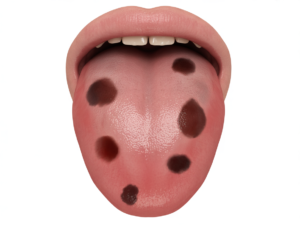
This comprehensive guide is designed to demystify why your tongue has dark spots. We’ll explore the various reasons, from harmless pigmentation to dietary influences, medication side effects, and even less common medical conditions. Our goal is to equip you with the knowledge to understand what might be happening, when it’s appropriate to manage the situation at home, and, crucially, when to seek professional medical advice. By the end of this article, you’ll have a clearer picture of your oral health and how to maintain a healthy, spot-free tongue.
Join us as we dive deep into the world of tongue discoloration, providing practical advice, essential facts, and peace of mind for anyone wondering, “Why does my tongue have dark spots?”
Understanding Tongue Discoloration: More Than Just Aesthetics
The tongue is a remarkable organ, playing a vital role in taste, speech, and digestion. Its surface, normally pink and covered in tiny bumps called papillae, can sometimes exhibit changes that signal internal shifts. When your tongue has dark spots, it’s a visible manifestation that warrants attention, not just for aesthetic reasons but because it can be an indicator of your overall health. These spots can vary in color – from light brown to deep black – and in size and location.
It’s important to remember that the tongue is highly vascular and sensitive, reacting to a multitude of internal and external factors. Understanding the potential causes is the first step toward addressing the issue effectively. Don’t jump to conclusions; instead, consider the full spectrum of possibilities before becoming overly worried.
Common Causes When Your Tongue Has Dark Spots
When you notice that your tongue has dark spots, the cause is often quite benign. Here are some of the most frequent culprits:
Benign Pigmentation: Lingual Melanosis and Moles
- Lingual Melanosis: This is arguably the most common cause of dark spots on the tongue. It’s essentially harmless pigmentation, similar to freckles or moles on the skin. It occurs when melanocytes (cells that produce melanin) are more active in certain areas of the tongue. It can affect anyone but is more prevalent in individuals with darker skin tones and can sometimes develop or become more prominent with age. These spots are usually flat, well-defined, and don’t change in size or shape over time.
- Oral Moles (Nevi): Just like on your skin, moles can appear on your tongue. These are typically small, raised, or flat dark spots that are usually harmless. However, any new or changing mole should be monitored.
Dietary and Lifestyle Factors: Food, Drink, and Smoking
- Foods and Drinks: Consuming deeply colored foods and beverages can temporarily stain your tongue. Think coffee, black tea, dark berries (blueberries, blackberries), licorice, or certain candies. These stains are usually superficial and can be brushed away or fade on their own.
- Smoking and Tobacco Use: Tobacco, whether smoked or chewed, is a significant cause of oral discoloration. The chemicals in tobacco can stain the tongue and contribute to the development of black hairy tongue, which often presents as dark patches.
Medication Side Effects
Certain medications can lead to a discolored tongue as a side effect. These include:
- Bismuth-containing medications: Such as Pepto-Bismol, used for upset stomachs. The bismuth can react with sulfur in your mouth, turning the tongue black. This is temporary and harmless.
- Antibiotics: Prolonged antibiotic use can disrupt the natural balance of bacteria in the mouth, sometimes leading to fungal overgrowth or other changes that manifest as dark spots.
- Other medications: Some antidepressants, antipsychotics, and medications used to treat hypertension can also cause tongue discoloration.
Fungal Infections: Black Hairy Tongue (Lingua Villosa Nigra)
Despite its alarming name, Black Hairy Tongue is usually a harmless, temporary condition. It occurs when the papillae on the tongue grow longer than usual and don’t shed properly. Food particles, bacteria, and yeast get trapped in these elongated papillae, leading to a dark, often fuzzy appearance. While it can look like your tongue has dark spots, it’s more of a widespread discoloration and textural change. Poor oral hygiene, smoking, excessive coffee or tea consumption, and antibiotic use are common contributing factors.
Trauma and Injury
Sometimes, a dark spot can result from a minor injury, such as biting your tongue, or from a blood blister. These spots are typically temporary and resolve as the injury heals.
Underlying Medical Conditions (Less Common)
While rare, dark spots on the tongue can occasionally signal a more serious underlying health issue. These include:
- Addison’s Disease: A rare disorder where the adrenal glands don’t produce enough hormones. One symptom can be hyperpigmentation of the skin and mucous membranes, including the tongue.
- Oral Melanoma: Extremely rare, oral melanoma is a type of skin cancer that can affect the mouth and tongue. Any new, rapidly changing, asymmetrical, or bleeding dark spot should be evaluated by a professional immediately.
- Vitamin Deficiencies: In rare cases, deficiencies in certain B vitamins (like B12) can lead to tongue changes, though usually, these are redness or smoothness rather than dark spots.
When to Be Concerned: Red Flags and Medical Consultation
While many causes of dark spots on the tongue are benign, it’s crucial to know when to seek professional medical advice. You should consult a doctor or dentist if:
- The dark spot is new, rapidly growing, or changing in size, shape, or color.
- The spot is painful, bleeding, or accompanied by other symptoms like difficulty swallowing or speaking.
- You have multiple dark spots that appear suddenly without an obvious dietary or medication cause.
- The dark spots are accompanied by other systemic symptoms like unexplained weight loss, fatigue, or skin changes.
- The discoloration doesn’t resolve after improving oral hygiene or eliminating suspected dietary/medication causes.
- You suspect a medical condition like Addison’s disease.
A dental professional or your primary care physician can properly diagnose the cause of the dark spots and recommend appropriate treatment.
Diagnosis and Treatment Options for Dark Tongue Spots
When you consult a healthcare professional about why your tongue has dark spots, they will likely start with a thorough oral examination and a review of your medical history, including any medications you’re taking and your lifestyle habits. They might ask about:
- When you first noticed the spots.
- If they’ve changed over time.
- Any associated symptoms.
- Your diet, smoking habits, and oral hygiene routine.
Depending on their initial assessment, further diagnostic steps might include:
- Blood tests: To check for vitamin deficiencies or underlying medical conditions.
- Biopsy: If oral melanoma or other serious conditions are suspected, a small tissue sample will be taken for microscopic examination.
Treatment options will vary widely based on the diagnosis:
- For benign pigmentation (lingual melanosis, moles): Often, no treatment is needed. Regular monitoring by your dentist is usually sufficient.
- For dietary stains: These will typically fade on their own or with improved oral hygiene.
- For medication-induced spots: Your doctor may adjust your medication if possible, or the spots will disappear once the medication is stopped.
- For black hairy tongue: Treatment focuses on rigorous oral hygiene, including tongue scraping, brushing, and sometimes antimicrobial mouthwashes. Eliminating risk factors like smoking and excessive coffee/tea is also crucial.
- For infections: Antifungal medications may be prescribed if a fungal infection is the cause.
- For serious conditions: If a more serious condition like oral melanoma is diagnosed, immediate and specialized medical treatment (e.g., surgery, radiation, chemotherapy) will be required.
Maintaining Oral Hygiene: Preventing Dark Spots on Your Tongue
Good oral hygiene is your best defense against many types of tongue discoloration, especially conditions like black hairy tongue and simple staining. Here’s how you can maintain a healthy tongue:
- Brush Your Tongue Regularly: Use a soft-bristled toothbrush to gently brush your tongue every time you brush your teeth. This helps remove bacteria, dead cells, and food debris.
- Use a Tongue Scraper: A tongue scraper is highly effective at removing buildup from the surface of your tongue, significantly reducing the likelihood of black hairy tongue and bad breath.
- Rinse with Mouthwash: An antimicrobial mouthwash can help reduce bacteria in your mouth, but avoid alcohol-based mouthwashes if you have a dry mouth, as they can exacerbate the issue.
- Stay Hydrated: Drinking plenty of water helps keep your mouth moist and washes away food particles and bacteria.
- Limit Staining Foods and Drinks: Reduce your consumption of coffee, black tea, red wine, and dark berries. If you do consume them, rinse your mouth with water afterward.
- Quit Smoking: If you smoke or use other tobacco products, quitting is one of the most impactful steps you can take for your oral and overall health.
- Regular Dental Check-ups: Visit your dentist biannually for professional cleanings and examinations. They can spot potential issues early.
Recommended Products
Stainless Steel Tongue Scraper
Essential for daily tongue cleaning to remove bacteria and debris, preventing conditions like black hairy tongue.
Soft Bristle Toothbrush
Gentle yet effective for brushing teeth and tongue, ensuring thorough cleaning without irritation.
Alcohol-Free Antimicrobial Mouthwash
Helps reduce oral bacteria and maintain fresh breath without drying out the mouth, beneficial for overall oral health.
Frequently Asked Questions About Dark Spots on the Tongue
Are dark spots on the tongue always serious?
No, not always. In most cases, when your tongue has dark spots, the cause is benign, such as lingual melanosis (harmless pigmentation), temporary staining from food/drink, or black hairy tongue. However, it’s always wise to monitor any new or changing spots and consult a healthcare professional if you have concerns.
Can food or drink cause my tongue to have dark spots?
Yes, absolutely. Consuming dark-colored foods and beverages like coffee, black tea, blueberries, or licorice can temporarily stain your tongue. These stains are usually superficial and can often be brushed away or will fade over time with good oral hygiene.
How can I get rid of dark spots on my tongue?
Treatment depends on the cause. For stains or black hairy tongue, rigorous oral hygiene including brushing and using a tongue scraper, along with avoiding staining agents and tobacco, is usually effective. For benign pigmentation, no treatment is needed. If medication is the cause, your doctor may suggest an alternative. For any suspicious spots, professional diagnosis and treatment are essential.
When should I see a doctor for dark spots on my tongue?
You should see a doctor or dentist if a dark spot is new, rapidly changing in size or color, painful, bleeding, or accompanied by other concerning symptoms like difficulty swallowing, unexplained weight loss, or systemic illness. Any persistent or unexplained dark spot warrants professional evaluation.
Is black hairy tongue the same as dark spots?
Black hairy tongue is a specific condition where the papillae on your tongue become elongated and trap food particles, bacteria, and yeast, leading to a dark, furry appearance. While it presents as a dark discoloration, it’s more widespread and textural than isolated dark spots or moles, though it can certainly make it look like your tongue has dark spots.
Can stress cause dark spots on the tongue?
While stress itself doesn’t directly cause dark spots on the tongue, it can indirectly contribute to oral health issues. For example, stress might lead to poor oral hygiene habits, increased smoking, or a compromised immune system, all of which could potentially exacerbate conditions that result in tongue discoloration like black hairy tongue or fungal infections.
Conclusion: Empowering Yourself for a Healthy Tongue
Discovering that your tongue has dark spots can be an alarming experience, but as we’ve explored, the vast majority of these instances are benign and easily manageable. From harmless pigmentation and temporary food stains to medication side effects and conditions like black hairy tongue, understanding the potential causes is the first step toward peace of mind. Remember, your tongue is a window to your overall health, and changes in its appearance can offer valuable clues.
The key takeaway is to prioritize excellent oral hygiene, including regular brushing and tongue scraping. Be mindful of your diet and lifestyle choices, reducing consumption of staining agents and, most importantly, avoiding tobacco products. While many dark spots are innocent, vigilance is crucial. If you notice any new, changing, or concerning dark spots, or if they are accompanied by other symptoms, do not hesitate to consult your dentist or doctor. Early diagnosis and intervention, especially in rare cases of more serious conditions, can make all the difference. Stay informed, stay proactive, and keep your tongue healthy!