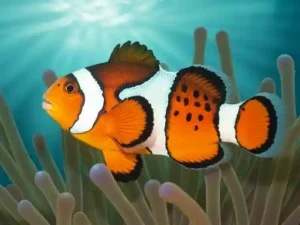
Are these spots merely harmless pigmentation changes, or do they signal a serious underlying health issue? The answer isn’t always straightforward, as various factors can contribute to the development of these dark patches. Identifying the correct cause is crucial for providing appropriate care and ensuring the long-term health of your finned friend. Ignoring these signs could lead to worsening conditions, potentially impacting your entire marine tank ecosystem.
In this comprehensive guide, we’ll delve deep into the world of dark spots on clownfish. We’ll explore the most common culprits, from parasitic infections like Black Ich to environmental stressors and natural changes. You’ll learn how to accurately diagnose the problem, understand effective treatment strategies, and, most importantly, discover proactive prevention methods to keep your clownfish vibrant and spot-free. Let’s ensure your underwater companions remain as healthy and captivating as they were meant to be.
Understanding Clownfish Pigmentation and Skin Health
Before diving into the specifics of dark spots on clownfish, it’s helpful to understand a bit about their natural skin and coloration. Clownfish, like all fish, have a delicate outer layer of skin and scales that protects them from their environment. Their vibrant colors are due to specialized cells called chromatophores. These cells can expand and contract, allowing for subtle (and sometimes dramatic) changes in coloration in response to mood, stress, light, and even diet.
When you observe changes in your clownfish’s appearance, especially the development of dark spots, it indicates that something is affecting these delicate systems. It could be an external irritant, an internal struggle, or simply a natural process. Recognizing what’s normal for your specific clownfish and tank environment is the first step toward noticing when something is amiss.
Common Causes of Dark Spots On Clownfish
The appearance of dark spots on clownfish can be attributed to several different factors, ranging from benign to potentially life-threatening. Proper identification is key to successful intervention.
1. Black Ich (Uronema marinum)
Without a doubt, Black Ich, caused by the ciliate parasite Uronema marinum, is the most common and concerning reason for dark spots on clownfish. It’s often mistaken for other issues, but its distinctive appearance makes it identifiable upon close inspection.
- Appearance: These spots are typically small, raised, black or dark brown specks that look like “pepper” sprinkled on the fish’s body. They can appear gritty or sandy. In severe cases, they may coalesce into larger patches.
- Behavioral Symptoms: Affected fish may flash against rocks or substrate, show increased respiration, lethargy, loss of appetite, and clamped fins.
- Cause: This parasite is often introduced with new, unquarantined fish or live rock. It thrives in tanks with poor water quality or stressed fish.
- Severity: Highly contagious and potentially fatal if left untreated, especially in advanced stages.
2. Ammonia Burns and Poor Water Quality
Suboptimal water parameters, particularly elevated ammonia, nitrite, or nitrate levels, can severely stress fish and compromise their immune systems. This stress can manifest in various ways, including changes in coloration.
- Appearance: Dark patches or blotches, often appearing unevenly on the body or fins. These spots might not be raised like Black Ich, but rather a discoloration of the skin. They can sometimes be accompanied by red streaks or frayed fins.
- Behavioral Symptoms: Gasping at the surface, rapid gill movement, lethargy, loss of appetite, hiding, or generally erratic swimming.
- Cause: Inadequate filtration, overfeeding, overstocking, insufficient water changes, or a new tank cycling.
- Severity: Can lead to severe tissue damage, secondary infections, and death if water quality issues are not resolved promptly.
3. Stress Marks and Aggression
Clownfish are territorial, and stress from tank mates, inadequate hiding spots, or sudden environmental changes can lead to temporary changes in their appearance.
- Appearance: General darkening of the body, or specific dark patches that appear and disappear. These are usually not raised and tend to be more diffuse than parasitic spots. They are often a response to perceived threats or discomfort.
- Behavioral Symptoms: Hiding, darting, rapid breathing, refusal to eat, or aggressive behavior towards other fish.
- Cause: Bullying by tank mates, insufficient hiding places, fluctuating water parameters, loud noises, or sudden changes in lighting.
- Severity: While usually temporary, chronic stress severely weakens the immune system, making fish susceptible to other diseases.
4. Natural Pigmentation Changes and Aging
Sometimes, dark spots on clownfish are simply a part of their natural development or aging process. This is especially true for certain species or genetic lines.
- Appearance: Gradual darkening of certain body parts, or the appearance of subtle dark spots that are symmetrical and don’t seem to bother the fish. These are typically smooth and integrated into the fish’s skin, not raised.
- Behavioral Symptoms: None, the fish behaves normally.
- Cause: Maturation, genetic predisposition, or simply part of the natural aging process. Some clownfish species, like Darwin Ocellaris, are naturally black and white. Captive breeding can also lead to unique coloration.
- Severity: Harmless.
5. Bacterial or Fungal Infections (Secondary)
While less common as a primary cause of just dark spots, bacterial or fungal infections can sometimes manifest with discoloration, especially if they are secondary to another issue like an injury or persistent stress.
- Appearance: Can vary, but often includes fuzzy patches (fungal), ulcerations, fin rot, or irregular dark lesions. These usually spread and are accompanied by other signs of illness.
- Behavioral Symptoms: Lethargy, loss of appetite, abnormal swimming, rubbing against decor.
- Cause: Poor water quality, injuries, or a weakened immune system allowing opportunistic pathogens to take hold.
- Severity: Can be serious and require specific antibiotic or antifungal treatments.
6. Injuries or Trauma
Physical damage can also lead to darkened areas as the fish’s body attempts to heal.
- Appearance: Localized dark spots or abrasions where the fish has bumped into decor, been nipped by a tank mate, or scraped against substrate. These usually have a clear point of origin.
- Behavioral Symptoms: May hide or show discomfort if the injury is severe, but often no behavioral changes for minor scrapes.
- Cause: Aggression from other fish, sharp tank decorations, or accidental collisions.
- Severity: Minor injuries heal on their own with good water quality; severe ones can lead to secondary infections.
Diagnosing the Cause: A Step-by-Step Approach
When you first notice dark spots on clownfish, don’t panic. Follow these steps to systematically diagnose the problem:
- Observe Closely:
- Are the spots raised, gritty, or flat? Raised, pepper-like spots strongly suggest Black Ich. Flat, diffuse darkening points towards stress or water quality.
- What is the color of the spots? Black, dark brown, or just a general darkening?
- Are they localized or spread across the body?
- Are there any other physical symptoms like frayed fins, cloudy eyes, or rapid breathing?
- Monitor Behavior:
- Is your clownfish still eating normally?
- Is it swimming actively or hiding more than usual?
- Is it flashing, rubbing, or scratching against tank decorations?
- Are other fish in the tank showing similar symptoms?
- Test Water Parameters Immediately:
- Use a reliable saltwater test kit to check ammonia, nitrite, nitrate, pH, salinity, and temperature.
- Any deviations from ideal parameters (Ammonia: 0, Nitrite: 0, Nitrate: <20 ppm, pH: 8.1-8.4, Salinity: 1.023-1.026, Temp: 76-82°F) can be a contributing factor.
- Review Tank History:
- Have you recently added new fish, corals, or live rock without quarantining? (High risk for Black Ich)
- Have you made any significant changes to the tank setup or equipment?
- Has there been any aggression between tank inhabitants?
- Consider a Quarantine Tank:
- If you suspect a contagious disease like Black Ich, moving the affected fish to a separate quarantine tank (QT) is highly recommended. This prevents the spread of disease and allows for targeted treatment without harming your main display tank’s invertebrates or beneficial bacteria.
Effective Treatments for Dark Spots on Clownfish
Once you’ve identified the likely cause of the dark spots on clownfish, you can implement the appropriate treatment plan.
Treating Black Ich (Uronema marinum)
This is the most critical to address:
- Quarantine Tank (QT) is Essential: Never treat your main display tank for Black Ich, as most medications are harmful to corals and invertebrates. Set up a separate QT with stable parameters, a heater, and an air stone.
- Formalin-based Medications: Products containing formalin are highly effective against Black Ich. Follow dosage instructions carefully.
- Metronidazole: Medications like Seachem MetroPlex, containing metronidazole, can also be effective, especially when dosed in food.
- Freshwater Dips: Brief freshwater dips (5-10 minutes, pH and temperature matched) can provide temporary relief by causing some parasites to fall off, but it’s not a cure.
- Tank Fallow Period: If Black Ich is confirmed, consider letting your main tank go fallow (no fish) for at least 6-8 weeks to starve out any remaining parasites.
Addressing Water Quality Issues
- Immediate Water Change: Perform a significant water change (25-50%) using properly mixed and temperature-matched saltwater.
- Identify and Rectify the Cause: Check your filtration, ensure you’re not overfeeding, and evaluate your stocking levels. Increase water change frequency if needed.
- Add Beneficial Bacteria: Products that boost beneficial bacteria can help stabilize the nitrogen cycle.
Reducing Stress
- Evaluate Tank Mates: Remove aggressive fish if they are bullying your clownfish.
- Provide Hiding Spots: Ensure there are enough caves, rockwork, or an anemone for your clownfish to feel secure.
- Maintain Stability: Avoid sudden changes in lighting, temperature, or salinity.
- Proper Tank Size: Ensure your tank is adequately sized for your clownfish and its companions.
Dietary Improvements
- Varied and High-Quality Diet: Offer a mix of high-quality marine pellets, flakes, frozen foods (mysis shrimp, brine shrimp, spirulina), and occasional live foods.
- Vitamin Supplements: Soaking food in a vitamin supplement can boost overall health and immune function.
Recommended Products
To help you maintain a healthy environment and address potential issues causing dark spots on clownfish, here are some recommended products that can be incredibly useful for any marine aquarium owner:
API Saltwater Master Test Kit
Essential for monitoring ammonia, nitrite, nitrate, and pH. Accurate water testing is the first step in diagnosing many health issues, including those leading to dark spots on clownfish.
Seachem MetroPlex
An effective medication containing metronidazole, often used in quarantine tanks to treat internal parasites and protozoan infections like Black Ich (Uronema marinum).
Hikari PraziPro
While primarily for flukes and tapeworms, some aquarists use it for general parasite control in a quarantine setup, contributing to overall fish health and resilience.
High-Quality Clownfish Food
A balanced, nutrient-rich diet is fundamental for strong immune systems. Look for sinking pellets and frozen foods tailored for marine omnivores like clownfish.
Aquarium Quarantine Tank Setup Kit
A dedicated quarantine tank (QT) is invaluable for new arrivals and treating sick fish without impacting your main display tank. Essential for safe disease management.
Prevention is Key: Keeping Your Clownfish Spot-Free
The best treatment for dark spots on clownfish is always prevention. A proactive approach can save you a lot of stress and expense.
- Quarantine New Arrivals: Always, without exception, quarantine new fish, corals, and even live rock for at least 4-6 weeks in a separate tank. This allows you to observe for diseases and treat them before introducing them to your main display.
- Maintain Pristine Water Quality: Regular water changes, proper filtration, and consistent monitoring of water parameters (ammonia, nitrite, nitrate, pH, salinity, temperature) are non-negotiable for fish health.
- Provide a Balanced and Varied Diet: Feed high-quality foods appropriate for marine omnivores. A diverse diet strengthens the immune system and enhances natural coloration.
- Ensure a Stable Environment: Avoid sudden fluctuations in temperature, salinity, or lighting. Provide adequate tank size and suitable hiding spots.
- Choose Compatible Tank Mates: Research fish compatibility thoroughly to prevent aggression and stress, which can lead to weakened immune systems.
- Regular Observation: Spend a few minutes each day observing your clownfish. Early detection of any changes in appearance or behavior can make a significant difference in treatment success.
Frequently Asked Questions About Dark Spots On Clownfish
Q1: Are dark spots on clownfish always a sign of a serious problem?Not always, but they should always be investigated. While some dark spots can be natural pigmentation changes or temporary stress marks, others, like those from Black Ich, are serious and require immediate attention. It’s crucial to observe other symptoms and water parameters to determine the severity.
Q2: Can poor diet contribute to dark spots on clownfish?Indirectly, yes. A poor or unvaried diet can lead to nutritional deficiencies, which weaken a clownfish’s immune system. A compromised immune system makes them more susceptible to parasitic infections like Black Ich or bacterial issues that might manifest as dark spots or overall poor coloration. A healthy diet is vital for vibrant color and strong immunity.
Q3: How can I differentiate Black Ich from general stress darkening on my clownfish?Black Ich (Uronema marinum) typically appears as distinct, raised, gritty, pepper-like specks on the fish’s body and fins. They feel rough to the touch if you could gently brush them. Stress darkening, on the other hand, is usually a more diffuse, flat darkening of the entire body or larger patches, and it often appears and disappears depending on the stressor. Fish with Black Ich will often flash or scratch.
Q4: Is it safe to treat my main display tank if I suspect Black Ich on my clownfish?Generally, no. Most effective treatments for Black Ich, such as formalin-based medications, are harmful to corals, invertebrates (like shrimp and snails), and can negatively impact your main tank’s beneficial bacterial colonies. It is strongly recommended to move affected fish to a dedicated quarantine tank for treatment to protect your display tank’s ecosystem.
Q5: How long does it take for dark spots to disappear after successful treatment?The time it takes for dark spots on clownfish to disappear varies greatly depending on the cause and the effectiveness of the treatment. For Black Ich, visible spots may start to diminish within a week or two of consistent treatment, but it’s essential to complete the full treatment course to eradicate the parasite. For stress-related spots, improvement can be seen within days once the stressor is removed. Natural pigmentation changes, of course, are permanent.
Conclusion
Observing dark spots on clownfish can be a concerning experience for any aquarium hobbyist. As we’ve explored, these spots can range from benign natural changes to serious indicators of parasitic infections like Black Ich, or environmental stressors such as poor water quality. The key to successful resolution lies in careful observation, accurate diagnosis, and prompt, appropriate action.
Remember, your clownfish rely on you for their well-being. By maintaining excellent water parameters, providing a nutritious diet, ensuring a stress-free environment, and diligently quarantining new additions, you are building a strong foundation for their health. Should dark spots appear, take the time to investigate thoroughly, utilize a quarantine tank for treatment if necessary, and don’t hesitate to consult with experienced aquarists or a marine veterinarian if you’re unsure.
With vigilance and proper care, you can ensure your clownfish remain vibrant, healthy, and a joy to watch in your saltwater aquarium for years to come. Your proactive approach is the best defense against any mysterious spots that may appear.
“`