
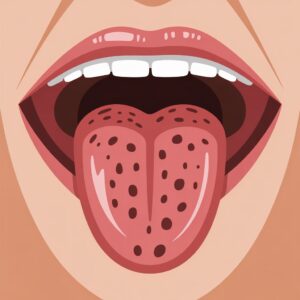
While a dark spot on your tongue might seem daunting, it’s often a harmless occurrence with a straightforward explanation. However, understanding what causes dark spots on tongue is crucial, as in some rare instances, it could signal an underlying issue that warrants attention. This comprehensive guide will delve into the various reasons behind these spots, from common lifestyle factors to less frequent medical conditions, offering peace of mind and practical advice. We’ll explore prevention strategies, discuss when to be concerned, and empower you with the knowledge to maintain optimal oral health.
Understanding Dark Spots on Your Tongue: A Common Concern
The tongue, a muscular organ vital for tasting, swallowing, and speaking, is typically covered in small, finger-like projections called papillae. These papillae house our taste buds and give the tongue its characteristic texture. When changes occur, such as the appearance of dark spots, it can naturally lead to apprehension.
It’s important to remember that the human body is incredibly diverse. Just as skin tone varies, so can the natural pigmentation within the mouth, including on the tongue. Sometimes, a dark spot is simply a variation of normal. But other times, external factors or internal conditions might be at play. Let’s break down the common culprits behind these spots.
Primary Causes of Dark Spots on the Tongue
Understanding the root causes of dark spots on the tongue is the first step toward addressing them. Many factors, ranging from benign to those requiring medical attention, can contribute to this discoloration.
Harmless Pigmentation and Lifestyle Factors
- Racial or Ethnic Pigmentation: Just like skin, the tongue can naturally develop darker patches due to increased melanin production. These are often benign and present from birth or early childhood. They are usually flat and irregular in shape.
- Food and Drink Stains: Consuming deeply colored foods and beverages can temporarily stain the tongue. Think about your morning coffee, black tea, red wine, berries, or even certain candies. These stains typically fade with good oral hygiene.
- Tobacco Use: Smoking or chewing tobacco can lead to a range of oral health issues, including staining and discoloration of the tongue and teeth. The chemicals and tar in tobacco products are notorious for causing dark patches.
- Oral Trauma or Injury: Biting your tongue, vigorous brushing, or even a tongue piercing can sometimes lead to localized bruising or a small hematoma, appearing as a dark spot. These usually heal on their own.
Oral Conditions Leading to Discoloration
- Black Hairy Tongue (Lingua Villosa Nigra): Despite its alarming name, this condition is usually harmless. It occurs when the papillae on the tongue’s surface don’t shed properly, becoming elongated. These longer papillae can trap food particles, bacteria, yeast, and even staining agents from food/drink, leading to a dark, often brownish-black, furry appearance. Poor oral hygiene, smoking, certain medications, and dry mouth are common contributors.
- Benign Melanotic Macule: These are harmless, flat, dark brown or black spots, similar to freckles, that can appear on the lips or inside the mouth, including the tongue. They are usually small, well-defined, and don’t change in size or shape.
- Oral Piercings: The presence of a tongue piercing can sometimes cause localized irritation, trauma, or even a reaction to the metal, leading to darkened areas around the piercing site.
Medications and Medical Conditions
- Certain Medications: Some drugs can cause tongue discoloration as a side effect. For example, bismuth subsalicylate (found in Pepto-Bismol) can react with sulfur in your mouth to create black staining. Certain antibiotics, iron supplements, and some chemotherapy drugs can also contribute.
- Addison’s Disease: This is a rare disorder where the adrenal glands don’t produce enough hormones. One symptom can be hyperpigmentation, including dark spots or patches on the skin and mucous membranes, such as the tongue.
- Vitamin B12 Deficiency: A severe deficiency in Vitamin B12 can lead to glossitis (inflammation of the tongue) and sometimes a darkened or red, beefy appearance.
- Neurofibromatosis: A genetic disorder that causes tumors to grow on nerve tissue. While less common, these tumors can manifest in various parts of the body, including the tongue, potentially appearing as dark spots or nodules.
Rare but Serious Considerations
While most dark spots are benign, it’s crucial to be aware of the rare instances where they could indicate a more serious condition:
- Oral Melanoma: This is a very rare but aggressive form of cancer that can develop in the mouth. Oral melanomas often appear as dark, irregular patches or nodules on the tongue, gums, or other oral tissues. Unlike benign spots, melanomas tend to be asymmetric, have irregular borders, varied color, a diameter larger than 6mm, and evolve in size, shape, or color over time.
- Squamous Cell Carcinoma: While typically appearing as red or white patches, some forms of oral cancer can present with darker, ulcerated, or thickened areas.
When to Seek Professional Medical Advice
While many causes of dark spots on the tongue are harmless, it’s always wise to consult a healthcare professional if you notice any changes that concern you. You should particularly seek medical attention if:
- The dark spot is new, rapidly growing, or changing in size, shape, or color.
- The spot is accompanied by pain, bleeding, numbness, or difficulty swallowing.
- You have other symptoms like unexplained weight loss, fever, or fatigue.
- The spot persists for more than two weeks despite good oral hygiene.
- You have a history of sun exposure or risk factors for oral cancer.
- The spot has irregular borders, varied coloration, or an elevated texture.
Your dentist or doctor can properly diagnose the cause through a visual examination and, if necessary, further tests like a biopsy.
Prevention and Management Strategies
Maintaining good oral hygiene is paramount for preventing and managing many causes of dark spots on the tongue. Here are some practical tips:
- Brush Your Tongue Regularly: Gently brush your tongue with your toothbrush or use a dedicated tongue scraper daily to remove bacteria, food debris, and dead cells.
- Practice Excellent Oral Hygiene: Brush your teeth twice a day, floss daily, and use an antiseptic mouthwash as recommended by your dentist.
- Limit Staining Foods and Drinks: Reduce consumption of coffee, tea, red wine, and other highly pigmented items. If you do consume them, rinse your mouth with water afterward.
- Quit Tobacco Products: This is one of the most effective steps you can take to improve overall oral health and reduce tongue discoloration.
- Stay Hydrated: Drinking plenty of water helps maintain saliva flow, which naturally cleanses the mouth.
- Review Medications: If you suspect a medication is causing the discoloration, discuss it with your doctor. Do not stop taking prescribed medication without medical advice.
- Address Underlying Conditions: If a medical condition like B12 deficiency or Addison’s disease is diagnosed, following your doctor’s treatment plan will be crucial.
Recommended Products
While professional diagnosis is key, certain oral hygiene tools can help manage and prevent some types of dark spots on the tongue, especially those related to poor hygiene or black hairy tongue. Always consult with your dental professional for personalized advice.
Stainless Steel Tongue Scraper
An essential tool for daily tongue cleaning. Effectively removes bacteria, food debris, and dead cells that contribute to discoloration and bad breath.
Electric Toothbrush with Tongue Cleaner
Many modern electric toothbrushes feature a tongue cleaning mode or a textured back for gentle and effective tongue hygiene, promoting a cleaner mouth.
Alcohol-Free Antiseptic Mouthwash
Helps reduce bacteria in the mouth without the drying effects of alcohol, which can exacerbate conditions like black hairy tongue. Use as directed by your dentist.
Frequently Asked Questions (FAQ)
Q1: Are dark spots on the tongue always a sign of something serious?
No, not always. In most cases, dark spots on the tongue are benign and can be due to factors like food staining, natural pigmentation, or a harmless condition like black hairy tongue. However, it’s always best to have persistent or changing spots checked by a dentist or doctor.
Q2: Can poor oral hygiene cause dark spots?
Yes, absolutely. Inadequate brushing and flossing can lead to a buildup of bacteria and food particles, which can get trapped in the papillae, contributing to conditions like black hairy tongue and general discoloration. Regular and thorough oral hygiene, including tongue cleaning, is crucial.
Q3: How do I know if a dark spot is oral melanoma?
Oral melanoma is rare but serious. Key indicators for concern include a spot that is new, rapidly growing, asymmetric, has irregular borders, varied color (multiple shades of brown, black, red, or blue), a diameter larger than 6mm, or is evolving in any way. If you notice any of these characteristics, seek immediate medical attention.
Q4: Can certain foods or drinks cause dark spots?
Yes. Consuming darkly pigmented foods and beverages such as coffee, tea, red wine, blueberries, or even certain dark candies can temporarily stain the tongue, leading to the appearance of dark spots. These are typically superficial and can be removed with good oral hygiene.
Q5: Is it possible for medications to cause tongue discoloration?
Yes. Some medications are known to cause tongue discoloration as a side effect. A common example is bismuth subsalicylate (found in Pepto-Bismol), which can react with sulfur in your mouth to create a black stain. Iron supplements and certain antibiotics can also contribute to this phenomenon. Always consult your doctor if you suspect a medication is causing the issue.
Conclusion
Discovering dark spots on your tongue can be unsettling, but as we’ve explored, the causes are diverse, ranging from the completely benign to, in rare cases, something requiring medical attention. From simple food stains and natural pigmentation to conditions like black hairy tongue or medication side effects, understanding the potential reasons is your first step towards peace of mind.
The most important takeaway is the power of observation and proactive care. Maintain excellent oral hygiene, including regular tongue cleaning, and be mindful of your diet and lifestyle choices. If you notice any new, changing, or concerning dark spots on your tongue, especially if accompanied by other symptoms, do not hesitate to consult your dentist or doctor. Early detection and diagnosis are always key to ensuring your overall health and well-being. Your tongue provides valuable insights into your health; paying attention to its signals empowers you to take control.