
Are you tired of looking in the mirror and seeing unwanted pigmentation disrupting your otherwise clear complexion? You’re not alone. Dark spots, hyperpigmentation, sun spots, and age spots are common skin concerns that can affect self-confidence. The journey to achieving an even skin tone can seem daunting, but with the right knowledge and consistent effort, a remarkable Dark Spot Before After transformation is entirely within reach. This comprehensive guide will walk you through everything you need to know, from understanding what causes these pesky spots to exploring effective treatments and lifestyle changes that lead to visible results.
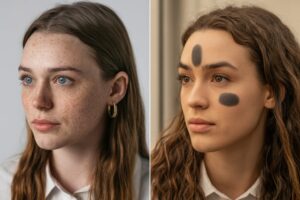
Many people dream of seeing a significant improvement in their skin, and the proof lies in the powerful visuals of dark spot removal before after photos. Imagine a complexion free from discoloration, revealing a brighter, more radiant you. We’ll delve into the science behind hyperpigmentation, discuss popular and professional treatment options, and provide practical advice to help you embark on your own path to clearer skin. Get ready to uncover the secrets to fading those spots and embracing a more confident reflection.
Understanding Dark Spots: What Are They?
Dark spots, scientifically known as hyperpigmentation, occur when certain areas of the skin produce too much melanin, the pigment that gives skin its color. This excess melanin then clusters, resulting in patches that are darker than the surrounding skin. While generally harmless, they can be a cosmetic concern for many.
Types of Dark Spots
Not all dark spots are created equal. Understanding the different types can help in choosing the most effective treatment strategy:
- Post-Inflammatory Hyperpigmentation (PIH): These spots appear after an inflammatory skin condition, such as acne, eczema, or a wound, has healed. The skin’s natural healing process can sometimes overproduce melanin, leaving behind a dark mark. They often range from pink to red, brown, or black, depending on your skin tone.
- Sun Spots (Solar Lentigines/Age Spots): These are flat, benign patches of skin caused by prolonged exposure to ultraviolet (UV) radiation from the sun. They commonly appear on sun-exposed areas like the face, hands, shoulders, and arms, and tend to become more prevalent with age. They are often light brown to black.
- Melasma: Often referred to as the “mask of pregnancy,” melasma is characterized by larger, blotchy patches of hyperpigmentation, typically on the face (cheeks, forehead, upper lip, chin). It’s primarily triggered by hormonal changes (pregnancy, birth control pills) combined with sun exposure. It can be more challenging to treat due to its deeper roots.
Causes of Dark Spots
Several factors contribute to the development of dark spots:
- Sun Exposure: This is the most significant cause. UV radiation stimulates melanin production as a protective mechanism, leading to sun spots and worsening other types of hyperpigmentation.
- Inflammation and Injury: As mentioned with PIH, any trauma to the skin – from acne breakouts to cuts, burns, or even aggressive exfoliation – can trigger melanin overproduction during the healing process.
- Hormonal Changes: Fluctuations in hormones, particularly estrogen and progesterone, are a key factor in melasma. This is why it’s common during pregnancy or with the use of hormonal contraceptives.
- Genetics: Some individuals are genetically predisposed to developing dark spots.
- Medications: Certain medications, such as some antibiotics, anti-inflammatory drugs, and even some chemotherapy drugs, can increase skin’s sensitivity to the sun and lead to hyperpigmentation.
The Journey to Clearer Skin: What to Expect in Dark Spot Before After
Embarking on a journey to fade dark spots requires commitment and patience. Seeing significant Dark Spot Before After results doesn’t happen overnight, but consistent effort with the right approach will yield visible improvements.
Realistic Expectations and Timelines
One of the biggest misconceptions about dark spot removal before after is that results are instantaneous. The truth is, fading hyperpigmentation is a gradual process:
- Patience is Key: It can take weeks to months to see noticeable lightening of dark spots, and even longer for stubborn ones. Expect 6-12 weeks for initial improvements with topical treatments, and several months for optimal results.
- Consistency is Crucial: Skipping applications or treatments will hinder progress. Adhere strictly to your chosen regimen.
- Before and After Photos: Take regular photos in consistent lighting to track your progress. Sometimes, subtle changes aren’t immediately obvious to the naked eye but become clear when comparing images.
Key Ingredients and Treatments
A multi-faceted approach often works best, combining topical ingredients with professional treatments:
Topical Treatments (Over-the-Counter & Prescription)
- Hydroquinone: Considered the gold standard for depigmenting, hydroquinone inhibits melanin production. Available over-the-counter in 2% concentrations and by prescription up to 4%. Use under dermatological guidance due to potential side effects with prolonged use.
- Retinoids (Retinol, Tretinoin): These Vitamin A derivatives accelerate cell turnover, helping to shed pigmented skin cells and promoting new, unpigmented ones. They also improve overall skin texture.
- Vitamin C (L-Ascorbic Acid): A powerful antioxidant that brightens skin, inhibits melanin production, and protects against sun damage. Look for stable formulations.
- Niacinamide (Vitamin B3): Reduces the transfer of melanin to skin cells, improves skin barrier function, and offers anti-inflammatory benefits.
- Alpha Hydroxy Acids (AHAs – Glycolic Acid, Lactic Acid): Exfoliate the top layer of skin, helping to shed pigmented cells. Good for superficial dark spots.
- Beta Hydroxy Acids (BHAs – Salicylic Acid): Penetrates oil, making it effective for PIH from acne.
- Kojic Acid, Azelaic Acid, Arbutin: Other effective ingredients that inhibit melanin production.
Professional Treatments
- Chemical Peels: A dermatologist applies a chemical solution to exfoliate the skin, removing damaged layers and promoting new, unpigmented skin growth. Depths vary from superficial to deep.
- Laser Therapy: Various lasers (e.g., Q-switched, PicoSure, Fraxel) target melanin pigment, breaking it down so the body can naturally clear it away. Different lasers are suited for different types of dark spots and skin tones.
- Intense Pulsed Light (IPL): Not a laser, but uses broad-spectrum light to target pigment and redness. Effective for sun spots and general uneven tone.
- Microneedling: Creates tiny punctures in the skin to stimulate collagen production and improve the absorption of topical treatments. Can be combined with serums for enhanced results.
The Importance of Sun Protection
This cannot be stressed enough: sun protection is absolutely critical for both preventing new dark spots and ensuring existing ones fade. Without consistent SPF use, even the most aggressive treatments will be ineffective, as sun exposure will simply reactivate melanin production. Make broad-spectrum sunscreen with an SPF of 30 or higher a non-negotiable part of your daily routine, rain or shine. Reapply every two hours when outdoors, and seek shade during peak sun hours.
Practical Advice for Your Dark Spot Transformation
Achieving your desired Dark Spot Before After outcome involves more than just product application; it requires a holistic approach to skincare and self-care.
Building an Effective Skincare Routine
Here’s a basic framework for a dark spot-fading routine:
- Cleanse: Start with a gentle cleanser to remove impurities without stripping your skin.
- Treat (AM): Apply a Vitamin C serum or another antioxidant to protect against environmental damage and brighten skin. Follow with a targeted dark spot treatment if prescribed.
- Protect (AM): Finish with a broad-spectrum SPF 30+ sunscreen. This is the most crucial step!
- Treat (PM): After cleansing, apply a retinoid or an AHA/BHA product. Alternatively, use a hydroquinone-based treatment as directed by your dermatologist.
- Moisturize: Use a hydrating moisturizer to support your skin barrier, especially when using active ingredients.
Do’s and Don’ts for Dark Spot Treatment
- DO be patient and consistent. Results take time.
- DO patch test new products to avoid irritation.
- DO incorporate broad-spectrum SPF 30+ daily, and reapply.
- DO consult a dermatologist for stubborn spots or professional treatments.
- DON’T pick at your skin or acne, as this can worsen PIH.
- DON’T over-exfoliate, which can lead to irritation and further hyperpigmentation.
- DON’T expect immediate results; comparison photos will be your best friend.
- DON’T ignore irritation. If a product causes redness or burning, stop use and consult a professional.
Monitoring Progress
The best way to truly appreciate your dark spot removal before after transformation is by documenting it. Take photos of your skin in the same lighting conditions, at the same angle, every 2-4 weeks. This visual record will allow you to see the gradual improvements that might otherwise go unnoticed day-to-day. Celebrate small victories and stay motivated!
Recommended Products
RoC Multi Correxion Revive + Glow Daily Serum
A potent Vitamin C serum known for its brightening effects and ability to improve skin tone and texture, helping to fade dark spots and boost radiance.
The Ordinary Niacinamide 10% + Zinc 1%
An affordable yet effective serum that helps reduce the appearance of skin blemishes, congestion, and also contributes to evening out skin tone by reducing melanin transfer.
EltaMD UV Clear Facial Sunscreen Broad-Spectrum SPF 46
A dermatologist-recommended, oil-free sunscreen that protects against UVA/UVB rays. Contains niacinamide to soothe skin, making it excellent for sensitive and acne-prone skin, crucial for preventing new dark spots.
Paula’s Choice 2% BHA Liquid Exfoliant
A gentle leave-on exfoliant with salicylic acid that unclogs pores, smooths skin texture, and helps reduce red marks and dark spots associated with breakouts and inflammation.
Frequently Asked Questions About Dark Spots
Q1: How long does it typically take to see Dark Spot Before After results?
A1: The timeline varies greatly depending on the type and depth of the dark spot, your skin type, and the consistency of your treatment. Generally, with consistent use of topical treatments, you can expect to see initial improvements within 6-12 weeks. More stubborn or deeper spots, like melasma, might take several months or require professional treatments for noticeable dark spot removal before after changes.
Q2: Can dark spots come back after treatment?
A2: Yes, unfortunately, dark spots can reappear, especially if the underlying cause is not addressed. Sun exposure is the biggest culprit. If you don’t consistently use broad-spectrum sunscreen and practice sun avoidance, new spots can form, and existing ones can darken again. Hormonal factors for melasma can also lead to recurrence. Maintenance is key.
Q3: Are natural remedies effective for dark spots?
A3: Some natural ingredients like licorice root extract, turmeric, and aloe vera have anecdotal evidence or limited scientific backing for their skin-brightening properties. However, their efficacy is generally much lower and slower compared to scientifically proven ingredients like hydroquinone, retinoids, or Vitamin C. Always be cautious, as some DIY remedies can irritate the skin and worsen hyperpigmentation.
Q4: What’s the difference between dark spots and freckles?
A4: Freckles are small, flat, light brown spots that are usually hereditary and tend to multiply and darken with sun exposure, often fading in winter. Dark spots (lentigines, PIH, melasma) are typically more persistent, often larger, and result from an overproduction of melanin due to sun damage, inflammation, or hormones. While both involve melanin, their causes and behavior differ, though both can be addressed with similar treatments.
Q5: Is laser treatment safe for all skin types?
A5: Laser treatment can be highly effective, but its safety and suitability depend heavily on your skin type, especially for individuals with darker skin tones (Fitzpatrick skin types IV-VI). Some lasers can cause post-inflammatory hyperpigmentation or hypopigmentation (lightening) if not used correctly. It is crucial to consult a board-certified dermatologist who has experience treating diverse skin tones and can recommend the appropriate laser and settings for your specific needs.
Conclusion
Witnessing a positive Dark Spot Before After transformation is an incredibly rewarding experience that boosts confidence and reveals healthier-looking skin. While dark spots can be persistent, they are treatable with the right approach, a healthy dose of patience, and unwavering consistency. From understanding the various types of hyperpigmentation to embracing a robust skincare routine filled with effective ingredients and critical sun protection, every step you take brings you closer to your goal.
Remember, the journey to clearer skin is a marathon, not a sprint. Don’t get discouraged by slow progress, and always prioritize protecting your skin from the sun. If you’re unsure where to start or dealing with stubborn spots, consulting a dermatologist can provide personalized guidance and access to professional treatments. Empower yourself with knowledge, commit to your routine, and get ready to celebrate your own remarkable dark spot removal before after success story!