
Microneedling has surged in popularity as a go-to treatment for achieving smoother, more youthful-looking skin. Promising to address concerns like fine lines, acne scars, and uneven texture, it’s a procedure many consider for its impressive results. However, for some, the journey to flawless skin takes an unexpected turn. the appearance of dark spots after microneedling. This can be a distressing side effect, turning excitement into worry.
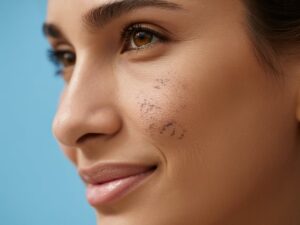
If you’re experiencing post-procedure hyperpigmentation, you’re not alone. These unwelcome marks, often referred to as post-inflammatory hyperpigmentation (PIH), are a common concern, especially for individuals with certain skin types or those who don’t follow proper aftercare. Understanding why these dark spots occur is the first step towards preventing and effectively treating them. In this comprehensive guide, we’ll delve into the causes of dark spots after microneedling, equip you with essential prevention strategies, and explore the most effective treatment options to restore your skin’s clarity.
Understanding Dark Spots After Microneedling
When you undergo microneedling, tiny needles create controlled micro-injuries in the skin. This process stimulates the skin’s natural healing response, leading to increased collagen and elastin production. While beneficial, this controlled injury can sometimes trigger an overproduction of melanin, the pigment responsible for skin color, resulting in dark spots after microneedling.
What Causes Post-Inflammatory Hyperpigmentation (PIH)?
The primary culprit behind these dark spots is Post-Inflammatory Hyperpigmentation (PIH). PIH is the skin’s natural response to inflammation or injury. When the skin experiences trauma, such as the micro-punctures from microneedling, inflammatory cells release signals that stimulate melanocytes – the cells responsible for producing melanin – to go into overdrive. This excess melanin is then deposited in the deeper layers of the skin, manifesting as persistent dark spots.
Several factors can increase your risk of developing PIH:
- Skin Type: Individuals with Fitzpatrick skin types III to VI (medium to darker skin tones) are inherently more prone to PIH because their melanocytes are more active and produce melanin more readily.
- Aggressive Treatment: If the microneedling depth is too deep, the needle speed is too high, or the procedure is performed too frequently, it can cause excessive inflammation, increasing the likelihood of dark spots after microneedling.
- Sun Exposure: Exposure to ultraviolet (UV) radiation significantly worsens PIH. UV rays stimulate melanin production, making existing dark spots darker and triggering new ones, especially in compromised skin post-procedure.
- Improper Aftercare: Neglecting crucial aftercare steps, such as not using sunscreen or applying harsh products too soon, can lead to increased inflammation and subsequent pigmentation.
- Underlying Conditions: Certain skin conditions or medications can make your skin more susceptible to PIH.
Distinguishing PIH from Other Post-Microneedling Issues
It’s important to differentiate true PIH from other temporary post-microneedling effects. Immediately after treatment, you might experience redness, swelling, and sometimes minor bruising. These are normal and typically resolve within a few days to a week. Dark spots after microneedling, or PIH, usually appear a few days to a week after the initial redness subsides and tend to persist for weeks or even months if left untreated. They often look like flat, brown, black, or grayish patches on the skin.
Prevention is Key: Avoiding Dark Spots After Microneedling
The best approach to dealing with dark spots after microneedling is to prevent them from occurring in the first place. Diligent preparation and meticulous aftercare are paramount.
Pre-Procedure Precautions
- Choose a Qualified Professional: This is arguably the most crucial step. Seek out a board-certified dermatologist, licensed aesthetician, or medical professional with extensive experience in microneedling, especially on diverse skin tones. They will assess your skin type, history of hyperpigmentation, and determine the appropriate needle depth and technique.
- Disclose Your Skin History: Be honest about any history of hyperpigmentation, melasma, or keloid scarring. This information helps your practitioner tailor the treatment to minimize risks.
- Pre-Treat Your Skin (If Recommended): For those prone to PIH, your dermatologist might recommend a pre-treatment regimen using topical agents like hydroquinone, retinoids, or vitamin C for 2-4 weeks prior to microneedling. This helps to quiet down melanocyte activity.
- Avoid Sun Exposure: Limit sun exposure in the weeks leading up to your treatment. Sunburned or tanned skin increases the risk of complications.
- Discontinue Certain Products: Stop using retinoids, alpha hydroxy acids (AHAs), beta hydroxy acids (BHAs), and other exfoliating agents a few days to a week before your appointment, as advised by your professional.
During & Post-Procedure Care
Your actions immediately after microneedling significantly impact your healing and the likelihood of developing dark spots after microneedling.
- Strict Sun Protection: This cannot be emphasized enough. For at least 2-4 weeks post-procedure (and ideally always), use a broad-spectrum sunscreen with an SPF of 30 or higher daily, even on cloudy days. Reapply every two hours if outdoors. Wear wide-brimmed hats and seek shade. Sun exposure is the number one accelerator of PIH.
- Gentle Cleansing and Moisturizing: Use a mild, fragrance-free cleanser and a rich, hydrating moisturizer. Keeping the skin moist aids in healing and reduces inflammation. Avoid harsh scrubbing or picking at any flaking skin.
- Avoid Active Ingredients: For the first 3-7 days (or as advised by your professional), steer clear of active ingredients like retinoids, AHAs, BHAs, Vitamin C, and other exfoliating or brightening serums. Introduce them gradually back into your routine, typically after a week, starting with lower concentrations.
- Stay Hydrated: Drink plenty of water to support your skin’s healing process from within.
- Avoid Excessive Heat: Hot showers, saunas, and intense exercise that causes excessive sweating should be avoided for 24-48 hours, as they can increase inflammation.
Treating Existing Dark Spots After Microneedling
If despite your best efforts, you develop dark spots after microneedling, don’t despair. There are effective strategies to diminish their appearance and restore an even skin tone. Patience and consistency are crucial, as PIH can take weeks to months to fade.
Topical Treatments
Once your skin has fully healed from the immediate microneedling trauma (usually 5-7 days), you can gradually introduce topical agents known for their pigment-reducing properties. Always consult your skincare professional before starting new treatments.
- Vitamin C: A powerful antioxidant that brightens the skin, inhibits melanin production, and protects against environmental damage. Look for L-ascorbic acid in concentrations of 10-20%.
- Niacinamide (Vitamin B3): Reduces inflammation, improves skin barrier function, and helps prevent the transfer of melanin to skin cells, thereby reducing the appearance of dark spots after microneedling.
- Azelaic Acid: A natural dicarboxylic acid with anti-inflammatory and antibacterial properties. It effectively reduces hyperpigmentation by inhibiting tyrosinase, an enzyme crucial for melanin production.
- Alpha Arbutin/Kojic Acid: These ingredients also work by inhibiting tyrosinase, helping to lighten existing dark spots and prevent new ones.
- Retinoids (Retinol, Tretinoin): These Vitamin A derivatives accelerate cell turnover, helping to shed pigmented skin cells faster. They also interfere with melanin production. Introduce them slowly to avoid irritation, especially if your skin is still sensitive. Prescription-strength tretinoin is more potent.
- Hydroquinone: Considered the gold standard for treating hyperpigmentation, hydroquinone works by inhibiting the enzyme tyrosinase. It’s often available in 2% over-the-counter strengths and 4% or higher by prescription. Use under professional guidance due to potential side effects with prolonged use.
Professional Treatments (If Topicals Aren’t Enough)
If topical treatments aren’t yielding the desired results, your dermatologist may recommend in-office procedures:
- Mild Chemical Peels: Superficial peels containing lactic acid, glycolic acid, or salicylic acid can help exfoliate the top layers of the skin, accelerating the shedding of pigmented cells.
- Microdermabrasion: A gentle exfoliating procedure that can help remove the outermost layer of skin, improving the appearance of superficial dark spots.
- Laser Treatments: Certain lasers, such as Q-switched or picosecond lasers, can target melanin deposits in the skin without causing significant damage to surrounding tissue. These should only be performed by experienced professionals, especially on darker skin tones, as improper use can worsen PIH.
- Gentle Microneedling Sessions: Paradoxically, very superficial microneedling (with precise settings) can sometimes be used to treat PIH, but this requires expert assessment and a different approach than the initial treatment.
Patience and Consistency
Fading dark spots after microneedling is a gradual process. It can take several weeks to months to see significant improvement. Stick to your chosen treatment regimen, consistently use sun protection, and maintain open communication with your skincare professional.
Pros and Cons of Microneedling in Relation to Hyperpigmentation
While this article focuses on the potential for dark spots after microneedling, it’s important to remember that microneedling can also be a powerful tool for improving skin concerns, including certain types of hyperpigmentation, when performed correctly.
Pros:
- Effective for Certain Hyperpigmentation: Microneedling can be highly effective in improving the appearance of various forms of hyperpigmentation, such as post-acne marks (not fresh acne), sunspots, and even melasma, by promoting cell turnover and collagen remodeling.
- Improves Overall Skin Texture: Beyond pigmentation, it significantly enhances skin texture, reduces fine lines, and minimizes pore size, leading to a more refined complexion.
- Enhances Product Absorption: The micro-channels created by microneedling allow topical products (like brightening serums) to penetrate more deeply and work more effectively.
Cons:
- Risk of PIH: As discussed, the primary downside is the risk of developing new or worsening existing dark spots after microneedling, especially in individuals with darker skin tones or if the procedure is done improperly.
- Requires Strict Aftercare: The success and safety of microneedling heavily rely on diligent aftercare, particularly sun protection, which can be challenging to maintain consistently for some.
- Downtime: While generally minimal, there is some downtime involving redness and sensitivity, which can be inconvenient.
Recommended Products
To aid in the prevention and treatment of dark spots after microneedling, consider incorporating these well-regarded products into your skincare routine. Always consult with your dermatologist or aesthetician before introducing new products, especially post-procedure.
EltaMD UV Clear Broad-Spectrum SPF 46
A lightweight, oil-free, and non-comedogenic sunscreen, ideal for sensitive and acne-prone skin. Essential for preventing and minimizing dark spots.
SkinCeuticals C E Ferulic
A potent Vitamin C serum known for its antioxidant protection and ability to brighten skin and reduce the appearance of dark spots. Introduce post-healing.
The Ordinary Niacinamide 10% + Zinc 1%
An affordable serum that helps reduce the appearance of skin blemishes and congestion, and supports barrier function, which is crucial for PIH prevention and treatment.
CeraVe Moisturizing Cream
A gentle, fragrance-free, and non-comedogenic cream that provides essential hydration and helps restore the skin’s protective barrier post-microneedling.
Paula’s Choice 10% Azelaic Acid Booster
A multi-tasking treatment that brightens skin tone, visibly reduces dark spots, and calms redness, suitable for use once skin has healed.
Frequently Asked Questions About Dark Spots After Microneedling
Q1: How long do dark spots after microneedling last?
The duration of dark spots after microneedling, or PIH, varies greatly depending on individual skin type, the severity of the pigmentation, and the consistency of treatment. Mild spots might fade within a few weeks to a couple of months with proper care and sun protection. More stubborn or deeper pigmentation could take 6-12 months or even longer to fully resolve. Consistent use of targeted topical treatments and strict sun avoidance can significantly accelerate the fading process.
Q2: Can microneedling make hyperpigmentation worse?
Yes, unfortunately, if not performed correctly or if proper aftercare is neglected, microneedling can indeed worsen existing hyperpigmentation or induce new dark spots after microneedling. This is particularly true for individuals with darker skin tones, those with a history of melasma, or if the treatment is too aggressive, causes too much inflammation, or is followed by sun exposure. Choosing an experienced professional and adhering strictly to post-procedure instructions are crucial to minimize this risk.
Q3: Is it safe to do microneedling on dark skin?
Microneedling can be safe and effective for darker skin tones, but it requires extreme caution and expertise. Individuals with Fitzpatrick skin types III-VI are more prone to PIH. Therefore, it’s vital to choose a practitioner who has extensive experience treating darker skin, understands appropriate needle depths, and can implement pre- and post-treatment protocols (like using melanin-inhibiting agents) to minimize the risk of developing dark spots after microneedling. Less aggressive settings and more sessions might be preferred over one intense session.
Q4: What should I avoid after microneedling to prevent dark spots?
To prevent dark spots after microneedling, you must rigorously avoid:
- Direct Sun Exposure: The most critical factor. Use broad-spectrum SPF 30+ daily and reapply.
- Harsh Skincare Products: Avoid retinoids, AHAs, BHAs, Vitamin C, and other exfoliating or irritating ingredients for at least 3-7 days post-procedure.
- Picking or Scratching: Do not pick at any scabs or flaking skin, as this can lead to further inflammation and PIH.
- Excessive Heat: Limit hot showers, saunas, and intense exercise for 24-48 hours.
- Irritating Cosmetics: Avoid makeup with strong fragrances or potentially irritating ingredients immediately after.
Q5: When can I start using active ingredients again after microneedling?
Generally, you should wait until your skin has fully healed from the initial trauma, which is typically 3-7 days, before reintroducing active ingredients. Always follow your practitioner’s specific advice. When you do reintroduce them, start slowly (e.g., every other night for retinoids, or lower concentrations) to see how your skin reacts, especially if you are prone to dark spots after microneedling. Sunscreen remains mandatory.
Q6: Can I use hydroquinone for dark spots after microneedling?
Yes, hydroquinone is often recommended for treating existing dark spots after microneedling, especially for more stubborn cases of PIH. However, it should only be introduced once the skin has completely healed from the microneedling procedure (typically after 1-2 weeks, or as advised by your professional) and preferably under the guidance of a dermatologist due to its potency and potential side effects with prolonged or improper use. It works best when combined with strict sun protection.
Conclusion: Managing and Preventing Dark Spots for Clearer Skin
Microneedling offers incredible potential for skin rejuvenation, but the emergence of dark spots after microneedling can be a challenging side effect. Understanding that these marks are often a form of Post-Inflammatory Hyperpigmentation (PIH) is the first step towards effectively managing them. The good news is that with the right knowledge, diligent preparation, and consistent aftercare, you can significantly reduce your risk of developing these spots and successfully treat them if they do appear.
Remember, prevention is always easier than treatment. Prioritizing a qualified professional, strict sun protection, and a gentle post-procedure skincare routine are your most powerful defenses against PIH. If dark spots do manifest, a combination of targeted topical treatments and, if necessary, professional interventions can help restore your skin’s even tone and clarity. Don’t let the fear of dark spots after microneedling deter you from seeking the skin you desire. With informed choices and proactive care, you can achieve the beautiful, radiant results you hoped for.
“`