
In the ever-evolving world of skincare, new trends and ancient remedies constantly resurface, promising miraculous results. One such ingredient that has gained significant traction recently is beef tallow. Once a staple in kitchens, this rendered animal fat is now making waves in beauty routines, with many touting its benefits for everything from moisturizing dry skin to improving elasticity.
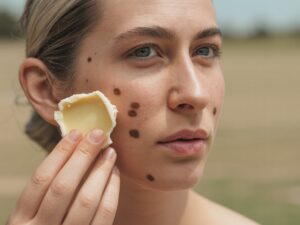
But amidst the buzz, a common question arises Does beef tallow help with dark spots? Dark spots, scientifically known as hyperpigmentation, are a pervasive skin concern that can affect confidence and lead many to seek out natural, effective solutions. From sun spots to post-acne marks, these discolorations can be stubborn and challenging to treat.
This comprehensive guide will dive deep into the world of beef tallow, exploring its composition, potential skin benefits, and whether it holds the key to fading those unwelcome dark spots. We’ll examine the science (or lack thereof) behind its claims, discuss how to incorporate it into your routine, and weigh the pros and cons, helping you determine if beef tallow is the right choice for your hyperpigmentation concerns.
Understanding Dark Spots: The Root of the Problem
Before we delve into beef tallow’s potential, it’s crucial to understand what dark spots are and why they appear. Dark spots, or hyperpigmentation, occur when certain areas of the skin produce an excess of melanin, the pigment responsible for skin, hair, and eye color. This overproduction leads to patches of skin that are darker than the surrounding areas.
Common Causes of Hyperpigmentation:
- Sun Exposure: The most frequent cause. UV radiation stimulates melanin production as a protective mechanism, leading to sunspots, age spots, and freckles.
- Post-Inflammatory Hyperpigmentation (PIH): Occurs after skin inflammation or injury, such as acne breakouts, eczema, psoriasis, or even minor cuts. The skin responds by producing excess melanin.
- Melasma: A type of hyperpigmentation often triggered by hormonal changes (e.g., pregnancy, birth control) combined with sun exposure. It typically appears as larger, blotchy patches.
- Medications: Certain drugs can cause hyperpigmentation as a side effect.
- Genetics: Some individuals are more predisposed to developing dark spots.
Addressing dark spots often requires a multi-faceted approach, focusing on prevention, barrier repair, and ingredients that inhibit melanin production or promote cell turnover. So, where does beef tallow fit into this picture?
What Exactly is Beef Tallow?
Beef tallow is simply rendered beef fat. “Rendering” is the process of slowly melting animal fat to separate impurities, resulting in a clean, stable, and shelf-stable product. Historically, tallow was a common cooking fat and ingredient in soaps and candles before the advent of vegetable oils and petroleum-based products.
Key Components of Beef Tallow:
- Fatty Acids: Tallow is rich in saturated and monounsaturated fatty acids, similar to the lipid composition of human skin sebum.
- Oleic Acid (Omega-9): A monounsaturated fatty acid known for its moisturizing and skin-penetrating properties.
- Stearic Acid: A saturated fatty acid that helps strengthen the skin’s barrier function and lock in moisture.
- Palmitic Acid: Another saturated fatty acid, a major component of skin lipids, crucial for barrier integrity.
- Fat-Soluble Vitamins: Depending on the animal’s diet (grass-fed vs. grain-fed), tallow can be a good source of:
- Vitamin A: Important for cell regeneration, collagen production, and antioxidant protection.
- Vitamin D: Known for its anti-inflammatory and skin-healing properties.
- Vitamin E: A powerful antioxidant that protects skin cells from damage and supports skin healing.
- Vitamin K: May aid in reducing the appearance of bruising and promoting even skin tone.
- Conjugated Linoleic Acid (CLA): Found in higher concentrations in grass-fed tallow, CLA has anti-inflammatory and antioxidant properties.
The remarkable similarity between tallow’s fatty acid profile and our skin’s natural oils is often cited as a reason for its exceptional compatibility and absorption. This makes it a compelling ingredient for overall skin health, but does beef tallow help with dark spots specifically?
The Science Behind Tallow for Skin Health (and Dark Spots)
While the ancestral wisdom and anecdotal evidence for tallow’s skin benefits are strong, direct scientific studies specifically on beef tallow helping with dark spots are limited. Most of its purported benefits stem from its rich nutritional profile and its ability to support general skin health.
How Tallow May Indirectly Benefit Skin Prone to Dark Spots:
- Enhanced Skin Barrier Function: The high content of saturated and monounsaturated fatty acids (stearic, palmitic, oleic) helps to replenish and strengthen the skin’s natural lipid barrier. A strong barrier is crucial for:
- Preventing Moisture Loss: Keeping skin hydrated and plump, which can make existing spots appear less prominent.
- Protecting Against Environmental Damage: A robust barrier is better equipped to defend against irritants and pollutants that can trigger inflammation and subsequent hyperpigmentation.
- Anti-Inflammatory Properties: Vitamins A, D, E, and CLA in tallow possess anti-inflammatory qualities. Reducing inflammation is vital for preventing and minimizing post-inflammatory hyperpigmentation (PIH), which often follows acne or other skin irritations. By calming the skin, tallow may help prevent new dark spots from forming or reduce the severity of existing ones caused by inflammation.
- Antioxidant Protection: Vitamins A and E are potent antioxidants that combat free radical damage. Free radicals, often generated by UV exposure and pollution, can damage skin cells and trigger melanin overproduction. By neutralizing these free radicals, tallow may offer some protective benefits against the formation of sun-induced dark spots.
- Skin Cell Regeneration: Vitamin A (retinol precursors) in tallow supports healthy cell turnover. While not as potent as synthetic retinoids, this gentle encouragement of new cell growth can, over time, help to shed pigmented skin cells, potentially contributing to a more even skin tone.
- Deep Moisturizing: Tallow’s unique composition allows it to penetrate deeply, providing intense, long-lasting hydration without necessarily clogging pores for most individuals. Well-hydrated skin often looks healthier, smoother, and more radiant, potentially making dark spots less noticeable.
It’s important to set realistic expectations. While beef tallow can significantly improve overall skin health, hydration, and barrier function, it is not a direct depigmenting agent in the same league as ingredients like hydroquinone, retinoids, or potent Vitamin C serums. It works more as a supportive, restorative ingredient that creates an optimal environment for skin healing and resilience, which can indirectly contribute to a more even complexion over time by preventing new spots and aiding natural skin processes.
Does Beef Tallow Directly Target Dark Spots? The Verdict
To directly answer the question, “Does beef tallow help with dark spots?” – the answer is nuanced. Beef tallow is not a primary treatment for existing, deeply entrenched dark spots. You won’t find it listed alongside hydroquinone, arbutin, or even high concentrations of vitamin C as a melanin inhibitor.
However, its contributions to skin health are undeniable. If your dark spots are primarily a result of inflammation (like post-acne marks) or if your skin barrier is compromised, making it more susceptible to further pigmentation, then tallow can play a beneficial role. By reducing inflammation, strengthening the skin barrier, and providing antioxidant protection, tallow creates a healthier skin environment that is less prone to developing new dark spots and may allow the skin’s natural processes to gradually fade existing, superficial pigmentation more effectively.
Think of tallow as a powerful ally for overall skin resilience and prevention, rather than a targeted spot treatment. For significant fading of established dark spots, you will likely need to incorporate other proven ingredients or professional treatments.
Incorporating Beef Tallow into Your Skincare Routine
If you’re curious to try beef tallow for its skin benefits, including its potential indirect support for dark spots, here’s how to do it effectively:
1. Source High-Quality Tallow:
- Grass-Fed and Grass-Finished: This is crucial. Tallow from grass-fed cattle will have a richer nutritional profile, including higher levels of vitamins A, D, E, K2, and CLA.
- Organic/Pasture-Raised: Ensures the cattle were raised without harmful pesticides or hormones.
- Look for “Rendered Suet”: Suet is the fat around the kidneys, considered the highest quality for skincare.
- Unscented/Lightly Scented: Pure tallow has a mild, earthy scent. Some brands add essential oils to mask it or add additional benefits.
2. Patch Test First:
As with any new product, apply a small amount of tallow to an inconspicuous area (like behind your ear or on your inner arm) for 24-48 hours to check for any adverse reactions.
3. Application Tips:
- Cleanse Your Skin: Always start with a clean face.
- Apply to Damp Skin: Tallow, like other occlusive moisturizers, works best when applied to slightly damp skin to help seal in moisture.
- Use Sparingly: A little goes a long way. Tallow is rich, so start with a pea-sized amount and gently massage it into your skin.
- Layering: Apply after lighter serums (like hyaluronic acid or vitamin C) and before heavier sunscreens.
- Frequency: Can be used daily, morning and/or night, depending on your skin’s needs. Many find it excellent as a night cream.
4. Combine with Proven Dark Spot Treatments:
For best results in addressing dark spots, integrate tallow into a routine that also includes ingredients specifically known for pigmentation reduction:
- Vitamin C Serum: A powerful antioxidant that brightens skin and inhibits melanin production.
- Niacinamide (Vitamin B3): Helps reduce inflammation and prevents melanin transfer to skin cells.
- Retinoids (Retinol, Tretinoin): Promote cell turnover and help shed pigmented cells.
- AHAs (Glycolic Acid, Lactic Acid): Exfoliate the skin, helping to fade surface pigmentation.
Crucially, always follow with a broad-spectrum sunscreen (SPF 30+) every morning, especially when treating dark spots. Sun protection is the single most important step in preventing and managing hyperpigmentation.
Pros and Cons of Using Beef Tallow for Skin
Pros:
- Deeply Moisturizing: Exceptional emollient, providing long-lasting hydration.
- Rich in Nutrients: Packed with fat-soluble vitamins (A, D, E, K) and beneficial fatty acids.
- Bio-Compatible: Its composition closely mimics human skin sebum, leading to excellent absorption and compatibility.
- Non-Comedogenic (for most): Often doesn’t clog pores despite its richness.
- Supports Skin Barrier: Strengthens the skin’s protective barrier, reducing moisture loss and environmental damage.
- Anti-Inflammatory: Can help calm irritated skin and prevent post-inflammatory hyperpigmentation.
- Natural & Minimalist: Appeals to those seeking simple, natural skincare solutions.
- Affordable (if DIY): Can be very cost-effective if you render your own.
Cons:
- Scent: Pure tallow can have a distinct, earthy, or slightly “beefy” scent, which some find off-putting. Many commercial products add essential oils to mask this.
- Texture: It’s a rich, dense balm or oil, which might feel heavy or greasy for some, especially those with oily skin.
- Limited Direct Evidence for Dark Spots: While beneficial for overall skin health, its direct efficacy as a primary dark spot treatment lacks extensive scientific studies.
- Sourcing Quality: The benefits are highly dependent on the quality of the tallow (grass-fed is key), which might be harder to find or more expensive.
- Not Vegan/Vegetarian Friendly: An obvious drawback for those avoiding animal products.
Recommended Products
While beef tallow itself is a fantastic base, combining it with other proven ingredients can supercharge your fight against dark spots. Here are some complementary products or highly-rated stand-alone options to consider:
Grass-Fed Beef Tallow Balm for Skin
A high-quality, pre-made tallow balm ensures you’re getting the best nutrients for your skin. Look for options without unnecessary additives or fragrances, or with beneficial essential oils.
Vitamin C Serum for Face
A powerful antioxidant that brightens the skin, inhibits melanin production, and boosts collagen. An essential for fighting dark spots effectively. Apply before your tallow balm.
Niacinamide Serum for Face
Helps reduce inflammation, minimize pore appearance, and prevent the transfer of pigment to skin cells, making it excellent for post-inflammatory hyperpigmentation. Can be used with tallow.
Broad-Spectrum SPF 30+ Sunscreen
Non-negotiable for preventing and treating dark spots. Daily use of sunscreen protects against UV damage that triggers hyperpigmentation. Apply as the last step in your morning routine.
Frequently Asked Questions About Beef Tallow and Dark Spots
Q1: Is beef tallow safe for all skin types, especially sensitive or acne-prone skin?
Beef tallow is generally well-tolerated due to its similarity to human sebum. Many with sensitive skin find it soothing. For acne-prone skin, grass-fed tallow is often considered non-comedogenic (won’t clog pores), but individual reactions can vary. Always perform a patch test first.
Q2: How long does it take to see results with beef tallow for dark spots?
If you see results, they will likely be gradual and indirect. For overall skin health and barrier improvement, you might notice changes within a few weeks. For dark spots, especially existing ones, expect a longer timeline of several months, and remember that tallow primarily supports skin health rather than directly fading pigmentation. Consistent use and combining it with proven treatments are key.
Q3: Can beef tallow clog pores or cause breakouts?
While tallow is rich, its fatty acid profile is very similar to our skin’s natural oils, making it generally non-comedogenic for most. However, everyone’s skin is unique. If you have extremely oily or acne-prone skin, introduce it slowly and monitor for any adverse reactions. Using too much can also make your skin feel heavy.
Q4: What’s the best type of beef tallow to use for skincare?
Always opt for grass-fed and grass-finished beef tallow. This ensures a higher concentration of beneficial fat-soluble vitamins (A, D, E, K) and conjugated linoleic acid (CLA), which are crucial for its skin-nourishing properties. Organic and pasture-raised are additional indicators of quality.
Q5: Can I use beef tallow with other dark spot treatments like Vitamin C or retinoids?
Yes, absolutely! Beef tallow can be an excellent complementary product. Apply lighter serums (like Vitamin C or niacinamide) first, allow them to absorb, and then follow with tallow as your moisturizer. Tallow can help soothe any potential irritation from more active ingredients and strengthen the skin barrier, making your routine more effective and comfortable. Always apply sunscreen in the morning when using active ingredients.
Q6: Does beef tallow have a strong smell?
Pure, high-quality rendered beef tallow typically has a very mild, earthy, or faintly “beefy” scent that dissipates quickly upon application. Some people are more sensitive to it than others. Many commercial tallow balms add essential oils like lavender or frankincense to provide a more pleasant aroma and additional skincare benefits.
Conclusion: Tallow as a Supportive Ally
When asking does beef tallow help with dark spots, the answer is not a straightforward yes or no. While beef tallow is a powerhouse for overall skin health, offering deep moisturization, barrier support, and a rich array of fat-soluble vitamins, it is not a direct depigmenting agent designed to aggressively fade existing dark spots. Its benefits for hyperpigmentation are primarily indirect: by strengthening the skin barrier, reducing inflammation, and providing antioxidant protection, it creates a healthier, more resilient skin environment that is less prone to developing new dark spots and can better support the skin’s natural healing processes.
If you’re seeking a natural, nutrient-rich ingredient to nourish your skin, improve its texture, and potentially prevent future pigmentation, beef tallow is an excellent choice. However, for significant results on established dark spots, it should be used in conjunction with proven active ingredients like Vitamin C, niacinamide, retinoids, and, most importantly, consistent broad-spectrum sunscreen application.
Embrace beef tallow as a valuable supportive ally in your skincare routine. Its ancestral roots and growing popularity speak to its profound ability to contribute to a radiant, healthy complexion, allowing your skin to thrive and naturally reduce the appearance of imperfections over time. Always listen to your skin and consult a dermatologist for persistent skin concerns.