
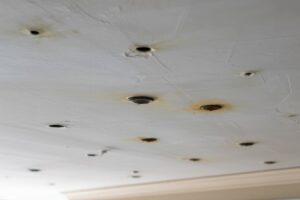
In this comprehensive guide, we’ll delve deep into the various culprits behind those mysterious dark spots on ceiling. We’ll equip you with the knowledge to identify the specific problem plaguing your home, whether it’s a common issue or a hidden hazard. More importantly, we’ll provide practical, actionable advice on how to address these spots, outlining both DIY solutions and when it’s absolutely necessary to call in a professional. Get ready to turn your ceiling from a canvas of confusion into a clear, clean surface once again, ensuring your home remains a safe and healthy environment.
Unmasking the Mystery: What Causes Small Dark Spots On Ceiling?
When you spot those unwelcome small dark spots on ceiling, your first thought might be “What are they?” and “How do I get rid of them?” The answer isn’t always straightforward, as several factors can contribute to their appearance. Understanding the potential causes is the first step toward finding an effective solution.
Mold and Mildew: The Usual Suspects
Perhaps the most common and often concerning reason for dark spots on ceiling is the presence of mold or mildew. These fungi thrive in damp, humid environments and can appear as fuzzy, splotchy, or speckled dark spots, ranging from black and green to brown. They often indicate a moisture problem within your home.
- Why they appear: Poor ventilation in bathrooms, kitchens, or laundry rooms; leaks from roofs or pipes; excessive indoor humidity; condensation build-up.
- Symptoms: A distinct musty or earthy odor often accompanies mold growth. The spots may feel slimy if touched.
- Dangers: Beyond being unsightly, mold can trigger allergies, asthma attacks, and other respiratory issues. Certain types of mold can even be toxic. It can also cause significant structural damage over time if left unaddressed.
Water Leaks: A Sign of Bigger Problems
Another prevalent cause of ceiling discoloration is water damage from leaks. These spots usually appear as irregular, often spreading, dark brown or yellowish stains. Unlike mold, they might not have a fuzzy texture, but the area around them might feel damp or soft to the touch.
- Where leaks come from:
- Roof leaks: Especially after heavy rain or snowmelt.
- Plumbing leaks: From pipes running through the ceiling, often from an upstairs bathroom, kitchen, or HVAC unit.
- Condensation: From uninsulated pipes or ductwork.
- Appearance: Often larger than mold spots, with defined edges that can spread over time. Water stains tend to be more uniform in color initially.
- Urgency: A leaking ceiling requires immediate attention. Even a small leak can lead to significant damage, including compromised structural integrity, rot, and extensive mold growth if not fixed promptly.
Pest Infestations: Unwanted Guests
While less common, tiny dark spots on ceiling could be evidence of a pest problem. This could include:
- Rodent droppings: Mice or rats in the attic or wall cavities can leave small, pellet-like droppings.
- Insect waste: Cockroaches, flies, or even termites can leave behind fecal matter or other debris that looks like dark spots. Termites, for example, can leave “frass” (wood-colored droppings) or mud tubes.
- Appearance: These spots are usually small, scattered, and often appear along edges or near entry points for pests. They typically lack the fuzzy texture of mold or the spreading nature of water stains.
- Action: Identifying the type of pest is key to eradication. Professional pest control is often recommended for effective removal and prevention.
Soot and Residue: Airborne Particles
Sometimes, the small dark spots on ceiling are simply accumulations of airborne particles and residue. This can be particularly noticeable near air vents or in areas with poor ventilation.
- Sources:
- Candles: Burning candles, especially those with petroleum-based waxes or long wicks, release soot.
- Fireplaces: Incomplete combustion or inadequate chimney drafting can cause soot to escape and settle.
- Cooking fumes: Grease and smoke from cooking, especially without proper range hood ventilation.
- Smoking: Nicotine and tar from cigarettes or cigars can stain ceilings over time.
- Appearance: Often appear as a fine, uniform layer of dust or discoloration, sometimes concentrated around light fixtures or vents. These spots typically wipe off more easily than mold or water stains.
- Solution: Improving ventilation, regular cleaning, and addressing the source of the airborne particles.
Electrical Issues: A Less Common But Serious Cause
In rare but concerning cases, dark spots on ceiling could indicate an electrical problem. Overheating wires, faulty fixtures, or arcing can cause scorching or burn marks on the ceiling material.
- Appearance: These spots usually appear as distinct burn marks, often localized around light fixtures, smoke detectors, or ceiling fans. They may have a charred or melted look.
- Warning: This is an extremely serious issue that poses a fire hazard. If you suspect an electrical problem, immediately turn off the power to that area at your circuit breaker and contact a qualified electrician. Do not attempt to investigate or fix it yourself.
Identifying the Culprit: A DIY Detective Guide
Now that you know the potential causes, it’s time to put on your detective hat. Carefully examining the characteristics of the small dark spots on ceiling can help you narrow down the possibilities.
- Assess the Location and Pattern:
- Are the spots in a bathroom or kitchen? Likely mold/mildew or cooking residue.
- Are they directly below an upstairs bathroom, a pipe, or near an exterior wall/roofline? Strongly suggests a water leak.
- Are they scattered randomly, particularly near cracks or holes? Could be pests.
- Are they concentrated around a light fixture or vent? Electrical issue or soot/dust.
- Feel for Moisture: Gently touch the spot (wear gloves if you suspect mold). Is it damp, soft, or squishy? This is a strong indicator of an active water leak.
- Smell for Clues: Does the area have a musty, earthy smell (mold)? Or a burnt, acrid odor (electrical)? No distinct smell might point to soot or old stains.
- Consider Your Home’s History: Have you had recent plumbing work, roof issues, or changes in humidity? These can provide valuable context.
- Observe Texture: Is it fuzzy (mold)? Flat and spreading (water stain)? Granular (pest droppings)?
Tackling Small Dark Spots On Ceiling: Solutions and Prevention
Once you’ve identified the likely cause of your small dark spots on ceiling, you can take appropriate action. Remember to prioritize safety and call professionals when needed.
For Mold and Mildew
- Cleaning: For small, superficial mold spots, you can often clean them yourself.
- Mix one part bleach with three parts water in a spray bottle.
- Alternatively, use a solution of white vinegar (undiluted) or a commercial mold remover.
- Spray the solution onto the spots, let it sit for 10-15 minutes, then scrub with a stiff brush or sponge.
- Always wear gloves, eye protection, and a mask, and ensure good ventilation.
- Prevention:
- Improve ventilation in bathrooms and kitchens with exhaust fans.
- Use a dehumidifier in damp areas, especially basements.
- Fix any leaks promptly.
- Ensure proper insulation to prevent condensation.
For Water Leaks
- Immediate Action: Locate and stop the source of the leak as quickly as possible. This might involve turning off the water main or temporarily patching a roof.
- Repair: Once the leak is fixed, the ceiling will need to be dried thoroughly. Depending on the extent of the damage, this might involve replacing drywall, plaster, or insulation. For persistent or large leaks, a plumber or roofer is essential.
- Drying: Use fans and dehumidifiers to dry the affected area completely to prevent mold growth.
For Pest-Related Spots
- Cleaning: Carefully clean the droppings or residue with soap and water, wearing gloves.
- Eradication: Identify the pest and take steps to remove them. This could involve traps for rodents or insecticides for insects. For serious infestations, a professional pest control service is highly recommended.
- Prevention: Seal entry points like cracks in foundations, gaps around pipes, and unsealed attic vents. Keep your home clean and store food properly to deter pests.
For Soot and Residue
- Cleaning: For light soot, a dry sponge (like a chemical dry sponge or “soot sponge”) can work wonders. For heavier residue, use a mild detergent mixed with water, or a specialized degreaser for kitchen grease.
- Prevention:
- Ensure proper ventilation when cooking.
- Trim candle wicks and use high-quality, clean-burning candles.
- Have your fireplace and chimney regularly inspected and cleaned.
- Consider an air purifier for general airborne particle reduction.
When to Call a Professional
While some small dark spots on ceiling can be tackled with DIY methods, there are critical times when professional help is essential:
- Large or widespread mold: If mold covers an area larger than 10 square feet, or if you suspect it’s in your HVAC system or behind walls.
- Persistent leaks: If you can’t locate the source of a leak, or if repairs are beyond your skill level.
- Electrical concerns: Any sign of burning or electrical arcing requires an immediate call to a licensed electrician.
- Structural damage: If the ceiling feels soft, sags, or shows signs of structural compromise.
- Persistent pest infestations: If DIY methods aren’t effective, or if you’re dealing with potentially dangerous pests like termites.
The Pros and Cons of DIY vs. Professional Help
Deciding whether to tackle those dark spots on ceiling yourself or hire a professional depends on the severity, complexity, and your comfort level with the task.
Pros of DIY
- Cost-Effective: For minor issues like small mold spots or soot, DIY cleaning is significantly cheaper than hiring a professional.
- Immediate Action: You can address the problem as soon as you notice it, potentially preventing it from worsening.
- Learning Experience: Tackling minor home repairs can build valuable skills and confidence.
Cons of DIY
- Risk of Incomplete Removal: Without proper tools and expertise, you might only clean the surface, leaving the root cause unaddressed, leading to recurrence.
- Missing Underlying Issues: A DIY approach might miss the deeper problem, like a hidden leak or a major mold colony behind drywall.
- Safety Hazards: Dealing with mold, water, or electrical issues without proper protection or knowledge can be dangerous to your health and home.
- Potential for Damage: Improper cleaning methods or repairs can inadvertently cause more damage to your ceiling or surrounding areas.
Pros of Professional Help
- Expertise and Experience: Professionals have the knowledge to accurately diagnose the cause of the spots and implement the most effective solution.
- Proper Tools and Equipment: They come equipped with specialized tools for detection, remediation, and repair that most homeowners don’t possess.
- Long-Term Solutions: Professionals aim to fix the root cause, not just the visible symptom, offering more durable solutions.
- Safety: They follow strict safety protocols, especially when dealing with hazardous materials like mold or electrical faults.
- Insurance Claims: For significant damage, a professional assessment and repair can be crucial for insurance claims.
Cons of Professional Help
- Cost: Professional services are an investment, and can be expensive depending on the scope of work.
- Scheduling: You’ll need to coordinate schedules, which might mean waiting for an appointment.
Recommended Products
Concrobium Mold Control Spray
An effective, non-toxic solution for eliminating mold and preventing its regrowth on various surfaces, including ceilings.
Mini Dehumidifier for Small Spaces
Ideal for reducing humidity in bathrooms, closets, or small rooms to prevent mold and mildew growth.
Water Leak Detector Alarm
Place these sensors near potential leak sources like water heaters, under sinks, or in basements for early warning of moisture.
Chemical Dry Soot Sponge
A specialized dry cleaning sponge that effectively removes soot, smoke, and dust from walls and ceilings without water.
Frequently Asked Questions About Small Dark Spots On Ceiling
Here are some common questions homeowners have when they discover dark spots on their ceilings:
Q1: Are small dark spots on the ceiling always mold?
A: Not always, but it’s a very common cause. While mold is a frequent culprit, especially in damp areas, small dark spots on ceiling can also be caused by water leaks (stains), soot and residue from candles or cooking, pest droppings, or even rare electrical issues. It’s important to investigate the specific characteristics and location of the spots to determine the exact cause.
Q2: Can I paint over small dark spots on the ceiling?
A: Painting over them is generally not recommended as a first step. If the spots are caused by mold or a leak, simply painting over them will only hide the problem temporarily, and it will likely reappear. For mold, you need to clean and treat the area thoroughly first. For water stains, the leak must be fixed and the area dried completely before applying a stain-blocking primer and then paint. Skipping these steps means the underlying issue will persist and potentially worsen.
Q3: How do I prevent small dark spots on the ceiling from reappearing?
A: Prevention involves addressing the root causes. For mold, focus on improving ventilation (exhaust fans), controlling humidity (dehumidifiers), and promptly fixing any leaks. For soot, ensure good ventilation when cooking or burning candles. Regular cleaning, sealing cracks to prevent pests, and routine home maintenance are key to keeping your ceilings clear.
Q4: What’s the difference between mold and mildew spots?
A: Mildew is actually a type of mold, typically appearing as a flat, powdery growth on surfaces, often white, gray, or yellowish, and sometimes becoming darker. Mold, in a broader sense, can be fuzzy, slimy, or cottony, and often grows in deeper colors like black, green, or dark brown. Mildew is generally easier to clean from surfaces, while other types of mold can penetrate deeper and be more challenging to remove, potentially indicating more significant moisture issues.
Q5: When should I be worried about small dark spots on the ceiling?
A: You should be worried if the spots are rapidly growing, accompanied by a strong musty smell, feel damp to the touch, or if you suspect they are related to a persistent water leak or an electrical problem. Any signs of structural damage like sagging or cracking also warrant immediate concern. In these cases, it’s best to consult with a professional.
Q6: Can candle smoke cause dark spots?
A: Yes, absolutely. Burning candles, especially those with long wicks or made from certain types of wax, can release soot particles into the air. Over time, these particles can accumulate on ceilings, particularly around light fixtures or in areas with poor airflow, creating noticeable small dark spots on ceiling. Improving ventilation and trimming wicks can help minimize this.
Conclusion
Discovering small dark spots on ceiling can be a concerning moment for any homeowner. As we’ve explored, these seemingly innocuous marks can be indicators of a range of issues, from minor surface residue to more significant problems like active water leaks, mold infestations, or even electrical hazards. The key takeaway is that these spots should never be ignored or simply painted over without proper investigation.
By carefully assessing the location, appearance, and any accompanying odors or textures, you can often pinpoint the likely cause. Whether it’s the musty scent of mold, the spreading stain of a leak, or the tell-tale signs of a pest, identifying the root problem is the critical first step towards a lasting solution. While many minor issues can be addressed with DIY cleaning and preventative measures, remember the importance of knowing when to call in a professional for larger, more complex, or potentially dangerous situations.
Regular home maintenance and a watchful eye on your ceilings can save you from bigger headaches and costly repairs down the line. Address those dark spots on ceiling promptly and properly, and you’ll maintain not only the aesthetic appeal of your home but also its structural integrity and the health of its occupants. Your ceiling is more than just a surface; it’s a silent sentinel, often communicating important messages about your home’s well-being.
“`