
If you have colored hair, you know the struggle: maintaining that vibrant shade while keeping your strands healthy and free from build-up. It’s a delicate balance. On one hand, you want to remove product residue, hard water minerals, and environmental impurities that can weigh your hair down and make it look dull. On the other hand, the thought of anything stripping away your hard-earned hair color is enough to make you shy away from powerful cleansing products. This is where the question of clarifying shampoo on dyed hair often arises. Many individuals with color-treated hair find themselves asking: “Can you use clarifying shampoo on dyed hair The short answer is yes, but with significant caveats and careful consideration. Using it incorrectly can lead to faded color, dryness, and even damage. However, when used strategically and with the right approach, a clarifying shampoo can be a valuable tool in your hair care arsenal, helping to restore shine and vitality to your colored locks. In this comprehensive guide, we’ll dive deep into the world of clarifying shampoos, exploring their benefits, risks for dyed hair, and most importantly, how to use them safely to keep your color looking fresh and your hair feeling clean.
Understanding Clarifying Shampoos and Their Impact on Color
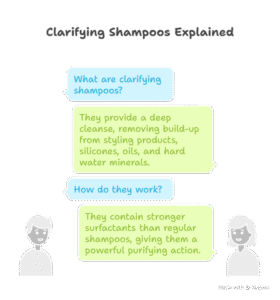
Before we discuss if you can use clarifying shampoo on dyed hair, let’s understand what these shampoos are and how they work. Clarifying shampoos are specially formulated to provide a deep cleanse, removing heavy build-up from styling products, silicones, oils, and hard water minerals that regular shampoos might leave behind. They typically contain stronger surfactants (cleansing agents) than everyday shampoos, which is what gives them their powerful purifying action.
Why Clarifying Shampoos Are So Effective
- Deep Cleanse: They excel at cutting through grease and grime, leaving your scalp and hair feeling incredibly clean.
- Removes Build-up: Essential for undoing the effects of styling products, dry shampoo, and leave-in conditioners that can accumulate over time.
- Restores Shine: By removing dulling residues, clarifying shampoos can reveal your hair’s natural luster.
- Prepares Hair: Some people use them before chemical treatments (like perms or relaxers) to ensure the hair is optimally receptive.
The Potential Risks for Color-Treated Hair
The very strength that makes clarifying shampoos effective is also what poses a risk to dyed hair. Here’s why:
- Color Stripping: The powerful surfactants can lift the cuticle layer of your hair, allowing color molecules to escape, leading to premature fading. This is especially true for vivid, semi-permanent, or fashion colors.
- Dryness: By thoroughly stripping away oils and residues, clarifying shampoos can also remove some of your hair’s natural moisture, potentially leaving color-treated hair feeling dry and brittle. Dyed hair is often already more porous and prone to dryness.
- Increased Porosity: Repeated use can increase hair porosity, making it harder for your hair to retain moisture and color in the long run.
When and How to Safely Use Clarifying Shampoo on Dyed Hair
The key to answering “Can you use clarifying shampoo on dyed hair?” is moderation and smart application. It’s not about avoiding it entirely, but about using it wisely.
When to Consider Clarifying Your Dyed Hair
You might need a clarifying session if you notice any of the following, even with colored hair:
- Your hair feels heavy, greasy, or dull, even after washing.
- Styling products don’t seem to work as well as they used to.
- Your hair lacks bounce or volume.
- You live in an area with hard water, leading to mineral build-up.
- Your scalp feels itchy or flaky due to product accumulation.
Best Practices for Clarifying Dyed Hair
If you decide to go ahead, follow these steps to minimize color fade and maximize benefits:
- Frequency is Key: Limit clarifying shampoo use to once every 4-6 weeks, or even less frequently if your hair isn’t heavily laden with products. This is not an everyday shampoo.
- Choose Wisely: Look for clarifying shampoos labeled as “color-safe” or “sulfate-free.” While “clarifying” implies strong surfactants, some formulations are gentler.
- Pre-Treat with Oil (Optional but Recommended): Before washing, apply a lightweight oil (like coconut or argan oil) to your hair, focusing on the ends. This can create a barrier that helps protect your color and moisture.
- Dilute It: Mix a small amount of clarifying shampoo with an equal part of your regular color-safe shampoo or even water. This slightly reduces its potency.
- Focus on the Scalp: Apply the shampoo primarily to your scalp and roots, where most of the build-up occurs. Let the suds naturally run down the lengths of your hair as you rinse, rather than scrubbing the ends directly.
- Quick Rinse: Don’t leave the shampoo on your hair for an extended period. Lather, gently massage, and rinse thoroughly.
- Follow with Deep Conditioning: This step is non-negotiable! Immediately after clarifying, apply a rich, hydrating deep conditioner or hair mask. Leave it on for 5-10 minutes to replenish moisture and smooth the cuticle.
- Cool Water Rinse: Finish your rinse with cool water. This helps to seal the hair cuticle, locking in moisture and color.
Alternatives to Traditional Clarifying Shampoos for Color-Treated Hair
If you’re still hesitant about using a strong clarifying shampoo, there are gentler alternatives that can help manage build-up without as much risk to your color.
Gentler Detox Shampoos
Many brands now offer “detox” or “purifying” shampoos that are formulated to be milder than traditional clarifiers but still effective at removing build-up. Look for those specifically marketed for color-treated hair.
Apple Cider Vinegar (ACV) Rinse
An ACV rinse is a popular DIY option. Mix one part apple cider vinegar with two to four parts water. After shampooing with your regular color-safe shampoo, pour the ACV mixture over your hair, let it sit for a few minutes, then rinse thoroughly. ACV helps balance pH, remove build-up, and can even enhance shine without stripping color as harshly as some clarifiers.
Baking Soda Paste (Use with Extreme Caution)
Some people use a baking soda paste (baking soda mixed with water) as a clarifier. However, baking soda is highly alkaline and can be very harsh on dyed hair, significantly altering the cuticle and potentially leading to severe fading and dryness. It’s generally not recommended for color-treated hair unless absolutely necessary and with extreme caution.
Choosing the Right Clarifying Shampoo for Your Dyed Hair
When you’re trying to figure out can you use clarifying shampoo on dyed hair, selecting the right product is half the battle. Not all clarifying shampoos are created equal, especially when color retention is a priority.
What to Look For:
- “Color-Safe” or “For Color-Treated Hair” Labels: These shampoos are formulated with gentler cleansing agents or include ingredients that help protect color.
- Sulfate-Free: Sulfates (like Sodium Lauryl Sulfate or Sodium Laureth Sulfate) are powerful detergents that can be particularly stripping for color. Opting for sulfate-free options is generally a safer bet.
- Moisturizing Ingredients: Some clarifying shampoos include hydrating ingredients like glycerin, aloe vera, or natural oils to mitigate the drying effects.
- pH-Balanced: Shampoos with a balanced pH (around 4.5-5.5) are less likely to open the hair cuticle excessively, helping to preserve color.
Recommended Products
To help you navigate the options, here are a few types of products that can be beneficial when considering clarifying shampoo on dyed hair:
Color-Safe Clarifying Shampoo
Specifically designed to remove build-up without stripping color, often sulfate-free and formulated with gentler cleansing agents. Look for brands that explicitly state they are safe for color-treated hair.
Deep Conditioning Mask for Color-Treated Hair
An essential follow-up product after clarifying. A rich, hydrating mask helps to replenish moisture, smooth the cuticle, and lock in color and shine after a deep cleanse.
Apple Cider Vinegar Hair Rinse
A gentler alternative to traditional clarifying shampoos. These pre-formulated rinses can help remove build-up, balance scalp pH, and add shine without the harshness.
Hard Water Shampoo for Color-Treated Hair
If mineral build-up from hard water is your primary concern, a specialized hard water shampoo can be a better choice. Many are formulated to be gentler on color while chelating minerals.
FAQ: Can You Use Clarifying Shampoo On Dyed Hair?
Q1: How often can I use clarifying shampoo on dyed hair without damaging my color?
A: For most people with color-treated hair, using clarifying shampoo should be a rare occurrence. Aim for no more than once every 4 to 6 weeks. If your hair is heavily styled or exposed to a lot of hard water, you might stretch it to once a month. For vivid or semi-permanent colors, even less frequently, perhaps only when absolutely necessary, or opt for a gentler alternative.
Q2: Will clarifying shampoo completely strip my hair color?
A: While clarifying shampoo won’t “completely strip” your permanent hair color in one go, it can definitely cause significant fading, especially with repeated use or on vibrant, semi-permanent, or fashion colors. It works by opening the hair cuticle, allowing color molecules to escape. The degree of stripping depends on the strength of the shampoo, the type of dye, and how long it’s left on your hair. Always follow up with a deep conditioning treatment to help reseal the cuticle.
Q3: What’s the best type of clarifying shampoo for color-treated hair?
A: The best clarifying shampoo for dyed hair is one that is specifically labeled as “color-safe” or “sulfate-free.” These formulations typically use milder surfactants that are less likely to lift your hair cuticle and strip color. Look for brands that also incorporate moisturizing ingredients to counteract potential dryness. Alternatively, a dedicated “hard water shampoo for color-treated hair” can be a good choice if mineral build-up is your main issue.
Q4: Should I clarify my hair before or after coloring it?
A: It’s generally recommended to clarify your hair before coloring, not after. A clarifying wash a day or two before your color appointment can remove any build-up that might prevent the hair dye from penetrating evenly. This ensures a cleaner canvas for the color application, leading to a more consistent and vibrant result. Clarifying after coloring should be avoided for at least 1-2 weeks to allow the color to fully set and settle into the hair shaft.
Q5: Are there any natural alternatives to clarifying shampoo that are safer for dyed hair?
A: Yes, absolutely! An apple cider vinegar (ACV) rinse is a popular and effective natural alternative. Mix 1 part ACV with 2-4 parts water, apply after your regular shampoo, let sit for a few minutes, then rinse. ACV helps to remove build-up, balance pH, and add shine without being as harsh as many traditional clarifying shampoos. Some milder “detox” shampoos also offer a gentler approach.
Q6: How can I tell if my dyed hair needs clarifying?
A: Your hair will give you clear signs if it’s laden with build-up and needs clarifying. Look for symptoms like your hair feeling heavy, greasy, or dull even after a fresh wash. You might notice your styling products aren’t working as effectively, your hair lacks bounce and volume, or your scalp feels itchy or flaky due to residue. If your color looks muted, not just faded, build-up could be the culprit.
Conclusion
So, can you use clarifying shampoo on dyed hair? The definitive answer is yes, but with a strong emphasis on caution, proper product selection, and strategic application. It’s a tool to be wielded sparingly and thoughtfully, not a regular staple in your hair care routine. While clarifying shampoos are incredibly effective at removing stubborn build-up and restoring your hair’s natural vitality, their potent cleansing action also poses a risk to your precious hair color, potentially leading to fading and dryness.
To strike the perfect balance, prioritize “color-safe” and “sulfate-free” formulations, limit usage to once every 4-6 weeks, and always follow up with a deeply hydrating conditioner or mask. Remember to focus the product on your scalp and rinse quickly. For those who are particularly concerned about color integrity, gentler alternatives like apple cider vinegar rinses or dedicated hard water shampoos can offer a safer path to a clean, refreshed mane. By understanding the nuances and implementing these best practices, you can enjoy the benefits of a truly clean scalp and vibrant, healthy-looking dyed hair without sacrificing your stunning shade.
“`