
There’s nothing quite like a refreshing dip in the pool or a invigorating swim in the ocean on a hot day. The feeling of weightlessness, the cool water, the pure enjoyment it’s a summer staple for many. But as much as we love to swim, a common question often surfaces once we’re out of the water Do you have to shampoo after swimming This isn’t just a matter of cleanliness; it’s about protecting your hair from potential damage. Whether you’re a casual swimmer, a dedicated athlete, or simply enjoy a vacation dip, the chemicals in pools (like chlorine) and the salt in ocean water can take a toll on your precious locks. From dryness and frizz to discoloration and breakage, the effects can be unwelcome. Understanding the “why” behind post-swim hair care is crucial for maintaining healthy, vibrant hair all year round.
In this comprehensive guide, we’ll dive deep into why washing your hair after swimming is often a non-negotiable step, explore the science behind chlorine and saltwater damage, and provide you with practical advice and product recommendations to keep your hair looking its best. Get ready to enjoy your swims without worrying about the aftermath!
The Science Behind Post-Swim Hair Care
Before we directly answer the question, “Do you have to shampoo after swimming?”, it’s essential to understand what your hair goes through when exposed to pool chemicals and ocean salt.
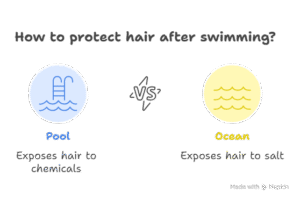
Understanding Chlorine and Its Impact
Chlorine is a powerful disinfectant used to keep pool water clean and free of bacteria. While essential for public health, it’s not so friendly to your hair. Chlorine works by oxidizing organic matter, and unfortunately, your hair’s natural oils (sebum) are prime targets. When chlorine strips away these protective oils, it leaves your hair:
- Dry and Brittle: Without its natural lubrication, hair becomes rough, dry, and more prone to breakage.
- Dull: The lack of natural oils also diminishes your hair’s natural shine.
- Discolored: While chlorine itself doesn’t directly turn hair green, it can react with copper (often present in pool water from pipes or algaecides) that binds to the hair protein. This oxidized copper is what gives blonde or light-colored hair that dreaded greenish tint.
- Damaged Cuticle: Chlorine can lift the hair’s outer cuticle layer, making it more porous and susceptible to further damage and moisture loss.
Saltwater’s Effect on Hair
Swimming in the ocean might feel more natural, but saltwater presents its own set of challenges for your hair. Salt is a desiccant, meaning it draws moisture out. When your hair dries after a saltwater swim, the salt crystals left behind can:
- Dehydrate: Salt pulls water from your hair strands, leading to extreme dryness.
- Cause Frizz and Tangles: Dry, dehydrated hair is more likely to frizz and become tangled, especially for those with naturally wavy or curly hair.
- Make Hair Brittle: Similar to chlorine, consistent exposure to saltwater without proper rinsing can lead to brittle hair and split ends.
- Weigh Hair Down: While some enjoy the “beachy waves” look, too much salt can leave hair feeling heavy and coated.
The Role of Natural Oils
Your scalp produces natural oils called sebum, which are crucial for keeping your hair moisturized, flexible, and protected. Both chlorine and saltwater are highly effective at stripping away this protective layer. This is why immediate post-swim care is so important – to replenish what has been lost and prevent long-term damage.
Do You Have To Shampoo After Swimming? The Definitive Answer
So, let’s get straight to it: Do you have to shampoo after swimming? For the vast majority of swimmers, the answer is a resounding yes. While a quick rinse might seem sufficient, it often isn’t enough to fully counteract the damaging effects of pool chemicals or ocean salt.
When Shampooing is Essential
Shampooing after swimming is essential for several key reasons:
- Removes Chemicals and Salt: A good shampoo is formulated to lift and remove chlorine, salt, dirt, and other impurities that cling to your hair strands and scalp. Water alone, especially cold water, isn’t effective enough to wash these elements away completely.
- Prevents Buildup: Over time, residual chlorine or salt can build up on your hair, making it feel rough, look dull, and even contribute to scalp irritation. Shampooing regularly prevents this buildup.
- Prepares for Conditioning: Shampooing cleanses the hair, creating a clean slate for your conditioner to penetrate effectively and restore moisture.
- Protects Hair Health: By removing harmful substances promptly, you minimize the time they have to damage your hair’s protein structure, preserving its strength and elasticity.
Whether you’ve been in a chlorinated pool or the salty ocean, whether you swim daily or occasionally, a proper shampoo is your best defense against post-swim hair woes. This is particularly true if you have color-treated hair, as chlorine and salt can fade your color faster.
When a Rinse Might Suffice (But is Not Ideal)
While a full shampoo is generally recommended, there might be very rare instances where a thorough rinse might seem like an option: if you’ve had a very brief dip in a lightly chlorinated pool, or if you’re in a situation where shampoo is absolutely unavailable. However, even then, a rinse only removes surface-level residues and won’t fully cleanse or rehydrate your hair. It should be considered a temporary measure, and you should aim to shampoo after swimming as soon as possible.
The Dangers of Skipping a Post-Swim Wash
Consistently skipping a wash after swimming can lead to a host of problems:
- Chronic Dryness and Frizz: Your hair will struggle to retain moisture, leading to a perpetually dry, frizzy texture.
- Increased Breakage and Split Ends: Dry, brittle hair is weak and easily snaps, leading to shorter strands and split ends.
- Scalp Irritation: Residual chemicals can irritate your scalp, causing itchiness, dryness, or even flakiness.
- Color Fading and Discoloration: Color-treated hair will fade much faster, and light hair might develop a persistent greenish tint.
- Dull, Lifeless Hair: Your hair will lose its natural shine and vibrancy, looking lackluster and unhealthy.
Best Practices for Post-Swim Hair Care
Knowing you have to shampoo after swimming is just the first step. Implementing a robust hair care routine will ensure your hair remains healthy and beautiful, no matter how often you hit the water.
Pre-Swim Protection: Your First Line of Defense
Prevention is always better than cure. Protecting your hair *before* you swim can significantly reduce damage.
- Wet Your Hair: Before entering the pool or ocean, wet your hair thoroughly with clean tap water. Your hair acts like a sponge; if it’s already saturated with clean water, it will absorb less chlorinated or salty water.
- Apply a Leave-In Conditioner or Oil: After wetting, apply a generous amount of leave-in conditioner, hair oil (like coconut or argan oil), or a specialized swim protectant. This creates a protective barrier, further reducing chemical absorption.
- Wear a Swim Cap: This is the most effective physical barrier. A silicone or latex swim cap can prevent most of your hair from coming into contact with the water.
Choosing the Right Shampoo
When you shampoo after swimming, the type of shampoo matters. Not all shampoos are created equal for post-swim care.
- Clarifying Shampoos: These are excellent for removing stubborn chlorine, mineral buildup, and product residue. However, they can be drying if used too frequently. Use them once or twice a week, or after particularly long swims.
- Moisturizing Shampoos: For daily swimmers, a gentle, hydrating shampoo is crucial. Look for formulas that replenish moisture without stripping natural oils.
- Sulfate-Free Shampoos: If you have sensitive skin, color-treated hair, or dry hair, sulfate-free options are less harsh and help preserve natural moisture and color.
- Specialized “Swimmer’s Shampoos”: Many brands offer shampoos specifically designed to neutralize chlorine and remove mineral buildup while also providing hydration. These are often the best choice for regular swimmers.
The Importance of Conditioner
After shampooing, conditioning is non-negotiable. This step is vital for restoring moisture, detangling, and smoothing the hair cuticle.
- Regular Conditioner: Use a rich, hydrating conditioner every time you wash your hair after swimming. Focus on the mid-lengths and ends, leaving it on for 2-3 minutes.
- Deep Conditioning Treatments: Once or twice a week, swap your regular conditioner for a deep conditioning mask. These treatments provide intense hydration and repair, helping to reverse damage and improve hair elasticity.
- Leave-In Conditioner: Apply a leave-in conditioner after towel-drying your hair to provide continuous moisture and protection throughout the day.
Gentle Drying and Styling
How you treat your hair after washing also plays a big role in its health.
- Pat, Don’t Rub: Vigorously rubbing your hair with a towel can cause friction, leading to frizz and breakage. Gently pat your hair dry with a microfiber towel.
- Air Dry When Possible: Allow your hair to air dry as much as you can. If you must use a blow dryer, use it on a cool or low-heat setting and apply a heat protectant.
- Limit Heat Styling: Chlorine and salt already make your hair more vulnerable to heat damage. Try to limit the use of curling irons, straighteners, and other hot tools.
- Brush Gently: Use a wide-tooth comb or a wet brush to gently detangle wet hair, starting from the ends and working your way up.
Common Myths vs. Facts About Swimming and Hair
Let’s debunk some common misconceptions surrounding swimming and hair care, especially when considering “do you have to shampoo after swimming.”
Myth: Chlorine instantly turns hair green.
Fact: While chlorine plays a role, it’s not the direct culprit. The green tint is caused by copper, which can be present in pool water (from algaecides or corroded pipes). Chlorine oxidizes this copper, allowing it to bind to the protein in your hair, creating the greenish hue. Pre-wetting your hair and using a swimmer’s shampoo can help prevent this.
Myth: All shampoos are bad for color-treated hair after swimming.
Fact: Not necessarily. While harsh shampoos can strip color, many specialized swimmer’s shampoos are formulated to be color-safe. Look for sulfate-free options and those specifically designed to neutralize chlorine without being overly stripping. Always follow up with a good color-protecting conditioner.
Myth: Saltwater is better for your hair than chlorine.
Fact: Both saltwater and chlorine can be damaging, just in different ways. Chlorine strips natural oils and can cause discoloration, while saltwater dehydrates and can make hair brittle and tangled. Neither is inherently “better” for your hair; both require proper post-swim care, including shampooing and conditioning.
Recommended Products
To help you maintain healthy hair while enjoying your swims, here are some product suggestions that can make a difference in your post-swim routine.
Specialized Swimmer’s Shampoo
These shampoos are specifically formulated to gently remove chlorine and mineral buildup without over-drying, often containing chelating agents and moisturizing ingredients.
Intensive Deep Conditioner/Hair Mask
Essential for replenishing moisture and repairing damage caused by chlorine or salt. Use weekly or bi-weekly for best results.
Leave-In Conditioner or Hair Oil
Apply before swimming to create a protective barrier and after washing for continuous hydration and frizz control.
Comfortable Swim Cap
The best physical barrier against water exposure. Look for silicone caps designed for comfort and durability, especially for long hair.
Frequently Asked Questions (FAQ)
Q1: How often should I shampoo after swimming?
A: If you swim regularly (daily or several times a week), you should shampoo after swimming every time. For occasional swimmers, shampooing immediately after your dip is still highly recommended to remove chemicals and salt effectively.
Q2: Can I just rinse my hair with water after swimming?
A: While rinsing with clean water before and immediately after swimming is a good first step to minimize absorption, it is generally not enough to thoroughly remove chlorine, salt, or other impurities. A proper shampoo is needed to cleanse the hair and scalp effectively.
Q3: What kind of shampoo is best for swimmers?
A: Look for shampoos specifically labeled as “swimmer’s shampoo” or “clarifying shampoo.” These are designed to neutralize chlorine and remove mineral buildup. For daily use, a gentle, moisturizing, and sulfate-free shampoo is an excellent choice, followed by a good conditioner.
Q4: Will chlorine really turn my hair green?
A: Yes, it can, especially if you have light-colored, blonde, or chemically treated hair. However, it’s not the chlorine itself but oxidized copper in the pool water (which chlorine facilitates) that binds to your hair, causing the green tint. Pre-wetting your hair and using a swim cap are great preventative measures.
Q5: Is saltwater better or worse for hair than chlorine?
A: Neither is inherently “better.” Both chlorine and saltwater can be damaging to your hair, albeit through different mechanisms. Chlorine strips natural oils and can cause discoloration, while saltwater dehydrates and leads to dryness, frizz, and brittleness. Both require thorough washing and conditioning afterward.
Q6: Do swim caps really protect hair from chlorine?
A: Yes, swim caps offer the best physical protection against chlorine and saltwater exposure. While they might not keep your hair 100% dry, they significantly reduce the amount of water and chemicals that come into contact with your hair, making them a crucial tool for hair protection.
Conclusion
So, do you have to shampoo after swimming? The answer is a definitive yes if you want to keep your hair healthy, vibrant, and free from the damaging effects of chlorine and saltwater. While the joy of swimming is undeniable, neglecting post-swim hair care can lead to dryness, brittleness, discoloration, and overall hair health decline.
By understanding the impact of pool chemicals and ocean salt, implementing protective measures before you swim, and committing to a thorough cleansing and conditioning routine afterward, you can enjoy all the benefits of swimming without sacrificing your hair’s beauty. Choose the right products, be gentle with your locks, and make post-swim shampooing an essential part of your routine. Your hair will thank you, allowing you to dive in worry-free and emerge with luscious, healthy strands every time!
“`