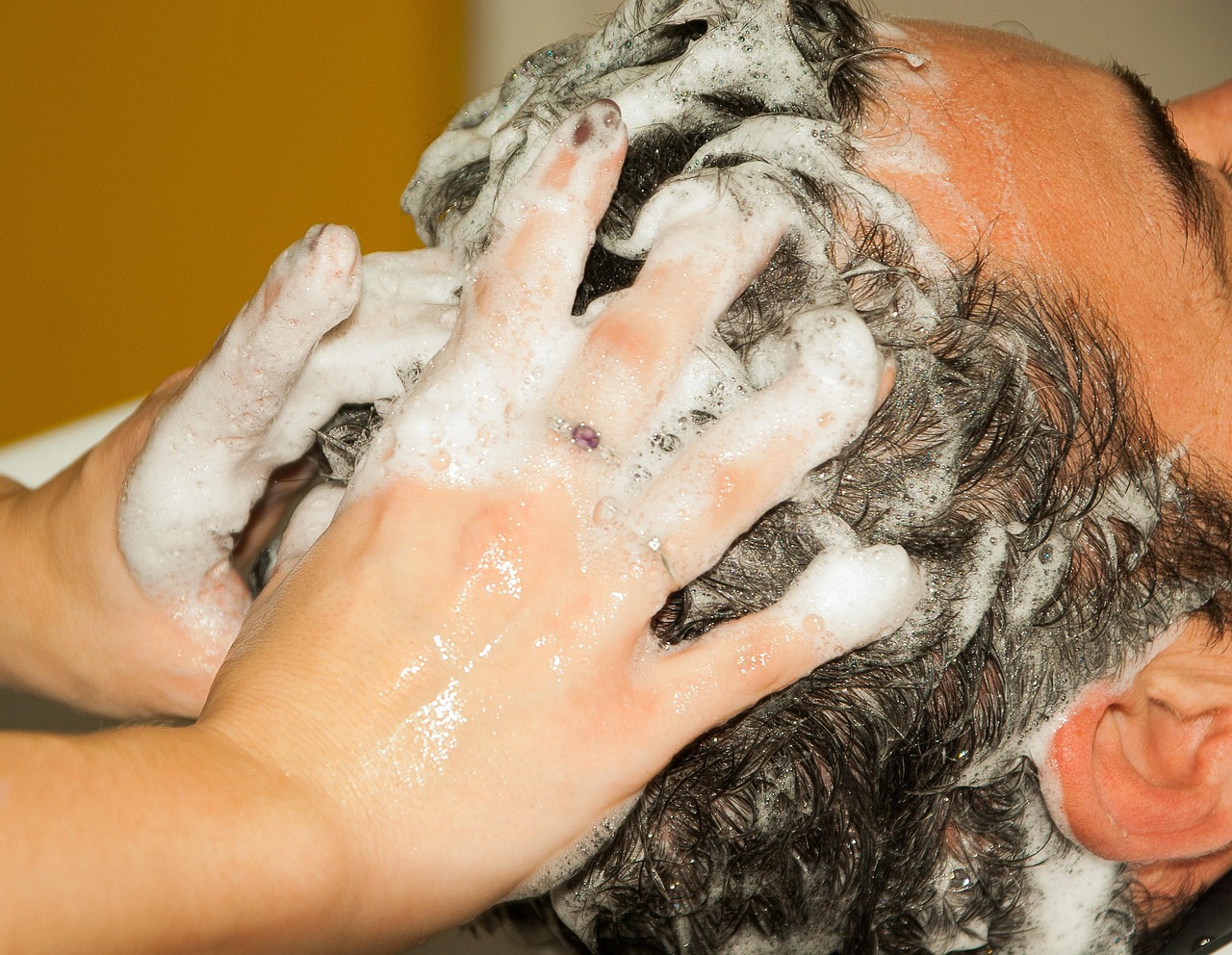
Have you ever wondered why some shampoos leave your hair feeling silky and strong, while others make it brittle, frizzy, or dull? The secret might lie in something you rarely consider when choosing a hair product: its pH level. Understanding whether your shampoo is acidic, basic, or neutral isn’t just a scientific curiosity; it’s a fundamental aspect of maintaining optimal hair health. The wrong pH can disrupt your hair’s delicate balance, leading to a host of problems from dryness and breakage to scalp irritation and color fading.
In the vast world of hair care, marketing often focuses on ingredients like argan oil, keratin, or sulfates, but the pH balance of your shampoo is arguably just as crucial, if not more so. This comprehensive guide will take a deep dive into the science of pH, explain what it means for your hair and scalp, and empower you to make informed decisions about your hair care regimen. By the end, you’ll not only know the answer to Is shampoo acidic basic or neutral, but you’ll also understand why choosing a pH-balanced shampoo is a game-changer for achieving the vibrant, healthy hair you desire.
Understanding the pH Scale: A Quick Primer
Before we discuss whether shampoo is acidic, basic, or neutral, let’s briefly revisit the pH scale. pH stands for “potential of hydrogen” and is a measure of how acidic or alkaline (basic) a solution is. The scale ranges from 0 to 14:
- 0 to <7: Acidic – Solutions with a lower pH are more acidic. Examples include lemon juice (pH 2) and vinegar (pH 3).
- 7: Neutral – A pH of 7 is perfectly neutral. Pure water is typically neutral.
- >7 to 14: Basic (Alkaline) – Solutions with a higher pH are more alkaline. Examples include baking soda (pH 9) and bleach (pH 13).
Each number on the pH scale represents a tenfold difference in acidity or alkalinity. This means a pH of 6 is ten times more acidic than a pH of 7, and a pH of 5 is a hundred times more acidic than a pH of 7. This exponential difference highlights why even small shifts in pH can have a significant impact on your hair.
Your Hair and Scalp’s Natural pH: The “Acid Mantle”
Both your hair and scalp have a natural, slightly acidic pH. This protective layer, known as the acid mantle, is crucial for keeping your hair cuticles sealed and your scalp healthy. For healthy hair, the ideal pH is generally between 4.5 and 5.5. Your scalp’s pH is similar, typically ranging from 4.5 to 5.5 as well.
- Hair’s Cuticle Layer: The outermost layer of your hair, the cuticle, is made up of overlapping scales. When the hair is in its natural, slightly acidic state, these scales lie flat and smooth. This smooth surface reflects light, giving your hair shine, and also helps to lock in moisture and protect the inner cortex.
- Scalp Health: The acidic environment of your scalp helps to inhibit the growth of bacteria and fungi, preventing issues like dandruff, itchiness, and irritation. It also supports the skin’s barrier function, keeping moisture in and irritants out.
Maintaining this natural acidity is key to strong, shiny, and manageable hair. When the pH balance is disrupted, especially by products that are too alkaline, the hair cuticle can lift, leading to damage and a cascade of hair problems.
Is Shampoo Acidic Basic Or Neutral? The Impact of Different pH Levels
Now, let’s get to the core question: is shampoo acidic basic or neutral? Most shampoos today are formulated to be slightly acidic or pH-balanced to align with hair’s natural state. However, some traditional or clarifying shampoos can be more alkaline, and this is where potential problems arise.
The Effects of Acidic Shampoo (pH < 7)
Shampoos formulated to be acidic (typically with a pH between 4.5 and 5.5) are generally considered the best choice for hair health. These are often labeled as “pH-balanced shampoo.”
Pros of Acidic Shampoo:
- Seals Cuticles: A slightly acidic pH helps to keep the hair cuticles closed and flat. This leads to smoother, shinier hair that is less prone to tangling.
- Reduces Frizz: By sealing the cuticle, acidic shampoos minimize moisture loss and prevent the hair from absorbing too much humidity, significantly reducing frizz.
- Enhances Shine: Smooth cuticles reflect light better, resulting in healthier-looking, more lustrous hair.
- Retains Moisture: A closed cuticle barrier helps to lock in essential moisture, preventing dryness and breakage.
- Color Protection: For color-treated hair, acidic shampoos help to seal the hair shaft, preventing hair dye from leaching out quickly and extending the vibrancy of your color.
- Minimizes Damage: Hair in an acidic state is stronger and more resilient, making it less susceptible to environmental damage and breakage from styling.
- Supports Scalp Health: Maintaining the scalp’s natural acidic mantle helps prevent bacterial overgrowth, reducing dandruff and irritation.
Most high-quality, professional shampoos aim for this slightly acidic range.
The Effects of Basic (Alkaline) Shampoo (pH > 7)
While less common in everyday formulations, some shampoos are basic or alkaline, meaning they have a pH greater than 7. Historically, many traditional soaps and early shampoos were alkaline. Some clarifying or heavy-duty cleansing shampoos might still lean alkaline to varying degrees.
Cons of Basic (Alkaline) Shampoo:
- Lifts Cuticles: An alkaline pH causes the hair cuticles to swell and lift open. While this can be useful for certain treatments (like perms or hair dyes that need to penetrate the hair shaft), for regular washing, it’s detrimental.
- Increases Frizz and Roughness: Open cuticles lead to rough, coarse hair that is prone to frizz and tangling.
- Causes Dryness: With open cuticles, hair loses moisture rapidly, leading to dryness, brittleness, and a straw-like texture.
- Leads to Damage and Breakage: Repeated exposure to alkaline products can weaken the hair structure, making it more vulnerable to breakage and split ends.
- Fades Hair Color: For color-treated hair, alkaline shampoos accelerate color stripping by opening the cuticle and allowing dye molecules to escape.
- Scalp Irritation: An alkaline environment can disrupt the scalp’s natural acid mantle, leading to dryness, itchiness, flakiness, and increased susceptibility to bacterial or fungal growth.
- Dullness: Open, rough cuticles scatter light rather than reflecting it, making hair appear dull and lifeless.
Using a highly alkaline shampoo regularly can severely compromise your hair’s health and appearance.
The Concept of Neutral Shampoo (pH = 7)
While “neutral” sounds balanced, a perfectly neutral pH of 7 is actually not ideal for hair. As discussed, hair thrives in a slightly acidic environment (4.5-5.5). Therefore, when people refer to “neutral shampoo,” they often actually mean “pH-balanced shampoo” which is slightly acidic to match the hair’s natural state, not perfectly neutral water.
Why pH-Balanced Shampoo is Your Hair’s Best Friend
The term “pH-balanced shampoo” is often used to describe products specifically formulated to match the natural pH of your hair and scalp (typically between 4.5 and 5.5). These shampoos are designed to cleanse effectively without stripping hair of its natural oils or disrupting the acid mantle.
Benefits of using a pH-balanced shampoo:
- Maintains Hair Integrity: Keeps cuticles flat, preserving hair strength and elasticity.
- Optimizes Moisture: Prevents excessive moisture loss, keeping hair hydrated.
- Enhances Appearance: Promotes shine, reduces frizz, and improves manageability.
- Protects Color: Essential for extending the life and vibrancy of color-treated hair.
- Soothes Scalp: Prevents irritation, dryness, and flakiness by maintaining the scalp’s natural protective barrier.
For most hair types and concerns, a pH-balanced, slightly acidic shampoo is the optimal choice for promoting long-term hair health.
How to Choose the Right pH Shampoo for Your Hair
With a clearer understanding of “is shampoo acidic basic or neutral,” you can now make more informed choices. Here’s how:
- Look for “pH-Balanced” on the Label: Many reputable brands explicitly state “pH-balanced” on their shampoo bottles. This is your clearest indicator.
- Research Ingredients: Ingredients like citric acid, lactic acid, or malic acid are often used to adjust a shampoo’s pH to be acidic. If you see these high up on the ingredient list, it’s a good sign.
- Consider Your Hair Type and Concerns:
- Dry, Damaged, or Frizzy Hair: Definitely opt for a pH-balanced, acidic shampoo to help seal the cuticle and retain moisture.
- Color-Treated Hair: An acidic shampoo is crucial for preventing color fade and maintaining vibrancy.
- Oily Hair: While it might seem counterintuitive, an acidic shampoo can still be beneficial. Over-cleansing with alkaline products can strip the scalp, leading to an overproduction of oil. A pH-balanced approach can normalize scalp function.
- Sensitive Scalp: pH-balanced formulas are less likely to irritate the scalp and disturb its natural barrier.
- Test Your Shampoo (Optional): If you’re really curious, you can purchase pH testing strips online. Dip a strip into a small amount of your shampoo mixed with water to get a reading. Aim for a pH between 4.5 and 5.5.
- Pair with an Acidic Conditioner: Conditioners are almost always acidic (even more so than shampoos, typically pH 3.5-4.5) to further help close the cuticle after cleansing. This combination provides the best results.
Remember, the goal is to work with your hair’s natural biology, not against it. Prioritizing shampoo pH level will lead to noticeable improvements in your hair’s overall health and appearance.
Recommended Products
pH-Balanced Shampoos
Explore a wide range of shampoos specifically formulated to maintain your hair’s natural pH, promoting health, shine, and manageability.
Hair pH Testing Strips
Curious about your current shampoo’s pH? These easy-to-use strips allow you to test any liquid product to ensure it falls within the ideal range for your hair.
Acidic Conditioners
Pair your pH-balanced shampoo with an acidic conditioner to further seal the cuticle, enhance shine, and detangle, providing maximum benefits for your hair.
Frequently Asked Questions About Shampoo pH
Q1: What is the ideal pH for shampoo?
The ideal pH for shampoo is generally between 4.5 and 5.5. This slightly acidic range closely matches the natural pH of your hair and scalp, helping to keep the cuticles sealed, retain moisture, prevent frizz, and maintain overall hair health. Shampoos in this range are often labeled as “pH-balanced.”
Q2: Can shampoo pH cause hair damage?
Yes, shampoo pH can absolutely cause hair damage. Shampoos that are too alkaline (basic, pH above 7) can cause the hair cuticles to swell and lift, leading to dryness, frizz, breakage, and dullness. They can also strip hair color and disrupt the scalp’s natural protective barrier, leading to irritation. Conversely, shampoos that are extremely acidic (though less common) could potentially be too harsh for some hair types.
Q3: How can I tell if my shampoo is pH balanced?
The easiest way to tell is by checking the product label. Many reputable brands will explicitly state “pH-balanced” on their packaging. You can also look for ingredients like citric acid or lactic acid in the ingredient list, which are used to adjust pH. If you want to be precise, you can use inexpensive pH testing strips at home by mixing a small amount of shampoo with water and dipping the strip.
Q4: Is acidic shampoo good for oily hair?
Yes, an acidic shampoo (meaning pH-balanced in the 4.5-5.5 range) can be beneficial for oily hair. While it might seem counterintuitive to use something “acidic” on oily hair, highly alkaline shampoos can strip the scalp’s natural oils too aggressively, prompting the scalp to produce even more oil to compensate. A pH-balanced shampoo cleanses effectively without over-stripping, helping to normalize scalp function and reduce excessive oil production over time.
Q5: What about clarifying shampoos – are they acidic or basic?
Clarifying shampoos are often formulated to be more alkaline than regular shampoos, or at least have a higher pH within the acceptable range, to effectively lift and remove product buildup, hard water minerals, and excess oils. While effective for deep cleaning, their higher pH means they should be used sparingly (e.g., once a week or every few weeks) to avoid prolonged cuticle lifting and potential damage. Always follow with a good, acidic conditioner.
Q6: Do conditioners have a specific pH?
Yes, conditioners are almost always formulated to be acidic, typically with a pH even lower than shampoos, often ranging from 3.5 to 4.5. Their primary purpose is to help flatten and seal the hair cuticle after shampooing, detangle, add shine, and lock in moisture. Using an acidic conditioner after a pH-balanced shampoo is a powerful combination for optimal hair health.
Conclusion: Embrace the Power of pH for Healthier Hair
The journey to truly healthy, vibrant hair often involves understanding the science behind your products. As we’ve explored, the answer to “is shampoo acidic basic or neutral” is not just a simple one-word reply; it’s a nuanced consideration that profoundly impacts your hair’s integrity. The ideal scenario for most hair types is a pH-balanced shampoo, gently acidic (between pH 4.5 and 5.5), which works in harmony with your hair and scalp’s natural acid mantle.
By consciously choosing shampoos that respect your hair’s natural pH, you’re investing in a future of fewer bad hair days, less frizz, more shine, and stronger strands. You’ll protect your hair color, prevent dryness and breakage, and soothe your scalp. So, the next time you’re browsing the shampoo aisle, remember to look beyond the enticing scents and flashy claims. Turn the bottle around, consider the shampoo pH level, and empower yourself with the knowledge to select products that truly nurture your hair from root to tip. Your hair will thank you for it!
“`