
Many swimmers struggle with dry, brittle, tangled, or even discolored hair. The chemicals in pool water and the dehydrating effects of saltwater can wreak havoc on your strands, stripping away natural oils and leaving them vulnerable to damage. So, is a quick rinse enough, or do you need a full shampoo session every time? The answer isn’t always straightforward and depends on several factors, including your hair type, the type of water you’ve been in, and how frequently you swim.
In this comprehensive guide, we’ll dive deep into the science behind post-swim hair care. We’ll explore the impact of chlorine and saltwater, discuss when shampooing is absolutely essential, when you might be able to skip it, and provide you with a full arsenal of best practices and product recommendations to keep your hair healthy and vibrant, no matter how often you hit the water. Let’s make sure your hair loves swimming as much as you do!
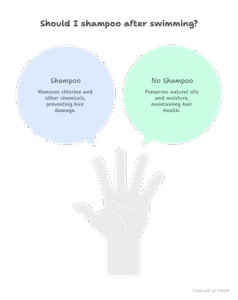
The Post-Swim Hair Dilemma: To Shampoo or Not to Shampoo?
The decision to shampoo after swimming isn’t a one-size-fits-all answer. It’s a nuanced choice that takes into account the specific conditions of your swim and the unique characteristics of your hair. Understanding the “why” behind hair damage can help you make an informed decision about your post-swim routine.
Understanding the Impact of Pool Chlorine on Your Hair
Chlorine is a powerful disinfectant essential for keeping pool water clean and safe. However, it’s also a potent chemical that can be incredibly harsh on your hair. Here’s how it affects your strands:
- Strips Natural Oils: Chlorine is designed to break down organic matter, and unfortunately, that includes the natural oils (sebum) that protect your scalp and hair. This leads to dryness, brittleness, and a dull appearance.
- Causes Damage and Breakage: By stripping away the protective lipid layer, chlorine leaves the hair cuticle exposed and vulnerable. This can lead to split ends, increased frizz, and breakage.
- Fades Color: For those with color-treated hair, chlorine is a nightmare. It oxidizes dye molecules, causing your vibrant color to fade much faster, sometimes even altering its tone.
- “Swimmer’s Green Hair”: This infamous phenomenon isn’t caused by chlorine itself, but by copper particles found in pool water. When copper oxidizes with chlorine and binds to the hair shaft, it can give blonde or light-colored hair a greenish tint.
The Effects of Saltwater on Hair Health
Swimming in the ocean or a saltwater pool offers a different set of challenges for your hair:
- Dehydration: Salt is a hygroscopic substance, meaning it draws moisture out. When saltwater evaporates from your hair, it takes essential hydration with it, leaving your hair feeling dry, straw-like, and coarse.
- Frizz and Tangles: The rough texture caused by dehydration makes hair more prone to frizz and significant tangling, which can lead to breakage during detangling.
- Dullness: Stripped of moisture and natural oils, saltwater-exposed hair often lacks shine and can appear dull.
- Scalp Irritation: For some, the salt residue on the scalp can cause dryness, itchiness, or irritation.
When You Absolutely Should Shampoo After Swimming
While the goal is to be gentle, there are definite scenarios where a thorough shampoo is non-negotiable for the health of your hair.
After Chlorine Exposure
If you’ve been in a chlorinated pool, especially for an extended period, shampooing immediately is highly recommended. The longer chlorine stays on your hair, the more damage it can inflict. A good shampoo will:
- Remove Chlorine Residue: Effectively wash away the harmful chemicals before they can continue to dry out and damage your hair.
- Prevent Buildup: Stop chlorine and mineral buildup that can lead to dullness and discoloration.
- Restore pH Balance: Help normalize your hair and scalp’s pH after exposure to alkaline pool water.
If You Have Color-Treated or Damaged Hair
Individuals with color-treated, chemically processed, or already damaged hair need extra protection. Your hair cuticles may already be compromised, making them even more susceptible to chlorine and salt. Using a color-safe or repair-focused shampoo after swimming can:
- Protect Color: Specialized shampoos help to seal the cuticle and prevent rapid color fading.
- Minimize Further Damage: Gentle cleansing followed by deep conditioning is crucial to prevent further weakening and breakage.
For Frequent Swimmers
If swimming is a regular part of your routine (several times a week), the cumulative effect of chlorine or salt exposure can be significant. Even if each session is short, consistent exposure demands consistent, protective care. Regular shampooing with appropriate products helps to:
- Prevent Cumulative Damage: Break the cycle of dehydration and chemical buildup.
- Maintain Scalp Health: Ensure your scalp remains free from irritation and dryness.
When You Might Consider Skipping or Delaying Shampooing
Sometimes, a full shampoo isn’t strictly necessary, especially if you’ve taken preventative measures or the exposure was minimal. This can be beneficial for those with very dry hair who want to avoid over-stripping.
After a Quick Dip in Fresh Water
If you’ve had a brief swim in a lake, river, or non-chlorinated/non-saltwater natural body of water, the need for immediate shampooing is less critical. A thorough rinse with clean tap water might be sufficient to remove any natural debris, especially if your hair is already well-conditioned.
If You Have Very Dry or Coarse Hair
For individuals with naturally dry, coarse, or highly textured hair, frequent shampooing (even with gentle products) can sometimes lead to excessive dryness. In these cases, if you’ve done a quick dip in clean water, or if you’ve used robust pre-swim protection, you might opt for a thorough rinse and a rich conditioner instead of shampoo every single time. However, after chlorine or extensive saltwater exposure, even dry hair benefits from targeted shampooing.
Using a Pre-Swim Hair Protectant
Pre-swim protection is a game-changer. If you’ve saturated your hair with clean water and applied a leave-in conditioner or hair oil before entering the pool or ocean, your hair will have a protective barrier. This barrier minimizes the absorption of harsh chemicals and salt. In such cases, a thorough rinse and a good conditioner might sometimes suffice, delaying the need for shampoo until your next regular wash day, especially for quick dips.
Best Practices for Post-Swim Hair Care (Regardless of Shampooing)
No matter your decision on shampooing, a comprehensive post-swim routine is essential for maintaining hair health.
1. Rinse Thoroughly First
This is arguably the most crucial step. As soon as you exit the water, head straight for a shower and rinse your hair thoroughly with clean, fresh water. This helps to wash away much of the chlorine, salt, and other impurities before they have a chance to bond further with your hair. Think of it as a pre-shampoo rinse or even a standalone rinse if you’re skipping shampoo.
2. Use a Clarifying or Swimmer’s Shampoo (When Needed)
If you decide to shampoo after swimming, especially after chlorine exposure, a specialized product can make a big difference:
- Clarifying Shampoos: These are formulated to remove buildup from chlorine, minerals, styling products, and hard water. Don’t use them daily, as they can be drying, but they are excellent for post-swim purification.
- Swimmer’s Shampoos: Specifically designed to neutralize and remove chlorine and other pool chemicals while often containing moisturizing ingredients to counteract dryness.
Look for ingredients like EDTA, Ascorbic Acid (Vitamin C), or Sodium Thiosulfate, which help chelate (bind to and remove) minerals and chlorine.
3. Follow with a Deep Conditioner
After cleansing, replenishing moisture is paramount. Apply a generous amount of a rich, hydrating conditioner, focusing on the mid-lengths and ends. For an extra boost, use a deep conditioning treatment or hair mask once or twice a week, leaving it on for 5-10 minutes (or as directed) to deeply nourish and repair your hair.
4. Pre-Swim Hair Protection is Key
Prevention is always better than cure. Before you even get into the water:
- Wet Your Hair: Saturate your hair with clean tap water. This makes it less porous and reduces the amount of chlorine or saltwater it can absorb.
- Apply a Barrier: Coat your wet hair with a leave-in conditioner, a hair oil (like coconut or argan oil), or even a regular conditioner. This creates a protective barrier that minimizes chemical penetration.
- Wear a Swim Cap: For maximum protection, especially for frequent or competitive swimmers, a swim cap is highly effective.
5. Gentle Drying and Detangling
Your hair is most vulnerable when wet. After swimming and washing:
- Blot, Don’t Rub: Gently squeeze excess water from your hair with a microfiber towel or an old cotton t-shirt. Avoid aggressive rubbing, which can cause friction and breakage.
- Detangle Carefully: Use a wide-tooth comb or your fingers to gently detangle your hair, starting from the ends and working your way up. Apply a detangling spray or leave-in conditioner if needed.
- Air Dry or Low Heat: Whenever possible, let your hair air dry. If you must use heat styling, opt for the lowest heat setting and apply a heat protectant.
Recommended Products
Malibu C Swimmers Wellness Shampoo
A popular choice specifically formulated to remove chlorine and hard water minerals, preventing damage and discoloration. It’s gentle enough for daily use for active swimmers.
Paul Mitchell Clarifying Shampoo Three
Known for its ability to deep clean and remove chlorine, iron, and minerals. It also helps prevent “swimmer’s green” hair. Best used occasionally due to its potent cleansing.
Olaplex No. 5 Bond Maintenance Conditioner
An excellent restorative conditioner that works to repair and protect hair from damage, including that caused by chlorine and saltwater. Ideal for all hair types, especially color-treated.
It’s a 10 Miracle Leave-In Product
A multi-benefit leave-in conditioner that detangles, protects against heat, and seals the hair cuticle, making it a great pre-swim protectant and post-swim detangler.
PATTERN Jojoba Oil Blend
A versatile hair oil rich in natural ingredients, perfect for creating a protective barrier before swimming and adding moisture and shine post-swim, especially for curly and coily textures.
Frequently Asked Questions About Post-Swim Hair Care
Q: Can I just rinse my hair after swimming instead of shampooing?
A: If you’ve had a brief dip in fresh, non-chlorinated water and have used pre-swim protection, a thorough rinse might suffice. However, after exposure to chlorine or extensive saltwater, rinsing alone won’t remove the chemicals and salt effectively. Shampooing is usually necessary to properly cleanse and prevent long-term damage.
Q: How often should I use a clarifying shampoo?
A: Clarifying shampoos are potent. For regular swimmers, using one after every 2-3 chlorinated swims is a good starting point. If you swim daily, you might use a specific “swimmer’s shampoo” more often, as these are formulated to be gentler for frequent use. Always follow with a deep conditioner.
Q: What’s the best way to prevent green hair from chlorine?
A: The “green” tint is caused by copper oxidizing with chlorine. The best prevention methods include pre-wetting your hair with clean water, applying a leave-in conditioner or hair oil before swimming, and wearing a swim cap. Using a swimmer’s or clarifying shampoo immediately after swimming helps remove copper particles before they can bind to your hair.
Q: Is a swim cap really necessary?
A: While not strictly “necessary” for everyone, a swim cap provides the most effective physical barrier against chlorine, salt, and sun. It’s highly recommended for frequent swimmers, those with color-treated or damaged hair, or anyone looking for maximum protection. Modern silicone caps are comfortable and don’t pull hair like older latex versions.
Q: What kind of conditioner should I use after swimming?
A: Opt for a rich, hydrating, and possibly reparative conditioner. Look for ingredients like shea butter, argan oil, hyaluronic acid, or keratin. If you have color-treated hair, ensure your conditioner is color-safe. A deep conditioning mask once or twice a week can also significantly boost moisture and repair.
Q: Does salt water damage hair as much as chlorine?
A: Both chlorine and saltwater are damaging, but in different ways. Chlorine causes chemical damage by stripping oils and breaking down hair proteins, leading to brittleness and color fade. Saltwater primarily causes dehydration and frizz by drawing moisture out of the hair. While the effects differ, both require diligent post-swim care to mitigate damage.
Conclusion: Listen to Your Hair, Embrace the Water
The question “Should I shampoo after swimming?” doesn’t have a simple yes or no answer. Instead, it’s a decision that hinges on a few key factors: the type of water you’ve been in, your hair’s unique needs, and the preventive measures you’ve taken. Chlorine and saltwater are undeniably harsh, but with the right approach, you can enjoy your time in the water without sacrificing the health and beauty of your hair.
The overarching principle is protection and hydration. Always prioritize pre-swim preparation, like wetting your hair and applying a protective barrier. Post-swim, a thorough rinse is non-negotiable, and for most chlorinated or extensive saltwater exposures, a gentle, targeted shampoo followed by a rich conditioner is your best bet. For quick dips in fresh water or if you have very dry hair and robust pre-swim protection, you might occasionally get away with just a good rinse and condition.
Ultimately, listen to your hair. Pay attention to how it feels and looks. Adjust your routine based on its response. With these tips and a little proactive care, you can confidently dive into any water, knowing your hair will remain happy, healthy, and ready for your next adventure. Happy swimming!