
But with such an effective tool at your disposal, a common question arises Should I use purple shampoo everyday The allure of maintaining that perfect, icy blonde or brilliant silver might tempt you to reach for it every wash. While purple shampoo is undeniably powerful, using it too frequently can lead to unintended consequences, potentially doing more harm than good.
In this comprehensive guide, we’ll dive deep into the science behind purple shampoo, explore the risks of daily use, and reveal the optimal frequency for achieving and maintaining your desired tone. We’ll also provide practical tips for best application, product recommendations, and answer your most pressing FAQs to ensure your blonde or silver locks remain vibrant, healthy, and perfectly toned.
What is Purple Shampoo and How Does It Work?
Purple shampoo is a toner in shampoo form, specifically formulated with violet pigments. To understand how it works, we need a quick lesson in color theory. On the color wheel, purple and yellow are complementary colors, meaning they sit directly opposite each other. When mixed, complementary colors neutralize each other.
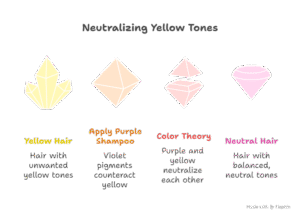
- Yellow/Orange Tones: These are the natural undertones that become visible when hair is lightened, especially in blonde, platinum, grey, or silver hair. Environmental factors, heat styling, and even hard water can accelerate their appearance.
- Purple Pigments: When purple shampoo is applied to hair with yellow or brassy tones, the violet pigments counteract and cancel out the unwanted warmth. The result is cooler, ashier, and more neutral-looking hair.
It’s important to remember that purple shampoo is not a dye; it deposits temporary pigment onto the hair strand’s surface. Its primary function is to tone, not to lighten or change your base color.
The Lure of Daily Use: Why You Might Be Tempted
The immediate gratification purple shampoo offers can be incredibly appealing. After just one wash, many users see a noticeable reduction in brassiness, leaving them with beautiful, salon-fresh results. This success can naturally lead to the thought, “If it works so well, why not use it all the time?”
- Maintaining Icy Tones: For those who desire a consistently cool or platinum look, the idea of daily use seems like a straightforward way to keep brassiness at bay.
- Fear of Brassiness Returning: Many worry that skipping a wash with purple shampoo will immediately bring back those unwanted yellow hues, leading to an overuse cycle.
- Misconception: More is Better: Like many beauty products, there’s a common misconception that using a product more frequently will yield better or faster results. With purple shampoo, this isn’t always the case.
The Risks of Using Purple Shampoo Everyday
While effective, purple shampoo is a potent product. Daily application can lead to several undesirable outcomes, transforming your desired cool tone into something you weren’t expecting.
Over-Toning and Purple Tint
The most common side effect of overuse is over-toning. Your hair can absorb too much of the violet pigment, resulting in:
- Lavender or Ash-Grey Hue: Instead of neutralizing yellow, your hair might take on a distinct purple, blue, or even dull greyish cast, especially on porous or very light strands.
- Dullness: Excessive pigment can build up on the hair cuticle, making your hair look flat and lifeless instead of vibrant.
Dryness and Damage
Many purple shampoos, especially the more potent formulas, can be quite drying. They often contain stronger cleansing agents to strip away impurities and prepare the hair for pigment deposition. Regular use can:
- Strip Natural Oils: Lead to a lack of moisture, making your hair feel rough and brittle.
- Increase Porosity: Already processed blonde hair is often more porous and vulnerable. Daily strong cleansing can exacerbate this, making hair more susceptible to damage and breakage.
- Fading of Other Colors: If you have multi-dimensional color, daily purple shampoo could inadvertently affect other tones.
Uneven Toning
Hair porosity varies across the head and even along individual strands. Daily purple shampoo use can highlight these differences:
- Patchy Results: More porous areas (often the ends or previously damaged sections) will absorb more pigment, potentially leading to uneven, patchy purple or grey spots, while less porous areas remain brassy.
- Color Buildup: Over time, the pigment can build up unevenly, creating a muddy or streaky appearance that is difficult to correct without a clarifying wash.
How Often Should You Really Use Purple Shampoo?
The consensus among most hair professionals is clear: you should not use purple shampoo everyday. Moderation is key to achieving and maintaining beautiful, brass-free hair without the negative side effects.
General Recommendation: 1-2 Times Per Week
For most individuals with blonde, silver, or lightened hair, using purple shampoo once or twice a week is sufficient. This frequency allows you to neutralize brassiness without over-toning or drying out your hair. On other wash days, revert to a hydrating, color-safe shampoo and conditioner.
Factors to Consider for Personalized Use
The ideal frequency isn’t a one-size-fits-all rule. Consider these factors to tailor your routine:
- Hair Type and Porosity:
- Highly Porous Hair: If your hair is very porous (e.g., heavily bleached, damaged), it will absorb pigment quickly. You might only need purple shampoo once a week or even every other week.
- Less Porous Hair: Healthier, less processed hair might require slightly more frequent use, perhaps twice a week, to see results.
- Desired Tone:
- Icy/Platinum Blonde: You might use it more consistently (e.g., twice a week) and leave it on a little longer.
- Subtle Ash/Cool Blonde: Less frequent use (once a week or less) with shorter dwell times might be perfect.
- How Quickly Brassiness Appears: Environmental factors, water quality, and sun exposure can all affect how quickly brassiness returns. Adjust your frequency based on your hair’s needs.
- Strength of the Purple Shampoo: Some formulas are more concentrated than others. Start with a less potent product or shorter dwell times if you’re new to purple shampoo.
- Other Hair Products: If you’re using purple conditioners or masks, you might need even less frequent use of purple shampoo.
Listen to Your Hair
The best advice is always to pay attention to your hair’s reaction. If you notice a purple tint, dryness, or dullness, reduce your frequency immediately. If brassiness is still creeping in too quickly, you might slightly increase frequency or dwell time.
Best Practices for Using Purple Shampoo Effectively
To get the most out of your purple shampoo without the drawbacks, follow these best practices:
Pre-Wash Routine
- Wet Hair Thoroughly: Ensure your hair is completely saturated before applying purple shampoo for even distribution.
- Optional: Regular Shampoo First: If your hair is particularly dirty or oily, consider using a regular, hydrating shampoo first. This cleanses the hair, allowing the purple shampoo to penetrate and tone more effectively. Rinse thoroughly before applying purple shampoo.
Application Technique
- Even Distribution: Apply purple shampoo from roots to ends, focusing on areas prone to brassiness (often the roots or mid-lengths).
- Emulsify: Work the shampoo into a lather to ensure it’s spread evenly.
- Use Gloves (Optional but Recommended): Stronger formulas can temporarily stain your hands, so gloves can be helpful.
Dwell Time is Key
This is where many go wrong. The amount of time you leave purple shampoo in your hair directly impacts the toning effect.
- Start Short: For first-time users or highly porous hair, begin with just 1-3 minutes.
- Increase Gradually: If you need more toning, gradually increase the dwell time to 5-10 minutes in subsequent washes.
- Never Overdo It: Do not leave purple shampoo in for hours or overnight. This dramatically increases the risk of over-toning and dryness.
Follow with Hydration
Because purple shampoos can be drying, always follow with a rich, hydrating conditioner or a deep conditioning mask. This step is crucial for restoring moisture, sealing the cuticle, and maintaining hair health and shine.
Complementary Products
Consider incorporating other products into your routine:
- Purple Conditioners/Masks: These offer milder toning and excellent hydration. They can be used more frequently than shampoo or as a maintenance step.
- Color-Safe Shampoos & Conditioners: Use these on your non-purple shampoo wash days to protect your color and provide essential moisture.
- Heat Protectants & UV Sprays: These help prevent color fading and brassiness caused by environmental factors.
When to Avoid or Reduce Purple Shampoo Use
While purple shampoo is a fantastic tool, there are times when it’s best to reduce its use or avoid it altogether:
- If Your Hair is Already Over-Toned: If you see a lavender or grey tint, stop using purple shampoo immediately and switch to a clarifying or regular hydrating shampoo until the tint fades.
- If Your Hair is Excessively Dry or Damaged: Prioritize deep conditioning treatments and use purple shampoo sparingly, if at all, until your hair’s health improves.
- If You Desire Warm Tones: If you prefer a golden, honey, or strawberry blonde, purple shampoo will counteract your desired warmth.
- On Dark Brown or Black Hair: Purple shampoo has no effect on very dark hair as it’s designed to counteract yellow tones, which aren’t visible in darker shades.
Recommended Products
Olaplex No.4P Blonde Enhancer Toning Shampoo
A highly concentrated purple shampoo that cleanses, tones, and repairs. Known for its bond-building technology, it helps maintain hair health while neutralizing brassiness.
Fanola No Yellow Shampoo
A cult-favorite for its intense toning power. This powerful formula is excellent for achieving icy blonde or platinum results but should be used with caution due to its strong pigments.
Kérastase Blond Absolu Bain Ultra-Violet Shampoo
A luxurious option that offers powerful neutralization of brassiness while also providing hydration and protection for lightened hair.
Moroccanoil Color Depositing Mask (Platinum)
An excellent alternative or complementary product. This mask deeply conditions while adding temporary color, perfect for subtle toning and intense hydration.
Olaplex No. 8 Bond Intense Moisture Mask
A highly recommended hydrating mask to follow any purple shampoo use. It adds intense moisture, shine, and body, crucial for maintaining healthy, toned hair.
Frequently Asked Questions About Purple Shampoo
Q1: Can purple shampoo damage your hair?
Yes, if used improperly or excessively. While purple shampoo itself isn’t inherently damaging, many formulas can be drying. Overuse can strip natural oils, leading to dryness, brittleness, and increased porosity, especially on already processed hair. Always follow with a good conditioner or mask.
Q2: How long should I leave purple shampoo in?
The ideal dwell time varies, but generally, start with 1-3 minutes for initial use or very porous hair. For more toning, you can increase to 5-10 minutes. Never leave it on for longer than recommended, as this can lead to over-toning (purple tint) or excessive dryness.
Q3: What happens if you use purple shampoo on brown hair?
Purple shampoo is designed to neutralize yellow tones. On unlightened brown hair, there typically aren’t enough visible yellow undertones for the purple pigment to react with. Therefore, it will likely have little to no effect. It’s only effective on lightened brown hair (balayage, highlights) where yellow/orange brassiness is present.
Q4: Can I use purple shampoo on highlights?
Absolutely! Purple shampoo is excellent for maintaining highlights, balayage, or ombré styles. It specifically targets the lightened sections that tend to turn brassy, keeping them cool and vibrant without affecting your natural base color significantly.
Q5: Does purple shampoo expire?
Like most beauty products, purple shampoo does have a shelf life. Look for a PAO (Period After Opening) symbol on the bottle, usually an open jar icon with a number followed by ‘M’ (e.g., 12M), indicating how many months it’s good for after opening. Unopened, it can last for 2-3 years. After its expiry, its potency and effectiveness may diminish.
Q6: Can purple shampoo lighten hair?
No, purple shampoo cannot lighten your hair. Its primary function is to tone, meaning it neutralizes unwanted yellow or brassy tones by depositing temporary violet pigment. It does not contain bleaching agents and therefore cannot lift your hair’s natural pigment or make it lighter.
Conclusion
The quest for perfectly toned blonde, silver, or lightened hair is a common one, and purple shampoo is undoubtedly a powerful ally in this journey. However, the answer to “Should I use purple shampoo everyday?” is a resounding no. While tempting, daily use can lead to over-toning, dryness, damage, and uneven color, ultimately detracting from the beautiful results you aim to achieve.
The secret to success lies in moderation and mindful application. By using purple shampoo 1-2 times a week, listening to your hair’s specific needs, and following up with intense hydration, you can effectively banish brassiness and maintain your desired cool tones without compromising hair health. Remember to consider your hair type, desired shade, and the product’s potency when creating your personalized routine.
Embrace purple shampoo as a targeted treatment, not an everyday cleanser. With the right approach, your vibrant, brass-free locks will continue to shine, reflecting the healthy, beautiful hair you deserve.