
Finding fleas in your home is a nightmare no pet owner or homeowner wants to face. These tiny, persistent pests can quickly turn your comfortable living space into an itchy battlefield. When an infestation strikes, many people immediately think of their carpet cleaner, wondering will a carpet shampooer kill fleas It seems like a logical first step – deep cleaning the carpets where fleas often reside. But is it truly effective, or are you just spinning your wheels?
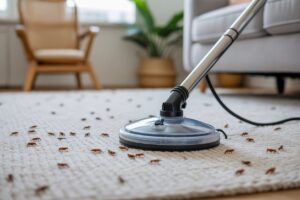
The truth about using a carpet shampooer for flea eradication is more nuanced than a simple yes or no. While a carpet shampooer can play a role in your fight against fleas, it’s rarely a standalone solution. Understanding the flea life cycle and the limitations of carpet cleaning is crucial for developing an effective strategy. In this comprehensive guide, we’ll delve into how carpet shampooing impacts fleas at various stages, explore its benefits and drawbacks, and outline a robust, multi-faceted approach to reclaim your home from these unwelcome guests. Get ready to learn what you really need to do to answer the question, “can a carpet shampooer kill fleas?” and achieve a truly flea-free environment.
Understanding the Flea Life Cycle
To effectively combat fleas, you must first understand their complex life cycle. This isn’t just about killing adult fleas; it’s about disrupting their entire reproductive process. A flea’s life cycle typically involves four main stages:
- Eggs: Adult female fleas lay up to 50 eggs per day, often on their host pet. These eggs are not sticky and quickly fall off into the environment – carpets, bedding, cracks in the floor, and furniture. They hatch within 2-12 days.
- Larvae: Once hatched, the larvae are tiny, worm-like creatures that avoid light. They feed on “flea dirt” (digested blood excreted by adult fleas) and other organic debris found deep within carpets and upholstery. This stage lasts 5-12 days, but can be longer in unfavorable conditions.
- Pupae: Larvae spin a silk cocoon, often incorporating debris from their environment, which makes them incredibly camouflaged and resilient. Inside this cocoon, they transform into adult fleas. The pupal stage is the most difficult to kill, as the cocoon protects them from many insecticides and physical cleaning methods. They can remain dormant for weeks or even months, waiting for optimal conditions (like vibrations or warmth signaling a host is near) to emerge.
- Adults: Once emerged from the cocoon, adult fleas immediately seek a blood meal from a host. They live and reproduce on the host, perpetuating the cycle. Adult fleas comprise only about 5% of a total flea population in an infested environment, while eggs, larvae, and pupae make up the remaining 95%.
This intricate cycle highlights why simply treating visible adult fleas or surface cleaning isn’t enough to eradicate an infestation. You must target all stages.
Will A Carpet Shampooer Kill Fleas: The Mechanics
So, what exactly happens when you run a carpet shampooer over a flea-infested carpet? Let’s break down its impact on each life stage.
How Shampooing Affects Adult Fleas
A carpet shampooer uses hot water and detergent to deep clean carpets. For adult fleas, the immediate effect can be significant. The combination of hot water, cleaning solution, and strong suction can:
- Drown/Dislodge: Many adult fleas on the surface will be drowned by the water and solution or physically dislodged and sucked into the machine’s dirty water tank.
- Heat: The hot water can kill some adult fleas directly upon contact.
However, adult fleas are highly mobile. Many will jump to escape the immediate area being cleaned, fleeing to untouched sections of carpet, furniture, or even onto pets. Therefore, while effective against some, a carpet shampooer won’t eliminate all adult fleas.
Impact on Flea Eggs and Larvae
This is where carpet shampooing can be more beneficial. Flea eggs and larvae are less mobile than adults:
- Washing Away Eggs: The detergent and water can effectively wash away a significant number of flea eggs that are loosely sitting on carpet fibers.
- Drowning Larvae: Flea larvae are delicate and sensitive to moisture. The cleaning solution and hot water can drown or desiccate them. The suction action also helps remove them from their hiding spots.
While a good number can be removed, some eggs and larvae might be deeply embedded within the carpet pile, making them difficult for the shampooer to reach. The effectiveness depends heavily on the machine’s power and the thoroughness of the cleaning.
The Resilient Flea Pupae
This is the Achilles’ heel for carpet shampooing as a standalone solution. Flea pupae are incredibly resistant. Their sticky, debris-laden cocoons protect them from most physical cleaning methods and even many insecticides. A carpet shampooer:
- Limited Penetration: Cannot effectively penetrate the pupal cocoon to kill the developing flea inside.
- Physical Removal: While some cocoons might be physically dislodged and vacuumed up, many will remain firmly attached deep within the carpet fibers.
This means that even after a thorough shampooing, dormant pupae can emerge days or weeks later, leading to a resurgence of the infestation. This is why many people feel like fleas “come back” after cleaning – they never truly left.
The Limitations of Using a Carpet Shampooer Alone
While it plays a role, relying solely on a carpet shampooer to kill fleas is a recipe for frustration. Here’s why:
- Incomplete Coverage: Fleas don’t just live in carpets. They infest pet bedding, upholstered furniture, curtains, cracks in flooring, and even hidden corners. A carpet shampooer only addresses a fraction of the infested environment.
- No Residual Effect: Once the carpet dries, there’s no lasting insecticide or repellent left behind. Any fleas that escaped or pupae that emerge later will find a clean, but unprotected, environment.
- Pupal Resilience: As discussed, the pupal stage is largely unaffected, allowing the infestation to persist and re-emerge.
- Moisture Issues: If carpets are not dried quickly and thoroughly, the prolonged moisture can potentially create an environment conducive to mold or mildew, and in some cases, might even support the survival of some flea stages (though hot water and detergent are generally detrimental).
- Time and Effort: Carpet shampooing is labor-intensive and time-consuming, and without addressing other factors, it might feel like wasted effort.
A Comprehensive Flea Eradication Strategy
To truly get rid of fleas, you need a multi-pronged attack that targets fleas at every stage of their life cycle and in every area of your home. Here’s a robust strategy:
1. Treat Your Pets First and Continuously
Your pets are the primary source of the infestation. Consult your veterinarian for effective flea control products, such as:
- Oral Medications: Fast-acting and highly effective.
- Topical Treatments: Spot-on treatments applied to the skin.
- Flea Collars: Some newer collars offer good protection.
Treat ALL pets in the household, even those showing no signs of fleas. This is non-negotiable for breaking the cycle.
2. Vacuuming: Your First Line of Defense (and Second, and Third)
Before and after shampooing, and consistently throughout the infestation, vacuuming is critical:
- Daily and Thoroughly: Vacuum all carpets, rugs, furniture, and along baseboards daily for several weeks. Pay special attention to areas where pets sleep or spend a lot of time.
- Reach Deep: Use attachments to get into cracks, crevices, and under furniture.
- Dispose Immediately: After each vacuuming session, immediately empty the vacuum bag or canister contents into a sealed plastic bag and dispose of it outside your home. This prevents any surviving fleas, eggs, or larvae from re-infesting.
The vibrations from vacuuming can also stimulate dormant pupae to emerge, making them vulnerable to subsequent treatments.
3. The Role of a Carpet Shampooer
Once you’ve treated your pets and completed initial vacuuming, a carpet shampooer can be a valuable tool:
- Deep Clean: Use it to deep clean carpets, removing adult fleas, eggs, larvae, flea dirt, and allergens.
- Hot Water is Key: Use the hottest water setting your machine and carpet can safely handle.
- Appropriate Solutions: Use a high-quality carpet cleaning solution. Some are specifically formulated for pet stains and odors, and a few may contain ingredients helpful against fleas (though check labels carefully).
- Dry Thoroughly: Ensure carpets dry as quickly as possible to prevent mold and mildew. Use fans and open windows.
Think of shampooing as a deep cleaning step that complements other treatments, rather than the sole solution.
4. Using Insect Growth Regulators (IGRs) and Insecticides
This is arguably the most crucial step for environmental treatment:
- IGRs: These chemicals mimic natural insect hormones, preventing flea eggs and larvae from developing into biting adults. They are highly effective at breaking the life cycle and are safe for use around pets and humans once dry. Many home flea sprays or foggers contain IGRs.
- Adulticides: Insecticides designed to kill adult fleas. These can be applied as sprays to carpets, furniture, and pet resting areas.
- Foggers/Bombs: Use with caution and follow instructions meticulously. They can be effective for widespread coverage but often don’t penetrate deep enough into carpets or under furniture.
Always read product labels carefully and ensure they are safe for use in your home and around pets.
5. Laundering and Cleaning
Don’t forget textiles!
- Hot Wash: Wash all pet bedding, throw blankets, curtains, and any removable cushion covers in hot water (at least 140°F or 60°C) and dry on the highest heat setting.
- Steam Cleaning: Consider steam cleaning upholstered furniture.
6. Ongoing Maintenance and Prevention
Once you’ve tackled the infestation, continue with regular vacuuming, maintain your pets’ flea prevention, and be vigilant for any signs of re-infestation.
Pros and Cons of Using a Carpet Shampooer for Fleas
Let’s summarize the advantages and disadvantages of including a carpet shampooer in your flea fight:
Pros:
- Removes Some Fleas and Eggs: It can physically remove a notable number of adult fleas, eggs, and larvae from the carpet fibers.
- Deep Cleaning: Beyond fleas, it provides a thorough cleaning, removing dirt, dander, and allergens that can contribute to a flea’s food source.
- Part of a Larger Strategy: When combined with other methods, it contributes positively to overall flea reduction.
- Improves Home Hygiene: Even if not a complete flea killer, a clean carpet certainly makes your home feel better.
Cons:
- Not a Standalone Solution: It will not eliminate a flea infestation on its own, especially due to the resilient pupal stage.
- No Residual Protection: Once dry, the carpet offers no ongoing protection against emerging fleas.
- Misses Other Areas: Doesn’t address fleas on pets, furniture, baseboards, or other non-carpeted areas.
- Can Be Labor-Intensive: Requires significant effort and drying time.
- Pupae Survival: The most critical drawback is its ineffectiveness against flea pupae.
Recommended Products
While a carpet shampooer isn’t a silver bullet, it’s a valuable tool in a comprehensive flea eradication plan. Here are some products that can help with your efforts to make your home flea-free:
Bissell ProHeat 2X Revolution Pet Pro Carpet Cleaner
A powerful carpet shampooer designed for pet owners, featuring strong suction and heatwave technology to help remove pet stains, odors, and some flea life stages from your carpets.
Rocco & Roxie Supply Co. Stain & Odor Eliminator
While not a dedicated flea killer, this enzymatic cleaner is excellent for removing pet stains and odors, including flea dirt, which can attract fleas. It helps ensure a truly clean environment.
Vet’s Best Flea & Tick Home Spray
A natural, plant-based home spray that kills fleas, flea eggs, and ticks on contact without harsh chemicals. Ideal for use on carpets, bedding, and furniture as part of your overall treatment plan.
Frequently Asked Questions About Carpet Shampooers and Fleas
Q1: Does hot water from a carpet shampooer kill fleas?
Yes, very hot water can kill adult fleas, eggs, and larvae on contact. The temperatures typically reached by carpet shampooers, especially those with heating elements, are often sufficient to kill these stages. However, the water’s effect is only on what it directly touches, and it does not offer residual killing power.
Q2: Can a carpet shampooer kill flea eggs and larvae?
Yes, a carpet shampooer is quite effective at washing away and drowning flea eggs and larvae. The combination of hot water, detergent, and strong suction helps to dislodge and remove these delicate stages from carpet fibers. However, some may be deeply embedded and missed by the cleaning process.
Q3: How long after shampooing can fleas return?
Fleas can “return” almost immediately if they simply jumped to another area during cleaning. More commonly, you might see new adult fleas emerge within 2-3 weeks (or even longer) after shampooing. This is because the shampooer generally doesn’t kill the resilient flea pupae, which will hatch when conditions are right, leading to a new wave of adults.
Q4: Is carpet shampooing enough to get rid of a flea infestation?
No, carpet shampooing alone is not enough to eliminate a flea infestation. While it removes many adult fleas, eggs, and larvae, it largely fails to kill the pupal stage, which can lie dormant and hatch later. A comprehensive approach involving pet treatment, regular vacuuming, and environmental insecticides (especially IGRs) is essential.
Q5: What’s the best carpet cleaning solution for fleas?
Look for carpet cleaning solutions that are specifically designed for pet stains and odors, as these often contain enzymes that break down organic matter like flea dirt. Some specialized solutions may even include insecticides or Insect Growth Regulators (IGRs) for added effectiveness against fleas. Always read labels carefully to ensure safety for pets and children.
Q6: Should I vacuum before or after shampooing for fleas?
You should vacuum both before and after shampooing for fleas. Vacuuming beforehand removes loose dirt, debris, and many fleas, eggs, and larvae, making the shampooing more effective. Vacuuming after the carpet has thoroughly dried (and regularly thereafter) helps to remove any fleas that survived, eggs that weren’t washed away, and can even trigger dormant pupae to hatch, making them susceptible to further treatments.
Conclusion
When faced with the daunting challenge of a flea infestation, it’s natural to wonder, will a carpet shampooer kill fleas effectively? The answer is complex: while a carpet shampooer is a valuable tool in your arsenal, it’s not a standalone solution. It excels at removing adult fleas, eggs, and larvae, and provides a deep clean that improves overall home hygiene. However, its significant limitation lies in its inability to effectively penetrate and kill the resilient flea pupae, which are the primary reason infestations persist or reappear.
To truly eradicate fleas from your home, you must adopt a comprehensive, multi-faceted strategy. This involves treating your pets with veterinary-approved products, consistent and thorough vacuuming, laundering all pet bedding and fabrics, and applying environmental treatments like Insect Growth Regulators (IGRs). Think of your carpet shampooer as a powerful cleaning aid that enhances your overall efforts, rather than a magic bullet. By understanding the flea life cycle and combining multiple methods, you can systematically break the cycle and reclaim a flea-free home. Patience and persistence are key!
“`