
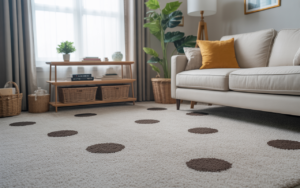
Whether it’s a small, isolated stain or a spreading discoloration, understanding the root cause is the first step toward effective treatment. Many homeowners face this common issue, often mistaking one type of spot for another, leading to ineffective cleaning attempts or even further damage. This comprehensive guide will delve into the various culprits behind those unwelcome dark spots on carpet, from everyday spills to more insidious problems like mold or wicking. We’ll equip you with the knowledge to identify the specific type of spot, offer practical advice for tackling them, and provide tips for prevention, helping you restore your carpet’s beauty and maintain a healthier home environment.
Common Culprits Behind Dark Spots Appearing On Your Carpet
When you discover dark spots appearing on your carpet, it’s natural to feel a pang of dread. The good news is that many of these spots have identifiable causes and are treatable. Let’s explore the most common reasons you might be seeing these unwelcome marks.
1. Accumulated Dirt and Soil
This is arguably the most common reason for dark spots on carpet, particularly in high-traffic areas. Over time, dirt, dust, and grime from shoes, pets, and even airborne particles get embedded deep into carpet fibers. While regular vacuuming helps, it doesn’t always remove everything, leading to a gradual darkening and compaction of the fibers. You’ll often see these as dirty patches or pathways.
- Identification: Usually broad, diffuse areas, often in walkways, around furniture, or near entryways. The spots might feel grittier than surrounding carpet.
- Solution: Regular, thorough vacuuming with a strong suction. For deeper dirt, consider professional carpet cleaning or using a carpet shampooer with a high-quality detergent.
2. Spills and Stains
Life happens, and spills are inevitable. Coffee, tea, soda, wine, food grease, ink, and even certain cleaning products can leave behind prominent dark spots on your carpet if not addressed promptly and correctly. The darker the liquid or substance, the more visible the stain will be.
- Identification: Often have a defined shape, reflecting the spill. The color can vary from light brown to black, depending on the spilled substance.
- Solution: Act quickly! Blot (don’t rub) with a clean cloth, working from the outside in. Use an appropriate stain remover for the specific type of stain.
3. Pet Accidents
For pet owners, pet urine and feces can be a frequent cause of dark spots appearing on carpet. Beyond the obvious discoloration, pet accidents can lead to unpleasant odors and, if left untreated, can permanently damage carpet fibers and padding, leading to dark, stubborn stains and potential bacterial growth.
- Identification: Often accompanied by a distinct odor. Urine stains can initially appear yellow but oxidize and turn dark brown or black over time.
- Solution: Use an enzymatic cleaner specifically designed for pet stains and odors. Ensure it penetrates deep to address both the stain and the smell.
4. Mold and Mildew Growth
This is a more serious cause of dark patches on carpet and requires immediate attention. Mold and mildew thrive in damp, dark environments. Water leaks, high humidity, or inadequate drying after spills or floods can create the perfect breeding ground. Not only do they look unsightly, but they can also pose health risks.
- Identification: Often appear as fuzzy, black, green, or dark brown spots with a musty odor. They tend to spread and can be found in areas exposed to moisture, like basements or under leaky windows.
- Solution: Small, superficial mold spots can sometimes be treated with a mixture of water and white vinegar or a specialized mold remover. However, extensive mold growth requires professional remediation to ensure it’s fully eradicated and to address any underlying moisture issues.
5. Wicking
Wicking is a phenomenon where stains that have penetrated deep into the carpet backing or padding reappear on the surface after the carpet has been cleaned and dried. As the carpet dries, moisture from below rises, carrying residual stain particles with it. This can make it seem like a previously removed stain has mysteriously returned or a new dark spot has formed.
- Identification: A stain that reappears after cleaning and drying, often looking like a ring or a shadow of the original stain.
- Solution: Thoroughly dry the area after cleaning. You may need to re-clean and then place a stack of white towels weighted down on the damp spot to absorb moisture and draw the stain upward as it dries.
6. Furniture Stains (Dye Transfer or Rust)
Furniture can also be a culprit. The dyes from wooden furniture legs, especially if they get wet, can bleed onto the carpet, creating dark spots. Similarly, rust from metal furniture legs, staples, or even old coins left on the carpet can leave reddish-brown to black stains.
- Identification: Often found directly under or around furniture. Rust stains have a distinct reddish-brown hue.
- Solution: For dye transfer, specific dye-transfer removers might be needed. For rust, use an oxalic acid-based rust remover (test in an inconspicuous area first). Prevent future stains by placing furniture coasters or protectors under legs.
7. Chemical Reactions
Sometimes, the very products you use to clean your carpet can cause problems. Certain cleaning agents, especially those with strong bleaches or high pH levels, can react with carpet fibers or existing stains, leading to discoloration or oxidation that manifests as dark spots or yellowing.
- Identification: Can appear after cleaning, sometimes as a halo or a general darkening of the cleaned area.
- Solution: Always test cleaning products in an inconspicuous area first. If a chemical reaction has occurred, it might be difficult to reverse and may require professional intervention or spot dyeing.
Preventing Dark Spots Appearing On Carpet
Prevention is always better than cure when it comes to keeping your carpet pristine. Here are some proactive steps to minimize the chances of dark spots appearing on your carpet:
- Regular Vacuuming: Vacuum high-traffic areas daily and less-used areas at least twice a week. This prevents dirt from embedding deeply.
- Area Rugs & Mats: Place doormats at all entryways and use area rugs in high-traffic zones. This acts as a barrier, trapping dirt before it reaches your main carpet.
- Prompt Spill Cleanup: Address spills immediately. Blot, don’t rub, and use appropriate cleaners for the type of spill.
- Pet Training & Care: Train pets to go outside, and promptly clean up any indoor accidents with enzymatic cleaners.
- Humidity Control: Use dehumidifiers in damp areas (basements, bathrooms) to prevent mold and mildew growth. Ensure good ventilation.
- Furniture Protectors: Use plastic or rubber coasters under furniture legs to prevent dye transfer or rust stains.
- Professional Cleaning: Schedule professional deep cleaning every 12-18 months. This removes embedded dirt and refreshes the carpet fibers.
- Carpet Protectors: Consider applying a carpet protector (like Scotchgard) after cleaning. These create a barrier that makes spills easier to clean and prevents stains from setting.
Recommended Products
Tackling those stubborn dark spots appearing on your carpet often requires the right tools. Here are a few highly-rated products that can help you restore your carpet’s former glory. Remember to always follow product instructions and test in an inconspicuous area first.
Bissell SpotClean Professional Portable Carpet Cleaner
An excellent portable cleaner for tackling tough spots and stains. Its powerful suction and specialized tools make quick work of spills and pet accidents, preventing them from becoming permanent dark spots.
Rocco & Roxie Supply Co. Professional Strength Stain & Odor Eliminator
This enzymatic cleaner is a lifesaver for pet owners. It effectively breaks down organic stains and odors from urine, feces, and vomit, preventing those lingering dark spots and smells.
Folex Instant Carpet Spot Remover
A highly-regarded, non-toxic, and odor-free spot remover that works wonders on a wide variety of stains, including grease, ink, coffee, and more, making it a versatile tool against various dark spots.
Concrobium Mold Control
If mold or mildew is the cause of your dark spots, this product effectively eliminates and prevents mold growth without harsh chemicals, making it safer for your carpet and home.
Frequently Asked Questions About Dark Spots On Carpet
Q1: Can dark spots on carpet be permanent?
Unfortunately, yes, some dark spots appearing on your carpet can become permanent if not treated properly and promptly. Stains like red wine, ink, or pet urine that are left to set for too long can dye the carpet fibers irreversibly. Similarly, mold growth that penetrates deep into the carpet backing can cause irreparable damage. The age of the stain and the type of carpet fiber (natural fibers are often more absorbent) also play a role. While professional cleaners can achieve remarkable results, some severe stains may only be lightened, not fully removed.
Q2: How can I identify the type of dark spot on my carpet?
Identifying the type of dark spot on carpet is crucial for effective treatment. Look for clues: Is there an odor (pet urine, mold)? What’s the location (high-traffic, under furniture, near a window)? What’s the texture (gritty, sticky, fuzzy)? The shape can also indicate a spill, while diffuse darkening suggests accumulated dirt. If you suspect mold, look for fuzzy growth and a musty smell, often in damp areas. Consider recent activities – did you spill coffee, or did a pet have an accident? This detective work helps you choose the right cleaning approach.
Q3: When should I call a professional for dark spots on my carpet?
It’s wise to call a professional for dark spots appearing on your carpet when DIY methods aren’t working, the spot is large or widespread, or you suspect serious issues like extensive mold or water damage. Professionals have industrial-grade equipment, specialized cleaning solutions, and the expertise to handle stubborn stains, wicking problems, and deep-seated dirt. They can also assess the extent of damage and provide solutions that home remedies can’t, often saving your carpet from needing replacement.
Q4: Are all dark spots on carpet a sign of mold?
No, not all dark spots on carpet indicate mold, although mold is a serious possibility that shouldn’t be overlooked. As discussed, dark spots can stem from accumulated dirt, various spills, pet accidents, furniture stains, or even chemical reactions. While mold growth often presents as dark, fuzzy patches with a musty odor, it’s important not to jump to conclusions. Carefully assess the spot’s characteristics and your environment before assuming mold, but always err on the side of caution and address moisture issues promptly.
Q5: Can home remedies effectively remove dark spots from carpet?
For many fresh and common dark spots appearing on your carpet, home remedies can be quite effective. Solutions like a mix of white vinegar and water, baking soda paste, or dish soap and warm water can tackle many spills. For pet stains, an enzymatic cleaner is often recommended. However, the effectiveness of home remedies largely depends on the type of stain, how long it’s been there, and the carpet material. Always test any remedy on an inconspicuous area first, and for stubborn, old, or unknown stains, commercial products or professional help might be necessary.
Conclusion: Reclaiming Your Carpet’s Brilliance from Dark Spots
The appearance of dark spots appearing on your carpet can be disheartening, transforming a once vibrant floor into a source of frustration. However, as we’ve explored, these spots are rarely insurmountable. From the common culprits like everyday dirt and accidental spills to more serious issues such as mold or wicking, understanding the specific cause is your most powerful tool in the fight for a clean carpet.
Remember, prompt action is key. A fresh spill is always easier to tackle than a set-in stain. Implement preventative measures like regular vacuuming, using doormats, and addressing moisture issues immediately to significantly reduce the likelihood of future dark spots. For persistent problems, don’t hesitate to invest in quality cleaning products or, when in doubt, call in the professionals. By taking a proactive and informed approach, you can effectively banish those unwelcome dark patches and ensure your carpet remains a beautiful, clean, and inviting feature of your home for years to come. Your carpet deserves a spotless future!