
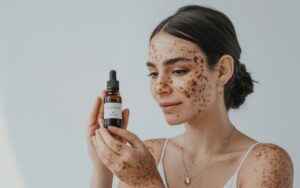
This comprehensive guide will delve deep into the world of dark spot corrector oils, explaining how they work, what ingredients to look for, and how to seamlessly integrate them into your daily skincare routine. We’ll explore the science behind fading hyperpigmentation, share practical advice for choosing the best oil for your skin type, and provide tips to maximize your results. Get ready to uncover the secret to a clearer, more uniform skin tone, as we illuminate the benefits and proper application of a high-quality Dark Spots Oil.
Understanding Dark Spots: What Causes Them?
Before diving into solutions, it’s crucial to understand what causes those unwelcome dark patches on your skin. Dark spots, clinically known as hyperpigmentation, occur when certain areas of the skin produce excess melanin, the pigment responsible for skin, hair, and eye color. This overproduction leads to localized darkening, creating an uneven skin tone.
Types of Hyperpigmentation
- Post-Inflammatory Hyperpigmentation (PIH): These spots appear after skin trauma or inflammation, such as acne breakouts, eczema, or injuries. The skin’s healing process sometimes triggers an overproduction of melanin, leaving behind brown, black, or gray marks.
- Sun Spots (Solar Lentigines): Often called age spots or liver spots, these are directly caused by prolonged sun exposure. UV radiation stimulates melanin production as a protective mechanism, leading to flat, darkened areas, commonly on the face, hands, and décolletage.
- Melasma: A more widespread form of hyperpigmentation, melasma appears as larger patches, often on the face (cheeks, forehead, upper lip). It’s typically triggered by hormonal fluctuations (e.g., pregnancy, birth control pills) combined with sun exposure.
Common Triggers for Dark Spots
Beyond the types, several factors can exacerbate or initiate dark spot formation:
- Sun Exposure: The primary culprit for most dark spots. UV rays damage skin cells and stimulate melanocytes to produce more melanin.
- Acne and Skin Injuries: Inflammation from pimples, cuts, or scrapes can leave behind dark marks.
- Hormonal Changes: Pregnancy, certain medications, and hormonal imbalances can increase melanin sensitivity, leading to melasma.
- Certain Medications: Some drugs can cause photosensitivity or directly lead to hyperpigmentation.
- Genetics: Some individuals are genetically predisposed to developing dark spots.
The Science Behind Dark Spots Oil: How Do They Work?
Dark Spots Oil formulations are specifically designed to target the melanin production process and accelerate skin cell turnover. They achieve this through a blend of active ingredients that work synergistically.
Key Mechanisms of Action
- Inhibiting Melanin Production: Many ingredients in a quality dark spots oil work by interfering with tyrosinase, an enzyme crucial for melanin synthesis. By slowing down this enzyme, new pigment formation is reduced.
- Accelerating Cell Turnover: Promoting faster exfoliation of the skin helps shed existing pigmented cells, revealing newer, lighter skin underneath.
- Anti-Inflammatory Properties: For PIH, reducing inflammation is key. Certain oils contain compounds that calm the skin, preventing further melanin overproduction.
- Antioxidant Protection: Ingredients rich in antioxidants protect the skin from free radical damage, which can contribute to hyperpigmentation.
Common powerful ingredients found in an effective Dark Spots Oil include:
- Vitamin C (Ascorbic Acid and its derivatives): A potent antioxidant that inhibits tyrosinase and brightens the skin.
- Niacinamide (Vitamin B3): Reduces the transfer of melanin to skin cells and offers anti-inflammatory benefits.
- Licorice Root Extract: Contains glabridin, which inhibits tyrosinase and has anti-inflammatory properties.
- Alpha Arbutin/Kojic Acid: Directly inhibit tyrosinase activity.
- Rosehip Oil: Rich in Vitamin A and essential fatty acids, promoting cell regeneration and reducing the appearance of scars and dark spots.
- Turmeric Oil: Known for its anti-inflammatory and skin-brightening properties.
Benefits of Incorporating a Dark Spots Oil into Your Routine
Choosing a dedicated Dark Spots Oil offers several advantages compared to other treatment forms:
- Targeted Treatment: Oils are often formulated with highly concentrated active ingredients that penetrate effectively.
- Nourishing and Hydrating: Unlike some harsh treatments, oils typically provide essential fatty acids and vitamins that nourish the skin barrier, preventing dryness and irritation.
- Often Natural Ingredients: Many dark spot corrector oils leverage botanical extracts known for their skin-brightening properties, appealing to those seeking a more natural approach.
- Versatility: Suitable for various skin types when chosen carefully, from dry to oily.
- Enhanced Radiance: Beyond just fading spots, a good oil can improve overall skin texture and luminosity.
Pros and Cons to Consider
Pros:
- Deeply hydrating and conditioning for the skin.
- Can contain powerful antioxidants and anti-inflammatory agents.
- Often improve overall skin health and glow.
- Many options are available with natural, plant-derived ingredients.
Cons:
- Results require patience and consistency; they are not instant.
- Some oils might feel heavy for very oily or acne-prone skin, though many non-comedogenic options exist.
- Potential for irritation if essential oils or certain active ingredients are too strong for sensitive skin (always patch test!).
- Not a standalone solution for severe, deeply rooted hyperpigmentation without professional treatments.
Choosing the Best Dark Spots Oil for Your Skin
With so many options, selecting the right Dark Spots Oil can feel overwhelming. Here’s what to consider:
Key Ingredients to Look For
- Vitamin C: Crucial for brightening and antioxidant protection. Look for stable forms like Tetrahexyldecyl Ascorbate in oil formulations.
- Niacinamide: Excellent for overall skin health, barrier function, and reducing pigment transfer.
- Licorice Root & Arbutin: Potent tyrosinase inhibitors for direct dark spot targeting.
- Rosehip Oil: Rich in Vitamin A (tretinoin’s natural cousin) and beneficial fatty acids for regeneration.
- Jojoba Oil, Squalane, or Grapeseed Oil: Non-comedogenic carrier oils that provide hydration without clogging pores.
Considerations for Your Skin Type
- Oily/Acne-Prone Skin: Opt for lightweight, non-comedogenic oils like grapeseed, jojoba, or squalane as carriers. Look for formulations with niacinamide and salicylic acid (if also targeting acne).
- Dry/Mature Skin: Richer oils like argan, marula, or avocado oil can provide extra nourishment. Ingredients like Vitamin C and rosehip oil are particularly beneficial for anti-aging and brightening.
- Sensitive Skin: Choose fragrance-free options and oils with soothing ingredients like chamomile or calendula. Always patch test new products extensively. Avoid overly high concentrations of active ingredients initially.
What to Avoid
When selecting your dark spot corrector oil, try to avoid products with:
- Harsh Alcohols: Can be drying and irritating, counteracting the oil’s benefits.
- Strong Artificial Fragrances: Common irritants, especially for sensitive skin.
- Unverified Claims: Be wary of products promising instant or miraculous results.
How to Effectively Use Your Dark Spots Oil for Optimal Results
Proper application is key to getting the most out of your Dark Spots Oil. Consistency and a thoughtful routine will yield the best outcomes.
Step-by-Step Application Guide
- Cleanse: Start with a clean face. Use a gentle cleanser to remove dirt, makeup, and impurities.
- Tone (Optional): If you use a toner, apply it after cleansing to balance skin pH and prepare it for subsequent steps.
- Apply Serums (Optional): If you use other water-based serums (e.g., hyaluronic acid), apply them before your oil.
- Apply Your Dark Spots Oil: Dispense 2-4 drops of your oil into your palms. Gently warm the oil between your hands and press it onto your face, neck, and décolletage. Lightly massage in upward motions until absorbed.
- Moisturize: Follow with your regular moisturizer to seal in the oil and provide additional hydration.
- Always Apply SPF (Daytime): This is the most critical step. Sun exposure is the leading cause of dark spots, and even the best Dark Spots Oil will be ineffective if new pigmentation is forming. Use a broad-spectrum sunscreen with SPF 30 or higher daily.
Tips for Maximizing Results
- Be Consistent: Apply your dark spots oil once or twice daily, as directed, without skipping days. Results take time, often 8-12 weeks for noticeable changes.
- Patch Test: Always test a new product on a small, inconspicuous area of your skin (e.g., behind the ear or on the jawline) for 24-48 hours before full facial application, especially if you have sensitive skin.
- Layer Correctly: Oils generally go after water-based serums and before heavy creams.
- Don’t Forget SPF: We can’t stress this enough. Sun protection is paramount to fading existing spots and preventing new ones.
- Combine with Exfoliants: Incorporating gentle chemical exfoliants (AHAs/BHAs) a few times a week can enhance the oil’s efficacy by helping to shed pigmented cells faster.
- Patience is Key: Skin cell turnover takes time. Don’t get discouraged if you don’t see immediate results.
Recommended Products
Bio-Oil Skincare Oil
A widely popular and trusted oil, Bio-Oil is formulated to improve the appearance of scars, stretch marks, and uneven skin tone, including dark spots. It’s rich in vitamins and plant extracts.
Palmer’s Cocoa Butter Formula Skin Therapy Oil
This multi-purpose oil, infused with Cocoa Butter, Vitamin E, and Cetesomate-E Complex, is excellent for improving the appearance of scars, dry damaged skin, and dark spots for a smoother, more even tone.
Pure Rosehip Oil
A natural powerhouse, 100% pure Rosehip Oil is rich in essential fatty acids and Vitamin A, making it excellent for skin regeneration, reducing the appearance of dark spots, fine lines, and improving overall skin texture.
Dedicated Dark Spot Corrector Oil
Many brands offer targeted oils specifically marketed as “Dark Spot Remover for Face Oil” often containing a blend of brightening botanicals like turmeric, frankincense, and various fruit extracts to tackle hyperpigmentation.
Frequently Asked Questions About Dark Spots Oil
Q1: How long does it take for dark spots oil to work?
A1: Patience is crucial. While some users might notice subtle improvements in skin radiance within a few weeks, significant fading of dark spots typically takes 8 to 12 weeks of consistent daily use. Deeper or older spots may require even more time. The skin’s natural cell turnover cycle plays a big role in how quickly results appear.
Q2: Can dark spots oil be used on all skin types?
A2: Generally, yes, but with careful consideration. There are Dark Spots Oil formulations designed for various skin types. For oily or acne-prone skin, look for non-comedogenic oils like jojoba, grapeseed, or squalane. Dry or mature skin types might benefit from richer oils like argan or marula. Always check the ingredient list and perform a patch test, especially if you have sensitive skin.
Q3: Is it okay to use dark spots oil with other skincare products?
A3: Yes, a Dark Spots Oil can be integrated into most existing routines. Apply water-based serums first, then your oil, and follow with a moisturizer. Be cautious when combining with other strong active ingredients like retinoids or potent exfoliants, as this could increase sensitivity. Introduce one new product at a time and observe your skin’s reaction.
Q4: What’s the most important thing to remember when using dark spots oil?
A4: Consistent daily sunscreen application is absolutely non-negotiable. Without broad-spectrum SPF 30 or higher, your efforts to fade dark spots will be undermined by ongoing sun exposure, which causes new pigmentation and darkens existing spots. SPF protects your skin and allows the oil to work its magic effectively.
Q5: Are there any side effects of using dark spots oil?
A5: Most Dark Spots Oil formulations are well-tolerated. However, potential side effects can include mild irritation, redness, or a breakout if the oil is not suitable for your skin type (e.g., comedogenic for oily skin) or if you have an allergy to a specific ingredient. Always perform a patch test before applying to your entire face. If irritation persists, discontinue use.
Q6: Can dark spots oil prevent new dark spots?
A6: While a Dark Spots Oil primarily targets existing hyperpigmentation, many formulations contain antioxidants (like Vitamin C) that protect the skin from environmental damage, which can contribute to new spot formation. However, the most effective way to prevent new dark spots is rigorous sun protection (SPF) and addressing underlying causes like acne or inflammation promptly.
Conclusion
Embarking on a journey to clearer, more radiant skin can be incredibly rewarding, and a well-chosen Dark Spots Oil can be a powerful ally in this endeavor. We’ve explored the common culprits behind hyperpigmentation, delved into the scientific mechanisms that allow these specialized oils to work their magic, and armed you with the knowledge to select and use them effectively. Remember that consistency is your best friend when it comes to fading dark spots, and patience will undoubtedly pay off.
By understanding the potent ingredients, considering your skin’s unique needs, and diligently following an application routine that always includes sun protection, you can significantly improve the appearance of uneven skin tone. A quality dark spot corrector oil not only helps diminish existing marks but also contributes to overall skin health, leaving you with a more luminous and confident complexion. Embrace the power of these targeted oils and unlock the radiant skin you deserve. If you have severe or persistent dark spots, always consider consulting a dermatologist for personalized advice.
“`