
Is your car’s once pristine finish marred by unsightly dark spots on car paint You’re not alone. These stubborn blemishes can be frustrating, detracting from your vehicle’s aesthetic appeal and potentially indicating underlying issues. Whether it’s small black dots, sticky brown specks, or hazy patches, these imperfections can make your car look neglected and older than it is. But don’t despair! Understanding the origin of these dark spots is the first step towards effectively tackling them and restoring your car’s showroom shine.
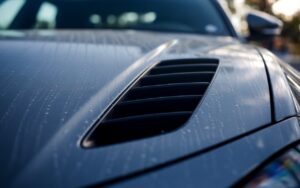
This comprehensive guide will walk you through everything you need to know about dark spots on car paint. We’ll explore the common culprits behind these blemishes, teach you how to identify different types of spots, and provide detailed, step-by-step methods for their safe and effective removal. Beyond just cleaning, we’ll also delve into preventative measures to keep your car looking its best long-term. Get ready to reclaim your car’s flawless finish and turn heads for all the right reasons!
Understanding Dark Spots On Car Paint: What Are They?
Dark spots on car paint encompass a wide range of imperfections, each with its own unique cause and characteristics. They are essentially contaminants or damage that have adhered to, or penetrated, your vehicle’s clear coat and paint layers. These spots can vary in size, texture, and color, from tiny black specks to larger, discolored patches. The good news is that most of these spots are treatable, especially if addressed promptly. The key is proper identification.
Why Do Dark Spots Appear on Car Paint?
Your car’s paintwork is constantly exposed to a barrage of environmental elements, road debris, and chemical contaminants. Over time, these exposures can lead to various forms of discoloration and staining, resulting in those frustrating dark spots on car paint. Understanding the source is crucial because the treatment method often depends on what caused the spot in the first place. Improper cleaning or using the wrong products can sometimes worsen the problem or even damage your paint, so proceed with caution and knowledge.
Common Causes of Dark Spots On Car Paint
Let’s break down the most frequent offenders that lead to stains on car finish and how to recognize them.
1. Tar and Asphalt Splatter
- Appearance: Small, sticky, black or dark brown dots, often appearing on the lower panels, wheel wells, and behind the wheels.
- Cause: Freshly paved roads, road construction, or hot asphalt can kick up tiny particles that adhere firmly to your car’s paint.
- Impact: If left untreated, tar can bond strongly with the clear coat, making removal difficult and potentially leaving a shadow.
2. Tree Sap and Pollen Residue
- Appearance: Sticky, often translucent or yellowish-brown spots that can harden into a crust. Pollen can leave a fine, yellowish film or sticky residue.
- Cause: Parking under trees, especially during certain seasons, exposes your car to dripping sap. Pollen, when mixed with moisture, can also become sticky.
- Impact: Tree sap is highly acidic and can etch into the clear coat if not removed quickly, leaving permanent blemishes. Pollen residue can also be difficult to wash off with just water.
3. Brake Dust and Iron Contamination (Rail Dust)
- Appearance: Tiny, reddish-brown or black specks that often appear on lighter colored vehicles, particularly around the wheels and lower body panels. They might feel gritty.
- Cause: Hot metal particles from your brakes, or industrial fallout (from railways, factories), become airborne and embed themselves into your car’s paint.
- Impact: These iron particles can rust when exposed to moisture, leading to visible orange spots and permanent pitting if neglected.
4. Hard Water Spots (Mineral Deposits)
- Appearance: Hazy, circular or irregular spots, often white or light brown, that appear after water evaporates from the car’s surface, leaving mineral deposits behind.
- Cause: Washing your car in direct sunlight, using well water, or allowing sprinklers to spray your vehicle.
- Impact: Mild water spots are cosmetic, but severe etching from hard minerals can permanently damage the clear coat, requiring polishing to correct.
5. Bird Droppings and Bug Guts
- Appearance: Irregular, often opaque spots with varying colors depending on the source.
- Cause: These organic matters contain acids and enzymes that are highly corrosive to car paint.
- Impact: If left on the paint, especially in hot weather, they can quickly etch into the clear coat, creating permanent dull or discolored areas.
6. Oxidation and Clear Coat Failure
- Appearance: Dull, chalky, or hazy patches, often more noticeable on older vehicles or those frequently exposed to harsh sunlight. Can appear as a general dullness or specific cloudy spots.
- Cause: Prolonged exposure to UV rays, harsh chemicals, or lack of proper paint protection causes the clear coat to break down.
- Impact: This is a more severe form of car paint discoloration. Mild oxidation can be corrected with polishing, but extensive clear coat failure may require repainting.
7. Mold or Mildew
- Appearance: Small, fuzzy, often greenish-black or dark grey spots, typically found in damp, shaded areas, or on interior seals that have spread to the paint.
- Cause: Prolonged moisture and organic debris in areas with poor ventilation.
- Impact: While usually superficial on paint, it can spread and is unsightly. Easily removed with proper cleaning.
Identifying the Type of Dark Spot: Your First Step to Removal
Before you grab any cleaner, it’s crucial to identify what kind of black spots on car paint or other blemishes you’re dealing with. Here’s how:
- Touch Test: Gently run your finger over the spot. Is it sticky (tar, sap)? Gritty (brake dust, industrial fallout)? Smooth but discolored (water spot, oxidation)?
- Location: Lower panels often indicate tar or brake dust. Top panels and hood might suggest bird droppings, sap, or water spots.
- Color and Shape: Black sticky dots are usually tar. Reddish-brown specks are often iron. Hazy white circles point to hard water.
- Ease of Initial Cleaning: Does a regular car wash remove it? If not, it’s a more stubborn contaminant.
Methods to Remove Dark Spots On Car Paint Effectively
Once you’ve identified the culprit, you can choose the right weapon. Always start with the least aggressive method and work your way up. Always test on an inconspicuous area first.
1. Gentle Cleaning for Minor Spots
For fresh, superficial contaminants, a thorough wash might be all you need.
- Car Wash Shampoo: Use a pH-neutral car shampoo and plenty of water. Wash in the shade to prevent water spots.
- Microfiber Towels: Use soft, clean microfiber towels for washing and drying to prevent scratching.
- Technique: Soak the affected area to loosen debris. Gently wipe away, never scrub.
2. Specialized Removers for Specific Dark Spots
When general washing isn’t enough, targeted products come into play. Always read product instructions carefully.
- Tar and Bug Removers:
- Application: Spray directly onto tar or bug guts, let it dwell for the recommended time (usually a few minutes).
- Removal: Gently wipe away with a clean microfiber cloth. Reapply and repeat if necessary.
- Benefit: Specifically formulated to dissolve organic contaminants without harming paint.
- Iron Removers (Fallout Removers):
- Application: Spray onto a clean, dry surface. Watch for a purple “bleeding” effect, indicating it’s dissolving iron particles.
- Removal: Rinse thoroughly with water after the dwell time.
- Benefit: Chemically dissolves embedded iron particles that a clay bar might miss.
- Clay Bar Treatment:
- Application: After washing, lubricate the paint with a detailing spray. Gently glide the clay bar over the surface, kneading it frequently to expose a fresh surface.
- Removal: The clay lifts embedded contaminants (tree sap residue, industrial fallout, paint overspray) from the clear coat.
- Benefit: Excellent for removing bonded contaminants that sit on top of the paint but are too stubborn for washing.
- Vinegar Solution (for Hard Water Spots):
- Application: Mix equal parts distilled white vinegar and water. Apply to a microfiber cloth and gently wipe the water spots.
- Removal: Rinse thoroughly with water immediately after application.
- Caution: Do not let vinegar dry on paint. Use sparingly and only for water spots.
- Rubbing Alcohol (for Fresh Tree Sap):
- Application: Dampen a microfiber cloth with isopropyl alcohol (70% or less). Gently dab and wipe fresh sap.
- Removal: Rinse the area with water and wash with car shampoo afterward.
- Caution: Use sparingly, avoid plastic or rubber trim, and do not let it dry on the paint.
3. Polishing or Compounding for Etching and Oxidation
For car paint discoloration, etching from bird droppings/sap, or oxidation, mechanical abrasion might be necessary. This involves removing a microscopic layer of the clear coat to reveal fresh, unblemished paint underneath.
- Polishing: Use a fine abrasive polish with an orbital polisher or by hand. This removes light swirls, scratches, and minor etching.
- Compounding: For more severe oxidation or deeper etching, a more aggressive compound might be needed. This should be done carefully, preferably with a machine polisher, as it removes more clear coat.
- Professional Help: If you’re unsure or the damage is extensive, it’s best to consult a professional detailer.
4. When to Seek Professional Help
While many dark spots on car paint can be tackled at home, some situations warrant professional intervention:
- Extensive Damage: Widespread clear coat failure, deep scratches, or severe etching.
- Lack of Experience: If you’re uncomfortable using polishes or compounds, a professional will have the right tools and expertise.
- Time Constraints: Detailing can be time-consuming; professionals can often do it faster and more efficiently.
- Specialized Spots: Unknown substances or spots that don’t respond to standard treatments.
Preventing Dark Spots On Car Paint: A Proactive Approach
The best way to deal with dark spots on car paint is to prevent them from appearing in the first place. A proactive approach will save you time, effort, and money in the long run.
- Regular Washing: Wash your car every 1-2 weeks using a pH-neutral car shampoo. This removes fresh contaminants before they can bond or etch.
- Waxing, Sealants, or Ceramic Coatings: Apply a protective layer to your paint.
- Wax: Offers a sacrificial layer and shine, typically lasting a few weeks to months.
- Sealant: A synthetic polymer that provides longer-lasting protection (months).
- Ceramic Coating: A durable, semi-permanent layer that offers years of protection against contaminants, UV rays, and minor scratches.
These barriers make it harder for contaminants to stick and easier to clean.
- Strategic Parking:
- Avoid parking directly under trees, especially during sap-shedding seasons.
- Be mindful of construction zones or areas with heavy industrial fallout.
- Try to park in shaded areas to reduce UV exposure and minimize water spot formation.
- Prompt Clean-Ups:
- Remove bird droppings and bug guts as soon as you notice them. Keep a quick detailer and microfiber towel handy for emergencies.
- Wipe away fresh tree sap immediately.
- Proper Drying: Always dry your car thoroughly after washing to prevent hard water spots. Use a leaf blower or a dedicated drying towel.
Pros and Cons of DIY vs. Professional Dark Spot Removal
Deciding whether to tackle removing dark spots from car paint yourself or hiring a professional depends on several factors.
DIY Dark Spot Removal
- Pros:
- Cost-Effective: You only pay for products, not labor.
- Convenience: Work on your own schedule.
- Satisfaction: The pride of restoring your car yourself.
- Learning Experience: Gain valuable detailing skills.
- Cons:
- Time-Consuming: Especially for extensive damage.
- Risk of Damage: Using incorrect products or techniques can worsen the problem (e.g., scratching, paint hazing).
- Requires Knowledge: You need to accurately identify the spot and choose the right product.
- Limited Tools: You might not have access to professional-grade tools like orbital polishers.
Professional Dark Spot Removal
- Pros:
- Expertise: Professionals have in-depth knowledge and experience with various paint issues.
- Guaranteed Results: Reputable detailers often guarantee their work.
- Specialized Tools: Access to high-quality polishes, compounds, and machines.
- Time-Saving: They can often complete the job much faster than a DIY approach.
- Comprehensive Services: Often include paint correction, protection, and interior detailing.
- Cons:
- Higher Cost: Labor and specialized products come at a premium.
- Scheduling: You need to book an appointment.
- Trust: Finding a reputable and skilled detailer is important.
Recommended Products
Chemical Guys Bug & Tar Remover
An effective solution for dissolving stubborn tar, asphalt, and insect residues quickly and safely from your car’s paint.
Meguiar’s Ultimate Iron Remover
A pH-neutral formula that reacts with and dissolves embedded iron particles (brake dust, industrial fallout) turning purple as it works.
Mothers California Gold Clay Bar System
An essential kit for removing bonded contaminants like tree sap, overspray, and industrial fallout, leaving your paint smooth as glass.
Adam’s Polishes Car Shampoo
A high-foaming, pH-neutral car wash soap that safely cleans your vehicle without stripping wax or sealants, an excellent first step in cleaning.
Griot’s Garage Random Orbital Polisher
For more stubborn spots, etching, or oxidation, an orbital polisher with appropriate pads and compounds can safely restore your paint’s clarity.
FAQ Section: Your Questions About Dark Spots On Car Paint Answered
Q1: Are dark spots on car paint permanent?
Most dark spots on car paint are not permanent if addressed correctly and promptly. Surface contaminants like tar, bug guts, tree sap, and brake dust can typically be removed with specialized cleaners and detailing techniques such as clay barring or iron removers. However, if left untreated, highly acidic contaminants (like bird droppings or sap) can etch into the clear coat, and severe oxidation or clear coat failure can lead to permanent damage that may require professional paint correction or even repainting.
Q2: Can I use household cleaners to remove dark spots?
While some household products like vinegar (diluted for water spots) or rubbing alcohol (sparingly for fresh sap) can be used with extreme caution, it is generally not recommended to use most household cleaners on car paint. Products like dish soap, abrasive cleaners, or strong detergents can strip waxes/sealants, dull the paint, or even damage the clear coat. Always opt for car-specific detailing products formulated to be safe for automotive finishes.
Q3: How often should I clean my car to prevent dark spots?
To effectively prevent dark spots on car paint, it’s ideal to wash your car every 1-2 weeks. This regular washing helps remove fresh contaminants before they have a chance to bond or etch into the paint. Additionally, applying a wax, sealant, or ceramic coating every few months (or years, for coatings) creates a protective barrier that makes it harder for spots to adhere and easier to clean when they do.
Q4: What’s the difference between a water spot and a tar spot?
The main differences are appearance and cause. Water spots are typically hazy, white, or light brown circular marks left behind after hard water evaporates, depositing minerals on the paint. They often feel smooth. Tar spots, on the other hand, are sticky, black or dark brown dots or specks that come from road asphalt and will feel gritty or sticky to the touch. Knowing the difference helps you choose the correct removal product.
Q5: When should I seek professional help for dark spots?
You should consider professional help if the dark spots on car paint are extensive, deeply etched, or if you’ve tried appropriate DIY methods without success. If you’re dealing with widespread oxidation, significant clear coat damage, or simply feel uncomfortable using abrasive products like polishes and compounds, a professional detailer has the expertise, tools, and experience to safely and effectively restore your paint without causing further damage.
Q6: Can polishing remove all dark spots?
Polishing is effective for removing certain types of dark spots, particularly those that involve etching into the clear coat (like from bird droppings or tree sap) or paint discoloration due to oxidation. It works by removing a microscopic layer of the clear coat to reveal fresh paint beneath. However, polishing is not the primary solution for all spots. For surface contaminants like tar, iron fallout, or fresh sap, dedicated removers and clay barring are more appropriate and less aggressive. Polishing should only be used after surface contaminants have been removed.
Dealing with dark spots on car paint can feel like a never-ending battle, but with the right knowledge and tools, you can effectively tackle most of these blemishes and restore your vehicle’s pristine appearance. From sticky tar and acidic tree sap to stubborn water spots and irritating brake dust, each type of spot requires a specific approach. Remember, prompt identification and action are your best allies in preventing permanent damage and maintaining your car’s value and curb appeal.
By understanding the causes, employing the correct removal techniques, and diligently implementing preventative measures—like regular washing, protective coatings, and mindful parking—you can significantly reduce the occurrence of these unsightly imperfections. Don’t let those stains on car finish diminish your ride’s beauty. Invest a little time and effort, and you’ll enjoy a gleaming, spot-free car that looks as good as new. Happy detailing!