Ah, the joys of pet ownership! Our furry friends bring immense happiness, but sometimes they leave behind a perplexing mystery on our otherwise pristine lawns: those tell-tale dark green spots on lawn from dog urine. If you’ve ever stared at these oddly vibrant, yet often eventually dead, patches, wondering what’s going on and how to stop them, you’re not alone. It’s a common struggle for dog owners across the USA, transforming a uniform green carpet into a patchwork of dark and brown.
This phenomenon isn’t just an aesthetic annoyance; it’s a science experiment playing out right in your backyard. Understanding the ‘why’ behind these mysterious circles is the first step toward reclaiming your lawn’s health and beauty. In this comprehensive guide, we’ll dive deep into the chemical reactions at play, explore effective prevention strategies, and provide actionable steps to repair existing damage. Get ready to learn how to keep your lawn looking its best, even with a beloved canine companion!
Understanding the Science Behind Dark Green Spots On Lawn From Dog Urine
Before we can tackle the problem, it’s crucial to understand what causes those distinct dark green spots on lawn from dog urine. It’s not magic, but rather a chemical reaction involving your dog’s waste and your lawn’s delicate ecosystem.
The Nitrogen Effect: Why Some Spots are Darker
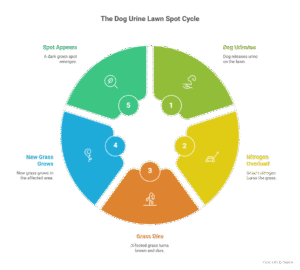
The primary culprit behind these lawn oddities is nitrogen. Dog urine contains a high concentration of nitrogen compounds, primarily urea, which is a byproduct of protein metabolism. When your dog urinates, this concentrated nitrogen is deposited onto the grass.
- Too Much of a Good Thing: Nitrogen is a vital nutrient for grass, promoting lush, green growth. In small, controlled amounts (like in fertilizers), it’s beneficial. However, the nitrogen in dog urine is highly concentrated.
- The “Burn” Effect: When an excessive amount of nitrogen hits a small area, it acts like an overdose of fertilizer, causing a chemical burn. This “burn” damages and often kills the grass directly in the center of the spot, leading to the familiar brown or dead patch.
- The Dark Green Ring: The grass *around* the immediate burn area, however, receives a diluted, optimal dose of nitrogen. This peripheral grass, benefiting from the nutrient boost, often grows faster and appears significantly darker and healthier than the surrounding lawn, creating the distinctive dark green ring or halo. This is why you primarily see dark green spots on lawn from dog urine before the center dies off.
pH and Salt Content: Other Contributing Factors
While nitrogen is the main player, other components of dog urine also contribute to lawn damage:
- Salts: Dog urine also contains various salts, which can draw moisture out of grass blades through osmosis, leading to dehydration and further burning, especially in the central area.
- pH Imbalance: The pH of dog urine can vary, but it often tends to be slightly acidic or alkaline. While grass can tolerate a range of pH levels, a sudden, localized shift in pH from concentrated urine can stress the grass and make it more susceptible to damage.
- Volume: The sheer volume of liquid deposited in one spot can also contribute to the problem, especially on compacted soil where drainage is poor.
Understanding these factors helps us devise more effective strategies to prevent and mitigate the damage caused by dark green spots on lawn from dog urine.
Prevention is Key: Stopping Dark Green Spots On Lawn From Dog Urine Before They Start
The best defense against unsightly dark green spots on lawn from dog urine is a good offense. Implementing preventative measures can significantly reduce the occurrence and severity of these spots.
Hydration Strategies for Your Dog
A well-hydrated dog produces more diluted urine, which means less concentrated nitrogen and salts. Encourage your dog to drink plenty of water throughout the day. Always ensure fresh water is available, both indoors and outdoors.
Designated Potty Areas
Training your dog to relieve themselves in a specific, less visible area of your yard can save your main lawn. Consider creating a “potty patch” using:
- Mulch or Gravel: These materials are impervious to urine and provide an easy-to-clean surface.
- Artificial Turf: A small section of pet-friendly artificial turf can be a great solution for a designated potty spot.
- Urine-Resistant Plants: Some plants are more tolerant of nitrogen, though this is less about prevention and more about choosing what to put in the designated area.
Consistent training and positive reinforcement are key to making this strategy successful.
Post-Pee Dilution Tactics
This is arguably one of the most effective immediate solutions. As soon as your dog finishes urinating, grab a watering can or hose and thoroughly drench the spot with water. This dilutes the nitrogen and salts, spreading them over a larger area and reducing their concentration to levels that won’t burn the grass. Aim to use at least three times the volume of water as the urine deposited.
Dietary Adjustments and Supplements (with Caution)
Some pet owners explore dietary changes or supplements to alter their dog’s urine composition. However, it’s crucial to approach this with extreme caution and always consult your veterinarian first.
- Commercial Supplements: Products marketed to “neutralize” dog urine often contain ingredients that aim to change urine pH or bind with nitrogen. Their efficacy is highly debated, and some can have unintended health consequences for your pet. Always discuss these with your vet.
- “Dog Rocks”: These are natural mineral products placed in your dog’s water bowl, claiming to filter out nitrates and other impurities. Anecdotal evidence varies widely, and scientific studies on their effectiveness are limited. Again, consult your vet before using.
- Dietary Protein: A diet very high in protein can lead to more nitrogen in urine. While you shouldn’t drastically change your dog’s diet without vet guidance, ensuring they’re on a balanced, appropriate diet for their age and activity level is always a good idea.
Lawn Care Practices for Resilience
A healthy, robust lawn is more resistant to damage from dog urine. Implement these general lawn care practices:
- Proper Watering: Deep and infrequent watering encourages strong root growth, making your grass more resilient.
- Appropriate Fertilization: Avoid over-fertilizing your lawn, especially with nitrogen-heavy products, as this can exacerbate the problem when combined with dog urine.
- Grass Type Selection: Some grass varieties are more tolerant of dog urine than others (more on this below).
- Mowing Height: Mowing at a higher setting (typically 2.5-3 inches) promotes deeper roots and provides more surface area for photosynthesis, leading to stronger grass.
Repairing the Damage: Fixing Existing Dark Green Spots On Lawn From Dog Urine
Even with the best preventative measures, you might still encounter dark green spots on lawn from dog urine. Don’t despair! Repairing these areas is entirely possible.
Assessing the Damage
First, determine the extent of the damage. Is the grass merely discolored (dark green) but still alive, or is it completely dead (brown and brittle)?
- Dark Green Only: If the spot is just dark green, the grass is likely over-fertilized but not dead. Immediate and thorough watering can help dilute the nitrogen.
- Brown/Dead Spot: If the center is brown, the grass roots have likely been burned. This area will need more intensive repair.
Dilution and Flushing
For fresh spots or those that are just beginning to turn dark green, immediately flush the area with several gallons of water. This can often prevent the grass from dying and help it recover from the nitrogen overload.
Soil Amendment and Repair
For dead spots, the soil beneath may be compacted or have an imbalanced pH due to the urine. You’ll need to prepare the area for new growth:
- Remove Dead Grass: Rake out all dead grass and debris from the affected area. You might need to gently loosen the topsoil with a hand trowel.
- Amend the Soil:
- Gypsum: Some gardeners recommend applying gypsum to help neutralize salts in the soil.
- Compost/Topsoil: Adding a thin layer of fresh compost or good quality topsoil can rejuvenate the soil, improve drainage, and provide essential nutrients for new grass.
Reseeding and Patching
This is the most common method for repairing dead patches caused by dark green spots on lawn from dog urine.
- Choose the Right Seed: Select a grass seed variety that matches your existing lawn or one that is known for its urine resistance (see below).
- Prepare the Area: After removing dead grass and amending the soil, lightly rake the surface to create a loose seedbed.
- Apply Seed: Spread the grass seed evenly over the prepared patch. Follow the package instructions for application rates.
- Cover and Water: Lightly cover the seeds with a thin layer of topsoil or peat moss to protect them from birds and help retain moisture. Gently water the area, keeping the soil consistently moist (but not waterlogged) until the new grass establishes. This usually means light watering several times a day.
- Protect the Area: Try to keep your dog off the newly seeded patch until the grass is well established (several weeks).
Sod Replacement (for Severe Damage)
If you have very large or numerous dead spots, or if you want a quicker fix, sod replacement might be a better option. Cut out the dead sod, prepare the soil beneath, and lay down new sod. Ensure the new sod matches your existing lawn and keep it well-watered until it roots.
Choosing the Right Grass: Lawn Varieties Resistant to Dog Urine
Selecting the right grass type can make a significant difference in how your lawn handles dark green spots on lawn from dog urine. While no grass is completely immune, some varieties are more tolerant.
Cool-Season Grasses (Northern Climates)
These grasses thrive in cooler temperatures and are common in the northern half of the USA.
- Fescue (Tall Fescue in particular): Often cited as one of the most urine-resistant cool-season grasses. It has deep roots, is drought-tolerant, and can withstand heavy traffic. Fine fescues (creeping red, chewing, hard) are also decent but generally less robust than tall fescue.
- Perennial Ryegrass: This grass germinates quickly, making it great for overseeding or patching. It has good tolerance to dog urine but might not be as resilient as tall fescue in the long run.
- Kentucky Bluegrass: While beautiful and popular, Kentucky Bluegrass is generally less tolerant of dog urine than fescues or ryegrass. It spreads aggressively, which can help it recover, but it’s more susceptible to initial burn.
Warm-Season Grasses (Southern Climates)
These grasses prefer warmer temperatures and are dominant in the southern USA.
- Bermudagrass: Known for its exceptional durability and ability to recover quickly from damage. It can tolerate dog urine better than some other warm-season grasses due to its aggressive spreading habit, but it will still show spots.
- Zoysiagrass: A dense, low-maintenance grass that can also tolerate some dog urine. Its thick growth habit can help it resist damage, but it’s slower to establish and recover than Bermudagrass.
- St. Augustinegrass: Generally less tolerant of dog urine and slower to recover.
If you’re starting a new lawn or overseeding, consider a blend that includes more tolerant varieties like Tall Fescue or Perennial Ryegrass for cool climates, or Bermuda for warm climates, if compatible with your existing lawn.
Common Misconceptions and What NOT to Do
When dealing with dark green spots on lawn from dog urine, it’s easy to fall for myths or remedies that can do more harm than good.
Don’t Over-Fertilize
Thinking “more fertilizer will fix it” is a common trap. Remember, the problem is *too much* nitrogen. Adding more fertilizer to a burned spot or an entire lawn already stressed by urine will only worsen the issue. Focus on balanced nutrients and dilution.
Avoid Harmful Chemicals
Be wary of products that claim to instantly “neutralize” urine on your lawn using harsh chemicals. These can further damage your grass, harm the soil microbiome, and potentially be toxic to your pets or local wildlife. Stick to natural methods like dilution and proper soil amendment.
Dietary Changes Without Vet Consultation
While diet plays a role, making significant changes to your dog’s food or adding supplements without consulting a veterinarian can lead to nutritional deficiencies or other health problems for your dog. Always prioritize your pet’s health over your lawn’s aesthetics.
Recommended Products
Lawn Repair Kit for Dog Urine
A convenient all-in-one solution typically including grass seed, fertilizer, and soil amendments specifically formulated to help repair dog urine spots.
Dog Rocks
Natural mineral products placed in your dog’s water bowl, anecdotally claimed to help filter impurities that cause lawn burn. Efficacy varies, consult your vet.
Pet-Safe Lawn Fertilizer
Choose a balanced, slow-release fertilizer designed for lawns with pets, to promote overall lawn health without excessive nitrogen that could worsen urine spots.
Watering Can or Hose Nozzle
An essential tool for immediate dilution of urine spots. A good quality watering can or a hose with a shower setting makes quick work of flushing.
Frequently Asked Questions About Dark Green Spots On Lawn From Dog Urine
Q1: Why are the spots dark green first, then brown?
The initial dark green spots on lawn from dog urine are caused by the grass receiving an overabundance of nitrogen, acting as a super-fertilizer. However, this high concentration quickly becomes toxic, leading to chemical burn and the eventual death of the grass, turning the center of the spot brown. The surrounding grass, receiving a diluted dose, continues to thrive and remains dark green.
Q2: Can supplements really prevent dog urine spots?
The effectiveness of supplements claiming to prevent dog urine spots is highly debated. Most lack rigorous scientific backing, and their mechanisms (often altering urine pH or binding nitrogen) may not always be healthy for your dog. It’s crucial to consult your veterinarian before giving your dog any supplements, as they could lead to unintended health issues.
Q3: How quickly do I need to water after my dog pees?
The sooner, the better! Ideally, you should water the spot immediately after your dog urinates. Diluting the urine within a few minutes vastly improves your chances of preventing the nitrogen burn and those unsightly dark green spots on lawn from dog urine from forming or worsening.
Q4: What are the best grass types for dogs?
No grass is completely “dog-proof,” but some are more tolerant. For cool-season climates, Tall Fescue and Perennial Ryegrass tend to be more resistant due to their deep roots and resilience. In warm-season climates, Bermudagrass and Zoysiagrass are often recommended because of their ability to recover quickly from damage. Choosing a robust, fast-growing grass can help mitigate the effects of dog urine.
Q5: Is female dog urine worse than male dog urine?
The chemical composition of male and female dog urine is essentially the same in terms of nitrogen and salts. The difference lies in *how* they urinate. Females tend to squat and deposit a larger volume of urine in a concentrated spot, leading to more severe localized damage. Males often lift a leg and spray, distributing smaller amounts over a wider area, which can cause less intense but more widespread marking.
Q6: How long does it take for a urine spot to recover?
If the grass is only discolored (dark green) and not dead, thorough watering can help it recover within a few weeks. If the grass is completely dead, it won’t recover on its own. Reseeding or patching will be necessary, and new growth can take anywhere from 2-4 weeks to sprout and several more weeks to fully establish, depending on the grass type, weather, and care.
Conclusion
Dealing with dark green spots on lawn from dog urine is a common challenge for pet owners, but it’s far from an insurmountable one. By understanding the science behind the problem – primarily the nitrogen burn effect – you’re better equipped to implement effective solutions.
Remember that prevention is your strongest ally: proper hydration for your dog, quick dilution of urine spots, and considering a designated potty area can make a world of difference. For existing damage, don’t despair; simple repair techniques like reseeding and soil amendment can bring your lawn back to life. Choosing more urine-tolerant grass varieties can also provide a long-term advantage.
A beautiful lawn and a happy, healthy dog can coexist! With a little knowledge, consistent effort, and the right strategies, you can minimize those unwelcome spots and maintain a lush, green yard that both you and your furry friend can enjoy. Embrace these tips, and say goodbye to the mystery of the dark green circles!