
Are you tired of looking in the mirror and seeing stubborn dark spots, hyperpigmentation, or uneven skin tone? You’re not alone. Many people struggle with these common skin concerns, which can be caused by a variety of factors, from sun exposure to acne scars. Fortunately, there’s a powerful ingredient that has emerged as a true hero in the quest for clear, radiant skin Vitamin C. Specifically, harnessing the potential of Vita C Dark Spot Care can be a game-changer for your complexion.
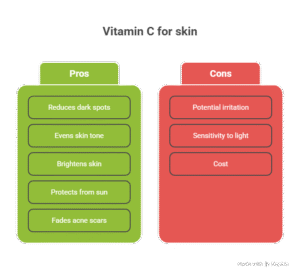
This comprehensive guide will dive deep into everything you need to know about using Vita C for dark spots. We’ll explore how this potent antioxidant works, the different forms available, how to effectively incorporate it into your daily routine, and what to look for in the best products. Get ready to uncover the secrets to a brighter, more even-toned complexion and reclaim your skin’s natural radiance with the magic of Vitamin C.
Understanding Dark Spots and Hyperpigmentation
Before we delve into the wonders of Vita C Dark Spot Care, it’s essential to understand what dark spots are and why they appear. Dark spots, medically known as hyperpigmentation, are areas of skin where excess melanin (the pigment that gives skin its color) has been produced and deposited. They can manifest in various forms, each with its unique triggers.
What Causes Dark Spots?
Several factors contribute to the formation of dark spots. Understanding these causes is the first step in effective treatment and prevention:
- Sun Exposure: This is by far the most common cause. UV radiation stimulates melanocytes (melanin-producing cells) to create more pigment, leading to sunspots or age spots, especially on areas frequently exposed like the face, hands, and décolletage.
- Post-Inflammatory Hyperpigmentation (PIH): This occurs after skin inflammation or injury, such as acne breakouts, cuts, burns, or even aggressive exfoliation. As the skin heals, it can leave behind a dark mark.
- Melasma: Often referred to as the “mask of pregnancy,” melasma is a type of hyperpigmentation characterized by larger, blotchy patches. It’s primarily triggered by hormonal changes (e.g., pregnancy, birth control pills) often exacerbated by sun exposure.
- Genetics: Some individuals are genetically predisposed to developing dark spots more easily than others.
The Science Behind Skin Discoloration
At its core, hyperpigmentation is a result of overactive melanin production. Melanin is a protective pigment, shielding skin cells from UV damage. However, when melanocytes go into overdrive, they produce an excess of melanin, which then clumps together, forming visible dark spots on the skin’s surface. This process is complex and involves various biochemical pathways, many of which can be influenced and regulated by targeted ingredients like Vitamin C.
The Power of Vita C Dark Spot Care
Now that we understand the enemy, let’s talk about the hero: Vitamin C. When it comes to dark spot correction and achieving a brighter complexion, few ingredients rival the efficacy and versatility of this potent antioxidant.
How Vitamin C Works Its Magic
Vitamin C (L-ascorbic acid and its derivatives) is celebrated for its multifaceted benefits, making it an indispensable component of any effective Vita C Dark Spot Care regimen. Its primary mechanisms of action include:
- Potent Antioxidant Protection: Vitamin C is a powerful antioxidant that neutralizes free radicals caused by UV exposure and environmental pollution. Free radicals damage skin cells and trigger inflammation, which can lead to increased melanin production. By combating these aggressors, Vita C helps prevent new dark spots from forming.
- Inhibits Melanin Production (Tyrosinase Inhibitor): This is crucial for fading existing dark spots. Vitamin C interferes with the enzyme tyrosinase, which is essential for melanin synthesis. By slowing down tyrosinase activity, Vita C reduces the amount of pigment produced, leading to a gradual fading of hyperpigmentation and a more even skin tone.
- Promotes Collagen Production: While not directly related to dark spots, Vitamin C is vital for collagen synthesis. Collagen is the protein responsible for skin’s firmness and elasticity. By boosting collagen, Vita C helps improve skin texture, reduce fine lines, and create a healthier, more resilient skin barrier, which can also indirectly improve the appearance of skin.
- Brightens Overall Complexion: Beyond targeting specific spots, Vitamin C has a general brightening effect on the skin, giving it a more luminous and radiant appearance.
Key Benefits Beyond Dark Spot Reduction
The advantages of incorporating Vitamin C into your routine extend beyond just fading dark spots:
- Anti-Aging Properties: Fights signs of aging by reducing oxidative stress and promoting collagen.
- Enhanced Sun Protection: While not a substitute for sunscreen, Vitamin C enhances the effectiveness of SPF by providing an additional layer of antioxidant defense against UV damage.
- Improved Skin Texture: Regular use can lead to smoother, softer skin.
- Reduced Redness: Its anti-inflammatory properties can help calm redness and improve overall skin clarity.
Different Forms of Vitamin C for Skincare
Not all Vitamin C is created equal. Understanding the different forms is key to choosing the best Vita C Dark Spot Care product for your needs:
- L-Ascorbic Acid (L-AA): This is the most potent and well-researched form of Vitamin C. It delivers the most dramatic results but is also highly unstable and can be irritating for sensitive skin. Look for formulations with a pH below 3.5 and opaque, air-tight packaging.
- Sodium Ascorbyl Phosphate (SAP): A stable, water-soluble derivative. It’s less potent than L-AA but gentler, making it suitable for sensitive or acne-prone skin. It also has antibacterial properties.
- Magnesium Ascorbyl Phosphate (MAP): Another stable, water-soluble derivative. It’s known for its hydrating properties and is also gentler than L-AA.
- Ascorbyl Glucoside: A stable, water-soluble form that converts to L-ascorbic acid in the skin. It offers good brightening benefits with less irritation.
- Tetrahexyldecyl Ascorbate (THD Ascorbate): A stable, oil-soluble form that can penetrate deeper into the skin due to its lipid solubility. It’s highly effective, very gentle, and often found in higher-end formulations.
For severe dark spots, L-Ascorbic Acid is often recommended, but for those with sensitive skin or who prefer a gentler approach, derivatives like THD Ascorbate or SAP can still deliver excellent results over time.
Integrating Vita C into Your Skincare Routine
To maximize the benefits of Vita C Dark Spot Care, proper application and product selection are crucial. Consistency is key!
Choosing the Right Vita C Product
When selecting a Vitamin C serum for dark spots or any Vita C product, consider these factors:
- Concentration: For L-Ascorbic Acid, concentrations between 10% and 20% are generally effective. Higher percentages aren’t necessarily better and can cause irritation. For derivatives, effective concentrations vary.
- Formulation: Look for serums, as they typically have higher concentrations of active ingredients and better penetration. Creams can also be effective.
- Packaging: Vitamin C is sensitive to light and air. Opt for opaque, air-tight bottles, ideally with a pump or dropper, to maintain stability and efficacy. Avoid clear jars.
- Ingredients: Vitamin C works synergistically with other antioxidants like Vitamin E and Ferulic Acid, which can enhance its stability and effectiveness.
Step-by-Step Application Guide
A typical skincare routine incorporating Vita C Dark Spot Care would look like this:
- Cleanse: Start with a gentle cleanser to remove impurities.
- Tone (Optional): If you use a toner, apply it now.
- Vita C Serum: Apply a few drops of your Vitamin C serum to your face and neck, gently patting it in. Do this on dry skin.
- Other Serums/Treatments: If you use other serums (e.g., hyaluronic acid, niacinamide), apply them after Vitamin C.
- Moisturize: Follow with a hydrating moisturizer to lock in moisture and support your skin barrier.
- Sunscreen (Morning Only): This step is non-negotiable! Apply a broad-spectrum sunscreen with at least SPF 30 every morning, even on cloudy days. Sunscreen prevents new dark spots and ensures your Vita C efforts aren’t undone.
Vitamin C can be used both morning and night, but many prefer morning application to leverage its antioxidant protection against daytime environmental aggressors.
Tips for Optimal Results and Safety
- Patch Test: Always perform a patch test on a small, inconspicuous area of skin before applying a new product to your entire face, especially if you have sensitive skin.
- Start Slow: If you’re new to Vitamin C, begin by using it every other day and gradually increase frequency as your skin tolerates it.
- Consistency is Key: Results won’t happen overnight. Consistent daily (or almost daily) use over several weeks or months is necessary to see significant improvement in dark spots.
- Store Properly: Keep your Vitamin C product in a cool, dark place, away from direct sunlight and heat, to prolong its shelf life.
- Layering: Generally, apply products from thinnest to thickest consistency. Vitamin C serum usually goes on after cleansing/toning and before moisturizer.
Potential Challenges and Considerations
While Vita C Dark Spot Care is highly effective, there are a few considerations to keep in mind to ensure a positive experience.
Stability and Efficacy
The biggest challenge with L-Ascorbic Acid, the purest form of Vitamin C, is its inherent instability. It can oxidize quickly when exposed to air, light, and heat, turning yellow or brown. Once oxidized, it loses its efficacy and can even generate free radicals, potentially harming the skin. This is why proper packaging and storage are critical. If your serum changes color significantly, it’s time to replace it. Derivatives are generally more stable and have a longer shelf life.
Sensitivity and Irritation
High concentrations of L-Ascorbic Acid can cause tingling, redness, or mild irritation, especially for those with sensitive skin. If you experience this, try:
- Using a lower concentration (e.g., 10-15%).
- Switching to a gentler derivative (e.g., SAP, THD Ascorbate).
- Applying it every other day until your skin adjusts.
- Mixing a drop or two into your moisturizer before applying.
Always listen to your skin and discontinue use if irritation persists.
Recommended Products
TruSkin Vitamin C Serum for Face
A popular choice for brightening and anti-aging, formulated with Vitamin C, Hyaluronic Acid, Vitamin E, and Witch Hazel. Known for its affordable price point and effectiveness in targeting dark spots and uneven tone.
Mad Hippie Vitamin C Serum
This serum uses Sodium Ascorbyl Phosphate, a stable and gentle form of Vitamin C, making it suitable for sensitive skin. It also includes Vitamin E and Ferulic Acid for enhanced antioxidant protection and brightening.
CeraVe Skin Renewing Vitamin C Serum
Formulated with 10% pure Vitamin C (L-Ascorbic Acid), hyaluronic acid, and ceramides, this serum is designed to visibly brighten and help restore the protective skin barrier. It’s fragrance-free and non-comedogenic.
RoC Multi Correxion Revive + Glow Vitamin C Serum
This daily serum features a potent blend of Vitamin C, energizing non-apeptides, and advanced hydrators to visibly brighten and firm skin, reduce dullness, and minimize dark spots for an all-over glow.
Frequently Asked Questions About Vita C Dark Spot Care
Q1: How long does it take for Vita C to fade dark spots?
Patience is key with Vita C Dark Spot Care. While some individuals may notice a subtle brightening effect within a few weeks, significant fading of dark spots typically takes 8-12 weeks of consistent daily use. Deeper or older spots may require even more time. Results also depend on the concentration and form of Vitamin C used, as well as the severity and type of hyperpigmentation. Always remember to use sunscreen daily to prevent new spots from forming and to protect your progress.
Q2: Can I use Vita C every day?
Yes, most people can and should use Vitamin C daily for optimal results. It’s generally recommended for morning application to leverage its antioxidant benefits against environmental aggressors throughout the day. If you have sensitive skin, start by applying it every other day and gradually increase frequency as your skin builds tolerance. Listen to your skin; if irritation occurs, reduce frequency or switch to a gentler formulation.
Q3: What concentration of Vita C is best for dark spots?
For L-Ascorbic Acid (the pure form), concentrations between 10% and 20% are generally considered most effective for targeting dark spots and offering antioxidant protection. Concentrations below 10% may offer less dramatic results, while those above 20% can increase the risk of irritation without significantly boosting efficacy. For Vitamin C derivatives, effective concentrations can vary, but generally, they are used at lower percentages or in formulations optimized for their specific stability and conversion rates.
Q4: Can sensitive skin use Vita C for dark spots?
Absolutely! People with sensitive skin can definitely use Vita C Dark Spot Care, but they should choose their products carefully. Instead of high concentrations of L-Ascorbic Acid, opt for products containing gentler, more stable derivatives like Sodium Ascorbyl Phosphate (SAP) or Tetrahexyldecyl Ascorbate (THD Ascorbate). Always start with a patch test and introduce the product slowly, perhaps every other day, to allow your skin to adjust. Look for formulations that are fragrance-free and designed for sensitive skin.
Q5: Is Vita C safe to use during pregnancy?
Generally, topical Vitamin C is considered safe for use during pregnancy and breastfeeding. It’s a natural antioxidant and a vital nutrient for skin health. In fact, it can be beneficial for pregnancy-induced melasma. However, it’s always best practice to consult with your dermatologist or healthcare provider before introducing any new skincare product, especially during pregnancy, to ensure it aligns with your specific health needs and circumstances.
Q6: What’s the difference between Vitamin C serum and a dark spot corrector?
A Vitamin C serum is typically a concentrated liquid formula where Vitamin C is the star ingredient, often designed to provide overall brightening, antioxidant protection, and anti-aging benefits. Many Vitamin C serums also excel at fading dark spots. A dark spot corrector, on the other hand, is a product specifically formulated to target hyperpigmentation. While many dark spot correctors contain Vitamin C, they might also include other potent ingredients like niacinamide, alpha arbutin, kojic acid, or retinoids to provide a multi-pronged approach to fading spots. Ultimately, a good Vitamin C serum often doubles as an excellent dark spot corrector.
Conclusion: Embrace the Radiance of Vita C
Navigating the world of skincare can be overwhelming, but when it comes to tackling dark spots and achieving a luminous complexion, Vita C Dark Spot Care stands out as a truly effective and scientifically backed solution. From its powerful antioxidant properties to its ability to inhibit melanin production and boost collagen, Vitamin C offers a comprehensive approach to skin brightening and evening out tone.
Remember that consistency, patience, and the right product choice are your best allies on this journey. By understanding the different forms of Vitamin C, how to properly integrate it into your routine, and always pairing it with diligent sunscreen use, you’re well on your way to unlocking a visibly brighter, more even, and healthier-looking complexion. Embrace the radiance that Vita C Dark Spot Care can bring to your skin, and enjoy the confidence that comes with a beautifully uniform glow.