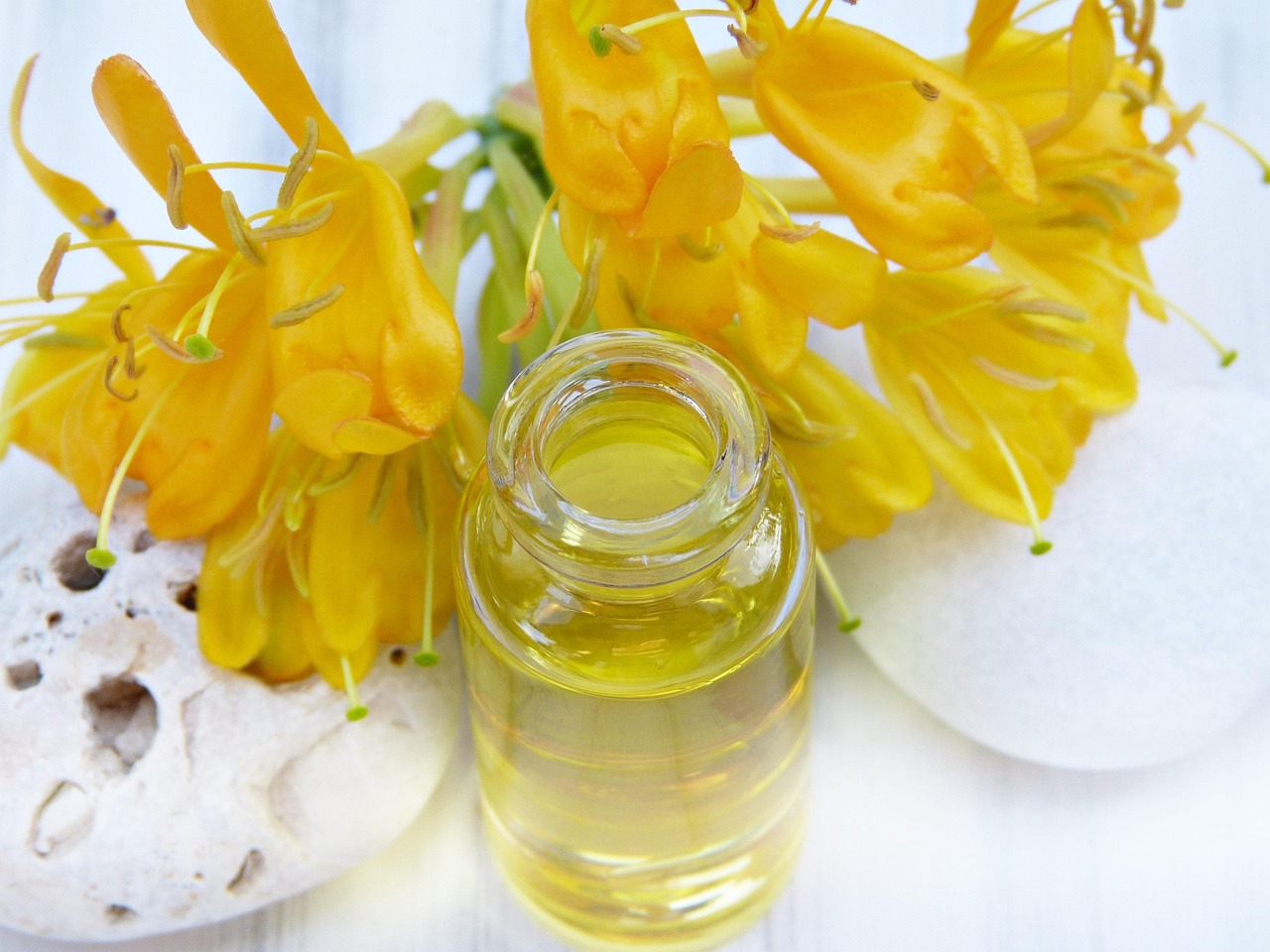
Often hailed as “nature’s liquid gold,” jojoba oil is far more than just a moisturizer. Its unique composition and remarkable properties make it a standout ingredient for promoting overall skin health and, specifically, addressing uneven skin tone. In this comprehensive guide, we’ll delve into the science behind dark spots, explore how jojoba oil works its magic, discuss its benefits and limitations, and provide practical advice on incorporating it into your daily skincare regimen. Get ready to discover how this versatile oil can help you achieve a clearer, more radiant complexion.
Understanding Dark Spots and Hyperpigmentation
Before we explore the role of jojoba oil for dark spots, it’s essential to understand what dark spots are and why they appear. Dark spots, medically known as hyperpigmentation, occur when your skin produces an excess of melanin – the pigment that gives skin its color – in certain areas.
What Causes Dark Spots?
- Sun Exposure: This is the most common culprit. UV radiation triggers melanin production as a protective mechanism, leading to sunspots or age spots.
- Post-Inflammatory Hyperpigmentation (PIH): This type of dark spot appears after skin inflammation or injury, such as acne, eczema, or even aggressive exfoliation. The skin’s healing process can sometimes overproduce melanin.
- Hormonal Changes: Conditions like melasma, often triggered by pregnancy or birth control pills, result in patchy areas of hyperpigmentation, particularly on the face.
- Genetics: Some individuals are simply more prone to developing dark spots due to their genetic predisposition.
Treating hyperpigmentation can be a journey requiring patience and a consistent approach. Many conventional treatments can be harsh or cause irritation, leading to a desire for more natural and gentle alternatives like jojoba oil for dark spots.
What is Jojoba Oil? Nature’s Liquid Gold for Your Skin
Jojoba oil (pronounced ho-HO-ba) is derived from the seeds of the Simmondsia chinensis (jojoba) plant, a shrub native to the deserts of North America. What makes it truly unique in the world of skincare is that it’s not actually an oil in the traditional sense, but rather a liquid wax ester.
More Than Just an Oil: A Unique Wax Ester
This distinction is crucial. Jojoba oil’s molecular structure is remarkably similar to sebum, the natural oil produced by our own skin. This biomimicry allows it to be easily absorbed and recognized by the skin, making it an excellent choice for balancing oil production, even for those with oily or acne-prone skin. Because it’s a wax, it’s also incredibly stable and has a long shelf life compared to many other plant oils.
Nutrient Profile: Why Jojoba Oil Shines
Beyond its unique structure, jojoba oil is packed with beneficial compounds that contribute to its skin-healing properties:
- Vitamins E and B Complex: Potent antioxidants that protect the skin from environmental damage and support cellular regeneration.
- Minerals: Contains essential minerals like zinc, copper, and chromium, which play roles in skin health and repair.
- Fatty Acids: While not a triglyceride oil, it contains a unique blend of fatty acids that contribute to its moisturizing and nourishing capabilities.
These components collectively make jojoba oil a powerhouse for promoting a healthy, balanced complexion, setting the stage for its potential benefits when addressing dark spots and hyperpigmentation.
The Science Behind Jojoba Oil For Dark Spots: How It Works
While jojoba oil isn’t a direct “lightening” agent like hydroquinone or strong acids, its multifaceted benefits contribute significantly to improving skin tone and reducing the appearance of dark spots, particularly those caused by inflammation or environmental stress. Here’s how jojoba oil for dark spots helps your skin:
Anti-inflammatory Action: Preventing New Spots
One of the most significant ways jojoba oil supports an even skin tone is through its potent anti-inflammatory properties. Post-inflammatory hyperpigmentation (PIH) is a common type of dark spot that arises after skin irritation, acne, or injury. By calming inflammation, jojoba oil can help:
- Reduce redness and swelling: Minimizing the initial inflammatory response that often triggers excess melanin production.
- Accelerate healing: Promoting a healthier healing environment for blemishes and wounds, which can prevent dark spots from forming in the first place.
By addressing the root cause of many dark spots, jojoba oil acts as a preventative measure, making it an invaluable addition to any routine focused on maintaining a clear complexion.
Antioxidant Power: Fighting Free Radicals
Jojoba oil is rich in antioxidants, especially Vitamin E. Antioxidants are crucial for protecting the skin from damage caused by free radicals, which are unstable molecules generated by environmental aggressors like UV radiation and pollution. This damage can lead to premature aging and, critically, trigger melanin overproduction, resulting in dark spots.
By neutralizing free radicals, jojoba oil for dark spots helps to:
- Protect skin cells: Shielding them from oxidative stress that can lead to hyperpigmentation.
- Support skin repair: Assisting the skin’s natural repair processes, which can help fade existing damage over time.
Skin Barrier Support and Cell Regeneration
A healthy skin barrier is fundamental for clear, even-toned skin. Jojoba oil strengthens the skin’s natural lipid barrier, preventing moisture loss and protecting against external irritants. When your skin barrier is compromised, it can lead to inflammation and a slower recovery from damage, exacerbating dark spots.
Furthermore, by maintaining optimal hydration and a healthy skin environment, jojoba oil supports natural skin cell turnover. While not a direct exfoliant, promoting healthy cell regeneration can help shed old, pigmented skin cells more efficiently, gradually revealing fresher, less pigmented skin underneath.
Moisturization and Overall Skin Health
Proper hydration is vital for skin health. Dry, dehydrated skin can look dull and make dark spots appear more pronounced. Jojoba oil provides excellent, non-comedogenic hydration, helping your skin maintain its plumpness and natural radiance. A well-hydrated, healthy skin surface reflects light more evenly, which can visually diminish the appearance of dark spots and contribute to an overall brighter complexion.
Pros and Cons of Using Jojoba Oil For Dark Spots
Like any skincare ingredient, jojoba oil has its strengths and limitations when it comes to addressing hyperpigmentation. Understanding these will help you set realistic expectations.
The Benefits: Why Choose Jojoba Oil?
- Gentle and Non-Irritating: Unlike many active ingredients used for dark spots (e.g., strong acids, retinoids), jojoba oil is exceptionally gentle and suitable for sensitive skin. This reduces the risk of further inflammation that could worsen PIH.
- Non-Comedogenic: Its similarity to natural sebum means it’s unlikely to clog pores, making it safe for acne-prone skin that often deals with dark spots.
- Balancing Properties: It can help regulate sebum production, which can prevent future breakouts and subsequent dark spots.
- Rich in Nutrients: Packed with vitamins and minerals that nourish the skin and promote overall health, contributing to a brighter complexion over time.
- Versatile: Can be used as a standalone oil, mixed with moisturizers, or as part of a DIY serum.
- Safe for Long-Term Use: Given its natural and gentle profile, it can be safely incorporated into a daily routine for extended periods.
Considerations: Managing Expectations
- Not a Quick Fix: Jojoba oil for dark spots is a marathon, not a sprint. Significant fading of deep-seated dark spots will take time and consistent use.
- Indirect Action: It works more by preventing new spots, supporting skin healing, and improving overall skin health rather than directly breaking down existing melanin like some potent active ingredients.
- May Not Be Sufficient for Severe Hyperpigmentation: For very stubborn or deep dark spots (e.g., severe melasma or very old sunspots), jojoba oil might need to be paired with more targeted treatments or professional procedures.
- Individual Results Vary: As with any natural remedy, efficacy can differ from person to person depending on skin type, the cause of the dark spots, and consistency of use.
How to Incorporate Jojoba Oil Into Your Skincare Routine
Ready to try jojoba oil for dark spots? Here’s how to effectively integrate it into your daily regimen.
Patch Test First!
Even though jojoba oil is generally well-tolerated, it’s always wise to perform a patch test. Apply a small amount to an inconspicuous area of your skin (e.g., behind the ear or on your inner forearm) and wait 24-48 hours to check for any irritation or allergic reaction.
Application Methods: Pure Jojoba Oil
- As a Facial Oil/Serum: After cleansing and toning, apply 2-3 drops of pure, cold-pressed organic jojoba oil to your face. Gently massage it into your skin, focusing on areas with dark spots. Follow with your regular moisturizer. This can be done once or twice daily.
- Mixed with Your Moisturizer: Add a few drops of jojoba oil to your favorite moisturizer in your palm before applying it to your face. This boosts hydration and delivers the oil’s benefits without an extra step.
- Spot Treatment: For specific dark spots, you can apply a drop of jojoba oil directly to the area, gently patting it in.
- As a Cleansing Oil: While not directly targeting dark spots, oil cleansing with jojoba oil can help remove impurities and makeup without stripping the skin, maintaining a healthy barrier that prevents inflammation.
Combining Jojoba Oil with Other Actives
For enhanced results, jojoba oil for dark spots can be effectively combined with other skin-brightening ingredients. It acts as a superb carrier oil and a buffer against potential irritation from stronger actives:
- Vitamin C: Apply a Vitamin C serum first, then follow with jojoba oil. Vitamin C is a powerful antioxidant and melanin inhibitor, and jojoba oil can help soothe and hydrate.
- Niacinamide (Vitamin B3): These two make an excellent pair. Niacinamide helps reduce inflammation and transfer of pigment, while jojoba oil provides hydration and barrier support. Apply niacinamide serum, then jojoba oil.
- AHAs/BHAs: If you use chemical exfoliants, apply them as directed, then follow with jojoba oil to replenish moisture and soothe the skin, especially important as exfoliants can sometimes cause irritation that leads to PIH.
- Retinoids: Jojoba oil can be used to “buffer” retinoids. Mix a few drops of jojoba oil with your retinoid cream, or apply jojoba oil after your retinoid to reduce dryness and irritation.
Always remember to introduce new products gradually and observe your skin’s reaction.
Consistency is Key
For any significant improvement in dark spots, consistent daily use is paramount. Natural remedies take time, so be patient and diligent with your application.
Real-World Expectations and Tips for Success
Embarking on a journey to reduce dark spots with natural ingredients requires a balanced perspective. While jojoba oil for dark spots offers promising benefits, understanding what to realistically expect and how to maximize its effectiveness is crucial.
Patience and Persistence
Dark spots, especially those that have been present for a long time, do not disappear overnight. Jojoba oil works by supporting your skin’s natural healing and renewal processes, which takes time. Expect to see subtle improvements over several weeks to months of consistent use. Think of it as nurturing your skin back to balance, rather than bleaching it.
Sun Protection is Non-Negotiable
Regardless of what treatments you are using for dark spots, daily sun protection is the single most important step. Without it, new dark spots will form, and existing ones will deepen. Always apply a broad-spectrum sunscreen with an SPF of 30 or higher every morning, even on cloudy days, and reapply as needed. Jojoba oil can offer some antioxidant protection, but it is not a sunscreen substitute.
Listen to Your Skin
Everyone’s skin is unique. Pay attention to how your skin responds to jojoba oil and any other products you’re using. If you experience any irritation, reduce frequency or discontinue use. Adjust your routine based on your skin’s needs, and remember that a gentle, supportive approach is often best for sensitive or hyperpigmented skin.
Recommended Products
Cliganic Organic Jojoba Oil
A popular choice for pure, cold-pressed, unrefined organic jojoba oil, known for its quality and versatility for skin and hair.
Leven Rose Jojoba Oil
100% pure, unrefined, and cold-pressed, this jojoba oil is a top-rated option for sensitive and blemish-prone skin, ideal for targeting dark spots.
Kate Blanc Cosmetics Jojoba Oil
USDA certified organic and cold-pressed, this therapeutic-grade jojoba oil is excellent for moisturizing, soothing, and helping improve skin tone.
Frequently Asked Questions About Jojoba Oil For Dark Spots
How long does it take to see results using Jojoba Oil for dark spots?
Results can vary significantly depending on the severity and cause of your dark spots, as well as individual skin type and consistency of use. Generally, with consistent daily application, you might start noticing subtle improvements in overall skin tone and a slight fading of dark spots within 4-8 weeks. More significant changes could take several months. Remember, jojoba oil works gently by supporting skin health rather than rapidly bleaching the skin.
Can Jojoba Oil make dark spots worse?
It’s highly unlikely that jojoba oil for dark spots would make them worse. Jojoba oil is non-comedogenic, anti-inflammatory, and mimics the skin’s natural sebum, making it very well-tolerated by most skin types. If you experience any irritation or worsening of dark spots, it’s more likely due to another product in your routine, improper sun protection, or a rare allergic reaction. Always perform a patch test first.
Is Jojoba Oil suitable for all skin types, especially acne-prone skin with dark spots?
Yes, jojoba oil is remarkably suitable for almost all skin types, including oily and acne-prone skin. Its non-comedogenic nature means it won’t clog pores, and its ability to mimic sebum can help balance oil production. For acne-prone skin that often experiences post-inflammatory hyperpigmentation (PIH), jojoba oil’s anti-inflammatory properties can be particularly beneficial in preventing new dark spots from forming after breakouts.
Should I use pure Jojoba Oil or a product containing it?
For targeting dark spots, using 100% pure, cold-pressed, unrefined organic jojoba oil is generally recommended. This ensures you’re getting the full spectrum of its beneficial compounds without diluents or other ingredients that might irritate your skin or reduce its efficacy. While products containing jojoba oil can be good, pure oil gives you control over the concentration and application.
Can Jojoba Oil be used with other dark spot treatments like Vitamin C or Retinol?
Absolutely! Jojoba oil complements other dark spot treatments beautifully. It can be used as a hydrating layer before or after applying active ingredients like Vitamin C serums, niacinamide, or retinoids. Its soothing properties can help mitigate potential dryness or irritation caused by stronger actives, making them more tolerable and effective. Just remember to apply thinner serums first, followed by oils and then moisturizers.
Does Jojoba Oil protect against sun damage that causes dark spots?
Jojoba oil contains antioxidants like Vitamin E, which can help protect the skin from free radical damage caused by UV exposure. However, it is not a sunscreen and does not offer adequate sun protection on its own. While it supports skin health against oxidative stress, it is crucial to always use a broad-spectrum sunscreen with an SPF of 30 or higher daily to prevent new dark spots and protect existing ones from worsening.
Conclusion
Navigating the world of skincare to address dark spots can be overwhelming, but nature often provides gentle yet powerful solutions. Jojoba oil for dark spots stands out as a remarkable natural ingredient, offering a holistic approach to achieving a more even and radiant complexion. While it’s not a magic bullet for instant results, its unique composition, anti-inflammatory, and antioxidant properties make it an invaluable ally in your quest for clearer skin.
By mimicking your skin’s natural sebum, jojoba oil helps balance oil production, soothe inflammation, and strengthen the skin barrier – all crucial steps in preventing new dark spots and supporting the fading of existing ones. Remember that consistency, patience, and diligent sun protection are key to unlocking the full potential of this “liquid gold.” Incorporate pure, organic jojoba oil into your daily routine, listen to your skin, and embrace the journey towards a healthier, brighter you. Your skin will thank you for this gentle, nourishing touch.