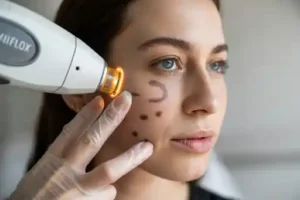
Are you bothered by persistent dark spots, sun damage, or uneven skin tone on your face? You’re not alone. Hyperpigmentation, whether from sun exposure, acne scars, or hormonal changes, is a common concern that can significantly impact one’s confidence. While various creams and serums promise solutions, many individuals seek more definitive and effective treatments. This is where advanced aesthetic procedures, particularly removing dark spots from face with laser technology, come into play.
Laser treatments offer a precise and powerful way to target and diminish unwanted pigmentation, revealing a brighter, more uniform complexion. But what exactly does this process entail? What types of lasers are used, what are the benefits, and what should you expect during and after treatment? In this comprehensive guide, we’ll delve deep into everything you need to know about laser dark spot removal, helping you make an informed decision on your journey to clearer, more radiant skin.
Understanding Dark Spots and Hyperpigmentation
Before exploring laser solutions, it’s crucial to understand what dark spots are and why they appear. Dark spots, medically known as hyperpigmentation, occur when certain areas of the skin produce excess melanin, the pigment responsible for skin color. This overproduction leads to patches of skin that are darker than the surrounding areas.
What Causes Dark Spots?
- Sun Exposure: The most common culprit. UV radiation triggers melanin production as a protective response, leading to sun spots, age spots, or liver spots.
- Post-Inflammatory Hyperpigmentation (PIH): Dark spots that appear after skin inflammation or injury, such as acne, eczema, cuts, or burns.
- Melasma: A common skin problem characterized by brown or gray-brown patches, usually on the face. It’s often triggered by hormonal changes (pregnancy, birth control) combined with sun exposure.
- Hormonal Changes: Fluctuations in hormones can stimulate melanin production, particularly in conditions like melasma.
- Medications: Certain medications can cause hyperpigmentation as a side effect.
Types of Dark Spots
While often grouped, different types of dark spots respond differently to treatments. Understanding your specific type is key to effective laser treatment for dark spots.
- Sun Spots (Lentigines): Small, flat, darkened patches caused by chronic sun exposure. They are typically well-defined.
- Melasma: Larger, irregular patches, often symmetrical on the cheeks, forehead, upper lip, and chin.
- Post-Inflammatory Hyperpigmentation (PIH): Varies in color from pink to red, brown, or black, depending on skin tone, and is shaped like the original injury or inflammation.
- Freckles: Small, flat, light brown spots that often appear in childhood and multiply with sun exposure.
How Laser Treatment Works for Dark Spots
Removing dark spots from face with laser technology is a highly effective method because it directly targets the melanin in the skin. Lasers use concentrated beams of light at specific wavelengths to achieve this.
The Science Behind Laser Technology
When the laser light hits the skin, the melanin in the dark spot absorbs this energy. This absorption causes the melanin to heat up and shatter into tiny fragments. These microscopic fragments are then naturally cleared away by the body’s immune system over the following days and weeks. The surrounding healthy skin, which contains less melanin, is largely unaffected, leading to precise and targeted treatment.
Common Laser Types for Pigmentation
Several types of lasers and light-based devices are used for facial dark spot laser removal, each with unique characteristics and suitability for different skin types and pigmentation issues:
- Q-Switched Lasers (e.g., Nd:YAG, Ruby, Alexandrite): These lasers deliver very short, high-energy pulses of light. They are excellent for breaking down individual dark spots, sun spots, and tattoos without damaging the surrounding skin. They are highly effective for various types of hyperpigmentation.
- Picosecond Lasers: An advancement over Q-switched lasers, picosecond lasers deliver even shorter pulses (in picoseconds, trillionths of a second). This ultra-fast delivery shatters melanin into even smaller particles, often leading to faster clearance and fewer treatment sessions, with less heat generation, making them safer for a wider range of skin tones.
- Fractional Lasers (e.g., Fractional CO2, Erbium): These lasers create microscopic treatment zones in the skin, stimulating collagen production and cell turnover. While primarily used for texture improvement and wrinkles, they can also significantly improve pigmentation by promoting the shedding of pigmented cells and revealing new, unblemished skin.
- Intense Pulsed Light (IPL): While technically not a laser (it uses broad-spectrum light rather than a single wavelength), IPL is often grouped with laser treatments for pigmentation. It emits multiple wavelengths of light that are absorbed by melanin and hemoglobin (red blood cells). IPL is very effective for sun spots, freckles, and general redness, but it may not be suitable for all skin tones due to its broader light spectrum.
The Benefits of Removing Dark Spots From Face With Laser
Choosing laser treatment for your dark spots comes with a host of compelling advantages:
- Precision Targeting: Lasers can specifically target the melanin in dark spots, leaving surrounding healthy skin untouched.
- Effective Results: Many patients experience significant reduction or complete clearance of dark spots, leading to a much clearer complexion.
- Improved Skin Texture: Beyond just pigment removal, some lasers (especially fractional ones) can also improve overall skin texture, reduce pore size, and stimulate collagen production.
- Relatively Quick Procedure: Most laser sessions are relatively short, often lasting from 15 to 30 minutes, depending on the area being treated.
- Long-Lasting Results: With proper sun protection and skincare, the results of laser hyperpigmentation treatment can be very durable.
- Minimally Invasive: Unlike surgical procedures, laser treatment is non-surgical and involves minimal downtime for many patients.
What to Expect: The Laser Treatment Process
Understanding the treatment journey can help alleviate any anxieties and set realistic expectations.
1. Consultation and Preparation
Your journey begins with a thorough consultation with a qualified dermatologist or aesthetic practitioner. During this session:
- Your skin type, medical history, and specific pigmentation concerns will be assessed.
- The practitioner will determine the most appropriate laser or light device for your condition.
- A patch test may be performed on a small, inconspicuous area of your skin to gauge its reaction to the laser.
- You’ll receive instructions on how to prepare for your treatment, which often includes avoiding sun exposure, self-tanners, and certain skincare products (like retinoids) for a few weeks prior.
2. During the Procedure
On the day of your appointment:
- Your skin will be thoroughly cleansed.
- A topical numbing cream may be applied to enhance comfort, though many patients find the sensation tolerable without it.
- You’ll wear protective eyewear to shield your eyes from the laser light.
- The practitioner will move the laser handpiece over the targeted areas. You might feel a sensation often described as a rubber band snapping against the skin, or a warm, tingling feeling.
- The duration of the treatment depends on the size and number of areas being treated, typically ranging from 15 to 45 minutes.
3. Post-Treatment Care and Recovery
Immediately after your laser pigment removal session, you can expect some temporary side effects:
- Redness and Swelling: The treated area will likely be red and slightly swollen, similar to a sunburn. This usually subsides within a few hours to a few days.
- Darkening of Spots: The treated dark spots will often appear darker, almost like coffee grounds, within 24-48 hours. This is a positive sign, indicating the melanin has absorbed the laser energy.
- Crusting/Flaking: Over the next 5-10 days, these darkened spots will form tiny scabs or crusts and then flake off, revealing clearer skin underneath. Do NOT pick or scratch these scabs.
- Sun Protection: This is paramount! Your skin will be highly sensitive to the sun. Use a broad-spectrum sunscreen with SPF 30+ daily and reapply frequently. Wear hats and seek shade.
- Moisturization: Keep the treated area moisturized with a gentle, fragrance-free moisturizer to aid healing.
- Avoid Harsh Products: Steer clear of exfoliants, retinoids, and harsh cleansers until your skin has fully healed.
The number of sessions required varies depending on the type and depth of your dark spots, the laser used, and your individual response. Most patients require 2-5 sessions, spaced several weeks apart, for optimal results.
Potential Risks and Considerations
While removing dark spots from face with laser is generally safe, it’s important to be aware of potential risks:
- Temporary Side Effects: Redness, swelling, itching, and mild discomfort are common and usually resolve quickly.
- Blistering or Scabbing: In some cases, blisters or scabs may form, which should be allowed to heal naturally.
- Changes in Pigmentation: Although rare, there’s a risk of temporary or permanent hypopigmentation (lightening of the skin) or hyperpigmentation (darkening of the skin), especially in individuals with darker skin tones or if improper settings are used.
- Infection: A rare risk if proper post-care isn’t followed or if blisters are picked.
- Scarring: Extremely rare with modern lasers when performed by a skilled practitioner.
The best way to minimize risks is to choose a board-certified dermatologist or plastic surgeon with extensive experience in laser treatments and to diligently follow all pre- and post-care instructions.
Who is a Good Candidate for Laser Dark Spot Removal?
Ideal candidates for laser sun spot removal or other dark spot treatments typically:
- Have specific dark spots (sun spots, freckles, some types of melasma, PIH) that they wish to improve.
- Have realistic expectations about the outcomes.
- Are generally in good health and do not have active skin infections in the treatment area.
- Are committed to strict sun protection before and after treatment.
- Have skin types that are suitable for the chosen laser (some lasers are safer for darker skin tones than others).
Individuals with very dark skin tones should consult a specialist experienced with treating their skin type, as there is a higher risk of post-inflammatory hyperpigmentation with some laser types.
Choosing the Right Clinic and Practitioner
The success and safety of your dark spot reduction with laser treatment largely depend on the expertise of your practitioner. When selecting a clinic, consider the following:
- Qualifications: Ensure the practitioner is a board-certified dermatologist or plastic surgeon, or a licensed medical aesthetician working under direct medical supervision.
- Experience: Ask about their experience with laser pigmentation treatments, specifically for your skin type and type of dark spots.
- Technology: A reputable clinic will have a range of advanced, FDA-approved laser devices, allowing them to tailor the treatment to your specific needs.
- Reviews and Testimonials: Look for positive patient reviews and before-and-after photos.
- Thorough Consultation: A good practitioner will conduct a detailed consultation, explain the procedure, potential risks, and expected outcomes, and address all your questions.
Recommended Products
After undergoing laser treatment for dark spots, diligent aftercare is crucial for optimal healing and maintaining your results. Here are some product suggestions that are gentle, hydrating, and protective for post-laser skin:
CeraVe Hydrating Facial Cleanser
A non-foaming, gentle cleanser that removes dirt and makeup without stripping the skin’s natural moisture barrier. Ideal for sensitive and post-procedure skin.
Vanicream Moisturizing Lotion
A gentle, fragrance-free, and non-comedogenic moisturizer perfect for sensitive or irritated skin. It helps to soothe and restore the skin’s barrier after laser treatment.
EltaMD UV Clear Broad-Spectrum SPF 46
A highly recommended, lightweight, broad-spectrum sunscreen that offers both UVA/UVB protection. It’s gentle enough for sensitive, acne-prone, and post-procedure skin.
Frequently Asked Questions About Removing Dark Spots From Face With Laser
1. Is laser dark spot removal painful?
Most patients describe the sensation during laser treatment as a series of quick, tolerable snaps or a warm, tingling feeling, similar to a rubber band flicking against the skin. Discomfort levels vary depending on the individual, the laser type, and the treated area. Many clinics use topical numbing creams to minimize any discomfort, and some lasers have built-in cooling systems.
2. How many sessions are needed to remove dark spots with a laser?
The number of sessions required varies significantly based on the type, size, depth, and color of the dark spots, as well as the specific laser used and your skin’s response. Generally, patients may need anywhere from 2 to 5 sessions, spaced 3-4 weeks apart, to achieve optimal results. Deeper pigmentation or melasma might require more sessions.
3. How long does it take to see results?
You may start to see improvements after your first session, but the full results typically become apparent several weeks after the final treatment. The treated dark spots will initially darken and then gradually flake off or fade over 1 to 2 weeks post-treatment. The skin’s natural healing process takes time, so patience is key.
4. Are the results permanent?
Laser treatment can permanently remove existing dark spots. However, new dark spots can form if your skin is exposed to the sun or if underlying causes (like hormonal changes for melasma) are not managed. Strict sun protection, a consistent skincare routine, and maintenance treatments (if recommended) are crucial for preserving your results.
5. What’s the downtime after laser treatment?
Downtime is generally minimal for most laser dark spot treatments. You might experience redness and mild swelling for a few hours to a few days. The treated dark spots will darken and crust, which can last for 5-10 days, particularly on the face. During this period, you can usually resume most daily activities, but heavy exercise or direct sun exposure should be avoided. Your practitioner will provide specific aftercare instructions.
6. Can laser treatment worsen dark spots?
While rare, there is a small risk of post-inflammatory hyperpigmentation (PIH), especially for individuals with darker skin tones or if the wrong laser settings are used. This can cause the dark spots to temporarily darken or new dark spots to appear. Choosing an experienced, board-certified practitioner who can assess your skin type and select the appropriate laser is crucial to minimize this risk. Following aftercare instructions, especially sun protection, is also vital.
Conclusion
Removing dark spots from face with laser technology represents a significant advancement in achieving a clearer, more even complexion. For those frustrated by persistent hyperpigmentation, laser treatments offer a powerful, precise, and often life-changing solution. From sun spots and freckles to melasma and post-inflammatory hyperpigmentation, the right laser, in the hands of a skilled professional, can effectively target and diminish unwanted pigmentation, revealing the radiant skin beneath.
Embarking on this journey requires careful consideration, starting with a thorough consultation to understand your skin’s unique needs and the most suitable treatment plan. Remember that proper preparation and diligent aftercare, especially rigorous sun protection, are just as crucial as the treatment itself for achieving and maintaining optimal results. If you’re ready to say goodbye to dark spots and embrace a brighter, more confident you, exploring laser dark spot removal with a trusted expert could be your next best step.