
Finding an unexpected patch or dark spots on your tongue can be a startling discovery. While our tongues are often overlooked until something feels amiss, they are actually vital indicators of our overall health. A healthy tongue typically appears pink and is covered with small nodules called papillae. So, when you notice an unusual discoloration, especially dark spots, it’s natural for concern to arise.
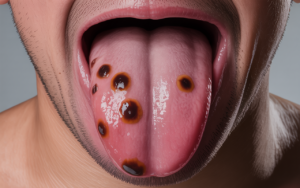
Many people immediately jump to worst-case scenarios, but the truth is, a variety of factors—ranging from completely harmless to more serious conditions—can cause dark spots on the tongue. Understanding these potential causes is the first step toward peace of mind and appropriate action. Is it just a stain from your morning coffee, a temporary side effect of medication, or something that warrants a trip to the doctor? This comprehensive guide will explore the various reasons behind dark spots on the tongue, detail when you should seek medical attention, and provide practical advice for prevention and care. By the end, you’ll have a clearer understanding of what those mysterious spots might mean for your oral and general health.
What Are Dark Spots On Your Tongue?
Before diving into the causes, let’s define what we mean by dark spots on your tongue. These can manifest in various ways: as small, isolated dots, larger patches, or even a widespread discoloration. The color can range from light brown to black, and sometimes even purple. They might appear on the top, sides, or underside of the tongue. The texture can also vary – some spots might be flat, while others could be slightly raised or fuzzy.
It’s important to remember that the tongue is a muscle covered in thousands of tiny taste buds and papillae. Its surface is highly dynamic, and changes can occur due to diet, hygiene, and overall health. Not all changes are indicative of a problem, but understanding the normal appearance of your tongue can help you identify when something might be amiss, especially with the appearance of new or changing dark spots on the tongue.
Common Causes of Dark Spots On Tongue
The reasons behind dark spots on the tongue are diverse. They can be broadly categorized into benign (harmless) and more serious (less common but requiring attention) causes.
Benign Causes (Often Harmless)
Many instances of dark spots on the tongue are not a cause for alarm. Here are some of the most common harmless culprits:
- Hyperpigmentation: Just like skin, the tongue can experience hyperpigmentation, leading to an increase in melanin production. This can result in naturally occurring brown or black spots, especially common in individuals with darker skin tones. These spots are usually flat, consistent in color, and have been present for a long time. They are essentially harmless “freckles” on the tongue.
- Oral Hygiene (Black Hairy Tongue): This condition, despite its alarming name, is usually benign. It occurs when the papillae on the tongue, which normally shed, grow longer and trap food particles, bacteria, yeast, and other substances. This accumulation can stain the elongated papillae, leading to a fuzzy or “hairy” appearance that is brown, black, or sometimes yellow or green. Factors contributing to black hairy tongue include:
- Poor oral hygiene
- Smoking or excessive tobacco use
- Excessive coffee or tea consumption
- Dehydration
- Certain medications (e.g., antibiotics, bismuth-containing antacids like Pepto-Bismol)
- Dry mouth
- Food and Drink Stains: What you consume can directly impact the color of your tongue. Darkly colored foods and beverages are notorious for leaving temporary stains. Think about:
- Coffee and black tea
- Dark berries (blueberries, blackberries)
- Certain candies or lollipops with artificial coloring
- Red wine
These stains are typically superficial and will fade with good oral hygiene.
- Medication Side Effects: As mentioned with black hairy tongue, some medications can directly cause discoloration. Bismuth subsalicylate (found in Pepto-Bismol) is a classic example; it reacts with sulfur in your mouth to form bismuth sulfide, which is black and can stain the tongue and even the teeth. Some antibiotics can also alter the oral microbiome, indirectly contributing to discoloration.
- Trauma or Injury: Biting your tongue, irritation from a sharp tooth or dental appliance, or even aggressive brushing can sometimes cause a small bruise or localized bleeding under the surface, appearing as a dark spot. These usually resolve as the injury heals.
- Tongue Piercings: While less common, sometimes the presence of a tongue piercing can lead to localized hyperpigmentation or irritation, resulting in a dark spot around the piercing site.
More Serious (Though Less Common) Causes
While most dark spots on the tongue are benign, it’s crucial to be aware of less common but more serious underlying conditions. Early detection is key for these:
- Oral Melanoma: This is a rare but aggressive form of cancer that can occur in the mouth, including on the tongue. Oral melanoma typically appears as a new, irregular, dark brown or black spot or lesion. It may change in size, shape, or color rapidly, or bleed easily. Any new, unexplained, or changing dark spot should be evaluated by a professional immediately.
- Nutritional Deficiencies: A deficiency in certain vitamins, particularly Vitamin B12, can sometimes manifest as tongue changes. While B12 deficiency is more commonly associated with a smooth, red, or “beefy” tongue, in some cases, it can cause hyperpigmentation or darker patches on the tongue.
- Addison’s Disease: This is a rare disorder where the adrenal glands don’t produce enough hormones. One common symptom is generalized hyperpigmentation of the skin, and this can extend to the mucous membranes, including the inside of the mouth and the tongue, causing diffuse brown or black patches.
- Peutz-Jeghers Syndrome: A rare genetic disorder characterized by the development of noncancerous growths (polyps) in the gastrointestinal tract. A distinguishing feature of this syndrome is the presence of small, dark brown or black spots resembling freckles on the lips, inside the mouth (including the tongue), and on the skin around the nose and eyes.
- Certain Fungal Infections: While not a direct cause of *dark spots* in the same way as black hairy tongue, some severe fungal infections, especially in immunocompromised individuals, can lead to unusual discoloration or lesions that might appear dark.
When to Seek Medical Attention for Dark Spots On Your Tongue
It can be challenging to differentiate between a harmless stain and a more concerning symptom. While many dark spots on the tongue resolve on their own or with improved oral hygiene, certain signs warrant immediate medical evaluation. You should consult a doctor or dentist if you experience any of the following:
- Persistence: The dark spot doesn’t go away within a few weeks, despite good oral hygiene and avoiding potential staining agents.
- Rapid Changes: The spot rapidly changes in size, shape, or color.
- Pain or Discomfort: The spot is painful, tender, or causes a burning sensation.
- Bleeding: The spot bleeds easily or spontaneously.
- Raised Texture: The spot is raised, hard, or has an irregular border.
- Difficulty Eating or Swallowing: The spot interferes with normal tongue function.
- Accompanying Symptoms: The dark spot is accompanied by other concerning symptoms such as unexplained weight loss, fever, swollen lymph nodes, or fatigue.
- New and Unexplained: Any new dark spot that appears without an obvious benign cause (like a recent coffee binge or taking bismuth medication).
Remember, when in doubt, it’s always best to get a professional opinion. Your dentist or primary care physician can provide an accurate diagnosis and recommend appropriate action.
Diagnosis and Treatment Options
When you present with dark spots on your tongue, your healthcare provider will follow a systematic approach to determine the cause.
How a Doctor Diagnoses
The diagnostic process typically involves:
- Medical History Review: Your doctor will ask about your general health, medications you’re taking, lifestyle habits (smoking, alcohol, diet), and when you first noticed the spots.
- Physical Examination: A thorough visual inspection of your tongue, mouth, and surrounding areas. They will note the color, size, shape, texture, and location of the spots.
- Biopsy: If the spot appears suspicious (e.g., irregular borders, rapid change, non-healing), a small tissue sample may be taken and sent to a lab for microscopic examination. This is the definitive way to diagnose conditions like oral melanoma.
- Blood Tests: If a nutritional deficiency (like Vitamin B12) or an endocrine disorder (like Addison’s disease) is suspected, blood tests will be ordered.
- Dietary/Lifestyle Assessment: For suspected staining or black hairy tongue, your doctor might ask you to modify your diet or oral hygiene routine to see if the condition improves.
Treatment Approaches
Treatment for dark spots on the tongue is entirely dependent on the underlying cause:
- Improved Oral Hygiene: For conditions like black hairy tongue, the primary treatment involves regular and thorough tongue cleaning, often with a tongue scraper or brush. Eliminating tobacco and reducing coffee/tea intake also helps.
- Dietary Modifications: Avoiding highly pigmented foods and beverages can prevent temporary staining. If a nutritional deficiency is found, dietary changes or supplements will be recommended.
- Medication Adjustment: If a medication is causing the discoloration, your doctor might suggest an alternative if possible. For bismuth-induced staining, the spots will typically fade once the medication is stopped.
- Treating Underlying Conditions: If the spots are a symptom of a systemic disease like Addison’s disease or Peutz-Jeghers syndrome, treatment will focus on managing that primary condition.
- Surgical Removal: In rare cases, such as oral melanoma, surgical excision of the lesion is necessary, often followed by other cancer treatments like radiation or chemotherapy.
- Reassurance: For benign hyperpigmentation or geographic tongue, no specific treatment is needed beyond reassurance and monitoring.
Preventing Dark Spots On Your Tongue
While not all causes of dark spots on the tongue are preventable, many can be avoided or minimized by adopting healthy habits:
- Practice Excellent Oral Hygiene: Brush your teeth twice daily and, importantly, brush or scrape your tongue daily to remove bacteria, food debris, and dead cells. This is crucial for preventing black hairy tongue.
- Stay Hydrated: Drinking plenty of water helps maintain saliva flow, which naturally cleanses the mouth and reduces the risk of dry mouth, a factor in black hairy tongue.
- Limit Staining Foods and Drinks: Reduce your intake of coffee, black tea, red wine, and darkly pigmented berries if you notice they contribute to tongue discoloration. Rinse your mouth with water after consuming them.
- Quit Smoking and Tobacco Use: Tobacco is a major contributor to black hairy tongue and increases the risk of oral cancers, including oral melanoma.
- Maintain a Balanced Diet: Ensure your diet is rich in essential vitamins and minerals, especially B vitamins, to prevent nutritional deficiencies that might affect tongue health.
- Regular Dental Check-ups: Routine visits to your dentist allow for early detection of any unusual changes on your tongue or in your mouth. Your dentist can spot potential issues before they become serious.
- Monitor Medications: Be aware of potential side effects of medications you are taking, and discuss any concerns with your doctor or pharmacist.
Recommended Products
While most dark spots require professional diagnosis, improving oral hygiene is often a crucial step, especially for conditions like black hairy tongue. Here are a few products that can support better tongue health:
Stainless Steel Tongue Scraper
An essential tool for daily tongue cleaning to remove bacteria and debris, preventing conditions like black hairy tongue and improving breath freshness.
Alcohol-Free Antiseptic Mouthwash
Helps reduce bacteria in the mouth without the drying effects of alcohol, which can sometimes contribute to oral issues. Look for brands known for oral health benefits.
Vitamin B12 Supplement (Sublingual)
If a B12 deficiency is diagnosed by a doctor, a sublingual supplement can help address the deficiency, which may sometimes manifest as tongue changes. Always consult a healthcare professional before starting any supplement regimen.
Frequently Asked Questions About Dark Spots On Tongue
Here are answers to some common questions regarding dark spots on the tongue:
Q1: Are dark spots on my tongue always serious?
A: No, not always. Many dark spots on the tongue are harmless, resulting from factors like hyperpigmentation, food stains, certain medications, or conditions like black hairy tongue. However, because some serious conditions (like oral melanoma) can also present as dark spots, it’s always wise to have any new, changing, or persistent spots evaluated by a healthcare professional.
Q2: Can food and drink cause dark spots on the tongue?
A: Absolutely. Darkly pigmented foods and beverages are a very common cause of temporary dark spots on the tongue. Coffee, black tea, red wine, blueberries, and certain candies can leave temporary stains. These spots usually disappear with good oral hygiene and by avoiding the staining agents.
Q3: How do I get rid of black hairy tongue?
A: Black hairy tongue is typically resolved with improved oral hygiene. This involves daily brushing or scraping of the tongue to remove the elongated papillae and trapped debris. Quitting smoking, reducing coffee/tea intake, and staying hydrated are also crucial steps. In some cases, your doctor might recommend an antimicrobial mouthwash or, rarely, specific medications.
Q4: What vitamin deficiency causes dark spots on the tongue?
A: While more commonly associated with a smooth, red tongue, a Vitamin B12 deficiency can sometimes cause hyperpigmentation or darker patches on the tongue. If a deficiency is suspected, a blood test can confirm it, and treatment involves B12 supplements or dietary changes.
Q5: Should I brush my tongue regularly?
A: Yes, absolutely! Brushing or scraping your tongue as part of your daily oral hygiene routine is highly recommended. It helps remove bacteria, food particles, and dead cells that can contribute to bad breath, tongue discoloration (like black hairy tongue), and plaque buildup. Use a soft-bristled toothbrush or a dedicated tongue scraper.
Q6: How long do dark spots on the tongue typically last?
A: The duration depends entirely on the cause. Stains from food or drink usually fade within a day or two with good hygiene. Spots from medication like Pepto-Bismol disappear once the medication is stopped. Black hairy tongue can take a few weeks to resolve with consistent oral hygiene. Benign hyperpigmentation may be permanent. More serious causes will persist and likely worsen without treatment.
Conclusion
Discovering dark spots on your tongue can be a moment of concern, but as we’ve explored, the causes are wide-ranging, from the completely harmless to those requiring medical attention. In many cases, these spots are benign, stemming from lifestyle factors like diet, oral hygiene, or medication side effects. Conditions like black hairy tongue or simple hyperpigmentation are often easily managed or are entirely natural variations.
However, the key takeaway is vigilance and prompt action when necessary. While it’s reassuring that most dark spots on the tongue are not serious, it’s crucial to be aware of the warning signs that indicate a need for professional evaluation. Persistent spots, rapid changes in appearance, pain, bleeding, or accompanying symptoms should always prompt a visit to your dentist or doctor. They possess the expertise to accurately diagnose the cause and guide you toward the appropriate treatment or simply offer reassurance.
Prioritizing excellent oral hygiene, maintaining a balanced diet, staying hydrated, and avoiding tobacco are fundamental steps not only for preventing many instances of dark spots on the tongue but also for your overall health. Don’t let uncertainty linger; empower yourself with knowledge and don’t hesitate to seek professional advice for any concerns about your oral health. Your tongue is a window to your well-being, so pay attention to what it’s telling you.
“`