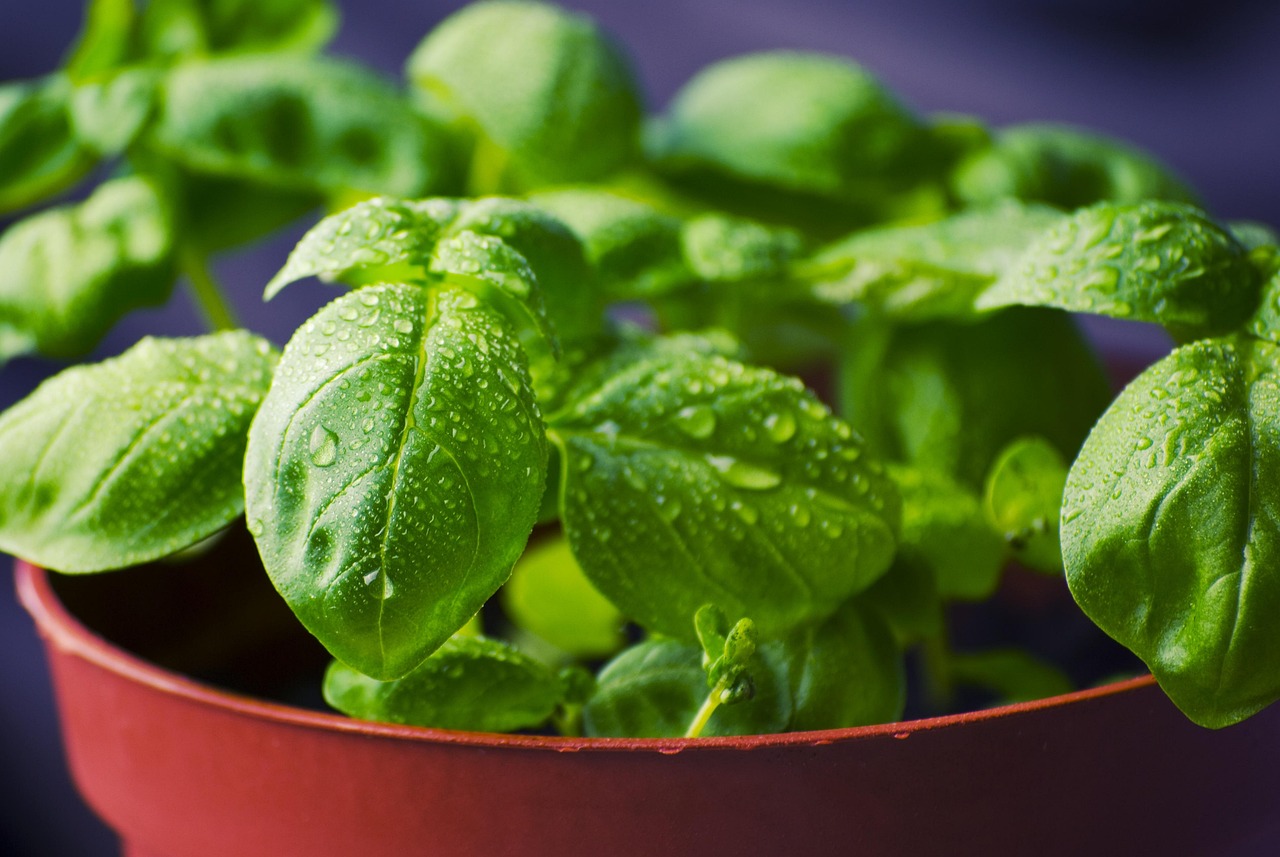
There’s nothing quite like the aromatic allure of fresh basil, whether it’s starring in a vibrant pesto, garnishing a Caprese salad, or infusing your favorite Italian dishes. Growing your own basil at home is a rewarding experience, offering an endless supply of this fragrant herb. However, the joy can quickly turn to concern when you notice unsightly dark spots on basil leaves. These spots aren’t just a cosmetic issue; they can be a sign of underlying problems affecting your plant’s health and vitality.
Understanding why your basil leaves are turning dark is crucial for diagnosis and effective treatment. From common fungal diseases to environmental stressors and even pesky insects, several culprits can cause these discolorations. Ignoring them can lead to a weakened plant, reduced yield, or even the loss of your entire basil crop. In this comprehensive guide, we’ll delve into the various reasons behind dark spots on basil leaves, provide practical prevention strategies, and offer actionable steps to treat existing issues, ensuring your basil thrives and continues to bring flavor to your kitchen.
Understanding Dark Spots On Basil Leaves: Common Causes
When you observe dark spots on basil leaves, it’s your plant’s way of signaling distress. Pinpointing the exact cause is the first step toward recovery. Here are the most common reasons you might be seeing these unwelcome marks.
Fungal Infections: The Usual Suspects
- Downy Mildew: This is one of the most prevalent and devastating diseases for basil. Initially, you might see yellow spots on the upper surface of the leaves, which then turn dark brown or black. On the underside of the leaves, a characteristic fuzzy gray mold will often be visible, especially in humid conditions.
- Fusarium Wilt: A soil-borne fungal disease, Fusarium wilt causes plants to become stunted, with leaves showing yellowing and eventually developing dark, necrotic spots or entire branches wilting. You might also notice dark streaks within the stem when cut open.
- Cercospora Leaf Spot: This fungus typically presents as small, circular dark brown or black spots, often with a lighter tan or gray center, sometimes surrounded by a yellowish halo. These spots can merge, leading to larger necrotic areas.
Bacterial Blight: A Less Common but Serious Threat
Bacterial leaf spot on basil, caused by species like Pseudomonas cichorii, manifests as angular, water-soaked lesions that typically begin along the leaf veins. These lesions quickly turn dark brown or black and can spread rapidly, especially in wet and humid environments. Unlike fungal spots, bacterial spots often have a greasy appearance.
Pest Infestations: Indirect Damage
While pests don’t directly cause dark spots on basil leaves, their presence can lead to secondary damage that appears as dark discoloration:
- Aphids and Spider Mites: These tiny sap-sucking insects feed on the basil leaves, causing tiny yellow or white stippling. Their feeding can stress the plant, making it more susceptible to other issues. More importantly, they excrete a sticky substance called honeydew, which can lead to the growth of sooty mold – a black, powdery fungus that covers the leaves, hindering photosynthesis and appearing as significant black spots on basil leaves.
Environmental Stressors: When Conditions Aren’t Right
Basil is a sensitive plant, and improper growing conditions can quickly manifest as problems, including dark spots on basil leaves.
- Overwatering and Poor Drainage: Excess moisture can lead to root rot, which starves the plant of oxygen and nutrients. Symptoms include general wilting, yellowing, and eventually dark, mushy spots or blackened stems as the plant declines.
- Nutrient Deficiencies: While less common for direct dark spots, severe deficiencies can cause discoloration. For example, a lack of magnesium might lead to interveinal yellowing, which can sometimes turn necrotic and appear as dark patches.
- Cold Damage: Basil is extremely sensitive to cold. Exposure to temperatures below 40-50°F (4-10°C) can cause leaves to turn blackened and water-soaked, especially along the edges or tips.
- Sunburn: While basil loves sun, sudden exposure to intense, direct sunlight, especially if it hasn’t been hardened off, can cause leaves to develop bleached or dark, crispy spots.
- Edema: This physiological disorder occurs when roots absorb water faster than the leaves can transpire it, often due to high humidity and inconsistent watering. It causes small, blister-like bumps on the leaves, which can later rupture and turn dark and corky.
Mechanical Damage
Physical injury from handling, strong winds, or even hail can bruise basil leaves. These damaged areas can then turn dark brown or black as the tissue dies.
Preventing Dark Spots: Best Practices for Healthy Basil
Prevention is always better than cure, especially when dealing with basil plants. By providing optimal growing conditions and practicing proactive care, you can significantly reduce the chances of seeing dark spots on basil leaves.
Optimal Growing Conditions
Give your basil the best start by ensuring its environment meets its specific needs:
- Sunlight: Basil thrives in at least 6-8 hours of direct sunlight per day. Too little light can weaken the plant and make it more susceptible to diseases.
- Soil: Use a well-draining, rich potting mix for container basil, or ensure your garden soil is amended with plenty of organic matter. Good drainage is paramount to prevent root issues. The ideal pH is between 6.0 and 7.0.
- Watering: Water deeply and consistently, but only when the top inch of soil feels dry to the touch. Avoid overhead watering, as wet leaves create an ideal environment for fungal and bacterial diseases. Water at the base of the plant in the morning so leaves have time to dry.
- Air Circulation: Proper airflow is critical. Space your basil plants adequately (at least 6-12 inches apart) to allow air to circulate between them. If growing indoors, consider a small fan. Prune lower leaves that touch the soil to further improve circulation and reduce splash-back of soil-borne pathogens.
- Temperature: Basil prefers warm temperatures, ideally between 65-80°F (18-27°C). Protect plants from cold snaps.
Proactive Pest and Disease Management
Vigilance is key to preventing widespread problems:
- Inspect Regularly: Make it a habit to check your basil plants daily for any signs of pests or disease, especially on the undersides of leaves. Early detection of ``dark spots on basil leaves`` can make a huge difference.
- Remove Affected Leaves: As soon as you spot any discolored or diseased leaves, pinch them off and discard them away from your garden (do not compost diseased material). This helps prevent the spread of pathogens.
- Sanitize Tools: Always clean your pruning shears or scissors with rubbing alcohol or a bleach solution (10% bleach, 90% water) before and after pruning each plant to avoid transmitting diseases.
- Crop Rotation: If growing in a garden bed, avoid planting basil in the same spot year after year, especially if you’ve had disease issues.
- Choose Disease-Resistant Varieties: When purchasing seeds or starts, look for varieties advertised as resistant to common basil diseases like Downy Mildew or Fusarium Wilt.
Nutrient Management
A healthy plant is a resilient plant. Feed your basil with a balanced liquid fertilizer every few weeks, especially if growing in containers, as nutrients leach out quickly.
Treating Existing Dark Spots On Basil Leaves
If you’ve already discovered dark spots on basil leaves, don’t despair! Depending on the cause, there are steps you can take to mitigate the damage and help your plant recover.
Immediate Action Steps
- Isolate Infected Plants: If growing multiple basil plants or other herbs nearby, immediately separate the affected plant to prevent the spread of disease.
- Prune Affected Parts: Carefully remove all leaves and stems showing signs of dark spots or disease. Use clean, sharp shears and dispose of the infected material properly.
- Improve Air Circulation: If plants are crowded, thin them out. For indoor plants, ensure good airflow around them.
Organic and Chemical Treatments
- For Fungal Issues (e.g., Downy Mildew, Cercospora Leaf Spot):
- Neem Oil: An excellent organic option, neem oil acts as a fungicide, insecticide, and miticide. Mix according to package directions and spray thoroughly on all leaf surfaces, including the undersides. Apply weekly until the problem subsides.
- Copper-Based Fungicides: For more severe fungal infections, organic copper fungicides can be effective. Always follow product instructions carefully.
- For Bacterial Issues: Unfortunately, bacterial leaf spots are often difficult to treat once established. The best course of action is typically to remove and destroy severely infected plants to prevent spread. For mild cases, improving air circulation and avoiding overhead watering may help slow progression.
- For Pests (leading to sooty mold):
- Insecticidal Soap: Effective against aphids and spider mites. Spray directly on pests.
- Neem Oil: As mentioned, also works as an insecticide.
- Once pests are controlled, the sooty mold can often be gently wiped off the leaves with a damp cloth.
Reassessing Environmental Factors
After addressing direct treatments, always revisit the environmental conditions:
- Adjust your watering schedule if overwatering or underwatering was suspected.
- Relocate the plant if it’s getting too much harsh sun or not enough light.
- Ensure temperatures are within the optimal range for basil.
Recommended Products
Organic Neem Oil Spray
An essential multi-purpose organic solution for combating fungal diseases and common garden pests like aphids and spider mites, which can contribute to dark spots on basil leaves.
Soil Moisture Meter
Take the guesswork out of watering! A moisture meter helps you accurately determine when your basil needs water, preventing both overwatering and underwatering, key causes of stress and dark spots.
Well-Draining Organic Potting Mix
Provide your basil with the best foundation. A high-quality, well-draining organic potting mix ensures proper aeration and nutrient availability, crucial for robust plant health and preventing root rot.
Sharp Pruning Shears
Maintain your basil’s health by cleanly removing affected leaves and improving air circulation. A good pair of sharp, clean pruning shears is indispensable for precise cuts without damaging your plant.
Frequently Asked Questions About Dark Spots On Basil Leaves
Here are answers to some common questions gardeners have when they encounter dark spots on basil leaves.
Q1: Can I still eat basil with dark spots?
It depends on the cause. If the dark spots are due to minor environmental stress (like slight cold damage or sunburn) or very localized mechanical damage, and the rest of the leaf is healthy, it’s generally safe to consume after trimming the affected parts. However, if the spots are due to fungal or bacterial diseases, or if there’s significant pest infestation (especially with sooty mold), it’s best to discard the affected leaves or even the entire plant to avoid potential health risks or consuming harmful residues.
Q2: What’s the difference between dark spots and black spots on basil leaves?
The terms “dark spots” and “black spots” are often used interchangeably to describe discoloration on basil leaves. While many issues can cause dark brown or black areas, “black spots” might specifically refer to severe cases of fungal diseases like Downy Mildew, bacterial blight, or the presence of sooty mold from pest infestations. “Dark spots” can be a broader term encompassing milder brown or deep purple discolorations that might arise from nutrient deficiencies, cold stress, or even natural pigmentation in some basil varieties.
Q3: How do I prevent dark spots on basil when growing indoors?
Indoor basil requires careful attention to its environment. Ensure it receives ample bright light (consider a grow light if natural light is insufficient). Provide good air circulation, perhaps with a small fan on a low setting, to prevent stagnant, humid air. Water carefully, only when the topsoil is dry, and use a well-draining pot. Avoid placing basil near drafty windows or air conditioning vents, which can cause cold shock or dry it out too quickly.
Q4: Is dark spot on basil contagious to other plants?
Yes, many of the causes of dark spots on basil leaves, particularly fungal and bacterial diseases, are highly contagious. Spores can spread through air currents, water splashes, or contaminated tools. Pests can also move between plants. It’s crucial to isolate affected plants immediately and practice good garden hygiene, such as sanitizing tools and washing hands after handling diseased plants, to prevent the spread to healthy basil or other susceptible plants in your garden.
Q5: When should I give up on a basil plant with dark spots?
If your basil plant is severely affected with widespread dark spots, especially from aggressive diseases like Fusarium Wilt or advanced bacterial blight, and shows no signs of improvement after treatment, it might be best to remove and discard it. This prevents the disease from spreading to other plants or lingering in the soil. Sometimes, a fresh start with new, healthy plants and improved growing conditions is the most effective long-term solution.
Conclusion
Discovering dark spots on basil leaves can be disheartening for any gardener, but it’s a common issue with identifiable causes and manageable solutions. By understanding the potential culprits—from fungal invaders and bacterial blights to environmental stressors and pesky pests—you empower yourself to take effective action. Remember, your basil plant communicates its needs through its appearance, and those dark spots are a clear signal begging for your attention.
The key to a thriving basil plant lies in vigilant observation, providing optimal growing conditions, and taking swift, appropriate action when problems arise. Regular inspection, proper watering, good air circulation, and timely intervention with organic treatments can make all the difference. Don’t let a few spots deter you from enjoying the fresh, vibrant flavor of homegrown basil. With a little care and attention, your basil plants can flourish, providing you with an abundant supply of aromatic leaves for all your culinary adventures.