As a loving dog owner, you pay close attention to every detail of your furry friend, from their wagging tail to their playful barks. So, when you notice something new or unusual, like dark spots on dog skin, it’s natural to feel a pang of concern. Are these just harmless freckles, or do they signal something more serious? Understanding the potential causes of these pigmented areas is crucial for your dog’s health and your peace of mind.

This comprehensive guide will explore the various reasons your dog might develop dark spots, ranging from benign age-related changes to more significant underlying health issues. We’ll delve into common skin conditions, discuss when a veterinary visit is essential, and provide practical advice on prevention and care. By the end of this article, you’ll be better equipped to identify, understand, and address any dark spots on your dog, ensuring they receive the best possible care.
Understanding Dark Spots On Dog Skin: What Are They?
When we talk about dark spots on dog skin, we’re generally referring to areas of hyperpigmentation – patches where the skin has become darker than the surrounding tissue. This darkening is due to an increased production of melanin, the pigment responsible for skin and hair color. Just like humans can develop moles or freckles, dogs can also experience changes in their skin pigmentation. These spots can vary greatly in size, shape, color (from light brown to black), and texture, offering clues about their origin.
It’s important to distinguish between naturally occurring pigmentation and spots that arise due to a specific condition. Some breeds are naturally prone to developing black or brown spots as they age, while others might develop them as a symptom of an underlying health problem. Observing the characteristics of these pigmented spots on your dog is the first step in determining what might be going on.
Common Causes of Dark Spots On Dog
The appearance of dark spots on your dog can be attributed to a wide array of factors. While some are completely benign, others warrant immediate veterinary attention. Here’s a detailed look at the most common causes:
Normal Pigmentation Changes (Benign)
- Freckles and Lentigo: Just like humans, dogs can develop freckles or lentigo (small, well-defined dark spots) that are entirely harmless. These are common in certain breeds, especially those with lighter coats or pink skin, and often appear with age or sun exposure. They are typically flat and don’t cause any discomfort.
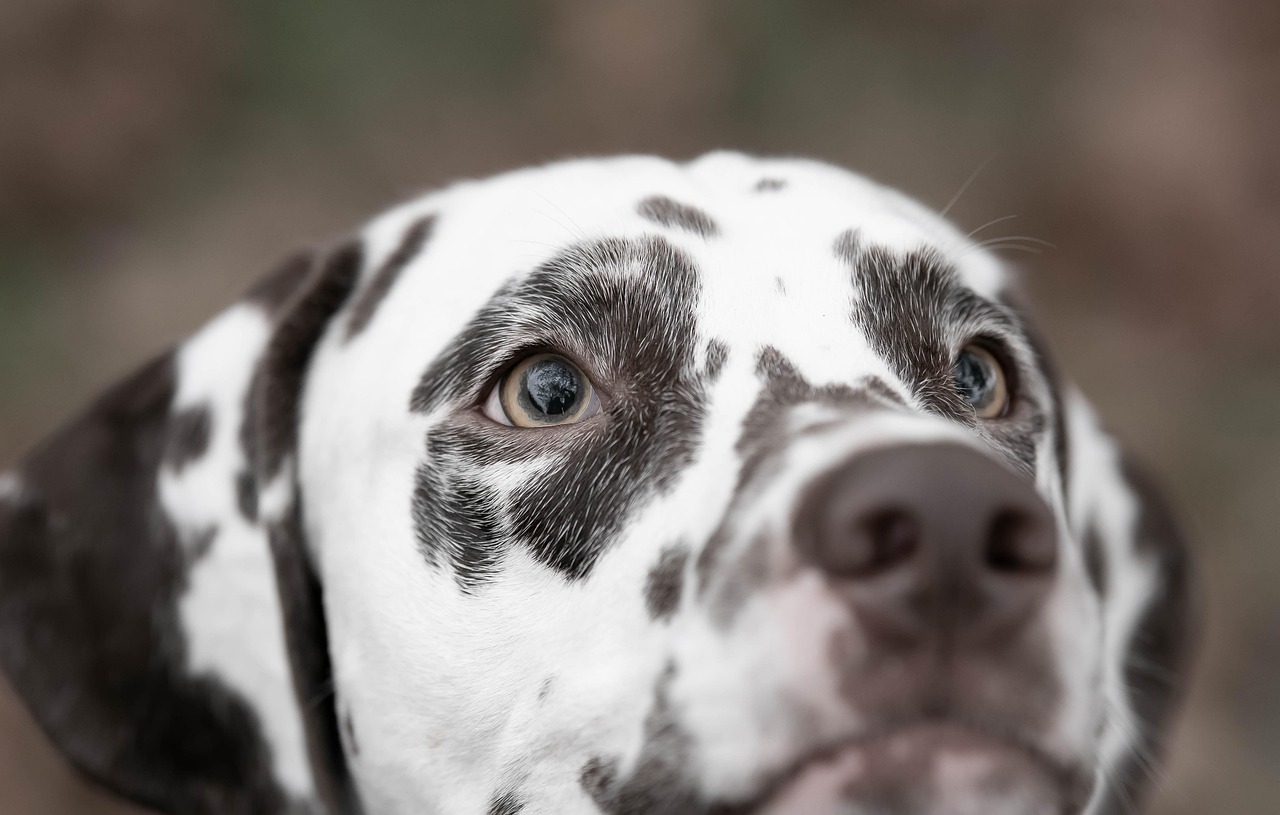
- Breed-Specific Pigmentation: Some breeds, like Dalmatians or Australian Shepherds, are genetically predisposed to developing spots, which are part of their breed standard. These are usually present from a young age or develop predictably.
- Age-Related Changes: As dogs age, their skin can undergo various changes, including the development of harmless pigmented spots, similar to “age spots” in humans.
Skin Conditions Leading to Hyperpigmentation
Many skin issues can cause inflammation, irritation, and subsequent darkening of the skin. This is often referred to as post-inflammatory hyperpigmentation.
- Allergies (Atopic Dermatitis, Food Allergies): Chronic allergic reactions cause intense itching, leading dogs to scratch, lick, and chew affected areas. This constant irritation thickens and darkens the skin, often seen in the armpits, groin, belly, and inner thighs. The skin may also appear red, inflamed, or greasy.
- Infections (Bacterial, Fungal/Yeast):
- Bacterial Infections (Pyoderma): Often secondary to allergies or other skin trauma, bacterial infections can cause red bumps, pustules, and crusts, eventually leading to thickened, dark skin.
- Yeast Infections (Malassezia Dermatitis): A common culprit, yeast overgrowth thrives in warm, moist environments (e.g., skin folds, ears). It causes greasy, itchy, red skin with a distinct odor, which can eventually become leathery and dark brown or black.
- Parasites (Fleas, Mites): Infestations by fleas or various types of mites (e.g., Demodex, Sarcoptes) cause intense itching and irritation. The scratching and inflammation can lead to skin thickening and darkening, often accompanied by hair loss.
- Hormonal Imbalances:
- Hypothyroidism: An underactive thyroid gland can lead to various skin issues, including dry, brittle hair, hair loss, and symmetrical darkening and thickening of the skin, particularly on the flanks.
- Cushing’s Disease (Hyperadrenocorticism): Excess cortisol can cause thinning skin, hair loss, a pot-bellied appearance, and sometimes hyperpigmentation, especially on the abdomen and flanks.
- Seborrhea: This condition results in abnormal skin flaking, oiliness, or dryness. Chronic seborrhea often leads to inflammation, itching, and eventually thickened, darkened skin.
- Acanthosis Nigricans: This condition, often secondary to other skin irritations or obesity, presents as velvety, darkened, thickened skin, typically in the armpits, groin, and other skin folds. It’s more common in Dachshunds but can affect any breed.
Sun Exposure and Skin Damage
Prolonged exposure to the sun, especially in dogs with thin coats or light skin, can lead to:
- Solar Lentigines (Sunspots): Similar to human sunspots, these are flat, dark areas that develop in sun-exposed regions. While often benign, they indicate sun damage.
- Actinic Keratosis: These are pre-cancerous lesions that appear as rough, scaly, or crusty patches, which can sometimes be pigmented. They require veterinary attention.
Tumors and Growths
Not all growths are cancerous, but any new lump or bump, especially if pigmented, should be examined by a veterinarian.
- Benign Growths:
- Melanocytomas: These are benign tumors of pigment-producing cells. They are common, especially in older dogs, and often appear as small, dark, raised lesions.
- Histiocytomas: Rapidly growing, often red, dome-shaped tumors that can sometimes be pigmented. They usually affect younger dogs and often resolve on their own.
- Sebaceous Cysts/Adenomas: Glandular growths that can sometimes appear dark due to trapped debris or pigmentation.
- Malignant Growths (Cancers):
- Melanomas: While some melanomas are benign, malignant melanomas are aggressive cancers of pigment cells. They can appear as dark, raised, or flat lesions, often found in the mouth, nail beds, paw pads, or on the skin. Any rapidly changing or ulcerated dark spot should be suspected.
- Mast Cell Tumors: These can vary widely in appearance, sometimes presenting as skin lumps that can be dark or irritated.
Post-Inflammatory Hyperpigmentation
This is a very common cause of dark spots on dog skin. It occurs when any form of skin inflammation – whether from an injury, infection, allergic reaction, or chronic irritation – resolves, leaving behind a darkened patch of skin due to increased melanin production in response to the healing process. These spots are usually flat and may fade over time once the underlying inflammation is controlled.
Diagnosing Dark Spots On Your Dog: When to See the Vet
Given the wide range of potential causes, it’s always best to consult your veterinarian if you notice new or changing dark spots on your dog. While some spots are harmless, others require prompt diagnosis and treatment.
When to seek veterinary attention immediately:
- The spot is rapidly changing in size, shape, or color.
- The spot is raised, lumpy, or feels different from the surrounding skin.
- It is itchy, painful, or causing your dog discomfort.
- The spot is bleeding, oozing, or ulcerated.
- It is accompanied by hair loss, redness, swelling, or a foul odor.
- Your dog shows other signs of illness, such as lethargy, appetite loss, or excessive thirst.
What to expect at the vet:
- Physical Examination: The vet will thoroughly examine your dog’s skin, noting the size, location, texture, and other characteristics of the spots.
- Skin Scraping & Cytology: Samples may be taken to look for parasites (mites), bacteria, or yeast under a microscope.
- Blood Tests: These can help diagnose underlying hormonal imbalances like hypothyroidism or Cushing’s disease.
- Biopsy: For suspicious growths or persistent hyperpigmentation, a small tissue sample may be taken and sent to a lab for histopathology (microscopic examination) to determine if it’s benign or malignant.
- Allergy Testing: If allergies are suspected, your vet might recommend further tests or dietary trials.
Treatment Options for Dark Spots On Dog
Treatment for dark spots on dog skin is entirely dependent on the underlying cause:
- For Allergies: Management may include corticosteroids, antihistamines, immune-modulating drugs, special diets, or immunotherapy (allergy shots).
- For Infections: Bacterial infections are treated with antibiotics (oral or topical), while fungal/yeast infections require antifungals (oral or medicated shampoos).
- For Parasites: Specific medications are used to eliminate fleas, mites, or other parasites.
- For Hormonal Imbalances: Medications to correct thyroid levels (e.g., levothyroxine for hypothyroidism) or manage Cushing’s disease will be prescribed.
- For Benign Growths: Many benign growths, like small melanocytomas, may be monitored. If they become irritated or are in an awkward location, surgical removal might be recommended.
- For Malignant Tumors: Surgical removal is often the primary treatment, sometimes followed by chemotherapy or radiation, depending on the type and stage of cancer.
- For Post-Inflammatory Hyperpigmentation: Once the underlying inflammation is resolved, these spots may fade over time. There are no specific treatments to “lighten” them, but addressing the root cause is key.
Preventing Dark Spots and Promoting Healthy Skin
While not all dark spots on dog skin are preventable, you can significantly reduce the risk of many conditions by promoting overall skin health:
- Regular Grooming: Brushing helps distribute natural oils, removes loose hair and debris, and allows for early detection of skin issues.
- Balanced Diet: A high-quality diet rich in essential fatty acids (like Omega-3 and Omega-6) supports skin barrier function and reduces inflammation.
- Flea and Tick Prevention: Consistent use of vet-recommended flea and tick preventatives can prevent infestations that lead to intense itching and secondary skin issues.
- Sun Protection: For dogs with thin coats or light skin, limit sun exposure during peak hours and consider dog-safe sunscreens on sensitive areas (e.g., nose, ear tips).
- Prompt Vet Care: Address any skin irritation, itching, or redness promptly to prevent it from escalating into chronic inflammation and hyperpigmentation.
- Regular Skin Checks: Make it a habit to routinely examine your dog’s skin during petting or grooming. Look for new spots, changes in existing ones, or any signs of discomfort.
Recommended Products
While direct “cures” for dark spots depend on the diagnosis, certain products can support overall skin health and manage symptoms that lead to hyperpigmentation. Always consult your vet before introducing new supplements or treatments.
Hypoallergenic Dog Shampoo
A gentle, fragrance-free shampoo can soothe irritated skin and prevent further inflammation, which can contribute to dark spots. Look for formulas with oatmeal or aloe vera.
Omega-3 Fish Oil Supplements
Essential fatty acids are crucial for skin health, reducing inflammation and supporting a healthy skin barrier. These can be particularly helpful for dogs with allergies or dry skin.
Veterinarian-Recommended Flea & Tick Prevention
Consistent use of effective flea and tick control is vital to prevent infestations that cause intense itching and subsequent skin damage and hyperpigmentation.
Dog Sunscreen
For dogs with sparse coats or light skin, a pet-safe sunscreen can protect against sun damage, which can lead to sunspots or more serious pre-cancerous lesions.
Frequently Asked Questions About Dark Spots On Dog
Conclusion
Discovering dark spots on dog skin can be unsettling, but remember that not every spot is a cause for alarm. From harmless freckles to more serious medical conditions, the causes are diverse, highlighting the importance of careful observation and timely veterinary consultation. Your dog’s skin is a window into their overall health, and changes in pigmentation can often be an early indicator of an underlying issue.
The key takeaway is to be observant and proactive. Regularly inspect your dog’s skin, pay attention to any new or changing dark spots, and note accompanying symptoms like itching, pain, or changes in texture. When in doubt, always seek professional veterinary advice. An accurate diagnosis from your vet is the first and most crucial step toward ensuring your beloved companion receives the appropriate treatment, allowing them to live a healthy, comfortable, and happy life, free from the worries of unexplained dark spots on their skin.