
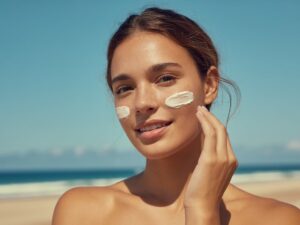
It’s not just about preventing sunburn; it’s about safeguarding your skin against the very trigger that causes and worsens these pigmentary issues. In this comprehensive guide, we’ll delve into why sunscreen is your most powerful ally against dark spots, how to choose the best formulations, and practical tips to integrate it seamlessly into your daily routine. Get ready to empower yourself with the knowledge to achieve and maintain a radiant, even-toned complexion, starting with the right sunscreen for hyperpigmentation.
Understanding Dark Spots: What Are They and Why Do They Appear?
Before we dive into the solutions, it’s essential to understand the enemy. Dark spots are essentially areas of the skin where excess melanin (the pigment that gives skin its color) has been produced and deposited. This overproduction can be triggered by various factors, leading to different types of hyperpigmentation.
Types of Hyperpigmentation
- Sunspots (Solar Lentigines/Age Spots): These are perhaps the most common type, appearing as small, flat, dark areas on sun-exposed skin, primarily caused by cumulative UV exposure.
- Post-inflammatory Hyperpigmentation (PIH): This occurs after an injury or inflammation to the skin, such as acne breakouts, eczema, or even a cut. As the skin heals, it can leave behind a dark mark.
- Melasma: Often referred to as the “mask of pregnancy,” melasma appears as larger, blotchy patches, usually on the face. It’s triggered by hormonal changes (pregnancy, birth control) combined with sun exposure.
The Role of Melanin
Melanin is your skin’s natural defense mechanism against UV radiation. When your skin is exposed to the sun, melanocytes (the cells that produce melanin) go into overdrive to protect your skin cells from damage. This increased melanin production results in a tan, but in some cases, it can become unregulated, leading to localized areas of excessive pigment – our dreaded dark spots.
Triggers Beyond Sun Exposure
While sun exposure is the primary culprit, other factors contribute:
- Hormonal Fluctuations: As seen with melasma, hormones play a significant role.
- Inflammation and Injury: Any trauma to the skin can provoke PIH.
- Certain Medications: Some drugs can increase photosensitivity or trigger pigment changes.
- Genetics: Your predisposition to developing dark spots can be inherited.
Why Sunscreen is Your #1 Weapon Against Dark Spots
It might seem obvious, but the importance of sunscreen for dark spots cannot be overstated. It’s not just a preventative measure; it’s an active part of any treatment strategy.
Preventing New Dark Spots
The most direct benefit of sunscreen is its ability to block UV radiation, thereby preventing the initial trigger for excess melanin production. Consistent use of a broad-spectrum sunscreen to prevent dark spots significantly reduces your risk of developing new sunspots and exacerbating hormonal pigmentation like melasma.
Preventing Existing Dark Spots from Worsening
For existing dark spots, sun exposure acts like a fertilizer, making them darker, larger, and more stubborn. Even a small amount of unprotected sun exposure can undo weeks or months of diligent treatment. A good sunscreen for hyperpigmentation acts as a shield, preventing current spots from deepening in color and becoming more entrenched in the skin.
Enhancing Other Treatments
If you’re using other treatments like retinoids, vitamin C serums, hydroquinone, or chemical peels, sunscreen is non-negotiable. Many of these treatments make your skin more sensitive to the sun, increasing the risk of hyperpigmentation if not adequately protected. Sunscreen ensures these treatments can work effectively without counteracting their benefits.
The Science Behind UV Protection and Pigmentation
UV radiation (both UVA and UVB) penetrates the skin, damaging DNA and triggering inflammatory responses. This inflammation signals melanocytes to produce more melanin as a protective mechanism. By creating a physical or chemical barrier, sunscreen intercepts these harmful rays, preventing the cascade of events that leads to hyperpigmentation. Iron oxides in some tinted mineral sunscreens also provide additional protection against visible light, which is increasingly recognized as a trigger for melasma.
Choosing the Best Sunscreen For Dark Spots
Not all sunscreens are created equal, especially when your goal is to combat dark spots. Here’s what to look for when selecting the best sunscreen to treat dark spots and prevent new ones.
Broad-Spectrum Protection: What It Means
Always choose a sunscreen labeled “broad-spectrum.” This means it protects against both UVA (aging rays that penetrate deeper and contribute to dark spots) and UVB (burning rays that cause sunburn). Both types of UV radiation stimulate melanin production, so comprehensive protection is key.
SPF Factor: How High is Enough?
For daily use, the American Academy of Dermatology recommends an SPF of 30 or higher. However, for individuals concerned with dark spots, particularly melasma, an SPF 50+ sunscreen for dark spots is often recommended for enhanced protection. Higher SPF numbers indicate slightly better protection against UVB rays.
Mineral vs. Chemical Sunscreens for Hyperpigmentation
- Mineral Sunscreens (Physical Sunscreens): Contain zinc oxide and/or titanium dioxide. They sit on top of the skin and physically block/reflect UV rays. They are generally considered gentler, less irritating, and a superior choice for sensitive skin and those prone to hyperpigmentation. Look for formulations with zinc oxide sunscreen for dark spots or titanium dioxide.
- Chemical Sunscreens: Contain organic compounds (e.g., avobenzone, oxybenzone, octinoxate) that absorb UV radiation and convert it into heat, which is then released from the skin. While effective, some individuals with sensitive skin may experience irritation, and some chemical filters are being studied for potential systemic absorption.
For dark spots, especially melasma, mineral sunscreens with iron oxides are increasingly recommended because they also block visible light, which chemical sunscreens typically do not.
Key Ingredients to Look For
Beyond the primary UV filters, some sunscreens incorporate additional ingredients that can help address hyperpigmentation:
- Iron Oxides: Crucial for blocking visible light, which is a known trigger for melasma and other forms of hyperpigmentation, especially in darker skin tones. Often found in tinted mineral sunscreens.
- Niacinamide (Vitamin B3): Can help reduce inflammation and prevent the transfer of melanin to skin cells, thereby reducing the appearance of dark spots.
- Vitamin C (Ascorbic Acid): A powerful antioxidant that brightens skin, inhibits melanin production, and protects against free radical damage.
- Antioxidants (e.g., Vitamin E, Ferulic Acid): Provide an extra layer of defense against environmental damage that can exacerbate dark spots.
Formulations and Textures
The best sunscreen is one you’ll actually use consistently. Consider:
- Tinted Sunscreens: Offer dual benefits – they provide mineral protection (often with iron oxides) and can help cosmetically conceal existing dark spots. A great choice for an everyday face sunscreen for dark spots.
- Lightweight Lotions/Gels: Ideal for oily or acne-prone skin, ensuring it doesn’t feel heavy or clog pores.
- Sticks/Powders: Convenient for reapplication throughout the day over makeup.
How to Effectively Use Sunscreen for Optimal Results
Simply owning a good sunscreen isn’t enough; proper application is paramount to its effectiveness against dark spots.
Application: How Much and How Often
The general rule for the face and neck is to apply a “nickel-sized” amount or about 1/2 teaspoon. For the entire body, aim for about 1 ounce (a shot glass full). Apply it as the last step in your skincare routine before makeup.
Reapplication Rules
Sunscreen isn’t a “one-and-done” deal. It breaks down and wears off. Reapply sunscreen:
- Every two hours when outdoors.
- Immediately after swimming or sweating heavily.
- Even on cloudy days or when indoors near windows.
Integrating Sunscreen into Your Daily Skincare Routine
Make sunscreen a non-negotiable daily habit. Think of it like brushing your teeth. After cleansing, toning, and applying any serums or moisturizers, your daily sunscreen for dark spots goes on. Allow it to absorb for a few minutes before applying makeup.
Beyond Sunscreen: A Holistic Approach
While sunscreen is crucial, it’s part of a broader sun protection strategy:
- Seek Shade: Especially between 10 AM and 4 PM when UV rays are strongest.
- Wear Protective Clothing: Wide-brimmed hats, sunglasses, and UPF (Ultraviolet Protection Factor) clothing offer excellent defense.
- Avoid Tanning Beds: These emit harmful UV radiation that significantly increases your risk of dark spots and skin cancer.
Common Misconceptions About Sunscreen and Dark Spots
Clearing up these myths can help ensure you’re getting the most out of your sun protection efforts.
“I don’t need sunscreen on cloudy days.”
False. Up to 80% of the sun’s UV rays can penetrate clouds. These rays are still powerful enough to cause skin damage and stimulate melanin production, leading to new or worsened dark spots. Always wear your sunscreen for dark spots, rain or shine.
“My makeup has SPF, so I’m covered.”
Partially False. While makeup with SPF offers some protection, it’s rarely enough. You’d need to apply about 7 times the amount of foundation or powder you typically use to achieve the stated SPF. It’s best to use a dedicated sunscreen underneath your makeup for full protection.
“Sunscreen blocks Vitamin D.”
Mostly False. While sunscreen can slightly reduce Vitamin D production, it typically doesn’t block it completely. Most people get sufficient Vitamin D through brief incidental sun exposure or from their diet and supplements. The health risks of unprotected sun exposure far outweigh any concerns about Vitamin D deficiency from sunscreen use.
“Darker skin tones don’t need sunscreen.”
Absolutely False. While darker skin tones have more melanin and a natural SPF of around 7-13, they are still susceptible to sun damage, sunburn, and hyperpigmentation (including severe forms like melasma and PIH, which can be more pronounced and persistent in darker skin). Everyone, regardless of skin tone, needs to use sunscreen for dark spots to protect their skin.
Recommended Products
EltaMD UV Clear Broad-Spectrum SPF 46
A cult favorite for a reason, this oil-free formula contains zinc oxide and niacinamide, making it excellent for sensitive, acne-prone skin and those dealing with dark spots. It’s lightweight and leaves no white cast.
Colorescience Face Shield Flex SPF 50
A tinted mineral sunscreen that offers robust broad-spectrum protection with iron oxides. It adapts to your skin tone, provides light coverage, and specifically helps protect against visible light that contributes to dark spots like melasma.
La Roche-Posay Anthelios Melt-in Milk SPF 60
This high-SPF chemical sunscreen is widely recommended by dermatologists. It’s gentle, fast-absorbing, and provides excellent broad-spectrum protection without a greasy feel, suitable for face and body.
ISDIN Eryfotona Actinica Broad Spectrum SPF 50+
This mineral sunscreen goes beyond protection, containing DNA repairsomes and Vitamin E to help repair existing sun damage while preventing future spots. It’s a lightweight, easy-to-spread formula.
Frequently Asked Questions (FAQ) About Sunscreen For Dark Spots
Q1: Can sunscreen alone remove dark spots?
A: While sunscreen is incredibly effective at preventing new dark spots and preventing existing ones from worsening, it typically cannot “remove” established dark spots on its own. Its primary role is protective. To fade existing dark spots, you’ll need to combine consistent sunscreen use with active ingredients like retinoids, Vitamin C, alpha hydroxy acids (AHAs), or professional treatments like chemical peels or laser therapy. Sunscreen ensures these treatments are effective and that your efforts aren’t undone by sun exposure.
Q2: How long does it take to see results from using sunscreen for dark spots?
A: The “results” from using sunscreen for dark spots are primarily preventative. You’ll notice that existing dark spots don’t get darker, and new ones are less likely to form. If you’re also using targeted treatments, sunscreen will help them work faster and more effectively, meaning you might see fading results in a few weeks to a few months, depending on the severity and type of hyperpigmentation. Consistency is key; skipping sunscreen even for a day can set back progress.
Q3: Is mineral or chemical sunscreen better for dark spots?
A: For dark spots, especially melasma, mineral sunscreens (containing zinc oxide and/or titanium dioxide) are often recommended. They physically block UV rays and are generally less irritating. Crucially, many tinted mineral sunscreens also contain iron oxides, which protect against visible light – a significant trigger for hyperpigmentation. While chemical sunscreens are effective at blocking UV, they typically don’t offer visible light protection, making mineral options a superior choice for those specifically targeting dark spots.
Q4: Do I need sunscreen even if I use other dark spot treatments?
A: Absolutely yes. In fact, using sunscreen is even more critical when you’re on a dark spot treatment regimen. Many active ingredients like retinoids, AHAs, and hydroquinone can make your skin more sensitive to the sun, increasing your risk of sunburn and worsening hyperpigmentation if not adequately protected. Sunscreen acts as a crucial barrier, allowing your treatments to work safely and effectively without counteracting their benefits.
Q5: Can tinted sunscreen help cover dark spots while treating them?
A: Yes, tinted sunscreens are an excellent option for individuals with dark spots. Many tinted mineral sunscreens contain iron oxides, which not only provide a natural-looking tint to help cosmetically conceal dark spots but also offer additional protection against visible light. This dual benefit means you’re getting both treatment and cosmetic coverage in one step, making them a highly recommended choice for a daily face sunscreen for dark spots.
Conclusion: Your Daily Shield for Clearer Skin
The journey to an even-toned complexion free from dark spots can feel challenging, but armed with the right knowledge and tools, it’s an achievable goal. As we’ve explored, while various treatments can help fade existing hyperpigmentation, the single most critical, non-negotiable step is the consistent and correct use of sunscreen for dark spots. It’s your daily shield, preventing new spots from forming and ensuring that existing ones don’t deepen or spread.
Remember to prioritize broad-spectrum formulas with an SPF of 30 or higher (preferably 50+ for targeted concerns), and consider mineral sunscreens, especially those with iron oxides, for comprehensive protection against both UV and visible light. Make sunscreen an integral part of your morning ritual, reapply as needed, and complement it with other sun-smart habits. By committing to this essential step, you’re not just protecting your skin; you’re investing in its long-term health, clarity, and radiance. Embrace your daily dose of sunscreen, and watch your skin transform.