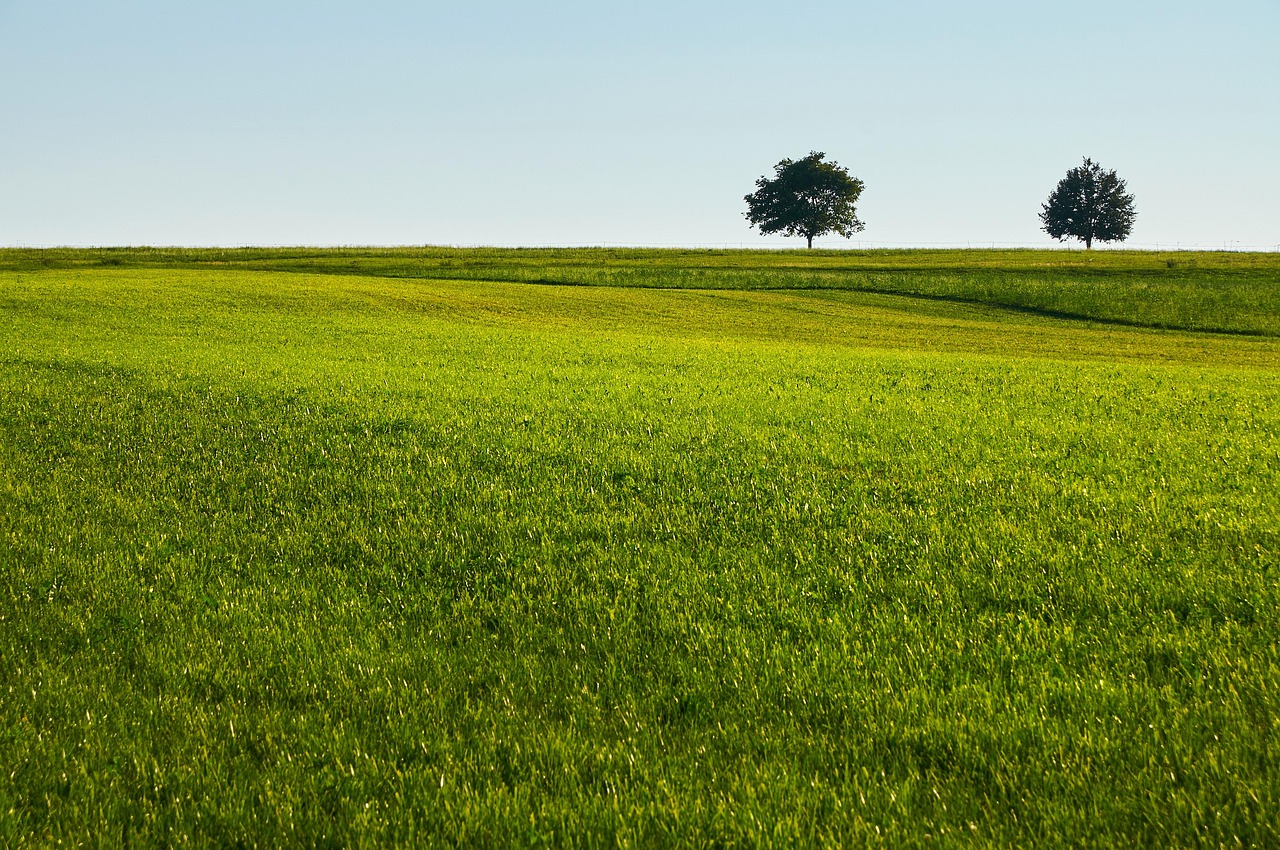
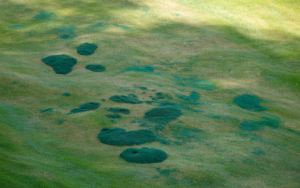
Understanding the causes behind these darker green patches is the first step toward achieving that picture-perfect turf. While some dark green spots might indicate localized bursts of growth, others could signal underlying issues like nutrient imbalances, pest activity, or even disease. Ignoring these visual cues can lead to more widespread problems, making timely identification and treatment crucial. This comprehensive guide will help you unravel the mystery of dark green spots in your lawn, providing you with the knowledge and practical solutions to restore your lawn’s consistent, vibrant green hue. We’ll explore common culprits, diagnostic tips, and effective strategies to keep your lawn looking its best.
Understanding Dark Green Spots In Your Lawn
When you observe dark green spots in your lawn, it means certain areas of your grass are exhibiting a deeper, more intense green color compared to the surrounding turf. This difference in coloration is often a stark visual contrast, drawing the eye and making your lawn appear less uniform. While a darker green might seem desirable, an inconsistent shade usually indicates that something is out of balance in those specific areas.
These hyper-green spots can vary in size and shape, from small, distinct circles to larger, irregular patches or even streaks. The key is to recognize that they are not part of the lawn’s natural, consistent color. Instead, they are anomalies that point to localized conditions affecting grass growth and health. Identifying the exact nature of these conditions is paramount to addressing the issue effectively and preventing its recurrence.
Common Causes of Dark Green Spots
The reasons behind dark green spots in your lawn are varied, ranging from simple environmental factors to more complex biological issues. Here’s a breakdown of the most frequent culprits:
Pet Urine (Nitrogen Burn/Fertilization)
One of the most common and easily recognizable causes of dark green spots in your lawn is pet urine, particularly from dogs. Dog urine is rich in nitrogen salts. In small, diluted amounts, nitrogen acts as a powerful fertilizer, causing the grass to grow rapidly and appear a darker green. However, in concentrated amounts, these salts can “burn” the grass, leading to dead, brown patches, often surrounded by a distinct halo of dark green, stimulated grass. This “halo effect” is a classic indicator.
- Pros: A small amount of diluted urine can act as a localized fertilizer.
- Cons: Concentrated urine causes brown, dead spots, surrounded by overly green areas, creating an unsightly pattern.
- Practical Advice: Water the area immediately after your pet urinates to dilute the salts. Consider training your pet to use a specific area, or use pet-friendly lawn repair products designed to neutralize urine effects.
Fungal Diseases
Certain lawn diseases can manifest as dark green spots in your lawn, especially in their early stages or specific conditions. These diseases are often triggered by environmental factors like excessive moisture, humidity, or nutrient imbalances.
- Necrotic Ring Spot: While often causing brown patches, the outer edges of these rings can sometimes appear darker green as the fungus spreads, creating a distinct “frog-eye” pattern.
- Fairy Rings: These are circular patterns of stimulated, dark green grass, often accompanied by mushrooms growing in a ring. They are caused by fungi breaking down organic matter in the soil, releasing nutrients that fertilize the grass.
- Pythium Blight: In early stages, especially in hot, humid weather, this disease can cause small, irregular dark green, water-soaked patches that quickly turn brown and slimy.
- Practical Advice: Ensure proper lawn drainage and aeration. Water deeply and infrequently, preferably in the morning to allow grass to dry. Fungicides can be effective, but proper identification of the disease is crucial for selecting the right product.
Localized Nutrient Imbalance (Over-fertilization)
Applying too much fertilizer in one spot, either due to a spill, uneven spreader application, or overlapping passes, can create areas of hyper-stimulated grass that appear significantly darker green. Fertilizer contains high concentrations of nitrogen, phosphorus, and potassium, and an excess of nitrogen will cause rapid, lush growth and a deeper green color.
- Description: Often appears as streaks, distinct patches, or concentrated spots corresponding to where the excess fertilizer was applied.
- Practical Advice: Always read fertilizer instructions carefully. Use a spreader with an even distribution pattern. Sweep up any spills immediately. A soil test can help determine your lawn’s specific nutrient needs, preventing over-application.
Specific Weed Types
Some weeds grow more vigorously or have a naturally darker green hue than typical lawn grasses. When these weeds establish themselves in patches, they can create noticeable dark green spots in your lawn.
- Clover: Often a darker, lusher green, clover patches stand out, especially when the surrounding grass is stressed. Clover also fixes nitrogen from the air, fertilizing itself and often stimulating nearby grass.
- Certain Grass Weeds: Some types of crabgrass or other undesirable grasses might have a darker color or different texture, making them appear as distinct dark green patches within your lawn.
- Practical Advice: Manual removal for small patches. For larger infestations, selective herbicides designed to target broadleaf weeds or specific grassy weeds without harming your desired turfgrass can be effective.
Soil Composition Differences
Variations in soil can lead to uneven grass growth and color. Areas with higher organic matter, better drainage, or different pH levels might retain moisture and nutrients more effectively, leading to healthier, darker green grass.
- Description: Often irregular in shape, corresponding to underlying soil variations.
- Practical Advice: A soil test can reveal inconsistencies in pH and nutrient levels. Amending your soil with compost or other organic matter can help standardize its composition over time. Aeration can also improve soil structure and nutrient distribution.
Insect Activity (Less Common for *Dark Green*, but can create contrast)
While insects like grubs typically cause brown, dying patches by eating roots, the contrast between these dying areas and surrounding healthy grass might make the healthy parts appear relatively darker. It’s less about the insects directly causing dark green spots and more about their damage highlighting existing healthy areas.
- Practical Advice: Monitor for signs of insect damage (e.g., thinning grass, increased bird activity, spongy turf). Insecticides might be necessary for severe infestations, but often, healthy lawn practices can deter pests.
Diagnosing the Cause: Your Lawn Detective Kit
Becoming a lawn detective is key to solving the mystery of dark green spots in your lawn. Careful observation can provide crucial clues:
Observe Patterns and Shapes
- Circles/Rings: Often indicative of pet urine, fairy rings, or certain fungal diseases like Necrotic Ring Spot.
- Irregular Patches: Could be uneven fertilizer application, varying soil composition, or certain weed infestations.
- Streaks: Almost always points to uneven fertilizer application or perhaps an issue with a mower.
Inspect the Grass Blades
- Color and Texture: Are the dark green blades the same type of grass, or do they look different (e.g., broader, shinier, different growth habit)? This can indicate weeds.
- Lesions/Spots: Look for any signs of disease on individual blades, such as spots, lesions, or a water-soaked appearance.
- Mushrooms: The presence of mushrooms, especially in a ring, strongly suggests fairy rings.
Check the Soil
- Moisture: Is the soil in the dark green spots significantly wetter or drier than surrounding areas?
- Compaction: Is the soil compacted, or does it feel loose and crumbly?
- Smell: A musty smell can sometimes indicate fungal activity.
Consider Recent Activities
- Fertilization: When was the last time you fertilized, and how was it applied?
- Pet Habits: Does your pet consistently use certain areas of the lawn?
- Weather: Has there been recent heavy rainfall or prolonged humidity?
Solutions for a Uniformly Green Lawn
Once you’ve identified the likely cause of the dark green spots in your lawn, you can implement targeted solutions:
For Pet Urine Spots
If pet urine is the culprit, immediate action is best. Water the area thoroughly immediately after your pet urinates to dilute the nitrogen. For existing spots, consider using specialized pet spot repair kits that contain seed, soil amendments, and often a nitrogen neutralizer. Training your pet to use a designated area or taking them for walks can also help.
For Fungal Issues
Proper lawn care is the first line of defense. Ensure you are watering deeply but infrequently, preferably in the early morning so the grass can dry completely. Aeration can reduce thatch and improve air circulation. If the disease is severe and persistent, a targeted fungicide might be necessary. Consult with a local lawn care expert to identify the specific fungus and recommend the appropriate product.
For Nutrient Imbalances
If over-fertilization is the cause, time and proper watering can help dilute the excess nutrients. For long-term solutions, a soil test is invaluable. It will tell you exactly what nutrients your soil needs and in what quantities, allowing for precise and balanced fertilization. Apply fertilizers evenly using a calibrated spreader and avoid overlapping passes.
For Weeds
Small patches of weeds causing dark green spots can be hand-pulled. For larger infestations, use a selective herbicide that targets the specific weed type without harming your desired turfgrass. Always follow product instructions carefully. Maintaining a dense, healthy lawn through proper cultural practices will naturally outcompete many weeds.
General Maintenance for Prevention
Consistent, good lawn care practices are your best defense against dark green spots in your lawn:
- Mowing Height: Mow at the recommended height for your grass type (usually 2.5-3 inches). Taller grass shades out weeds and promotes deeper root growth.
- Watering Schedule: Water deeply and infrequently (e.g., 1 inch per week), encouraging roots to grow deeper.
- Aeration: Annually or bi-annually, aerate your lawn to reduce soil compaction and improve nutrient/water penetration.
- Dethatching: Remove excessive thatch (a layer of dead organic matter) to prevent disease and improve air circulation.
- Balanced Fertilization: Based on soil test results, apply a balanced fertilizer at the correct times of the year.
Recommended Products
Lawn Soil Test Kit
Essential for understanding your lawn’s specific nutrient needs and pH levels, guiding your fertilization strategy.
Pet Spot Repair for Lawns
Specifically formulated to repair pet urine damage, often neutralizing salts and promoting new grass growth.
Granular Lawn Fungicide
Effective against a range of common lawn diseases that can cause discoloration or patchy growth.
Broadcast Spreader for Lawn
Ensures even application of fertilizers, seeds, and granular products, preventing over-fertilization spots.
FAQ Section
Here are some frequently asked questions about dark green spots in your lawn:
Q1: Are dark green spots always a bad sign?
A1: Not necessarily. While they often indicate an imbalance or issue, some dark green spots, particularly those caused by clover, might simply be a different plant thriving. However, if they create an undesirable patchy appearance or are accompanied by other symptoms, they warrant investigation.
Q2: How do I distinguish pet urine spots from disease?
A2: Pet urine spots typically feature a dead, brown center with a distinct dark green ring around it, especially on established spots. Disease-related dark green spots might be more irregular, show specific patterns (like fairy rings with mushrooms), or have visible lesions on the grass blades. Observing the pattern and inspecting the grass closely helps differentiate.
Q3: Can over-fertilization cause dark green spots?
A3: Yes, absolutely. Over-fertilization, especially with nitrogen-rich fertilizers, will cause grass in those concentrated areas to grow rapidly and turn a much darker green. This often appears as streaks or distinct, localized patches where the fertilizer was applied too heavily.
Q4: What’s the best way to prevent dark green spots from recurring?
A4: Prevention hinges on consistent, proper lawn care. This includes regular soil testing for balanced fertilization, proper watering techniques (deep and infrequent), annual aeration, managing pet habits, and promptly addressing any signs of weeds or disease. A healthy, vigorous lawn is more resistant to these issues.
Q5: When should I call a professional for dark green spots?
A5: If you’ve tried common solutions and the dark green spots persist, spread, or are accompanied by other worrying symptoms (e.g., widespread thinning, unusual fungal growth, or insect damage), it’s time to call a professional lawn care service. They can accurately diagnose complex issues and provide targeted treatments.
Conclusion
The appearance of dark green spots in your lawn can be frustrating, but with a little detective work and targeted action, you can restore your lawn to a uniform, vibrant green. Remember that these spots are visual cues, signaling that certain areas of your lawn are experiencing different conditions than the rest. Whether it’s a localized nutrient boost from pet urine or fertilizer, the presence of a fungal disease, or simply a patch of vigorous weeds, understanding the root cause is paramount.
By carefully observing the patterns, inspecting the grass blades, and considering recent activities, you can effectively diagnose the issue. From there, implementing specific solutions such as diluting pet urine, applying appropriate fungicides, correcting fertilization techniques, or managing weeds will put you on the path to a healthier lawn. Ultimately, consistent and proper lawn care practices – including balanced fertilization, appropriate watering, and regular maintenance – are your best defense against dark green spots in your lawn. Stay observant, be patient, and enjoy the process of cultivating a truly beautiful outdoor space.
“`