
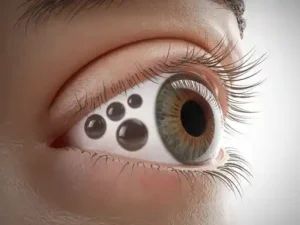
Our eyes are complex organs, and the clarity of our vision can be affected by numerous factors, from age-related changes to underlying health conditions. Understanding the nuances of these visual disturbances, including dark spots and vision changes, is crucial for proactive eye care. We’ll explore everything from the science behind common floaters to more serious conditions that necessitate immediate medical attention. By the end of this article, you’ll have a clearer picture of what those elusive spots mean and how to safeguard your precious eyesight.
What Are Dark Spots in Eyesight? Defining the Visual Phenomenon
When people speak of dark spots in eyesight, they are most often referring to what ophthalmologists call eye floaters. These are small specks, squiggly lines, or shadowy shapes that appear to float across your vision. They are not external objects but rather tiny pieces of debris within the vitreous humor – the clear, jelly-like substance that fills the inside of your eye. As light enters your eye, these microscopic fibers cast shadows on your retina, which you perceive as floaters.
Common Characteristics of Eye Floaters:
- They appear to drift when you try to look directly at them.
- They are more noticeable against bright backgrounds, like a clear sky or a white wall.
- They can vary in shape and size, from small dots to large, intricate strands.
- They generally do not cause pain or discomfort.
While floaters are the most common form of dark spots affecting vision, other phenomena can also be perceived as dark spots, such as scotomas (areas of partial or complete vision loss) or even shadows cast by issues on the surface of the eye. It’s important to differentiate these to understand the underlying cause.
The Many Causes of Dark Spots in Eyesight
The appearance of dark spots in your field of vision can stem from a variety of causes, ranging from the entirely benign to those requiring urgent medical intervention. Understanding these causes is the first step toward effective management and peace of mind.
1. Age-Related Vitreous Changes (Most Common Cause)
As we age, the vitreous humor in our eyes naturally begins to shrink and liquefy. This process can cause collagen fibers within the vitreous to clump together, forming the shadows we perceive as floaters. This is known as Posterior Vitreous Detachment (PVD) and is a very common, typically harmless, part of aging. Most people experience PVD by their 60s or 70s.
2. Retinal Tears or Detachment
This is a more serious cause. Sometimes, as the vitreous pulls away from the retina during PVD, it can tug on the retina strongly enough to create a tear. A retinal tear, if left untreated, can progress to a retinal detachment, where the retina separates from its underlying support tissue. Both conditions can cause a sudden increase in floaters, often accompanied by flashes of light or a curtain-like shadow in peripheral vision. This is a medical emergency that requires immediate attention to prevent permanent vision loss.
3. Eye Inflammation (Uveitis)
Inflammation in the eye, known as uveitis, can release inflammatory cells and debris into the vitreous, leading to the appearance of dark spots. Uveitis can be caused by infections, autoimmune diseases, or trauma. It often presents with redness, pain, light sensitivity, and blurred vision alongside the floaters.
4. Eye Bleeding (Vitreous Hemorrhage)
Bleeding into the vitreous humor (vitreous hemorrhage) can cause numerous dark spots or a diffuse clouding of vision. This can result from diabetic retinopathy, retinal tears, trauma, or blood vessel abnormalities. The severity of vision loss depends on the amount of blood.
5. Migraine Aura
Some individuals experience visual disturbances, known as auras, before or during a migraine headache. These can include shimmering lights, zig-zag lines, or temporary blind spots (scotomas) that might be perceived as dark spots. These are typically temporary and resolve as the migraine progresses or subsides.
6. Eye Surgery or Injury
Previous eye surgeries (like cataract surgery) or direct eye trauma can sometimes lead to the development of new floaters or an increase in existing ones due to changes in the vitreous or bleeding.
7. Macular Degeneration (AMD)
While not typically causing “floating” dark spots, advanced stages of Age-related Macular Degeneration (AMD), particularly the wet form, can lead to blind spots or distorted vision in the central field, which some might describe as a fixed dark spot affecting their ability to see details.
When to Be Concerned: Red Flags for Dark Spots in Eyesight
While most eye floaters are harmless, certain symptoms warrant immediate medical attention. It’s crucial to distinguish between typical, benign floaters and those that signal a more serious underlying issue. Pay close attention to these red flags:
- Sudden Onset or Significant Increase: A sudden shower of new floaters, especially if accompanied by flashes of light, is a critical symptom that could indicate a retinal tear or detachment.
- Flashes of Light (Photopsia): Experiencing light flashes, particularly in your peripheral vision, alongside new floaters, suggests the retina is being stimulated or pulled, which can happen with a tear.
- A Shadow or “Curtain” Effect: If you notice a dark shadow or a curtain-like obstruction moving across your field of vision, this is a strong indicator of a retinal detachment that requires emergency care.
- Loss of Peripheral Vision: Any sudden or progressive loss of side vision should be evaluated immediately.
- Eye Pain or Redness: If floaters are accompanied by significant eye pain, redness, light sensitivity, or blurred vision, it could point to uveitis or other inflammatory conditions.
If you experience any of these symptoms, do not delay. Seek an immediate evaluation from an ophthalmologist or visit an emergency room. Timely intervention can often prevent permanent vision loss.
Diagnosis and Treatment for Dark Spots in Eyesight
An accurate diagnosis is key to determining the cause and appropriate management of dark spots in eyesight. Your eye doctor will typically perform a comprehensive eye exam.
Diagnostic Procedures:
- Dilated Eye Exam: Your ophthalmologist will use eye drops to dilate your pupils, allowing a clear view of the retina and vitreous humor at the back of your eye. This is the primary method for identifying retinal tears, detachment, or other issues.
- Optical Coherence Tomography (OCT): This imaging test provides cross-sectional views of the retina, helping to detect subtle changes or swelling.
- Ultrasound: In cases where the view of the retina is obscured (e.g., by significant bleeding), an ultrasound can visualize the back of the eye.
Treatment Options:
Treatment for dark spots in eyesight depends entirely on the underlying cause:
- Observation: For benign, age-related floaters, no treatment is usually necessary. Most floaters tend to settle out of the direct line of sight over time, and the brain often learns to ignore them.
- Laser Vitreolysis: In some specific cases, a laser can be used to break up large, bothersome floaters. This procedure is controversial and not suitable for all types of floaters or all patients.
- Vitrectomy: For severe, vision-impairing floaters, or conditions like retinal detachment or significant vitreous hemorrhage, a vitrectomy may be performed. This surgical procedure involves removing the vitreous humor and replacing it with a saline solution or gas bubble. It carries risks and is typically reserved for serious cases.
- Treating Underlying Conditions: If floaters are due to inflammation (uveitis) or diabetic retinopathy, treating these underlying conditions (e.g., with anti-inflammatory medications, laser therapy for diabetic retinopathy) will address the floaters.
Protecting Your Eyesight: Prevention and Lifestyle Tips
While some causes of dark spots in eyesight are unavoidable, you can take steps to promote overall eye health and potentially reduce your risk for certain conditions:
- Regular Comprehensive Eye Exams: Don’t wait for symptoms. Regular check-ups, especially as you age or if you have risk factors for eye disease (like diabetes or a family history of glaucoma), are vital for early detection and treatment.
- Protect Your Eyes from UV Radiation: Wear sunglasses that block 99-100% of both UVA and UVB rays whenever you are outdoors. UV exposure can contribute to cataracts and macular degeneration, indirectly affecting vision clarity.
- Maintain a Healthy Diet: A diet rich in antioxidants, vitamins C and E, zinc, lutein, and zeaxanthin can support eye health. Foods like leafy green vegetables, colorful fruits, fish rich in Omega-3 fatty acids, and nuts are excellent choices.
- Control Chronic Diseases: Conditions like diabetes and high blood pressure can significantly impact eye health. Managing these conditions effectively is crucial for preventing related eye complications.
- Avoid Eye Trauma: Wear protective eyewear during sports, DIY projects, or any activity that poses a risk of eye injury.
- Stay Hydrated: Drinking enough water is good for overall health, including the health of your eyes.
- Quit Smoking: Smoking significantly increases the risk of developing cataracts, macular degeneration, and other eye conditions.
Adopting these habits can contribute significantly to long-term eye health and help minimize the risk of developing issues that lead to dark spots in vision or other visual impairments.
Recommended Products for Eye Health Support
Bausch + Lomb PreserVision AREDS 2 Formula Eye Vitamin
Formulated with lutein, zeaxanthin, vitamin C, vitamin E, and zinc, based on the AREDS 2 study to support macular health.
Polarized UV Protection Sunglasses
Essential for shielding your eyes from harmful UVA/UVB rays, reducing glare and supporting long-term eye health.
Nordic Naturals Omega-3 Fish Oil
High-quality Omega-3 fatty acids (EPA and DHA) are crucial for maintaining retinal health and reducing dry eye symptoms.
Frequently Asked Questions About Dark Spots in Eyesight
Q1: Are dark spots in my eyesight a sign of aging?
A: Yes, most commonly, dark spots in eyesight (eye floaters) are a natural part of the aging process. As the vitreous gel in your eye liquefies, tiny collagen fibers can clump together, casting shadows on your retina that you perceive as floaters. This condition, called Posterior Vitreous Detachment (PVD), typically starts in middle age and becomes more common with advancing years.
Q2: Can stress cause dark spots in my vision?
A: While stress doesn’t directly cause physical floaters within the eye, high stress levels can sometimes exacerbate or make you more aware of existing floaters. Additionally, stress can contribute to other visual disturbances like eye twitching or even trigger migraine auras, which can manifest as temporary visual anomalies that some might perceive as dark spots. It’s always best to consult an eye doctor to rule out any physical causes.
Q3: When should I be worried about dark spots in my eyesight?
A: You should seek immediate medical attention if you experience a sudden increase in dark spots, especially if accompanied by flashes of light, a shadow or “curtain” coming across your vision, or a sudden decrease in your peripheral vision. These symptoms can indicate a retinal tear or detachment, which is a serious condition requiring urgent treatment to prevent permanent vision loss.
Q4: Can diet and supplements help with dark spots in eyesight?
A: While diet and supplements cannot eliminate existing floaters or reverse serious eye conditions, a healthy diet rich in antioxidants (like lutein, zeaxanthin, vitamins C and E) and Omega-3 fatty acids can support overall eye health and may help reduce the risk of certain age-related eye diseases like macular degeneration, which can indirectly affect vision clarity. Always discuss supplements with your doctor.
Q5: Is there any way to get rid of eye floaters?
A: For most benign floaters, no treatment is necessary, and they often become less noticeable over time as your brain learns to ignore them. For very dense, persistent, and vision-impairing floaters, procedures like laser vitreolysis (using a laser to break up floaters) or vitrectomy (surgical removal of the vitreous) are options. However, these procedures carry risks and are generally only considered for severe cases where floaters significantly impair vision and quality of life.
Conclusion: Prioritizing Your Vision Health
The appearance of dark spots in eyesight is a common experience, often a benign sign of the eye’s natural aging process. However, it’s a symptom that demands attention and understanding. While many floaters are harmless and require no treatment beyond observation, a sudden change in their number, size, or appearance, especially when accompanied by flashes of light or a visual curtain, can signal a serious condition like a retinal tear or detachment. Such instances require immediate consultation with an ophthalmologist to preserve your vision.
Maintaining excellent eye health is a lifelong endeavor. Regular comprehensive eye exams, protecting your eyes from UV radiation, adopting a nutrient-rich diet, and managing underlying health conditions are all crucial steps in safeguarding your vision. Don’t let fear or complacency dictate your eye care. Be vigilant about changes in your vision, understand the red flags, and always consult a healthcare professional for any concerns regarding dark spots and vision changes. Your eyes are irreplaceable, and proactive care is the best way to ensure a clear view of the world for years to come.