
Few sights are as captivating as a vibrant goldfish gracefully swimming through its tank. Their brilliant colors and flowing fins bring joy to countless aquarists. However, if you’ve recently noticed dark spots on your goldfish, a touch of concern might overshadow that joy. These spots can range from harmless aesthetic changes to indicators of underlying health issues, leaving many owners wondering: “What exactly are these goldfish dark spots, and should I be worried?”
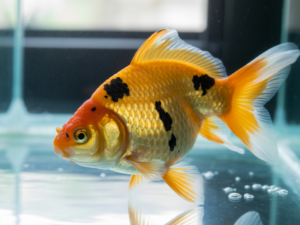
Understanding the causes behind these mysterious markings is crucial for your goldfish’s well-being. Whether it’s a natural color transformation, a response to water quality, or a sign of illness, identifying the root cause will guide you toward the correct course of action. This comprehensive guide will delve deep into the various reasons your goldfish might develop black spots on goldfish or other dark discolorations, offering practical advice on how to diagnose, treat, and prevent them. By the end, you’ll be equipped with the knowledge to ensure your finned friend remains healthy and happy, spot or no spot!
Understanding Dark Spots On Goldfish: What Do They Mean?
When you observe dark spots on goldfish, it’s natural to feel a bit anxious. These spots can manifest in various shades, from light brown to deep black, and appear on different parts of the fish’s body, fins, or gills. The good news is that not all dark spots signify a dire problem. Let’s explore the most common reasons behind these pigment changes.
Common Causes of Dark Spots
- Natural Pigmentation Changes:
- Melanin Development: Goldfish are known for their ability to change color throughout their lives. This is often a natural process where the fish develops more melanin (the pigment responsible for dark coloration). Younger goldfish, in particular, might develop black spots on goldfish as they mature.
- Aging and Genetics: Just like humans, goldfish can show signs of aging. Some breeds are predisposed to color changes, including the appearance of dark spots, due to their genetic makeup.
- Stress Spots: Sometimes, temporary brown spots on goldfish or darker patches can appear due to stress. This isn’t a disease but rather a physiological response to environmental changes, bullying, or an uncomfortable tank setup.
- Ammonia Burns/Water Quality Issues:
- One of the most frequent and serious causes of goldfish dark spots is poor water quality, specifically high levels of ammonia. Ammonia burns damage the fish’s skin and scales, leading to the development of black, charred-looking patches as the fish heals. This is a critical indicator of a toxic environment and requires immediate attention. Nitrite poisoning can also cause similar symptoms.
- Parasites and Fungal Infections:
- Black Spot Disease (Diplopstomum sp.): This common parasitic infection, often seen in pond fish but possible in aquariums, manifests as tiny, raised black spots on goldfish. These spots are cysts formed around a parasitic flatworm. While unsightly, it’s usually not fatal but indicates the presence of snails, which are intermediate hosts for the parasite.
- Ich (Ichthyophthirius multifiliis) & Velvet (Oodinium pilularis): While typically appearing as white spots (Ich) or a dusty gold/brown coating (Velvet), severe cases or secondary infections can sometimes lead to darker, irritated patches.
- Bacterial Infections:
- Bacterial infections like fin rot or columnaris can cause tissue damage that, as it heals, may sometimes appear as darker areas or scabs. Ulcers can also form and become discolored. These are usually accompanied by other symptoms like lethargy, clamped fins, or ragged fin edges.
- Injury and Healing:
- Physical injuries, such as scrapes from tank decor, nipping from tank mates, or even rough handling, can cause tissue damage. As the goldfish heals, the injured area might turn dark, similar to a bruise or a scab forming on human skin. This is a sign of regeneration and usually resolves with clean water.
- Environmental Stressors:
- Sudden changes in pH, temperature fluctuations, or inadequate tank size can stress goldfish, potentially leading to temporary dark patches. These are often indicators that the environment is not stable or suitable for your fish.
Identifying the Type of Dark Spot
Pinpointing the exact cause of goldfish dark spots requires careful observation and a systematic approach. Understanding the nuances of their appearance and accompanying symptoms is key to providing the right care.
How to Differentiate Between Causes
- Observe Color and Texture:
- Are the spots truly black, brown, or a reddish-brown?
- Are they flat against the body, or are they raised, fuzzy, or ulcerated?
- Flat, spreading black patches often indicate ammonia burns or natural color change.
- Tiny, raised black dots suggest black spot disease.
- Fuzzy or cotton-like dark patches could point to a fungal infection with secondary darkening.
- Reddish-brown or black areas accompanied by torn fins might be bacterial fin rot or injury.
- Check for Accompanying Symptoms:
- Is your goldfish acting lethargic, hiding more, or losing its appetite?
- Are its fins clamped close to its body?
- Is it “flashing” (rubbing itself against tank objects) or breathing rapidly?
- Are there any other visible signs like bloating, pop-eye, or white spots?
- The presence of other symptoms alongside dark spots on goldfish almost always points to a health issue beyond simple pigmentation.
- Examine Water Parameters:
- This is perhaps the most critical step. Use a reliable freshwater test kit to check for:
- Ammonia: Should always be 0 ppm.
- Nitrite: Should always be 0 ppm.
- Nitrate: Should be below 20 ppm for goldfish, ideally lower.
- pH: Goldfish prefer a stable pH between 7.0 and 8.0.
- Temperature: Goldfish are coldwater fish, but sudden fluctuations can be stressful.
- If ammonia or nitrite levels are elevated, it’s a strong indicator that the dark spots on goldfish are related to water quality issues.
- This is perhaps the most critical step. Use a reliable freshwater test kit to check for:
- Consider Recent Changes:
- Did you recently add new fish to the tank? (Potential for disease introduction or bullying)
- Did you introduce new decor or plants? (Potential for injury or stress)
- Have you changed their diet or feeding schedule?
- Have you performed a major tank cleaning or water change recently? (Could indicate a shock)
Practical Steps to Address Dark Spots
Once you have a better understanding of why your goldfish has dark spots on goldfish, you can take appropriate action. Remember, clean water is often the first line of defense for many goldfish ailments.
Immediate Actions for Water Quality Issues
- Test Water Parameters: As mentioned, this is non-negotiable. An accurate test kit will confirm if ammonia, nitrite, or nitrate levels are the culprits.
- Perform Partial Water Changes: If ammonia or nitrite are detected, immediately perform a 25-50% water change using dechlorinated water that is temperature-matched to the tank. Continue daily partial water changes until parameters return to safe levels (0 ammonia, 0 nitrite, low nitrate).
- Review Filtration and Aeration: Ensure your filter is working correctly and is adequately sized for your tank and fish load. Check for blockages and clean filter media as needed (rinse in old tank water to preserve beneficial bacteria). Increase aeration with an air stone if dissolved oxygen seems low.
- Reduce Feeding: Overfeeding contributes to poor water quality. Reduce the amount of food or skip a day or two until water parameters stabilize.
Treatment for Specific Conditions
- Parasitic Infections (e.g., Black Spot Disease):
- For black spot disease, removing snails from the tank is crucial, as they are part of the parasite’s life cycle. Medications containing praziquantel can be effective.
- For Ich or Velvet, specific medications are available, often involving raising the tank temperature slightly (if appropriate for goldfish) and adding aquarium salt.
- Bacterial/Fungal Infections:
- If you suspect a bacterial infection (e.g., fin rot), broad-spectrum antibiotics or antibacterial treatments designed for aquarium use may be necessary. Follow dosage instructions carefully.
- Fungal infections often respond to antifungal medications, sometimes in combination with aquarium salt.
- Always treat in a hospital tank if possible to avoid affecting beneficial bacteria in the main tank.
- Injury/Healing:
- For injuries, the best treatment is pristine water quality to prevent secondary infections. Aquarium salt can also aid in healing and reduce stress. Remove any sharp decor that might be causing injuries.
When to Consult a Vet
If you’ve tried basic water quality corrections and treatments for common ailments, but the dark spots on goldfish persist, worsen, or are accompanied by severe symptoms, it’s time to consult an aquatic veterinarian. They can provide an accurate diagnosis and prescribe targeted treatments that might not be available over-the-counter.
Prevention: Keeping Your Goldfish Spot-Free
Prevention is always better than cure when it comes to fish health. By maintaining optimal conditions, you can significantly reduce the chances of your goldfish developing concerning dark spots on goldfish.
Maintaining Optimal Water Quality
- Regular Water Testing: Make testing a routine – at least weekly, especially in new tanks.
- Consistent Water Changes: Perform 25-30% partial water changes weekly or bi-weekly, depending on tank size and fish load. Always use a good dechlorinator.
- Proper Filtration: Ensure your filter is appropriate for your tank size and keeps the water clear and free of debris. Clean it regularly.
Proper Tank Setup and Size
- Adequate Tank Size: Goldfish are messy and grow large. Provide at least 20 gallons for the first goldfish and an additional 10 gallons for each subsequent fish. Overcrowding is a major stressor and leads to poor water quality, potentially causing goldfish dark spots.
- Appropriate Decor: Choose smooth decorations without sharp edges to prevent injuries.
Balanced Diet
- Feed high-quality goldfish flakes or pellets. Supplement with fresh vegetables (peas, spinach) and occasional protein (brine shrimp, bloodworms).
- Avoid overfeeding, which pollutes the water and can lead to digestive issues.
Quarantine New Fish
- Always quarantine new fish in a separate tank for 2-4 weeks before introducing them to your main aquarium. This prevents the spread of diseases and parasites that could cause dark spots on goldfish or other ailments.
Regular Observation
- Spend time observing your goldfish daily. Early detection of changes in behavior or appearance, including new goldfish dark spots, can make a significant difference in successful treatment.
Recommended Products
Freshwater Aquarium Test Kit
Essential for monitoring water parameters like ammonia, nitrite, nitrate, and pH, which are crucial for preventing and diagnosing dark spots on goldfish caused by water quality issues.
Aquarium Water Conditioner
Neutralizes chlorine and chloramines in tap water, making it safe for your goldfish during water changes and preventing chemical stress that can lead to goldfish dark spots.
Aquarium Salt
A natural remedy that helps reduce stress, promote healing from injuries or infections, and can aid in treating certain parasitic conditions that might cause black spots on goldfish.
High-Quality Goldfish Food
A balanced, nutritious diet is fundamental for overall fish health, boosting immunity and preventing health issues that could manifest as dark spots on goldfish.
Frequently Asked Questions About Dark Spots On Goldfish
Q1: Are all dark spots on goldfish dangerous?
No, not all dark spots on goldfish indicate a serious problem. Many goldfish naturally develop black or brown spots as they mature due to melanin development or genetic predisposition. These are usually flat and don’t come with other symptoms. However, if the spots are raised, fuzzy, accompanied by behavioral changes, or if water parameters are poor, they could signal an underlying health issue.
Q2: Can goldfish change color and develop dark spots naturally?
Yes, goldfish are well-known for their color-changing abilities. It’s quite common for younger goldfish to develop black spots on goldfish as they age, or for their overall coloration to deepen or change. This is a natural part of their maturation and pigmentation process, often influenced by genetics, diet, and even lighting conditions. If your goldfish is otherwise healthy and active, natural color change is a likely cause.
Q3: How do I treat dark spots caused by ammonia burns?
Treatment for goldfish dark spots from ammonia burns focuses on immediate water quality improvement. First, perform a 25-50% partial water change using dechlorinated, temperature-matched water. Test ammonia and nitrite levels daily, performing further partial water changes until both are at 0 ppm. Ensure your filter is working efficiently, reduce feeding, and consider adding an ammonia-neutralizing product or aquarium salt to aid healing and reduce stress.
Q4: What is “black spot disease” in goldfish?
Black spot disease, also known as “black ich,” is a parasitic infection caused by a trematode flatworm (often Diplopstomum sp.). It appears as tiny, raised, pepper-like black spots on goldfish, particularly noticeable on the fins and body. The parasite has a complex life cycle involving snails as intermediate hosts. Treatment involves removing snails from the tank and using antiparasitic medications, often containing praziquantel.
Q5: When should I worry about dark spots on my goldfish?
You should worry about dark spots on goldfish if they appear suddenly, spread rapidly, are raised, fuzzy, or ulcerated, or if your goldfish exhibits other symptoms like lethargy, clamped fins, loss of appetite, flashing, or rapid breathing. These accompanying signs almost always point to an underlying health issue that requires immediate investigation and intervention, especially if water parameters are poor.
Q6: Can diet influence dark spots on goldfish?
While diet doesn’t directly cause most types of dark spots on goldfish, a poor diet can weaken a fish’s immune system, making it more susceptible to infections and diseases that might manifest with dark spots. Conversely, a high-quality, balanced diet can enhance overall health, promote vibrant natural coloration, and help goldfish recover from injuries or illnesses more effectively.
Conclusion: Ensuring a Spotless Future for Your Goldfish
Discovering dark spots on goldfish can certainly be alarming, but as we’ve explored, these markings have a spectrum of meanings, from benign natural changes to clear indicators of environmental stress or disease. The key to ensuring your goldfish’s health and happiness lies in diligent observation, understanding the various potential causes, and taking prompt, appropriate action.
Always start by meticulously checking your water parameters – ammonia, nitrite, and nitrate are often the silent culprits behind many goldfish ailments, including persistent goldfish dark spots. Beyond water quality, consider parasites, bacterial infections, or even simple injuries. By maintaining a clean, spacious, and stable environment, providing a nutritious diet, and being attentive to any behavioral changes, you’re giving your goldfish the best chance at a long, healthy, and vibrant life. Remember, a proactive approach and a little patience go a long way in solving the mystery of those dark spots and ensuring your finned companion thrives.
“`