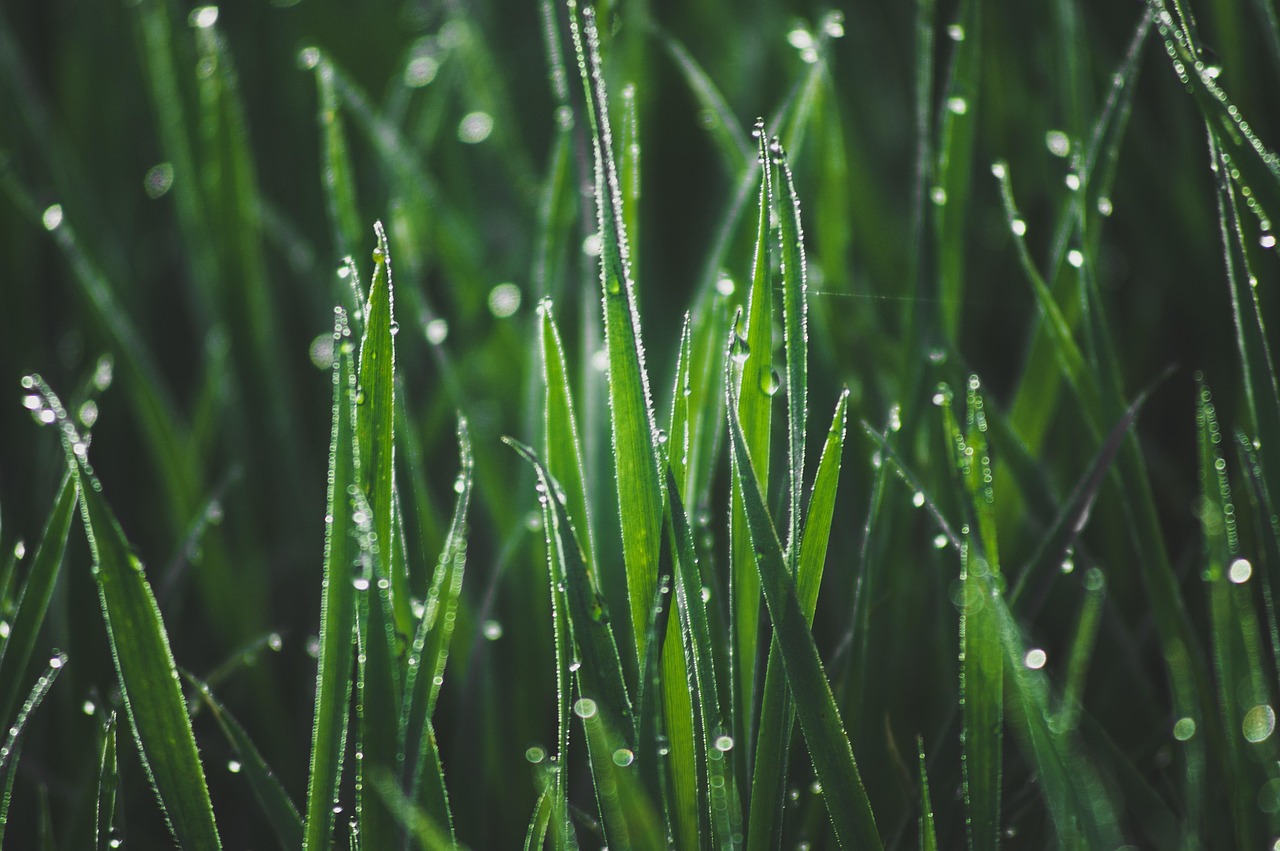
You step out onto your lawn, expecting a uniform carpet of green, only to be met with an unwelcome sight: distinct patches of grass that are noticeably darker, almost a vibrant, unnatural shade of green. These dark green spots in grass can be perplexing, marring the otherwise consistent aesthetic of your yard. While they might seem like a minor cosmetic issue, these darker patches often signal an underlying problem that, if left unaddressed, could impact the overall health and appearance of your lawn.
From common household occurrences like pet urine to more complex issues such as nutrient imbalances or fungal activity, understanding the root cause of these mysterious dark green patches is the first step toward achieving a truly lush and even lawn. This comprehensive guide will delve into the various reasons why your grass might be sporting these darker spots, provide practical advice on how to diagnose the problem, and offer effective solutions to restore your lawn to its pristine condition. Get ready to transform your patchy lawn into a uniform expanse of healthy, vibrant green!
Understanding Dark Green Spots in Your Lawn
The appearance of dark green spots in grass can be quite puzzling for homeowners. While some might initially think it’s a sign of a super-healthy patch, it’s usually an indicator of an imbalance. These spots stand out because the surrounding grass is often lighter, making the contrast stark. Identifying the specific cause is crucial for effective treatment.
What Causes Dark Green Spots?
Several factors can lead to these distinct patches of darker grass. Understanding each potential culprit will help you narrow down the possibilities in your own yard.
- Pet Urine: The Double-Edged Sword: Perhaps the most common reason for dark green patches in lawn is pet urine, especially from dogs. Dog urine is rich in nitrogen. In small, concentrated doses, nitrogen acts like a potent fertilizer, causing the grass to grow rapidly and turn a darker shade of green. However, too much nitrogen can burn the grass, leading to a dead brown patch with a dark green ring around it where the nitrogen was diluted.
- Localized Fertilizer Spills or Over-Application: Accidentally dropping a handful of fertilizer in one spot or overlapping passes with a spreader can lead to an excessive concentration of nutrients. Like pet urine, a high dose of nitrogen or other nutrients will cause the grass in that specific area to grow more vigorously and become a deeper green. If the concentration is too high, it can also lead to fertilizer burn, similar to severe pet urine damage.
- Fungal Diseases: Believe it or not, some fungal diseases can cause grass to appear darker green. For instance, certain types of fungus can affect the grass’s ability to absorb water and nutrients uniformly, sometimes leading to areas that look overly lush before eventually dying off. More often, fungus causes discolored patches, but early stages or specific types might manifest as darker spots.
- Soil pH Imbalances: Soil pH affects nutrient availability. A localized area with a slightly different pH than the rest of the lawn might allow certain nutrients, like iron or nitrogen, to be more readily available to the grass roots, resulting in a darker green color. This can happen due to spills of household products, uneven liming, or natural variations in soil composition.
- Compaction and Overwatering: While less common as a direct cause of “dark green spots,” areas with poor drainage or compacted soil can sometimes paradoxically appear darker if they retain moisture and nutrients more effectively than surrounding, drier areas. This can be a subtle effect, but worth considering, especially if the spots are in high-traffic or low-lying areas.
Diagnosing the Problem: A Step-by-Step Guide
Pinpointing the exact cause of dark green spots on grass requires a bit of detective work. By systematically observing your lawn and considering recent activities, you can often identify the culprit.
Observe the Pattern and Location
- Circular Spots: If the dark green spots are relatively small and circular, especially with a possible brown center (or a history of one), pet urine is a strong suspect. These are often found near pathways or common pet relief areas.
- Irregular Patches: Larger, more irregular dark green patches often point to fertilizer issues. Think about where you started or stopped spreading fertilizer, or if any bags were left open on the lawn.
- Random Distribution: If the spots are scattered seemingly at random, without a clear pattern, it might suggest a localized soil pH issue, a fungal problem, or perhaps isolated spills of other nutrient-rich liquids.
- Shaded Areas: Patches that consistently appear in shaded or poorly drained areas might indicate a moisture or compaction issue, which could indirectly lead to darker growth if nutrients are concentrated.
Check the Soil
A simple visual and tactile inspection can tell you a lot. Dig up a small core sample from a dark green spot and a healthy area nearby. Compare:
- Moisture Levels: Is the soil in the dark spot significantly wetter or drier?
- Compaction: Is the soil noticeably harder or softer?
- Odor: Any unusual smells (e.g., ammonia from excessive nitrogen)?
- Soil Test: For a definitive answer, especially regarding pH and nutrient levels, a soil test kit is invaluable. This will tell you if there are localized nutrient excesses or deficiencies contributing to the problem.
Consider Recent Activities
- Fertilization Schedule: When was the last time you fertilized? Did you use a spreader, or hand-apply? Any spills?
- Pet Habits: Do you have pets? Where do they typically relieve themselves?
- Chemical Applications: Have you used any weed killers, pesticides, or other lawn treatments recently that might have inadvertently caused this?
- Irrigation: Are certain zones of your sprinkler system delivering more water than others?
Effective Solutions for Dark Green Patches
Once you’ve identified the likely cause of your dark green spots in grass, you can implement targeted solutions to restore uniformity to your lawn.
Addressing Pet Urine Damage
- Immediate Dilution: If you see your pet urinate, immediately douse the spot with several gallons of water. This dilutes the nitrogen and prevents scorching.
- Repairing Damaged Spots: For existing brown spots with dark green rings, you’ll need to repair the area. Rake out dead grass, add fresh topsoil, and reseed with a suitable grass type. There are also dog spot repair kits available that contain seed, mulch, and soil amendments.
- Pet Training & Products: Train pets to use a specific area, or consider products that neutralize urine nitrates in their diet (consult a vet first) or lawn treatments designed to mitigate urine damage.
Correcting Fertilizer Issues
- Dilution: For fresh fertilizer spills, heavily water the area to dilute the concentrated nutrients and wash them deeper into the soil, away from the root zone.
- Repair: For burned spots, rake out dead grass, add fresh topsoil, and reseed.
- Even Application: In the future, always use a calibrated spreader and follow application rates precisely. Walk at a consistent pace and avoid overlapping.
Managing Fungal Problems
- Identify the Fungus: If you suspect fungus, try to identify the specific type (e.g., Dollar Spot, Brown Patch) as treatments can vary. Local extension offices can help.
- Fungicides: Apply a suitable lawn fungicide according to product instructions.
- Cultural Practices: Improve air circulation, avoid overwatering (especially in the evening), dethatch regularly, and ensure proper mowing height to reduce fungal risk.
Balancing Soil pH
- Soil Test First: Always perform a soil test to confirm pH imbalances.
- Adjust pH: If the pH is too low (acidic), apply lime. If it’s too high (alkaline), apply elemental sulfur. Follow product recommendations carefully. It may take time to see results.
Improving Soil Health
- Aeration: For compacted areas, aerating your lawn (pulling soil plugs) will improve drainage, air circulation, and nutrient penetration, leading to more uniform growth.
- Topdressing: Applying a thin layer of compost or nutrient-rich topsoil can gradually improve overall soil structure and nutrient availability, reducing localized imbalances.
- Proper Watering: Ensure your entire lawn receives consistent, deep watering rather than shallow, frequent sprinkles.
Preventative Measures for a Uniform Lawn
Prevention is always better than cure. By adopting good lawn care practices, you can significantly reduce the likelihood of developing dark green spots in grass.
Proper Fertilization
- Calibrate Your Spreader: Before each use, ensure your spreader is properly calibrated for the product you’re applying.
- Apply Evenly: Use a consistent walking speed and follow a pattern to avoid overlaps and missed spots. Consider using a granular fertilizer for easier, more controlled application.
- Follow Directions: Never exceed the recommended application rates on the fertilizer package. More is not always better.
Smart Watering
- Deep and Infrequent: Water deeply to encourage strong root growth, but less frequently to allow the soil to dry out slightly between waterings. This discourages fungal growth.
- Morning Watering: Water early in the morning so the grass blades have time to dry before nightfall, further reducing fungal risk.
- Address Drainage: Improve drainage in consistently wet areas to prevent waterlogging and potential nutrient pooling.
Regular Maintenance
- Mow at the Right Height: Mow at the highest recommended height for your grass type. Taller grass shades the soil, reducing weed growth and moisture loss, and promotes deeper roots.
- Dethatch and Aerate: Periodically dethatch (remove built-up organic matter) and aerate your lawn to improve soil health and nutrient exchange.
- Monitor Your Lawn: Regularly inspect your lawn for early signs of problems, whether they are pests, diseases, or nutrient issues.
Pet Management
- Designated Potty Area: If possible, train your pets to use a specific, non-lawn area for urination.
- Hydration: Ensure your dog is well-hydrated, as diluted urine causes less damage.
- Rinse Immediately: If your pet uses the lawn, try to rinse the area with water immediately afterward.
Recommended Products
Luster Leaf 1601 Rapitest Soil Test Kit
Essential for diagnosing nutrient deficiencies or excesses and checking soil pH. This kit provides quick results to guide your lawn care decisions.
Scotts EZ Seed Dog Spot Repair Sun and Shade
A convenient all-in-one product for repairing brown spots caused by pet urine. Contains grass seed, fertilizer, and mulch for quick results.
Spectracide Immunox Fungus Plus Insect Control
An effective solution for controlling common lawn diseases like brown patch and dollar spot, which can sometimes manifest as discolored or overly lush patches.
Scotts Wizz Spreader
A handheld broadcast spreader perfect for small to medium-sized lawns, ensuring even application of granular fertilizers and seeds to prevent dark green spots from uneven distribution.
Frequently Asked Questions About Dark Green Spots In Grass
Q1: Are dark green spots always a bad sign for my lawn?
Not always, but they are almost always a sign of an imbalance. While a temporary boost from a small amount of nitrogen might make grass look healthier, sustained dark green spots often indicate an excessive concentration of nutrients (like from pet urine or fertilizer spills) that could eventually harm the grass or indicate a localized problem like disease or pH imbalance. It’s best to investigate to ensure the overall health of your lawn.
Q2: How quickly can I fix dark green spots caused by fertilizer or pet urine?
The speed of recovery depends on the severity of the issue. For fresh fertilizer spills or pet urine, immediate dilution with water can prevent damage and the dark green appearance. If the grass has already turned dark green and is not burned, it may eventually blend in as the nutrients dissipate. If it’s a burned spot with a dark green ring, repairing the area with new soil and seed can show results in a few weeks, depending on grass growth conditions.
Q3: Can too much water cause dark green spots in grass?
Directly, no. Too much water usually leads to yellowing, fungal growth, or root rot. However, areas that are consistently overwatered or poorly drained can sometimes create microclimates where certain nutrients become more available or concentrated, potentially leading to slightly darker growth. This is often an indirect effect, and poor drainage itself is a problem that needs addressing.
Q4: What’s the best way to prevent pet urine spots on my lawn?
Prevention involves several strategies. Training your dog to use a specific, non-lawn area is ideal. Immediately dousing urine spots with water can dilute the nitrogen. Some dog owners also try dietary supplements that reduce nitrogen concentration in urine (consult a vet first). Maintaining a well-hydrated dog can also help dilute the urine naturally. Lastly, using urine-resistant grass varieties or installing a small gravel patch for your pet can be effective long-term solutions.
Q5: When should I call a professional for dark green patches?
If you’ve tried various diagnostic and treatment methods without success, or if the dark green spots are widespread, increasing, or accompanied by other worrying symptoms (like unusual growth patterns, rapid decline, or signs of severe disease), it might be time to call a professional lawn care service. They have specialized equipment and expertise to conduct advanced soil tests, identify specific diseases, and apply targeted treatments that might be unavailable to homeowners.
Conclusion
Discovering dark green spots in grass can be frustrating, but it’s a common issue that many homeowners face. The good news is that with a little observation, diagnosis, and targeted action, you can effectively address these unsightly patches and restore your lawn to its uniform, vibrant best. Remember, these spots are often a localized signal that something in your lawn’s environment is out of balance, whether it’s an excess of nutrients from pet urine or fertilizer, a pH irregularity, or even the early stages of a fungal issue.
By understanding the potential causes, methodically diagnosing the problem, and applying the appropriate solutions – from immediate dilution and repair to long-term preventative measures like proper fertilization and watering techniques – you can maintain a healthier, more beautiful lawn. Don’t let those dark green patches diminish your curb appeal. Take these steps to ensure your grass grows uniformly green and lush, making your yard the envy of the neighborhood. A consistent, healthy lawn is within your reach!
“`