Understanding Common Skin Blemishes: Dark Spots, Skin Tags, Tattoos, and Warts
Before diving into removal methods, it’s crucial to understand what each of these skin issues entails. Knowing their characteristics and causes can help you choose the most appropriate remover solution.Dark Spots (Hyperpigmentation)
Dark spots, medically known as hyperpigmentation, are areas of skin that become darker than the surrounding skin. This darkening occurs when there’s an overproduction of melanin, the pigment responsible for skin color. Common types include:- Sun Spots (Lentigines): Caused by prolonged sun exposure, often appearing on sun-exposed areas like the face, hands, and chest. They are typically flat and light brown to black.
- Melasma: Characterized by larger patches of hyperpigmentation, often triggered by hormonal changes (e.g., pregnancy, birth control pills) combined with sun exposure. Commonly appears on the face.
- Post-Inflammatory Hyperpigmentation (PIH): Dark spots that appear after skin inflammation or injury, such as acne, eczema, or cuts. They can range from pink to red, brown, or black, depending on skin tone.
Skin Tags (Acrochordons)
Skin tags are small, soft, benign growths that commonly appear on the neck, armpits, groin, and eyelids. They are typically flesh-colored or slightly darker and often hang off the skin by a tiny stalk. While harmless, they can be irritated by clothing or jewelry, leading to discomfort. The exact cause of skin tags is not fully understood, but they are often associated with:- Friction (skin rubbing against skin or clothing)
- Obesity
- Diabetes
- Pregnancy
- Genetics
Unwanted Tattoos
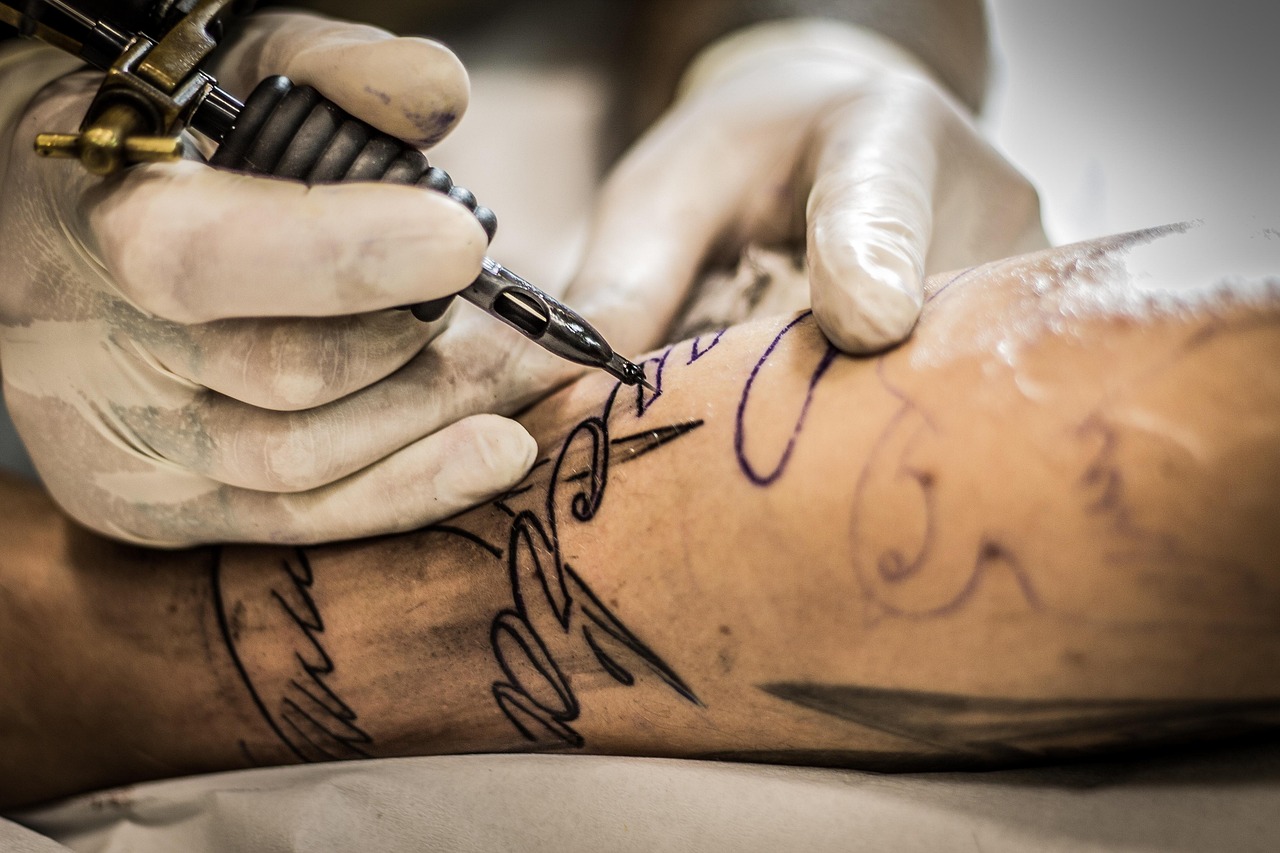
A tattoo is a permanent mark or design made on the skin by inserting pigment into the skin’s dermal layer. While once considered permanent, advancements in technology have made tattoo removal increasingly effective. People seek tattoo removal for various reasons:- Changes in personal taste or lifestyle
- Career requirements
- Fading or poor quality of the original tattoo
- Emotional reasons related to past relationships or memories
Warts (Verrucas)
Warts are small, rough growths on the skin caused by the human papillomavirus (HPV). They can appear anywhere on the body but are most common on the hands, feet, and face. Warts are contagious and can spread through direct contact or by touching contaminated surfaces. Different types of warts include:- Common Warts: Rough, grainy bumps, often on fingers and hands.
- Plantar Warts: Grow on the soles of the feet, often flat and painful when walking.
- Flat Warts: Small, smooth, and flat, often appearing in clusters on the face, arms, or legs.
- Filiform Warts: Small, long, and narrow growths, often around the eyelids or lips.
The Quest for the Best Dark Spot Skin Tag Tattoo Wart Remover Solutions
The market offers a diverse range of solutions, from DIY options to professional medical procedures. Your choice will depend on the type of blemish, its size, location, and your personal preferences for cost, time, and invasiveness.Over-the-Counter (OTC) Solutions
Many people start with readily available OTC products, which can be effective for minor blemishes.- For Dark Spots:
- Topical Creams & Serums: Look for ingredients like hydroquinone (prescription strength often required for significant results), vitamin C, niacinamide, alpha hydroxy acids (AHAs), beta hydroxy acids (BHAs), and retinol. These work by inhibiting melanin production, exfoliating the skin, or promoting cell turnover.
- Pros: Convenient, less expensive than professional treatments, can be used at home.
- Cons: Slower results, may not be effective for deep or stubborn spots, potential for irritation.
- For Skin Tags:
- Freezing Kits (Cryotherapy): These kits typically use a can of compressed gas to freeze off skin tags, similar to a dermatologist’s procedure but at a lower intensity.
- Banding Kits: Involves placing a small band around the base of the skin tag to cut off its blood supply, causing it to fall off.
- Pros: Can be effective for small skin tags, done at home.
- Cons: May require multiple applications, can cause discomfort or scarring if not used properly, not suitable for large or sensitive-area tags.
- For Warts:
- Salicylic Acid: Available in patches, gels, and liquids, salicylic acid works by softening the wart and peeling away layers of skin.
- OTC Freezing Kits: Similar to skin tag freezing kits, these use a cold spray to destroy wart tissue.
- Pros: Widely available, generally safe for most warts, affordable.
- Cons: Requires consistent application over several weeks/months, may not be effective for all wart types, can irritate surrounding skin.
- For Tattoos:
- Tattoo Fading Creams: These creams claim to fade tattoos over time using ingredients like exfoliating acids.
- Pros: Non-invasive, affordable.
- Cons: Generally considered ineffective for significant tattoo removal, may only lighten tattoos slightly, often requires long-term use with minimal results. Expectation management is key here; these are NOT a true tattoo remover.
Professional Treatments
For more stubborn, larger, or numerous blemishes, professional intervention by a dermatologist or licensed aesthetician is often the most effective route.- For Dark Spots:
- Chemical Peels: Medical-grade peels use stronger acids to exfoliate the top layers of skin, revealing fresher, less pigmented skin beneath.
- Laser Therapy: Various lasers (e.g., Q-switched, fractional, IPL) target melanin directly, breaking it down without damaging surrounding tissue.
- Microdermabrasion/Microneedling: Exfoliate the skin and stimulate collagen production, improving skin tone and texture.
- Pros: Highly effective, faster results than OTC, can treat deep pigmentation.
- Cons: More expensive, may require multiple sessions, potential for downtime, risk of side effects like redness or temporary darkening.
- For Skin Tags:
- Cryotherapy: Dermatologists use liquid nitrogen to freeze and destroy the skin tag.
- Surgical Excision: The skin tag is snipped off with sterile scissors or a scalpel. This is a quick and effective skin tag remover.
- Electrocautery: Heat from an electric current is used to burn off the skin tag.
- Pros: Quick, effective, usually done in one visit, minimal scarring.
- Cons: Minor discomfort during the procedure, potential for temporary redness or scabbing.
- For Tattoos:
- Laser Removal: The gold standard for tattoo removal. Lasers break down the tattoo ink into tiny particles that the body’s immune system clears away. Q-switched and Picosecond lasers are most common.
- Surgical Excision: Small tattoos can be cut out, and the skin stitched closed.
- Dermabrasion: Involves sanding down the top layers of skin, but generally less effective and more abrasive than laser.
- Pros: Most effective method, can remove most tattoos completely, safe when performed by a professional.
- Cons: Expensive, requires multiple sessions (6-15+), can be painful, potential for scarring or pigment changes. This is the most reliable tattoo remover.
- For Warts:
- Cryotherapy: Liquid nitrogen applied by a doctor is more potent than OTC kits.
- Electrocautery/Curettage: Burning or scraping off the wart.
- Laser Therapy: Used for stubborn warts, the laser destroys the wart tissue.
- Prescription Topicals: Stronger acids or immune-modulating creams (e.g., imiquimod).
- Pros: Highly effective, faster resolution, suitable for stubborn or large warts.
- Cons: Can be uncomfortable, may require multiple visits, potential for scarring.
Natural & Home Remedies (Use with Caution)
While many anecdotal remedies exist, their scientific efficacy is often limited, and some carry risks.- For Dark Spots: Lemon juice (photosensitivity risk), apple cider vinegar (irritation), aloe vera (mild lightening).
- For Skin Tags: Apple cider vinegar (can irritate skin, limited efficacy), tea tree oil (antiseptic, but not a direct skin tag remover).
- For Warts: Duct tape occlusion (some evidence, but inconsistent), banana peel (anecdotal).
- For Tattoos: No effective natural or home remedy for true tattoo removal.
Choosing the Right Dark Spot Skin Tag Tattoo Wart Remover Method
Making the best choice requires careful consideration of several factors tailored to your specific situation.Factors to Consider
- Type and Severity of Blemish: Small, new dark spots might respond to OTC creams, while deep melasma needs professional laser treatment. Tiny skin tags might be removed at home, but larger ones or those in sensitive areas are best handled by a doctor.
- Location: Blemishes on sensitive areas (e.g., eyelids, genitals) or highly visible areas (e.g., face) often warrant professional care to minimize scarring and complications.
- Skin Type and Tone: Certain treatments, especially lasers, need to be carefully selected for darker skin tones to avoid hyperpigmentation or hypopigmentation.
- Pain Tolerance: Some procedures are more uncomfortable than others. Discuss pain management options with your provider.
- Cost and Budget: OTC products are generally cheaper, while professional treatments represent a greater investment, often requiring multiple sessions.
- Desired Outcome and Expectations: Be realistic. Complete removal of a large, old tattoo is a significant undertaking, and even the best dark spot remover may not achieve 100% uniformity.
When to Consult a Professional
It’s always wise to consult a dermatologist if:- You are unsure about the diagnosis of a skin lesion (especially if it’s changing in size, shape, or color).
- The blemish is large, painful, bleeding, or inflamed.
- Home remedies or OTC products have been ineffective.
- You want the most effective and safest removal method with minimal scarring.
- You have sensitive skin or a history of adverse reactions to skin products.
Recommended Products
While professional treatments offer the most dramatic results, many effective over-the-counter options can help manage and reduce the appearance of dark spots, skin tags, and warts. Here are a few highly-rated products that align with the discussion above:Neutrogena Rapid Tone Repair Dark Spot Corrector
A popular choice for dark spots, this serum combines Vitamin C, Retinol SA, and Hyaluronic Acid to visibly reduce the look of dark spots and discoloration for a more even skin tone. It’s often praised for its ability to show results relatively quickly.Compound W Freeze Off Wart Remover
An effective at-home cryotherapy treatment for common and plantar warts. This product uses a similar method to what dermatologists use, freezing the wart on contact to destroy the tissue. It’s designed for ease of use and typically requires one or two applications.Dr. Scholl’s Clear Away Wart Remover
Featuring maximum strength salicylic acid, these medicated discs are a classic and highly effective solution for removing common and plantar warts. The acid works to gradually remove the wart, while the cushioning protects the surrounding skin and alleviates pressure.Magefy Skin Tag Remover Patches
These patches offer a discrete and gentle way to address skin tags. They typically work by drying out the skin tag over several days or weeks, causing it to shrink and fall off without pain. Ideal for smaller skin tags on various body parts.Please note: Tattoo fading creams are generally not recommended for effective tattoo removal. For significant tattoo removal, professional laser treatment is the most effective method. Always consult product instructions and consider patch testing before full application.