
Dark spots on the bikini line can be a source of frustration and self-consciousness for many. Often referred to as post-inflammatory hyperpigmentation (PIH), these discolorations are common, especially in areas prone to friction and irritation. If you’ve ever wondered how to get rid of dark spots on bikini line, you’re not alone. This comprehensive guide is designed to empower you with the knowledge and practical strategies needed to achieve smoother, more even-toned skin in your intimate areas.
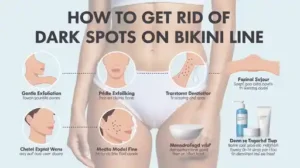
From understanding the root causes of these stubborn marks to exploring effective home remedies, over-the-counter solutions, and professional treatments, we’ll cover everything you need to know. We’ll also delve into crucial prevention tips to stop dark spots before they even appear. Get ready to transform your skincare routine and boost your confidence by learning the best ways to tackle and prevent hyperpigmentation in the bikini area.
Understanding Dark Spots on the Bikini Line: The Root Causes
Before diving into solutions, it’s essential to understand what causes dark spots on the bikini line. The primary culprit is often post-inflammatory hyperpigmentation (PIH), a common skin condition where the skin produces excess melanin (pigment) after experiencing inflammation or injury. The bikini area is particularly susceptible due to various factors:
- Hair Removal Methods: Shaving, waxing, epilating, and even plucking can cause micro-traumas to the skin. This irritation triggers an inflammatory response, leading to PIH. Ingrown hairs, a frequent consequence of these methods, also cause inflammation and subsequent darkening.
- Friction: Tight clothing, especially underwear or swimwear, can cause constant rubbing against the skin. This chronic friction can lead to irritation and darkening over time, similar to how chafing can cause discoloration.
- Sun Exposure: While often covered, the bikini line can still be exposed to UV rays, especially during swimwear use. Sun exposure can worsen existing dark spots and trigger new ones by stimulating melanin production.
- Hormonal Changes: Less common for localized bikini line spots, but hormonal fluctuations (e.g., during pregnancy or due to certain medications) can sometimes contribute to hyperpigmentation in various body areas, including the groin.
- Skin Type: Individuals with darker skin tones are naturally more prone to PIH because their skin produces more melanin. Even minor irritation can result in noticeable dark spots.
Identifying the specific cause in your case is the first step towards effectively addressing and preventing these dark spots.
Prevention is Key: Stop Dark Spots Before They Start
The best way to deal with dark spots is to prevent them from forming in the first place. Adopting a mindful approach to your skincare and hair removal routine can significantly reduce the likelihood of developing hyperpigmentation in the bikini area. Here’s how to prevent dark spots on bikini line:
Gentle Hair Removal Techniques
Your hair removal method is a major factor. Prioritize techniques that minimize irritation:
- Shaving Smart:
- Always use a sharp, clean razor. Dull blades tug at the hair, causing more irritation.
- Shave in the direction of hair growth, not against it, to reduce ingrown hairs and razor bumps.
- Use a generous amount of shaving cream or gel, and ensure your skin is wet and warm.
- Rinse the razor frequently and apply a soothing, fragrance-free moisturizer immediately after shaving.
- Consider Alternatives: If shaving consistently causes irritation, explore other methods like sugaring, threading, or laser hair removal. These can be less irritating for some individuals over time.
- Exfoliate Gently: Regular, gentle exfoliation 2-3 times a week can help prevent ingrown hairs and remove dead skin cells that contribute to dullness and uneven tone. Look for mild chemical exfoliants (like those with AHAs or BHAs) rather than harsh physical scrubs.
Protect Your Skin
- Wear Loose Clothing: Opt for breathable, loose-fitting underwear and clothing, especially after hair removal. This reduces friction and allows the skin to breathe, minimizing irritation.
- Moisturize Regularly: Keep the skin hydrated with a gentle, fragrance-free moisturizer. Well-hydrated skin is healthier and more resilient to irritation.
- Sun Protection: If the area is exposed to the sun (e.g., while at the beach), apply a broad-spectrum sunscreen with at least SPF 30. This is crucial for preventing existing dark spots from getting darker and new ones from forming.
Effective Home Remedies to Fade Dark Spots
For those looking for natural ways to lighten dark spots, several home remedies can be helpful. Remember that consistency is key, and results may vary. Always do a patch test first to ensure no adverse reactions.
- Aloe Vera: Known for its soothing and healing properties, aloe vera can help reduce inflammation and promote skin regeneration. Apply fresh aloe vera gel directly to the affected area daily.
- Lemon Juice (Use with Caution): Lemon juice contains natural bleaching agents (citric acid) that can lighten skin. However, it is highly acidic and can cause irritation or photosensitivity. If you choose to use it, dilute it with water (1:1 ratio), apply for 10-15 minutes, then rinse thoroughly. Never expose skin treated with lemon juice to the sun.
- Potato Slices: Potatoes contain catecholase, an enzyme believed to have skin-lightening properties. Cut a thin slice of potato and rub it gently on the dark spots for a few minutes, then rinse.
- Yogurt and Honey Mask: Yogurt contains lactic acid (an AHA) and honey has anti-inflammatory and moisturizing properties. Mix a tablespoon of plain yogurt with a teaspoon of honey, apply as a mask, leave for 15-20 minutes, then rinse.
- Turmeric Paste: Turmeric is a powerful antioxidant and anti-inflammatory agent. Mix turmeric powder with a little milk or yogurt to form a paste. Apply for 10-15 minutes, then rinse. Be aware that turmeric can temporarily stain skin or clothing yellow.
Over-the-Counter Products for Hyperpigmentation
When home remedies aren’t enough, or if you prefer a more targeted approach, several over-the-counter (OTC) skincare products can effectively address dark spots on the bikini line. Look for products containing these active ingredients:
- Niacinamide (Vitamin B3): Helps reduce the transfer of melanin to skin cells, improving skin tone and barrier function.
- Vitamin C (Ascorbic Acid): A potent antioxidant that brightens skin, inhibits melanin production, and boosts collagen.
- Alpha Arbutin/Kojic Acid: Both are natural skin brighteners that inhibit tyrosinase, an enzyme crucial for melanin production.
- Azelaic Acid: Reduces inflammation and inhibits tyrosinase activity, making it excellent for PIH, especially for those with sensitive skin.
- AHAs (Alpha Hydroxy Acids) like Glycolic Acid, Lactic Acid: These gently exfoliate the skin, helping to shed pigmented cells and promote new, brighter skin growth. Start with lower concentrations and use sparingly in sensitive areas.
- BHAs (Beta Hydroxy Acids) like Salicylic Acid: Ideal for preventing ingrown hairs and breakouts, which can lead to dark spots. It’s oil-soluble, allowing it to penetrate pores.
How to use OTC products safely:
- Patch Test: Always test a new product on a small, inconspicuous area of your skin for 24-48 hours before applying it to the entire bikini line.
- Start Slowly: Begin by using products a few times a week, gradually increasing frequency as your skin tolerates it.
- Moisturize: Follow up with a gentle, hydrating moisturizer to prevent dryness and irritation, especially when using active ingredients.
- Be Patient: Fading dark spots takes time. Consistent use for several weeks or even months is often required to see significant results.
When to See a Professional
If your dark spots are stubborn, don’t respond to home remedies or OTC products, or if you’re concerned about their appearance, it might be time to consult a dermatologist. Professionals can offer stronger treatments and provide personalized advice for your skin type and concerns.
Professional treatments may include:
- Prescription-strength topical creams: Containing ingredients like hydroquinone (often used short-term under supervision), retinoids, or higher concentrations of AHAs.
- Chemical Peels: Dermatologist-administered peels use stronger acids to exfoliate the skin and promote cell turnover, effectively reducing hyperpigmentation.
- Laser Therapy: Various lasers (e.g., Q-switched, picosecond, fractional lasers) can target melanin in the skin, breaking up pigment and promoting a more even tone. This is often a highly effective option but requires multiple sessions and can be more costly.
Recommended Products
To help you on your journey to smoother, more even-toned skin, here are some product suggestions known for their gentle yet effective formulations. Remember to always patch test and introduce new products slowly.
CeraVe Hydrating Facial Cleanser
A gentle, non-foaming cleanser that effectively cleanses without stripping the skin’s natural moisture barrier, perfect for sensitive areas.
The Ordinary Glycolic Acid 7% Toning Solution
A mild AHA exfoliant that helps shed dead skin cells and improve skin texture and tone. Use sparingly on the bikini line and patch test carefully.
Paula’s Choice 2% BHA Liquid Exfoliant
Known for its ability to penetrate oil, this BHA helps unclog pores, reduce ingrown hairs, and can improve the appearance of dark spots.
The Ordinary Alpha Arbutin 2% + HA
A highly concentrated serum with Alpha Arbutin, a gentle yet effective ingredient for reducing the look of dark spots and hyperpigmentation.
Vanicream Moisturizing Cream
A rich, non-greasy, and fragrance-free cream that provides long-lasting hydration, essential for soothing and repairing sensitive skin after treatment.
EltaMD UV Clear Broad-Spectrum SPF 46
A lightweight, oil-free sunscreen that protects sensitive skin from UVA/UVB rays, vital for preventing dark spots from worsening and new ones from forming.
Frequently Asked Questions About Dark Spots on Bikini Line
Q1: How long does it take to get rid of dark spots on the bikini line?
A1: The time it takes to fade dark spots varies greatly depending on their severity, your skin type, and the consistency of your treatment. Mild spots might show improvement in 4-6 weeks with consistent use of OTC products, while deeper or older spots could take several months or even longer. Professional treatments might yield faster results, but patience and persistence are always key.
Q2: Can shaving make dark spots worse?
A2: Yes, improper shaving techniques are a common cause of dark spots on the bikini line. Shaving against the grain, using dull razors, or dry shaving can lead to razor bumps, ingrown hairs, and micro-cuts, all of which trigger post-inflammatory hyperpigmentation. Adopting a gentle shaving routine is crucial to prevent exacerbating existing spots and forming new ones.
Q3: Is lemon juice safe to use on the bikini line for dark spots?
A3: While lemon juice is a popular home remedy, it should be used with extreme caution on sensitive areas like the bikini line. Its high acidity can cause irritation, dryness, or even chemical burns, especially on sensitive skin. It also makes your skin highly photosensitive. If you choose to use it, always dilute it significantly with water and perform a patch test first. Avoid sun exposure after application.
Q4: What’s the best ingredient for dark spots on sensitive skin in the bikini area?
A4: For sensitive skin, look for ingredients like Niacinamide (Vitamin B3), Alpha Arbutin, and Azelaic Acid. These are generally well-tolerated and effective at inhibiting melanin production without causing excessive irritation. Gentle chemical exfoliants like Lactic Acid (an AHA) in low concentrations can also be beneficial, but always start slowly and monitor your skin’s reaction.
Q5: Can I prevent dark spots from coming back after they’ve faded?
A5: Absolutely! Prevention is crucial for long-term success. Once your dark spots have faded, maintain a consistent routine of gentle hair removal, regular but mild exfoliation, daily moisturizing, and strict sun protection (if the area is exposed). Wearing loose, breathable clothing can also significantly help reduce friction and irritation, keeping future dark spots at bay.
Conclusion
Dealing with dark spots on the bikini line can be a journey, but with the right knowledge and consistent effort, achieving smoother, more even-toned skin is entirely possible. Remember that understanding the cause, whether it’s irritation from hair removal or friction, is the first step towards effective treatment.
We’ve explored a range of strategies, from gentle prevention tips and natural home remedies to potent over-the-counter ingredients and professional interventions. The key is to be patient, consistent, and attentive to your skin’s needs. What works for one person might not work for another, so don’t be afraid to experiment gently and find the routine that best suits you.
Prioritize skin health over quick fixes, always perform patch tests, and consider consulting a dermatologist for stubborn concerns. By integrating these practices into your self-care routine, you’ll be well on your way to confidently showcasing the beautiful, healthy skin you deserve. Take control, stay consistent, and embrace your journey to a more radiant bikini line!