
Do you find yourself staring in the mirror, wishing those pesky dark spots would simply vanish? You’re not alone. Skin care dark spot concerns are among the most common dermatological complaints, affecting millions of people worldwide. These areas of discoloration, often referred to as hyperpigmentation, can range from small freckle-like spots to larger patches, diminishing the evenness and luminosity of your complexion. While they’re generally harmless, dark spots can significantly impact your self-confidence and the overall appearance of your skin.
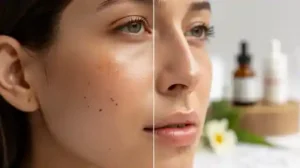
The journey to clearer, more radiant skin often feels overwhelming, with countless products and treatments promising quick fixes. But understanding the root causes and the science behind effective solutions is the first step toward achieving lasting results. This comprehensive guide will demystify the world of skin care dark spot treatments, exploring everything from their origins to the most potent ingredients and practical routines. Get ready to uncover the secrets to a brighter, more uniform skin tone and empower yourself with the knowledge to tackle hyperpigmentation head-on.
What Are Dark Spots and Why Do They Appear?
Before diving into solutions, it’s crucial to understand what dark spots are and why they form. Dark spots are essentially areas where the skin produces too much melanin, the pigment that gives skin its color. This overproduction leads to localized patches of discoloration, making them appear darker than the surrounding skin.
Understanding Hyperpigmentation
Hyperpigmentation is the medical term for dark spots. It’s not a single condition but rather a broad category encompassing various types of skin discoloration. The common thread is the excessive production and uneven distribution of melanin by melanocytes, the cells responsible for pigment production. When these cells are stimulated or damaged, they can go into overdrive, resulting in the visible spots we often try to conceal.
Common Causes of Dark Spots
Understanding the triggers for dark spots is key to both treating and preventing them. Here are the most prevalent causes:
- Sun Exposure: This is by far the most common culprit. UV radiation stimulates melanocytes to produce more melanin as a protective mechanism. Over time, this can lead to sunspots, age spots (solar lentigines), and a general darkening of existing hyperpigmentation.
- Post-Inflammatory Hyperpigmentation (PIH): This occurs after an injury or inflammation to the skin. Think about those lingering dark marks after a breakout of acne, a cut, a burn, or even vigorous exfoliation. As the skin heals, it sometimes leaves behind a dark spot due to melanin overproduction in the affected area.
- Melasma: Often called the “mask of pregnancy,” melasma is characterized by larger patches of hyperpigmentation, typically on the face (forehead, cheeks, upper lip). It’s primarily triggered by hormonal fluctuations (pregnancy, birth control pills, hormone replacement therapy) combined with sun exposure.
- Age Spots (Solar Lentigines): As we age, our skin’s ability to regulate melanin production can diminish, making us more susceptible to dark spots, especially on areas frequently exposed to the sun like the face, hands, and décolletage.
- Certain Medications: Some medications, like certain antibiotics, anti-malarials, and even some chemotherapy drugs, can cause hyperpigmentation as a side effect.
The Science Behind Skin Care Dark Spot Treatments
Effective skin care dark spot treatments work by targeting the melanin production process, promoting cell turnover, or reducing inflammation. Let’s explore the powerhouse ingredients you should look for.
Key Ingredients to Look For
When selecting products, keep an eye out for these scientifically-backed ingredients:
- Vitamin C (Ascorbic Acid): A potent antioxidant that brightens the skin, inhibits melanin production, and protects against free radical damage. It’s a staple in many brightening serums.
- Niacinamide (Vitamin B3): Reduces inflammation, improves skin barrier function, and helps prevent the transfer of melanin from melanocytes to skin cells, thereby reducing the appearance of dark spots.
- Alpha Hydroxy Acids (AHAs) – Glycolic Acid, Lactic Acid: These exfoliants work by loosening the bonds between dead skin cells, promoting a faster cell turnover rate. This helps shed pigmented cells and reveals fresher, brighter skin underneath.
- Beta Hydroxy Acids (BHAs) – Salicylic Acid: Ideal for oily and acne-prone skin, BHAs penetrate oil to exfoliate within the pores, helping to prevent and treat PIH from breakouts.
- Retinoids (Retinol, Tretinoin): Derivatives of Vitamin A, retinoids accelerate cell turnover, helping to push new, unpigmented cells to the surface faster. Prescription-strength tretinoin is particularly effective for stubborn dark spots and melasma.
- Hydroquinone: Considered the gold standard for depigmenting, hydroquinone works by inhibiting the enzyme tyrosinase, which is essential for melanin production. It’s highly effective but often requires a prescription and should be used under dermatological guidance due to potential side effects with prolonged use.
- Kojic Acid: Derived from fungi, this ingredient also inhibits tyrosinase, similar to hydroquinone but often less potent and with fewer side effects.
- Azelaic Acid: A naturally occurring acid with anti-inflammatory and antibacterial properties, it also helps to reduce hyperpigmentation by interfering with melanin production. It’s often well-tolerated by sensitive skin.
- Alpha Arbutin: A derivative of hydroquinone, it offers similar melanin-inhibiting effects with a milder profile.
How These Ingredients Work
Each ingredient tackles dark spots through slightly different mechanisms:
- Inhibiting Melanin Production: Ingredients like hydroquinone, kojic acid, azelaic acid, vitamin C, and alpha arbutin directly interfere with the enzymatic pathways that lead to melanin synthesis.
- Exfoliating Dead Skin Cells: AHAs, BHAs, and retinoids speed up the skin’s natural exfoliation process, helping to shed surface cells that are laden with excess pigment.
- Reducing Inflammation: Niacinamide and azelaic acid help calm the skin, which is crucial for preventing and treating PIH, as inflammation itself can trigger melanin overproduction.
Effective Skin Care Routines for Dark Spots
Consistency is paramount when treating skin care dark spot concerns. A well-structured routine, tailored to your skin type and concerns, can yield significant improvements.
Morning Routine
Your morning routine should focus on protection and prevention:
- Cleanse: Start with a gentle cleanser to remove impurities without stripping your skin.
- Vitamin C Serum: Apply a potent vitamin C serum. Its antioxidant properties protect against environmental damage and help brighten the skin throughout the day.
- Moisturize: A hydrating moisturizer is essential to maintain skin barrier health, especially when using active ingredients.
- Sunscreen (Non-Negotiable!): This is the MOST critical step. Use a broad-spectrum sunscreen with at least SPF 30 (ideally SPF 50) every single day, rain or shine. Reapply every two hours if exposed to direct sunlight. Sun protection prevents existing dark spots from getting darker and stops new ones from forming.
Evening Routine
Your evening routine is for targeted treatment and repair:
- Double Cleanse: If you wear makeup or heavy sunscreen, a double cleanse (oil-based cleanser followed by water-based) ensures all impurities are removed.
- Treatment Serum/Retinoid: Apply your chosen dark spot treatment. This could be a serum containing niacinamide, alpha arbutin, kojic acid, or an AHA product. If using a retinoid (like retinol), introduce it gradually a few nights a week to build tolerance.
- Moisturize: Finish with a nourishing moisturizer to support skin recovery and hydration overnight.
Importance of Consistency
Treating dark spots is a marathon, not a sprint. You won’t see results overnight. It typically takes weeks to months of consistent use of active ingredients to notice significant fading. Patience and diligence are your best allies.
Pros and Cons of Different Approaches
There are various ways to tackle dark spots, from over-the-counter (OTC) products to professional treatments. Each has its advantages and disadvantages:
- Over-the-Counter Products:
- Pros: Accessible, less expensive, can be effective for mild to moderate dark spots. Wide range of ingredient combinations available.
- Cons: Slower results, may not be strong enough for severe or stubborn dark spots (like melasma), potential for irritation if not used correctly.
- Professional Treatments (Dermatologist):
- Pros: Faster and more targeted results, highly effective for stubborn spots, melasma, and deep pigmentation. Treatments like chemical peels, laser therapy, and microdermabrasion can reach deeper layers of the skin.
- Cons: More expensive, may require downtime (redness, peeling), potential for side effects if not performed by an experienced professional, requires multiple sessions.
Lifestyle and Prevention Strategies
While treatments are essential, preventing dark spots from forming or worsening is equally important. Incorporating these lifestyle changes can make a significant difference in your skin care dark spot journey.
Sun Protection is Paramount
We cannot stress this enough: sun protection is the single most effective way to prevent and manage dark spots.
- Daily SPF: Use a broad-spectrum SPF 30+ every day, even indoors, as UVA rays can penetrate windows.
- Seek Shade: Avoid peak sun hours (10 AM – 4 PM).
- Protective Clothing: Wear wide-brimmed hats, sunglasses, and UPF (Ultraviolet Protection Factor) clothing.
Avoiding Picking and Squeezing
Resist the urge to pick at acne, bug bites, or any skin lesion. This can exacerbate inflammation and significantly increase the likelihood of developing post-inflammatory hyperpigmentation. Let your skin heal naturally or treat blemishes gently.
Healthy Diet and Hydration
A diet rich in antioxidants (from fruits and vegetables) can help protect your skin from oxidative stress, which contributes to skin damage and aging. Staying well-hydrated also supports overall skin health and its ability to repair itself.
When to Seek Professional Help
If your dark spots are stubborn, widespread, rapidly changing, or if you suspect melasma, it’s always best to consult a dermatologist. They can accurately diagnose the type of hyperpigmentation and recommend stronger, prescription-strength treatments or in-office procedures such as:
- Prescription-strength Hydroquinone: Often used for severe cases.
- Chemical Peels: Controlled exfoliation using higher concentrations of acids.
- Laser Therapy: Targets melanin directly to break it down.
- Microdermabrasion: Mechanical exfoliation to remove superficial pigmented cells.
A dermatologist can also rule out any underlying medical conditions that might be contributing to your skin discoloration.
Recommended Products
SkinCeuticals C E Ferulic
A gold-standard antioxidant serum with Vitamin C, Vitamin E, and Ferulic Acid to protect against environmental damage and brighten skin.
Paula’s Choice 2% BHA Liquid Exfoliant
An excellent salicylic acid treatment for clearing pores, reducing breakouts, and improving post-inflammatory hyperpigmentation.
The Ordinary Niacinamide 10% + Zinc 1%
An affordable serum that helps reduce the appearance of skin blemishes and congestion, brightens skin tone, and targets dark spots.
EltaMD UV Clear Broad-Spectrum SPF 46
A lightweight, oil-free mineral sunscreen perfect for sensitive and acne-prone skin, essential for preventing new dark spots.
Frequently Asked Questions About Skin Care Dark Spot
Q1: How long does it take for dark spots to fade?
The fading time for skin care dark spot can vary greatly depending on their cause, depth, and your chosen treatment. Mild, superficial spots from recent acne might fade in 1-3 months with consistent treatment. Deeper or older spots, like sunspots or melasma, could take 6-12 months or even longer, especially without professional intervention. Patience and consistency are crucial.
Q2: Can natural remedies help with dark spots?
Some natural ingredients, such as lemon juice, apple cider vinegar, or aloe vera, are often touted for their brightening properties. While some may have mild exfoliating or antioxidant effects, their efficacy is generally much lower than scientifically formulated products. They can also be irritating or photosensitizing. For reliable results, it’s best to stick to proven active ingredients and consult a dermatologist.
Q3: Is SPF truly necessary every day, even indoors or on cloudy days?
Absolutely yes! SPF is the cornerstone of skin care dark spot prevention and treatment. UVA rays, which contribute significantly to pigmentation and photoaging, can penetrate clouds and windows. Even indirect sun exposure accumulates over time. Daily, consistent use of a broad-spectrum SPF 30 or higher is non-negotiable for anyone looking to prevent or fade dark spots.
Q4: Can dark spots come back after treatment?
Unfortunately, yes, dark spots can reappear, especially if the underlying triggers are not managed. For example, if you successfully fade sunspots but then neglect sun protection, new spots can form or old ones can re-darken. Similarly, melasma is prone to recurrence with hormonal changes or sun exposure. Ongoing preventative measures, particularly strict sun protection, are vital for maintaining results.
Q5: What’s the difference between dark spots and freckles?
While both are forms of hyperpigmentation, freckles are genetic and typically appear in childhood, often darkening with sun exposure. They are usually small, numerous, and uniformly pigmented. Dark spots (like sunspots or PIH) are acquired over time due to sun damage, inflammation, or hormonal changes. They can be larger, more irregularly shaped, and may not fade completely without targeted treatment, unlike freckles which often lighten in winter.
Conclusion
Navigating the world of skin care dark spot solutions can be challenging, but with the right knowledge and approach, achieving a clearer, more even complexion is entirely within reach. We’ve explored the various causes of hyperpigmentation, delved into the science behind effective ingredients, and outlined practical daily routines that can make a significant difference. Remember, the journey to fading dark spots requires patience, consistency, and a commitment to protecting your skin.
The most important takeaways are the consistent use of active ingredients that target melanin production and cell turnover, coupled with an unwavering dedication to sun protection. Whether you choose over-the-counter remedies or seek professional guidance, empower yourself with information and listen to your skin. With diligence, you can confidently address your skin care dark spot concerns and unveil the radiant, healthy skin you deserve.
“`