
The desire for a sun-kissed glow is universal, but for many, particularly those with mature skin, achieving it without sun exposure presents a unique challenge. Age spots, also known as sun spots or liver spots, are a common concern, and the question often arises Is there a self tanner that doesn’t darken age spots This comprehensive guide dives deep into this very query, offering insights, product recommendations, and application strategies to help you achieve a beautiful, even tan without exacerbating hyperpigmentation.
Embracing a Sunless Tan: The Age Spot Dilemma
As we age, our skin tells a story, often marked by years of sun exposure in the form of age spots. These flat, brown, or black spots are areas of hyperpigmentation caused by an overproduction of melanin, the pigment that gives our skin its color. While self-tanners offer a safer alternative to UV tanning, a common fear is that the active ingredient, Dihydroxyacetone (DHA), might react more intensely with the already concentrated melanin in age spots, making them appear darker.
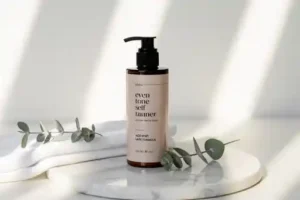
The good news is that while no self-tanner can magically make age spots disappear, and some might indeed temporarily darken them if not chosen or applied correctly, there are strategies and specific product types that can help you achieve a beautiful, streak-free tan without intensifying existing hyperpigmentation. Understanding how self-tanners interact with your skin and age spots is the first step towards finding your perfect glow.
Understanding Self-Tanners and Age Spots
Before we explore solutions, let’s briefly understand the science behind age spots and how self-tanners work.
What Causes Age Spots?
Age spots are primarily caused by prolonged exposure to ultraviolet (UV) light from the sun or tanning beds. This UV radiation accelerates the production of melanin, leading to concentrated areas of pigment on the skin’s surface. They are most common on areas frequently exposed to the sun, such as the face, hands, shoulders, and arms.
How Self-Tanners Work
Most self-tanners contain DHA, a colorless sugar that reacts with amino acids in the outermost layer of your skin (the stratum corneum). This reaction produces melanoidins, which are brown pigments that temporarily stain the skin, mimicking a natural tan. The color develops over several hours and fades as the skin naturally exfoliates.
The Concern: Why Might Self-Tanners Darken Age Spots?
The concern stems from the fact that age spots already contain a higher concentration of melanin. When DHA reacts with the amino acids in these areas, it *can* potentially create a more intense color compared to the surrounding skin, making the age spots appear darker or more prominent. This isn’t always the case, and several factors, including the self-tanner’s formulation and your application technique, play a crucial role.
The Quest for a Self-Tanner That Doesn’t Darken Age Spots
While finding a product that guarantees no darkening is challenging due to individual skin chemistry, there are formulations and application methods designed to minimize this effect. The key is to look for specific product types and ingredients.
Key Ingredients and Product Types to Look For
- Lower DHA Concentrations: Products with a lower percentage of DHA are less likely to over-develop on age spots. These are often found in gradual self-tanners or daily moisturizers with a touch of tan.
- Erythrulose: Often used in conjunction with DHA, erythrulose is another tanning agent that develops slower and produces a redder, more natural-looking tan. It can help create a more even color and potentially reduce the intensity of DHA’s reaction on age spots.
- Moisturizing & Hydrating Ingredients: A well-hydrated skin surface promotes a smoother, more even tan. Look for ingredients like hyaluronic acid, glycerin, shea butter, and various oils.
- Skin-Brightening Ingredients: Some self-tanners are formulated with ingredients known to help improve skin tone and reduce the appearance of hyperpigmentation over time. While they won’t prevent DHA from reacting, they can offer long-term benefits. Examples include:
- Vitamin C: A powerful antioxidant that can help brighten skin and reduce the look of dark spots.
- Niacinamide (Vitamin B3): Helps reduce inflammation and can improve skin barrier function, potentially aiding in a more even tan.
- Licorice Root Extract: Known for its skin-brightening and anti-inflammatory properties.
- Alpha Arbutin/Kojic Acid: Less common in self-tanners, but potent in reducing hyperpigmentation.
- Clear Formulas: While not directly impacting age spots, clear tanning waters or drops can help prevent staining of clothing and reduce the likelihood of seeing a “guide color” over-developing on age spots before the actual tan appears.
Ingredients to Potentially Approach with Caution
While not universally bad, certain formulations might be less ideal if your primary concern is preventing age spot darkening:
- Very High DHA Concentrations: “Express” or “dark” formulas might be more prone to over-developing on pigmented areas.
- Harsh Alcohol-Based Formulas: Can be drying, leading to uneven absorption and potentially patchiness, which could highlight age spots.
Gradual Tanners vs. Instant Bronzers
- Gradual Self-Tanners: These are often the best choice for age spot-prone skin. They contain lower concentrations of DHA, allowing you to build color slowly and observe how your skin reacts. This control minimizes the risk of over-darkening.
- Instant Bronzers (Wash-off): These products provide temporary color without DHA. They simply sit on the skin’s surface and wash off with soap and water. They are excellent for a quick fix and pose no risk to age spots, but require careful application to avoid transfer.
Application Techniques for Age Spot-Prone Skin
Even with the right product, technique is paramount to ensure a natural, even tan that doesn’t accentuate age spots.
1. Thorough Exfoliation is Key
Before applying any self-tanner, gently exfoliate your skin 24 hours prior. This removes dead skin cells and creates a smooth canvas, ensuring the tan develops evenly and prevents patchiness that could highlight age spots. Focus on areas with age spots, but be gentle.
2. Hydrate Strategically
Apply a light, oil-free moisturizer to notoriously dry areas like elbows, knees, ankles, and hands immediately before tanning. For age spots, you can apply a thin layer of moisturizer directly over them to create a slight barrier, effectively “diluting” the self-tanner’s effect in those areas. This is a crucial tip for preventing over-darkening.
3. Patch Test Always
Before full body application, always perform a patch test on a small, inconspicuous area (e.g., inner arm) that has age spots. This allows you to see how the product develops on your specific skin and age spots without committing to a full tan.
4. Targeted and Diluted Application
- Use a Tanning Mitt: This ensures even application and protects your hands.
- Less is More: Apply thinner layers, especially over areas with age spots.
- Dilution Method: For particularly prominent age spots, you can mix a small amount of self-tanner with your regular moisturizer before applying it to just those areas. This further reduces the DHA concentration.
- Feathering Technique: Apply the self-tanner to the surrounding skin first, then gently feather the residual product over the age spots, rather than applying a full dose directly.
5. Post-Tanning Care
Maintain your tan by moisturizing daily, which also helps ensure an even fade. Continue to use broad-spectrum SPF 30+ daily, as sun exposure can create *new* age spots and darken existing ones, regardless of self-tanner use.
Recommended Products
While individual results vary, these products are often praised for their gentle formulations, gradual development, or skin-loving ingredients, making them suitable choices for those concerned about age spots. Remember to always patch test!
Jergens Natural Glow Daily Moisturizer
A classic gradual self-tanner that builds subtle color over time. Its moisturizing base helps ensure even application and less intense DHA reaction, perfect for a controlled tan on age spot-prone skin.
Isle of Paradise Self-Tanning Drops
These customizable drops can be mixed with your favorite moisturizer, allowing you to control the intensity. This is ideal for adding just a hint of color to areas with age spots or diluting the effect for a more subtle glow.
Tan-Luxe The Face Illuminating Self-Tan Drops
Similar to Isle of Paradise, these drops for the face allow for precise control. Many users find that mixing them with their usual skincare provides a natural, even tan without emphasizing imperfections, thanks to their blend of skin-loving ingredients.
Bondi Sands Pure Self Tanning Foam
This fragrance-free foam is enriched with Hyaluronic Acid for hydration and Vitamin C for brightening. Its gentle formulation and hydrating properties make it a good option for sensitive skin and those looking for a natural, even tan.
Frequently Asked Questions (FAQ)
Q1: Can I use a self-tanner if I have hyperpigmentation?
Yes, you can use a self-tanner with hyperpigmentation, including age spots. The key is to choose gradual formulas, prepare your skin properly with exfoliation and moisturizing, and apply the product strategically to minimize the risk of age spots appearing darker.
Q2: Does exfoliating help prevent self-tanner from darkening age spots?
Absolutely. Exfoliation removes dead skin cells that can absorb more DHA, leading to uneven or darker patches. By creating a smooth surface, exfoliation helps ensure a more even tan development, which can reduce the likelihood of age spots becoming more prominent.
Q3: Are gradual self-tanners better for age spots?
Generally, yes. Gradual self-tanners contain lower concentrations of DHA, allowing for a slower, more controlled color build-up. This gives you more control over the intensity of your tan and reduces the chance of age spots over-developing compared to rapid or dark formulas.
Q4: What ingredients should I look for in a self-tanner if I have age spots?
Look for products with lower DHA concentrations, Erythrulose, and moisturizing ingredients like hyaluronic acid. Additionally, some formulas include skin-brightening ingredients like Vitamin C or Niacinamide, which can be beneficial for overall skin tone.
Q5: How can I correct darkened age spots from self-tanner?
If age spots appear too dark after self-tanner application, you can try gently exfoliating the area with a soft scrub or a mixture of lemon juice and baking soda (patch test first!). You can also dab a cotton pad with rubbing alcohol or a tan remover product on the darkened spots. Remember to moisturize afterward.
Q6: Is sun protection still necessary with self-tanner?
Yes, absolutely! Self-tanners provide no UV protection. You must continue to apply a broad-spectrum sunscreen with an SPF of 30 or higher daily, especially on areas prone to age spots. This is crucial for preventing further sun damage and the formation of new age spots.
Conclusion: Achieving a Radiant Glow, Responsibly
The quest for a self-tanner that doesn’t darken age spots is a common and valid concern for many. While no product offers a magic bullet, the answer is a resounding yes, with careful consideration and technique, you can minimize the risk of intensifying age spots while achieving a beautiful, sunless tan.
By opting for gradual formulas with lower DHA concentrations, seeking out products enriched with hydrating and skin-brightening ingredients, and meticulously preparing your skin and applying the product, you can enjoy a radiant glow without compromising your skin’s evenness. Remember, consistency in preparation, strategic application, and diligent post-tanning care, especially daily sun protection, are your best allies in this endeavor. Embrace the power of a safe, sunless tan and let your natural beauty shine through, age spots and all!