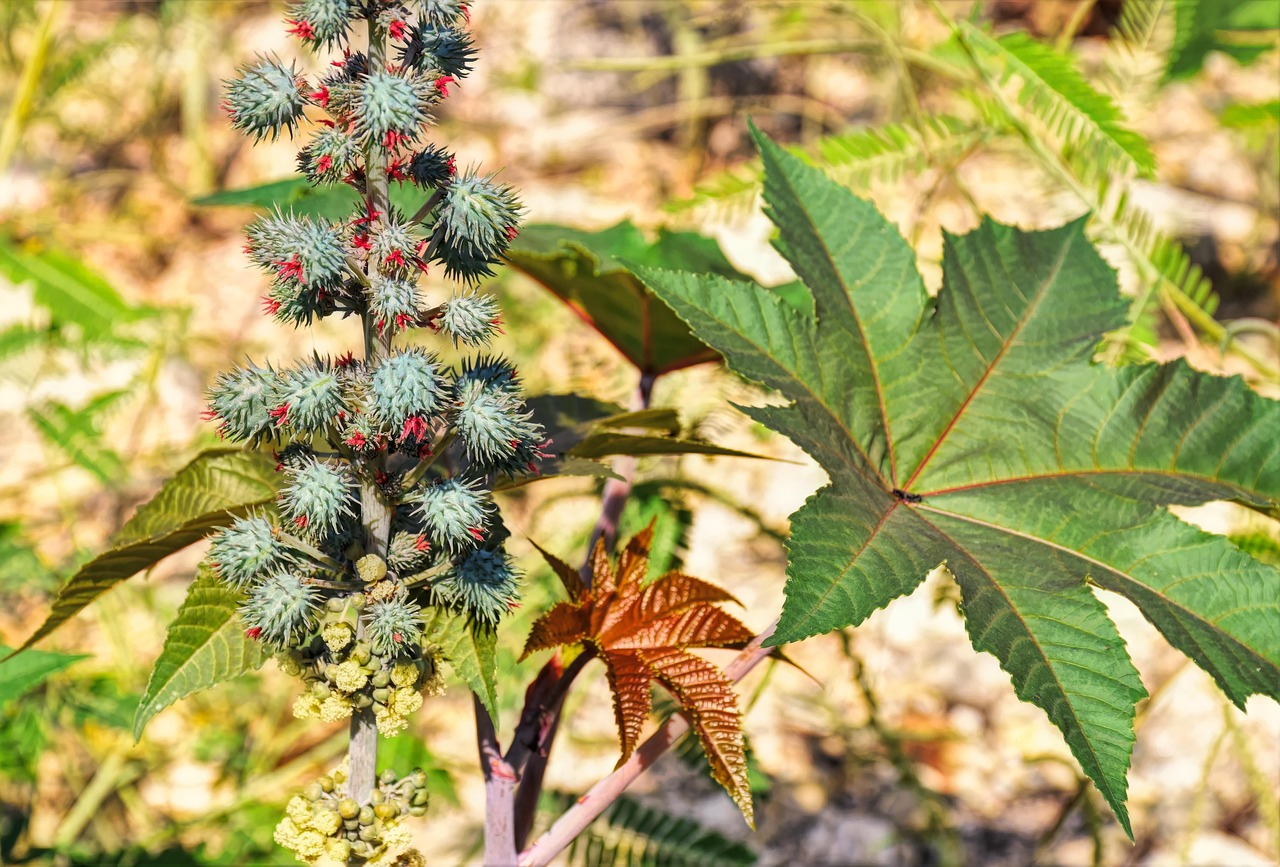
Dark spots, scientifically known as hyperpigmentation, are a common skin concern that can affect anyone, regardless of skin type or tone. These pesky marks often appear as a result of sun exposure, acne, inflammation, or hormonal changes, leaving many searching for effective remedies. In the vast world of natural skincare, one ingredient has been gaining significant attention for its purported benefits castor oil. But can castor oil dark spots truly be a thing of the past. This age-old remedy, derived from the seeds of the castor plant, has a rich history in traditional medicine and cosmetics, celebrated for its moisturizing and anti-inflammatory properties.
The allure of a natural, cost-effective solution for skin imperfections is undeniable. As we delve into the science and anecdotal evidence surrounding castor oil for hyperpigmentation, we’ll explore its potential mechanisms of action, how to incorporate it safely into your routine, and what realistic expectations you should have. This comprehensive guide will equip you with the knowledge to understand whether this humble oil could be a valuable addition to your quest for a more even-toned complexion, and when it might be time to seek professional advice. Let’s uncover the truth behind using castor oil dark spots treatment.
Understanding Dark Spots: The Science Behind Hyperpigmentation
Before we dive into the potential of castor oil, it’s crucial to understand what dark spots are and why they appear. Dark spots, or hyperpigmentation, refer to areas of the skin that become darker than the surrounding skin. This darkening occurs when there’s an overproduction of melanin, the pigment responsible for skin color, which then gets deposited unevenly in the skin.
Common Causes of Dark Spots:
- Sun Exposure: The most prevalent cause. UV radiation stimulates melanocytes (melanin-producing cells) to produce more pigment as a protective mechanism, leading to sunspots, age spots, or liver spots.
- Post-Inflammatory Hyperpigmentation (PIH): This occurs after skin inflammation or injury, such as acne breakouts, eczema, psoriasis, or even minor cuts. As the skin heals, it can leave behind a dark mark.
- Melasma: Often referred to as the “mask of pregnancy,” melasma is characterized by brown or grayish-brown patches, typically on the face. It’s usually triggered by hormonal changes (pregnancy, birth control pills) combined with sun exposure.
- Medications: Certain drugs can cause hyperpigmentation as a side effect.
- Genetics: Some individuals are more prone to developing dark spots due to their genetic predisposition.
Regardless of the cause, the underlying mechanism is an excess of melanin. Effective treatment strategies aim to either reduce melanin production, accelerate cell turnover to shed pigmented cells, or physically remove the pigmented skin.
What is Castor Oil and Its Key Properties?
Castor oil is a vegetable oil derived from the seeds of the castor bean plant (Ricinus communis), primarily grown in Africa, South America, and India. It’s been used for centuries in traditional medicine, industrial applications, and cosmetics. What makes castor oil unique among other vegetable oils is its high concentration of ricinoleic acid, a monounsaturated fatty acid.
Key Properties of Castor Oil:
- Ricinoleic Acid: This fatty acid constitutes about 90% of castor oil’s composition. It’s known for its anti-inflammatory and analgesic properties.
- Moisturizing (Emollient): Castor oil is a humectant, meaning it draws moisture from the air into the skin, helping to keep it hydrated and plump. It also forms a protective barrier on the skin, reducing water loss.
- Antimicrobial: Studies suggest ricinoleic acid has antimicrobial properties, which can be beneficial for skin health, potentially helping with acne-prone skin.
- Antioxidant Content: While not as high as some other oils, castor oil contains some antioxidants that can help protect the skin from free radical damage.
These properties are why castor oil is often touted for a range of skin issues, from dry skin and inflammation to, potentially, fading dark spots with castor oil.
How Castor Oil Might Help with Dark Spots: Exploring the Mechanisms
When considering castor oil dark spots treatment, it’s important to set realistic expectations. Castor oil is not a direct skin lightener in the same way ingredients like hydroquinone or retinoids are. Instead, its potential benefits for hyperpigmentation are more indirect and supportive, primarily stemming from its rich composition.
- Anti-Inflammatory Action: The high concentration of ricinoleic acid is a powerful anti-inflammatory agent. Many dark spots, especially post-inflammatory hyperpigmentation (PIH) left after acne or other skin injuries, are a direct result of inflammation. By reducing inflammation, castor oil might help to prevent new dark spots from forming or minimize the severity of existing ones that stem from inflammatory processes.
- Moisturizing and Skin Barrier Support: Castor oil’s emollient and humectant properties deeply moisturize the skin. A healthy, hydrated skin barrier is crucial for overall skin health and its ability to repair itself. When the skin barrier is compromised, it can lead to increased inflammation and slower healing, potentially exacerbating dark spots. By supporting the skin barrier, castor oil creates an optimal environment for skin healing and regeneration.
- Promoting Cell Turnover (Indirectly): While not a direct exfoliant, healthy, hydrated skin with a strong barrier can better support its natural cell turnover processes. This means older, pigmented skin cells might be shed more efficiently, allowing newer, less pigmented cells to surface.
- Antioxidant Protection: Although not its primary strength, castor oil does contain some antioxidants. Antioxidants combat free radical damage, which can contribute to premature aging and the formation of dark spots, particularly those caused by sun exposure.
It’s vital to note that direct scientific research specifically proving castor oil’s ability to significantly lighten established dark spots is limited. Most claims are anecdotal or based on the oil’s known properties that *support* skin health, which can, in turn, contribute to a more even complexion over time.
Using Castor Oil for Dark Spots: A Practical Guide
If you’re considering using castor oil for hyperpigmentation, here’s a step-by-step guide to incorporate it safely and effectively into your skincare routine.
Step-by-Step Application:
- Patch Test First: This is non-negotiable. Apply a small amount of castor oil to an inconspicuous area of your skin (e.g., behind the ear or on the inner forearm) and wait 24-48 hours. Check for any signs of redness, itching, swelling, or irritation. If you experience any adverse reactions, discontinue use.
- Cleanse Your Skin: Before applying castor oil, ensure your face is clean and dry. Use a gentle cleanser to remove makeup, dirt, and impurities.
- Application Method 1: Spot Treatment:
- Take a small amount of pure, cold-pressed castor oil on a clean cotton swab or your fingertip.
- Gently dab it directly onto your dark spots.
- Massage it lightly into the skin until absorbed.
- Leave it on overnight.
- Application Method 2: All-Over Treatment (Diluted):
- If you have several dark spots or want to use it more broadly, you might consider diluting castor oil with a lighter carrier oil like jojoba oil, argan oil, or rosehip oil (known for its skin-brightening properties). A 1:1 ratio is a good starting point.
- Apply a few drops of the mixture to your face, gently massaging it in.
- This method is less likely to feel heavy or clog pores for those with oilier skin types.
- Frequency: Start by applying castor oil once daily, preferably at night, after cleansing and toning. If your skin tolerates it well, you can continue this frequency. Consistency is key, but patience is even more important, as results will not be immediate.
- Sun Protection is Paramount: While using castor oil, and especially when trying to address dark spots, daily sun protection is absolutely critical. Sun exposure is the leading cause of dark spots and can also worsen existing ones, negating any potential benefits of your treatment. Always apply a broad-spectrum sunscreen with an SPF of 30 or higher every morning, even on cloudy days.
Tips for Enhanced Results:
- Choose Quality Oil: Opt for cold-pressed, hexane-free, organic castor oil for the purest form.
- Mix with Complementary Ingredients: While castor oil provides a good base, consider adding a drop or two of essential oils like frankincense or lemon oil (use with extreme caution, as lemon oil can increase photosensitivity and cause irritation if not diluted properly and used at night). Always do a patch test for any new mixture.
- Patience is Key: Fading dark spots naturally takes time. Expect to use castor oil consistently for several weeks or even months before noticing subtle improvements.
Pros and Cons of Using Castor Oil for Dark Spots
Like any skincare remedy, using castor oil for dark spots comes with its own set of advantages and disadvantages. Weighing these can help you decide if it’s the right choice for your skin journey.
Pros:
- Natural and Affordable: Castor oil is a natural product, widely available, and generally much more budget-friendly than many specialized dark spot treatments.
- Moisturizing Benefits: It’s an excellent emollient, providing deep hydration and helping to improve skin texture and elasticity. This can make the skin appear healthier and more radiant overall.
- Anti-Inflammatory Properties: Its ricinoleic acid content can help calm inflammation, which is beneficial for reducing redness and preventing post-inflammatory hyperpigmentation.
- Gentle for Some Skin Types: For individuals with dry or sensitive skin, castor oil can be a soothing and nourishing option, provided they don’t have an allergic reaction.
- Versatility: Beyond dark spots, castor oil is used for various skin and hair concerns, making it a multi-purpose product.
Cons:
- Slow Results: Fading dark spots with castor oil is a slow process, and significant results may take a long time, if they occur at all. It’s not a quick fix.
- Oily and Thick Texture: Castor oil is quite viscous and can feel heavy on the skin. This might be uncomfortable for some, especially those with oily or acne-prone skin, and could potentially clog pores for certain individuals.
- Lack of Direct Lightening Evidence: There is limited robust scientific evidence directly proving castor oil’s ability to lighten dark spots caused by melanin overproduction. Its benefits are primarily indirect, supporting overall skin health.
- Potential for Allergic Reactions: While generally considered safe, some individuals may experience allergic reactions, irritation, or breakouts. A patch test is crucial.
- Not a Standalone Treatment for Severe Hyperpigmentation: For stubborn or severe dark spots, castor oil alone is unlikely to provide the desired results and may need to be complemented by other active ingredients or professional treatments.
- Photosensitivity (if mixed with certain essential oils): Be cautious when mixing with essential oils like lemon oil, as they can increase skin’s sensitivity to the sun.
When to See a Dermatologist
While natural remedies like castor oil can be appealing, it’s important to know when to seek professional medical advice. If your dark spots:
- Are new, rapidly changing in size, shape, or color.
- Are accompanied by other symptoms like itching, bleeding, or pain.
- Do not respond to home remedies after consistent use over several months.
- Are significantly impacting your self-esteem and you desire faster, more potent results.
A dermatologist can accurately diagnose the type of hyperpigmentation you have and recommend the most effective treatment plan, which might include prescription creams, chemical peels, microdermabrasion, or laser therapy.
Other Effective Home Remedies and Professional Treatments for Dark Spots
For those looking to tackle dark spots, castor oil can be part of a holistic approach, but it’s often more effective when combined with other proven ingredients or treatments. Here are some options:
Topical Ingredients (Over-the-Counter & Prescription):
- Vitamin C: A powerful antioxidant that inhibits melanin production and brightens the skin.
- Niacinamide (Vitamin B3): Reduces melanin transfer to skin cells and has anti-inflammatory properties.
- Alpha Hydroxy Acids (AHAs) like Glycolic Acid or Lactic Acid: Exfoliate the skin, helping to shed pigmented cells.
- Retinoids (Retinol, Tretinoin): Speed up cell turnover, pushing new, unpigmented cells to the surface. Prescription strength is often more effective.
- Kojic Acid, Azelaic Acid, Arbutin: Ingredients known for their melanin-inhibiting properties.
- Hydroquinone: A powerful skin lightener, available over-the-counter in lower concentrations and by prescription in higher strengths.
Professional Treatments:
- Chemical Peels: Apply an acidic solution to exfoliate the top layers of skin, revealing brighter skin underneath.
- Microdermabrasion: A physical exfoliation that buffs away the outermost layer of skin.
- Laser Therapy: Uses focused light energy to target and break down melanin in the dark spots. Different types of lasers (e.g., fractional, Q-switched) are used depending on the type and depth of hyperpigmentation.
- IPL (Intense Pulsed Light): A non-ablative treatment that uses broad-spectrum light to target pigment.
Combining a good skincare routine with daily SPF, potentially castor oil for its supportive benefits, and proven active ingredients or professional treatments will yield the best results for stubborn castor oil dark spots or any form of hyperpigmentation.
Recommended Products
Organic Cold-Pressed Hexane-Free Castor Oil
Essential for quality application, this type ensures you get the purest form of castor oil with maximum beneficial properties for your skin.
Gentle Hydrating Facial Cleanser
A mild, non-stripping cleanser is crucial for preparing your skin before applying castor oil, ensuring it’s clean without causing further irritation.
Broad-Spectrum SPF 30+ Facial Sunscreen
Absolutely vital for anyone treating dark spots. Daily sun protection prevents existing spots from worsening and new ones from forming, enhancing the effectiveness of any treatment.
Organic Cold-Pressed Jojoba Oil
An excellent carrier oil to dilute castor oil, especially for those with sensitive or oily skin. Jojoba oil closely mimics the skin’s natural sebum.
FAQ Section: Your Questions About Castor Oil Dark Spots Answered
Q1: How long does castor oil take to fade dark spots?
A: Patience is paramount when using castor oil for dark spots. Since castor oil primarily works indirectly by supporting skin health and reducing inflammation, rather than directly lightening pigment, results are typically very slow and subtle. You might need to use it consistently for several weeks to months (e.g., 2-3 months or more) to notice any minor improvements. For more significant or faster results, consider combining it with other proven active ingredients or professional treatments.
Q2: Can castor oil make dark spots worse?
A: Generally, castor oil itself is not known to directly worsen dark spots. However, if you experience an allergic reaction or irritation (redness, itching, breakouts) from using it, this inflammation could theoretically lead to new post-inflammatory hyperpigmentation (PIH). This is why a patch test is crucial. Also, failing to use adequate sun protection while trying to treat dark spots will certainly make them worse, regardless of whether you’re using castor oil or not.
Q3: Is all castor oil the same for dark spots?
A: No, the quality of castor oil matters. For skincare purposes, it’s best to use cold-pressed, hexane-free, and preferably organic castor oil. Cold-pressing ensures that the oil’s beneficial compounds, like ricinoleic acid, are not degraded by heat during extraction. Hexane-free means no harsh chemical solvents were used, making it purer and safer for skin application. Lower quality or refined castor oils might lack the full spectrum of beneficial compounds or contain impurities.
Q4: Can I mix castor oil with other ingredients for dark spots?
A: Yes, you can. In fact, for an enhanced effect or to dilute its thick consistency, many people mix castor oil with other beneficial oils or ingredients. Popular choices include lighter carrier oils like jojoba oil or rosehip oil (known for its skin-regenerating properties). Some also add a drop of essential oils like frankincense or lavender, but always exercise extreme caution with essential oils, dilute them properly, and perform a patch test. Avoid mixing with ingredients that could cause adverse reactions or interactions.
Q5: What are the potential side effects of using castor oil on the face?
A: While generally safe, potential side effects include: allergic reactions (redness, itching, swelling, rash), clogged pores or breakouts (especially for those with acne-prone or oily skin due to its thick consistency), and a greasy feeling. Always perform a patch test before widespread use. If irritation persists, discontinue use.
Conclusion: A Balanced Perspective on Castor Oil Dark Spots
The journey to an even-toned complexion is often a marathon, not a sprint, and when it comes to addressing castor oil dark spots, this adage holds true. While castor oil may not be a magic bullet for instantly erasing hyperpigmentation, its rich composition, particularly its high concentration of ricinoleic acid, offers compelling supportive benefits. Its anti-inflammatory, moisturizing, and antioxidant properties can create a healthier skin environment, which is crucial for the skin’s natural healing and regenerative processes.
For those seeking a natural, affordable, and gentle approach to managing dark spots, incorporating high-quality, cold-pressed castor oil into your routine can be a valuable step. Remember to always perform a patch test, apply it consistently, and pair it with an unwavering commitment to daily sun protection. Manage your expectations; gradual improvements are more likely than dramatic transformations. For stubborn or severe hyperpigmentation, or if you’re seeking faster results, don’t hesitate to consult a dermatologist who can guide you toward more potent active ingredients or professional treatments. Ultimately, a holistic approach that prioritizes skin health, hydration, and protection is your best strategy for achieving and maintaining a radiant, even complexion.
“`