
Discovering a dark spot in my gums can be an alarming experience, often prompting immediate concern about its origin and implications. While our gums are typically a uniform shade of pink, variations in color can occur, ranging from light pink to a more pigmented brownish hue, especially among individuals of certain ethnicities. However, a sudden or unusual dark spot can signal anything from a completely benign condition to something that warrants professional attention.
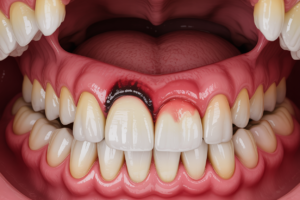
This comprehensive guide aims to demystify the appearance of a dark spot in your gums. We’ll explore the myriad of potential causes, differentiating between harmless physiological changes and conditions that require prompt dental evaluation. Understanding the various reasons behind gum discoloration can help alleviate anxiety and empower you to take appropriate action. From common occurrences like melanin pigmentation and amalgam tattoos to more serious, though rare, concerns such as oral cancer, we’ll cover what you need to know to maintain optimal oral health and peace of mind. Let’s delve into the details to help you understand that mysterious dark spot.
What is a Dark Spot In My Gums?
A dark spot in your gums refers to any area of the gingival tissue that appears darker than the surrounding gum tissue. This discoloration can manifest in various shades, including brown, black, blue, or even gray, and can differ in size, shape, and texture. While healthy gums are typically a coral pink, their color can naturally vary based on ethnicity and individual genetic factors. For instance, individuals with darker skin tones often have naturally darker, more pigmented gums due to higher melanin production, which is perfectly normal and not a cause for concern.
However, when a localized dark spot appears, particularly if it’s new, changing, or accompanied by other symptoms, it can be a sign that something is amiss. These spots can occur on any part of the gums – along the gum line, between teeth, or on the palate – and their characteristics often provide clues about their underlying cause. Understanding these potential causes is the first step toward determining whether your dark spot in your gums is benign or requires further investigation.
Common Causes of a Dark Spot In My Gums
The appearance of a dark spot in your gums can stem from a wide range of factors, some entirely harmless and others requiring attention. Here’s a detailed look at the most common reasons:
Melanin Pigmentation (Physiological)
This is arguably the most common and entirely harmless cause of dark spots or generalized darkening of the gums. Just like skin, gums contain melanocytes, cells that produce melanin. Higher concentrations of melanin can lead to naturally darker gums or patches of brown or black pigmentation. This is particularly prevalent in individuals with darker skin tones (e.g., African, Asian, Mediterranean, or Hispanic descent) and is considered a normal physiological variation. These spots are usually symmetrical, stable, and have been present for a long time.
Amalgam Tattoo
An amalgam tattoo is a localized, gray, blue, or black spot on the gums or other oral tissues. It occurs when tiny particles of silver amalgam, used in dental fillings, become embedded in the soft tissues during a filling procedure or removal. These particles stain the gum tissue permanently. While they are completely benign and pose no health risk, they are a common cause of a dark spot in my gums, especially if you have had amalgam fillings in adjacent teeth.
Bruising or Trauma
Just like any other soft tissue in the body, your gums can bruise. Trauma from aggressive brushing, a fall, biting down on something hard, or even certain dental procedures (like extractions or deep cleanings) can cause blood vessels to break, leading to a dark, purplish, or reddish-blue spot. This type of dark spot in your gums is usually temporary and will heal on its own as the bruise resolves, similar to a bruise on your skin.
Smoking (Smoker’s Melanosis)
Smoking and other forms of tobacco use are significant contributors to gum discoloration. The chemicals in tobacco can stimulate melanocytes to produce more melanin, leading to patches of brown or black pigmentation on the gums, lips, and inner cheeks. This condition is known as “smoker’s melanosis.” The pigmentation often appears on the front gums and is usually reversible if smoking cessation occurs, though it can take time for the color to return to normal.
Medications
Certain medications can cause oral pigmentation as a side effect. For example, some antibiotics (like minocycline), antimalarial drugs, tricyclic antidepressants, and drugs used to treat certain systemic conditions can lead to bluish-gray or brownish discoloration of the gums and other oral tissues. If you notice a new dark spot in your gums after starting a new medication, it’s worth discussing with your doctor or dentist.
Oral Melanotic Macule
An oral melanotic macule is essentially a “freckle” of the mouth. It’s a small, flat, well-defined brown or black spot, usually solitary, that can appear on the gums, lips, or palate. These are benign and generally don’t change in size or color. While harmless, any new or changing macule should be monitored by a dentist to rule out more serious conditions.
Vascular Lesions
Conditions involving blood vessels can also cause dark spots. These include:
- Hemangiomas: Benign tumors made of blood vessels, appearing as reddish-blue or purple raised lesions.
- Varices: Enlarged, tortuous veins, often seen in older individuals, appearing as dark blue or purple bumps, especially on the underside of the tongue but can occur on gums.
These are usually harmless but may be removed if they cause discomfort or are a cosmetic concern.
Addison’s Disease
Addison’s disease is a rare disorder where the adrenal glands produce insufficient hormones. One of its symptoms can be generalized skin and oral pigmentation, including dark patches on the gums, inner cheeks, and lips. This discoloration is often accompanied by other systemic symptoms like fatigue, weight loss, and low blood pressure. If you experience these symptoms along with a new dark spot in your gums, it warrants immediate medical attention.
Oral Cancer (Malignant Melanoma)
While rare, a dark spot in your gums can, in very uncommon instances, be a sign of oral malignant melanoma. This is a serious form of skin cancer that can also affect the oral cavity. Oral melanomas often appear as dark brown, black, or even bluish-black lesions with irregular borders, varying colors within the lesion, and may rapidly change in size or shape. They can also be raised, ulcerated, or bleed easily. Any suspicious, rapidly changing, or persistent dark lesion in the mouth must be promptly evaluated by a dentist or oral surgeon for biopsy.
When to Be Concerned About a Dark Spot In Your Gums
While many causes of a dark spot in your gums are benign, it’s crucial to know when to seek professional dental advice. Pay close attention to the following warning signs:
- Changes in Size, Shape, or Color: A spot that is growing, changing its outline, or becoming darker or multicolored should be immediately evaluated.
- Irregular Borders: Lesions with jagged, uneven, or poorly defined edges are more concerning.
- Asymmetry: If one half of the spot does not match the other.
- Elevation or Ulceration: A dark spot that is raised, bumpy, or has an open sore (ulcer) on it.
- Bleeding or Pain: While most benign dark spots are painless, any bleeding or persistent pain associated with the spot is a red flag.
- New Spot with No Obvious Cause: If a dark spot appears suddenly without any apparent reason (like trauma or new medication).
- Persistence: A dark spot that doesn’t resolve within a couple of weeks, especially if you suspect trauma, should be checked.
If you observe any of these characteristics with a dark spot in your gums, don’t delay in scheduling an appointment with your dentist or an oral pathologist. Early detection is key for managing potentially serious conditions.
Diagnosis and Treatment Options
When you present with a dark spot in your gums, your dentist will follow a systematic approach to determine its cause and recommend appropriate action.
Dental Examination and Medical History
The diagnostic process typically begins with a thorough visual examination of your oral cavity. Your dentist will meticulously inspect the dark spot, noting its size, shape, color, texture, and location. They will also ask about your medical history, including any medications you’re taking, your smoking habits, recent trauma, and when you first noticed the spot. This information is vital for narrowing down the potential causes.
Biopsy
If the dark spot has any suspicious characteristics (e.g., irregular borders, rapid changes, bleeding) or if the dentist cannot definitively identify it as benign based on clinical appearance, a biopsy will be recommended. This procedure involves taking a small tissue sample from the lesion, which is then sent to a pathology lab for microscopic examination. A biopsy is the gold standard for definitively diagnosing oral lesions, especially to rule out oral cancer.
Treatment Approaches
Treatment for a dark spot in your gums largely depends on its underlying cause:
- Observation: For benign conditions like physiological melanin pigmentation, amalgam tattoos, or stable oral melanotic macules, no treatment is usually necessary. Your dentist might recommend regular monitoring during routine check-ups to ensure no changes occur.
- Addressing Underlying Causes:
- If smoker’s melanosis is diagnosed, smoking cessation is strongly advised. The pigmentation may fade over time once tobacco use stops.
- If medication is the cause, your doctor may consider adjusting your prescription, if medically appropriate, or managing the side effect.
- Surgical Removal:
- For cosmetic reasons, benign dark spots (like extensive melanin pigmentation or prominent oral melanotic macules) can be removed using techniques such as laser ablation, scalpel excision, or cryosurgery.
- If the biopsy reveals a malignant lesion (e.g., oral melanoma), immediate and aggressive surgical removal is necessary, often followed by additional treatments like radiation or chemotherapy, depending on the stage and type of cancer.
- Vascular lesions that cause discomfort or are prone to bleeding might also be surgically removed.
Preventing Gum Discoloration
While some causes of a dark spot in your gums are unavoidable (like natural melanin pigmentation or amalgam tattoos from past dental work), several steps can help maintain overall gum health and potentially prevent certain types of discoloration:
- Maintain Excellent Oral Hygiene: Regular and thorough brushing (twice a day) and flossing (once a day) remove plaque and food particles, reducing the risk of gum inflammation and disease, which can sometimes contribute to changes in gum appearance.
- Quit Smoking and Tobacco Use: This is one of the most effective ways to prevent smoker’s melanosis and improve overall oral and systemic health.
- Regular Dental Check-ups: Visiting your dentist twice a year for professional cleanings and examinations allows for early detection of any changes in your gums or other oral tissues. Your dentist can spot potential issues with a dark spot in your gums before they become more serious.
- Protect Your Gums from Trauma: Be gentle when brushing and flossing. Use a soft-bristled toothbrush and avoid excessive force to prevent bruising.
- Be Aware of Medication Side Effects: If you’re starting new medications, discuss potential oral side effects with your doctor or pharmacist.
- Limit Alcohol Consumption: Excessive alcohol intake can increase the risk of oral health issues, including certain cancers.
- Eat a Balanced Diet: A nutritious diet supports overall health, including the health of your gums and oral tissues.
Recommended Products for Oral Health
Maintaining excellent oral hygiene is paramount for healthy gums and can help prevent various oral issues. While there aren’t specific products to “treat” a dark spot in your gums (as treatment depends on the cause), these general oral care products can support overall gum health and cleanliness.
Electric Toothbrush for Gum Health
An electric toothbrush can provide a more thorough cleaning and often features pressure sensors to prevent aggressive brushing, which can injure gums.
Fluoride Toothpaste for Sensitive Gums
Look for toothpastes specifically designed to protect enamel and soothe sensitive gums, often containing ingredients like stannous fluoride.
Antimicrobial Mouthwash
A therapeutic mouthwash can help reduce bacteria that cause plaque and gingivitis, supporting overall gum health, but should not replace brushing and flossing.
Water Flosser
For those who struggle with traditional floss, a water flosser can be an effective way to clean between teeth and below the gumline, promoting healthier gums.
Frequently Asked Questions About Dark Spots In Gums
Q1: Is a dark spot in my gums always serious?
No, not always. Many dark spots are benign, such as natural melanin pigmentation, amalgam tattoos, or temporary bruising. However, it’s crucial to have any new or changing dark spot evaluated by a dentist to rule out more serious conditions like oral cancer, which, though rare, requires early detection.
Q2: Can stress cause dark spots on gums?
Directly, no. Stress itself does not cause dark spots on gums. However, chronic stress can weaken your immune system, making you more susceptible to gum disease or other oral health issues that might indirectly affect gum appearance or make existing conditions worse. It’s not a direct cause of pigmentation.
Q3: How do dentists remove dark spots from gums?
For benign dark spots that are a cosmetic concern, dentists can use various techniques, including laser depigmentation, scalpel excision, or cryosurgery, to remove or lighten the pigmented areas. The choice of method depends on the size, location, and nature of the spot. If the spot is suspicious, a biopsy and potentially a more extensive surgical removal will be performed.
Q4: Can I lighten my gums at home?
No, you should not attempt to lighten or treat a dark spot in your gums at home. Home remedies are ineffective and can potentially cause harm, irritation, or mask a more serious underlying condition. Always consult a dental professional for diagnosis and treatment options for gum discoloration.
Q5: How long do dark spots from trauma last?
Dark spots or bruising on the gums caused by trauma typically heal within 1 to 2 weeks, similar to a bruise on other parts of your body. If a traumatic dark spot persists beyond this timeframe, or if it changes in appearance, it’s advisable to have it checked by your dentist.
Q6: What’s the difference between a dark spot and a canker sore?
A dark spot is typically a localized area of increased pigmentation or discoloration, often flat or slightly raised, and usually painless unless it’s a bruise from recent trauma. A canker sore (aphthous ulcer) is an open, painful sore, usually white or yellow with a red border, and is not typically “dark” in color.
Conclusion: Don’t Ignore That Dark Spot In My Gums
Encountering a dark spot in your gums can be unsettling, but as we’ve explored, its causes are diverse, ranging from completely harmless natural variations to more serious, albeit rare, health concerns. The key takeaway is to never self-diagnose or dismiss a new or changing spot without professional evaluation. While a significant percentage of these spots are benign, identifying the cause is paramount for your peace of mind and overall oral health.
Remember to pay close attention to any changes in size, shape, color, or texture, and be vigilant for associated symptoms like pain or bleeding. Regular dental check-ups are your best defense, enabling your dentist to monitor your oral health and detect any anomalies early. If you’ve noticed a dark spot in your gums, don’t hesitate. Schedule an appointment with your dentist promptly. They possess the expertise and diagnostic tools to accurately assess the situation, provide a definitive diagnosis, and recommend the most appropriate course of action, ensuring your gums remain healthy and vibrant.
“`