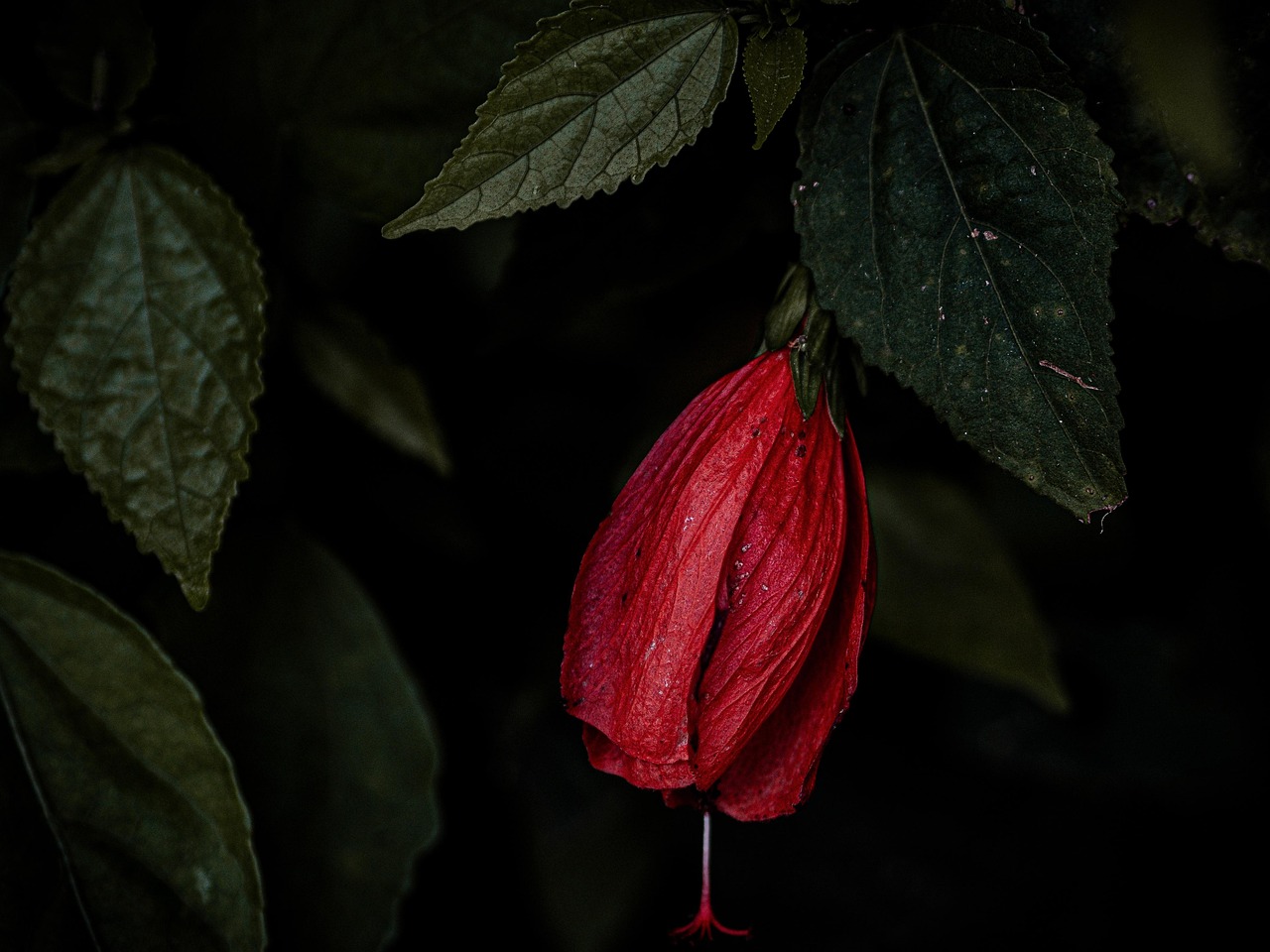
Few plants bring the vibrant, tropical allure to a garden or patio quite like the hibiscus. With their show-stopping blooms and lush green foliage, they are truly a gardener’s delight. However, the sight of unsightly dark spots on hibiscus leaves can quickly turn that delight into distress. If you’ve noticed your beautiful hibiscus developing these blemishes, you’re not alone. This common issue plagues many hibiscus enthusiasts, leaving them wondering what went wrong and, more importantly, how to fix it.
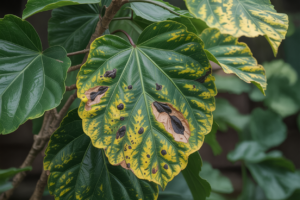
Understanding the root cause of these mysterious spots is the first step toward restoring your plant’s health and vigor. From fungal infections to pesky pests or even environmental stress, several factors can contribute to the appearance of these discolorations. Ignoring them can lead to more severe problems, potentially impacting your plant’s ability to flower and, in extreme cases, even threatening its survival. But don’t despair! Most causes of dark spots on hibiscus leaves are treatable and preventable with the right knowledge and timely intervention.
In this comprehensive guide, we’ll delve deep into the various reasons why your hibiscus might be developing these dark blemishes. We’ll explore how to accurately diagnose the problem, discuss effective treatment strategies, and provide practical tips for preventing future outbreaks. By the end of this article, you’ll be equipped with all the information you need to keep your hibiscus plants happy, healthy, and spot-free, ensuring they continue to be the star of your garden. Let’s get to the bottom of those challenging dark spots on hibiscus leaves and bring back their natural beauty!
Understanding Dark Spots On Hibiscus Leaves: The Common Culprits
When you observe dark spots on hibiscus leaves, it’s a clear signal that something is amiss. These spots can vary in color, size, and pattern, each providing clues about the underlying issue. They might appear as small, pinprick-sized dots, larger blotches, or even irregular patches that spread across the leaf surface. Identifying the specific characteristics of these spots, alongside other symptoms your plant might exhibit, is crucial for accurate diagnosis and effective treatment.
Generally, the causes of these unsightly marks fall into a few main categories: fungal diseases, bacterial infections, pest infestations, and environmental stressors. Each category requires a distinct approach to management. Let’s break down the most common reasons you might be seeing black spots on hibiscus leaves or other dark discolorations.
Fungal Diseases: A Frequent Foe
Fungi are perhaps the most common culprits behind dark spots on hibiscus leaves. They thrive in humid conditions and can spread rapidly, especially if plants are overcrowded or consistently wet. Recognizing the specific type of fungal infection is key to choosing the right fungicide or cultural practice.
- Cercospora Leaf Spot: This is one of the most prevalent fungal diseases affecting hibiscus. It typically manifests as small, circular brown spots on hibiscus leaves, often surrounded by a reddish-purple halo. As the disease progresses, the centers of these spots may turn gray or tan. Severely infected leaves might yellow and drop prematurely.
- Anthracnose: Caused by the Colletotrichum fungus, Anthracnose creates irregular, dark brown to black spots, often starting at the leaf margins or tips. These lesions can expand, sometimes causing entire sections of the leaf to die back. Humid weather is a major trigger.
- Botrytis Blight (Gray Mold): While more commonly associated with flowers, Botrytis can also affect leaves, causing soft, dark, water-soaked lesions that quickly turn gray and fuzzy, especially in cool, damp conditions.
Treatment for Fungal Spots:
- Pruning: Immediately remove and destroy all infected leaves, stems, and fallen debris. This reduces the fungal load.
- Improve Air Circulation: Space plants adequately and prune dense foliage to allow better airflow, which helps dry out leaves.
- Watering Practices: Water at the base of the plant in the morning to allow leaves to dry before nightfall. Avoid overhead watering.
- Fungicides: For severe cases of hibiscus leaf spot disease, apply a broad-spectrum fungicide containing active ingredients like copper, chlorothalonil, or myclobutanil. Always follow label instructions carefully.
Bacterial Infections: A More Challenging Problem
Bacterial leaf spots are less common than fungal ones but can be more challenging to treat. They often appear as angular, water-soaked lesions that later turn dark brown or black.
- Bacterial Leaf Spot: These spots usually have a greasy or water-soaked appearance initially, often bordered by leaf veins, giving them an angular shape. As they mature, the spots turn dark brown or black and may be surrounded by a yellow halo. Unlike fungal spots, bacterial spots often feel somewhat slimy when touched.
Treatment for Bacterial Spots:
Bacterial diseases are difficult to control with chemicals once established. The best approach involves:
- Sanitation: Remove and destroy infected plant parts promptly.
- Prevention: Avoid overhead watering and ensure good air circulation.
- Copper-based Sprays: Some copper-based bactericides can offer limited control or act as a preventative measure, but their effectiveness against established infections is often low.
Pest Infestations: Indirect Causes of Dark Spots
While pests don’t directly cause dark spots on hibiscus leaves in the same way fungi or bacteria do, their activity can lead to secondary issues that manifest as dark spots, particularly sooty mold.
- Aphids, Mealybugs, and Scale Insects: These sap-sucking pests excrete a sticky substance called honeydew. Honeydew itself isn’t harmful, but it creates a perfect breeding ground for a black fungus known as sooty mold. This mold covers the leaves, blocking sunlight and hindering photosynthesis, making leaves appear to have black spots on hibiscus leaves.
- Spider Mites: While they cause stippling and yellowing, severe spider mite infestations can weaken the plant, making it more susceptible to other issues that cause dark spots.
Treatment for Pest-Related Dark Spots:
- Identify Pests: Inspect the undersides of leaves and stems for the actual pests.
- Wash Plants: A strong spray of water can dislodge many pests.
- Insecticidal Soap or Neem Oil: Apply these organic solutions to smother pests. Repeat applications may be necessary.
- Pruning: Remove heavily infested leaves or stems.
Environmental Stressors: When Nature Takes Its Toll
Sometimes, what causes spots on hibiscus leaves isn’t a disease or a pest, but rather environmental factors that stress the plant. These can often mimic disease symptoms.
- Nutrient Deficiencies: Lack of essential nutrients like potassium or magnesium can cause various discolorations, including dark spots or scorched leaf edges that might look like spots. For example, potassium deficiency can lead to brown or black spots on older leaves.
- Water Stress: Both overwatering and underwatering can lead to leaf problems. Overwatering can cause root rot, leading to yellowing and dark spots as the plant struggles. Underwatering can cause leaves to dry out and develop crispy, dark edges or spots.
- Sunburn: While hibiscus loves sun, sudden exposure to intense, direct sunlight, especially after being in a shadier spot, can cause leaves to scorch, resulting in irregular brown or black patches.
- Temperature Fluctuations: Sudden drops in temperature, especially for tropical hibiscus, can cause leaves to develop dark spots or drop off.
Treatment for Environmental Stress:
- Soil Test: Conduct a soil test to determine nutrient levels and adjust fertilization accordingly.
- Proper Watering: Water consistently when the top inch or two of soil feels dry. Ensure good drainage.
- Acclimatization: Gradually introduce plants to new light conditions.
- Provide Shelter: Protect tropical hibiscus from cold snaps.
Diagnosing and Treating Dark Spots On Hibiscus Leaves: A Step-by-Step Approach
Effective treatment for dark spots on hibiscus leaves begins with accurate diagnosis. Rushing to apply a fungicide when the problem is a pest or a nutrient deficiency won’t solve anything and might even harm your plant. Here’s how to approach the situation systematically:
- Observe Carefully:
- Location: Are the spots on old leaves, new leaves, or both?
- Appearance: What color are they (black, brown, reddish)? What shape are they (circular, angular, irregular)? Do they have a halo? Are they raised, sunken, or fuzzy?
- Spread: Are they isolated or spreading rapidly?
- Other Symptoms: Is there yellowing, wilting, stunted growth, sticky residue, or visible pests?
- Check for Pests:
- Examine the undersides of leaves, stems, and new growth. Look for small insects, webs, or sticky honeydew.
- Assess Environmental Conditions:
- Watering: Is the soil consistently too wet or too dry? Does the pot have good drainage?
- Sunlight: Has the plant recently been moved or exposed to more intense sun?
- Temperature: Have there been any sudden temperature changes?
- Fertilization: When was the last time you fertilized? Have you over-fertilized?
- Implement Targeted Treatment:
- Based on your diagnosis, apply the appropriate treatment. If it’s fungal, use a fungicide. If it’s pests, use insecticidal soap or neem oil. If it’s environmental, adjust your care routine.
- Monitor and Adjust:
- After treatment, closely monitor your plant for improvement. If the problem persists or worsens, re-evaluate your diagnosis and consider professional advice.
Preventative Measures: Keeping Your Hibiscus Spot-Free
Prevention is always better than cure, especially when it comes to keeping your hibiscus healthy and free from dark spots on hibiscus leaves. Implementing a few good gardening practices can significantly reduce the risk of future problems.
- Proper Watering: Water deeply and consistently, allowing the top inch or two of soil to dry out between waterings. Always water at the base of the plant to keep foliage dry, especially in the evening.
- Good Air Circulation: Space plants adequately to ensure good airflow. Prune dense interior branches to improve circulation and reduce humidity around leaves.
- Sanitation: Regularly remove fallen leaves and debris from around the base of the plant. Sterilize pruning tools between cuts and between plants to prevent disease spread.
- Regular Inspection: Make it a habit to inspect your hibiscus leaves, especially the undersides, for any early signs of pests or disease. Early detection is key to easy management.
- Balanced Nutrition: Fertilize your hibiscus with a balanced fertilizer formulated for flowering plants, according to package directions. Avoid over-fertilizing, which can stress the plant. Consider a soil test if you suspect nutrient imbalances.
- Appropriate Sunlight: Ensure your hibiscus receives the right amount of sunlight for its variety (usually 6+ hours of direct sun). Acclimatize plants gradually when moving them to new light conditions.
- Pest Management: Introduce beneficial insects, use yellow sticky traps for monitoring, and apply insecticidal soap or neem oil at the first sign of pests.
Recommended Products
Bonide Copper Fungicide Garden Dust
An effective organic option for treating various fungal diseases, including leaf spots. Easy to apply for preventative and curative measures.
Safer Brand Insecticidal Soap
Ideal for controlling common hibiscus pests like aphids, spider mites, and mealybugs that can lead to sooty mold and secondary leaf issues.
Luster Leaf Rapitest Soil Test Kit
A simple way to check your soil’s pH and nutrient levels, helping you address potential deficiencies that cause dark spots and other plant stress.
Fiskars Bypass Pruning Shears
Essential for removing diseased leaves and stems, improving air circulation, and maintaining overall plant health to prevent disease spread.
Frequently Asked Questions About Dark Spots On Hibiscus Leaves
Q1: What is the most common cause of dark spots on hibiscus leaves?
The most common cause of dark spots on hibiscus leaves is often fungal infections, particularly Cercospora leaf spot. These manifest as small, circular brown or black spots, sometimes with a halo. Fungal diseases thrive in humid conditions and can spread quickly if not addressed. However, it’s crucial to rule out other causes like pests or environmental stress through careful observation.
Q2: Can overwatering cause black spots on hibiscus leaves?
Yes, overwatering can indirectly lead to black spots on hibiscus leaves. Excess moisture in the soil can lead to root rot, which stresses the plant and makes it more susceptible to fungal infections that cause dark spots. Furthermore, constantly wet foliage from overhead watering creates an ideal environment for fungal spores to germinate and infect leaves, leading to various forms of hibiscus leaf spot disease.
Q3: How do I distinguish between fungal and bacterial leaf spots on hibiscus?
Fungal leaf spots, like Cercospora, are typically circular or irregular, often with distinct margins and sometimes a colored halo. Their texture might be somewhat dry. Bacterial leaf spots, on the other hand, often appear angular, confined by leaf veins, and have a water-soaked or greasy appearance, especially in their early stages. They may feel slimy and lack the distinct halo of many fungal spots. Bacterial spots are also less common but harder to treat.
Q4: Is it safe to use neem oil to treat dark spots on hibiscus leaves?
Neem oil is an excellent organic option for treating certain causes of dark spots on hibiscus leaves, especially those related to pest infestations (like aphids leading to sooty mold). It acts as both an insecticide and a fungicide, offering broad-spectrum protection. Always apply neem oil according to package directions, preferably in the evening, to avoid leaf burn, and ensure thorough coverage on both sides of the leaves.
Q5: Will removing all infected leaves help my hibiscus recover?
Removing infected leaves is a vital step in managing dark spots on hibiscus leaves, particularly for fungal and bacterial issues. It helps reduce the inoculum (source of infection) and prevents further spread. However, removing too many leaves at once can stress the plant. Focus on removing the most severely affected leaves and ensure you sterilize your pruning tools between cuts to avoid spreading the disease to healthy parts of the plant or other plants.
Conclusion: Nurturing Your Hibiscus Back to Health
The appearance of dark spots on hibiscus leaves can be disheartening for any gardener, but it’s a common issue with a range of identifiable causes and effective solutions. By taking the time to carefully observe your plant, diagnose the specific problem—whether it’s a fungal infection, a pest infestation, or an environmental stressor—you can implement targeted treatments and bring your hibiscus back to its vibrant, healthy self. Remember, your hibiscus is a living organism, and its health is a reflection of the care it receives.
The key takeaways are consistent vigilance and proactive care. Regular inspection of your plants, practicing good sanitation, ensuring proper watering and air circulation, and providing balanced nutrition are your best defenses against those unwelcome spots. Don’t be afraid to prune affected foliage, and always ensure you’re using the right product for the right problem. With a little patience and the knowledge you’ve gained from this guide, you’ll be well-equipped to tackle any instance of dark spots on hibiscus leaves.
Your hibiscus plants deserve to thrive and display their magnificent blooms without the distraction of unsightly blemishes. By understanding the causes and applying the appropriate strategies, you can maintain a robust and beautiful hibiscus that continues to be a source of joy in your garden. Keep nurturing, keep observing, and enjoy the stunning display of your healthy, spot-free hibiscus!
“`