
Dark spots, hyperpigmentation, age spots, sun spots – whatever you call them, they’re a common skin concern that can make achieving a clear, even-toned complexion feel like an uphill battle. Whether you’re dealing with the aftermath of acne, sun damage, or hormonal changes, these persistent marks can be frustrating. But what if there was a gentle yet effective approach to diminish their appearance and reveal brighter, more luminous skin?
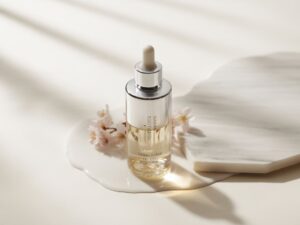
Enter Korean dark spot treatment. Renowned globally for its innovative formulations, cutting-edge ingredients, and holistic approach to skincare, K-beauty offers a treasure trove of solutions specifically designed to target and fade hyperpigmentation. Unlike some harsher treatments, Korean skincare often focuses on nurturing the skin barrier while gently tackling discoloration, making it suitable for a wider range of skin types, including sensitive ones.
In this comprehensive guide, we’ll dive deep into the world of Korean dark spot treatments. We’ll explore the common causes of dark spots, uncover the powerful ingredients that make K-beauty so effective, walk you through building an optimal routine, and provide practical tips to help you achieve that coveted clear, glowing complexion. Get ready to transform your skin with the secrets of Korean skincare!
Understanding Dark Spots: What Are They and Why Do They Appear?
Before we delve into treatments, it’s essential to understand what dark spots are and why they form. Dark spots are essentially areas of the skin where melanin (the pigment that gives skin its color) has been overproduced, leading to localized patches of discoloration. This overproduction can be triggered by various factors, making them a complex skin issue.
Types of Hyperpigmentation
- Post-Inflammatory Hyperpigmentation (PIH): These are dark spots that appear after an inflammatory skin condition, such as acne, eczema, or a scratch. As the skin heals, it can produce excess melanin in the affected area, leaving a lingering dark mark.
- Sun Spots (Lentigines): Also known as age spots or liver spots, these flat, oval-shaped dark spots are primarily caused by prolonged and unprotected exposure to ultraviolet (UV) radiation from the sun. They commonly appear on sun-exposed areas like the face, hands, and décolletage.
- Melasma: This type of hyperpigmentation appears as larger, irregular patches of brown or grayish-brown discoloration, often on the face (forehead, cheeks, upper lip). Melasma is primarily triggered by hormonal fluctuations (e.g., pregnancy, birth control pills) combined with sun exposure.
Common Causes of Dark Spots
- Sun Exposure: The number one culprit. UV radiation stimulates melanocytes (melanin-producing cells) to produce more pigment as a protective mechanism, leading to sun spots and worsening other forms of hyperpigmentation.
- Inflammation: As seen with PIH, any trauma or inflammation to the skin can trigger an overproduction of melanin during the healing process.
- Hormonal Changes: Fluctuations in hormones, particularly estrogen and progesterone, can trigger melasma.
- Aging: As we age, our skin’s ability to regulate melanin production can become less efficient, contributing to the appearance of age spots.
- Certain Medications: Some drugs can cause photosensitivity or trigger hyperpigmentation as a side effect.
Why Korean Dark Spot Treatments Stand Out
Korean skincare has carved a niche for itself by offering innovative, effective, and often gentle solutions. When it comes to Korean dark spot treatment, their approach is particularly noteworthy.
Philosophy: Gentle, Multi-Step, Preventative Approach
Instead of focusing on harsh, quick fixes that can irritate the skin, K-beauty champions a philosophy of nurturing the skin barrier while gradually improving skin concerns. This means:
- Layering: A multi-step routine allows for targeted treatments without overwhelming the skin.
- Prevention: A strong emphasis on daily sun protection is crucial to prevent new spots and worsen existing ones.
- Holistic Care: Treatments often address overall skin health, hydration, and barrier function alongside targeting dark spots.
Innovation & Ingredients: Focus on Gentle Yet Potent Actives
Korean beauty brands are at the forefront of research and development, constantly discovering and refining ingredients that are both effective and kind to the skin. They often combine traditional Eastern medicine with modern scientific advancements to create unique formulations.
Key Ingredients in Korean Dark Spot Treatments
The efficacy of Korean dark spot treatment lies in its star ingredients. Here are some of the most prominent and effective compounds you’ll find in K-beauty products targeting hyperpigmentation:
- Niacinamide (Vitamin B3): A powerhouse ingredient that helps reduce the transfer of melanin to the skin’s surface, effectively fading dark spots. It also boasts anti-inflammatory properties, improves skin barrier function, and can regulate oil production.
- Vitamin C (Ascorbic Acid & Derivatives): A potent antioxidant that brightens the skin, inhibits melanin production, and helps fade existing dark spots. Korean formulations often use stable derivatives like Ascorbyl Glucoside or Ethyl Ascorbic Acid, which are less irritating.
- Arbutin: A natural derivative of hydroquinone found in bearberry plants. It works by inhibiting tyrosinase, an enzyme crucial for melanin production, making it effective at reducing hyperpigmentation.
- Licorice Root Extract: Contains glabridin, an active compound that inhibits tyrosinase activity and has anti-inflammatory properties, helping to soothe the skin and reduce redness associated with PIH.
- Centella Asiatica (Cica): Known for its soothing and healing properties. While not a direct dark spot fader, Cica helps calm inflammation, which is crucial in preventing and treating PIH.
- Snail Mucin: Rich in glycoproteins, hyaluronic acid, and glycolic acid, snail mucin helps promote skin regeneration, hydrate, and gently exfoliate, aiding in the fading of dark spots and improving overall skin texture.
- Tranexamic Acid: Gaining popularity, this ingredient helps reduce the interaction between skin cells and melanocytes, effectively fading melasma and PIH. It’s often found in serums and essences.
- Alpha Hydroxy Acids (AHAs): Ingredients like Glycolic Acid and Lactic Acid gently exfoliate the skin’s surface, helping to shed pigmented cells and reveal brighter skin underneath. Korean products often use them in lower concentrations for daily gentle exfoliation.
- Glutathione: A powerful antioxidant that can inhibit melanin production and convert dark melanin to lighter melanin, contributing to an overall brighter complexion.
Building Your Korean Skincare Routine for Dark Spots
A consistent and well-structured routine is key to seeing results from any Korean dark spot treatment. Here’s a typical K-beauty routine tailored for hyperpigmentation:
- Double Cleansing:
- Oil Cleanser: Start with an oil-based cleanser to remove makeup, sunscreen, and impurities without stripping the skin. This prepares your skin for deeper cleansing.
- Water-Based Cleanser: Follow with a gentle foam or gel cleanser to remove any remaining residue and cleanse the pores.
- Toner: Apply a hydrating or slightly exfoliating toner to balance the skin’s pH, remove final traces of impurities, and prepare the skin to absorb subsequent products. Look for toners with mild AHAs or brightening ingredients.
- Essence: A lightweight, concentrated formula that boosts hydration and can contain active ingredients to target specific concerns like brightening.
- Serums/Ampoules (The Treatment Step): This is where your dedicated Korean dark spot treatment products come in. Apply serums or ampoules rich in niacinamide, Vitamin C, arbutin, tranexamic acid, or licorice root extract directly to areas of concern or all over the face. You can layer multiple serums if desired, starting with the thinnest consistency.
- Moisturizer: Lock in all the beneficial ingredients with a hydrating moisturizer. A healthy skin barrier is crucial for preventing further hyperpigmentation and aiding in the healing process.
- Sunscreen (Non-Negotiable!): The most critical step in any dark spot treatment routine. Apply a broad-spectrum sunscreen with SPF 30 or higher every single morning, even on cloudy days. Reapply every 2-3 hours if exposed to sun. Without consistent sun protection, all your efforts to fade dark spots will be undone, and new ones will form.
Pros and Cons of Korean Dark Spot Treatments
While K-beauty offers fantastic solutions, it’s good to be aware of both the advantages and potential drawbacks.
Pros:
- Gentle Formulations: Often less irritating than conventional treatments, making them suitable for sensitive skin types.
- Holistic Approach: Addresses overall skin health, leading to improved texture, hydration, and radiance in addition to fading spots.
- Innovative Ingredients: Utilizes unique and effective brightening and soothing ingredients from natural sources.
- Effective for Various Types of Hyperpigmentation: Can target PIH, sun spots, and even help manage melasma.
- Preventative Benefits: Focus on sun protection and barrier health helps prevent future dark spots.
Cons:
- Multi-Step Routine: Can be perceived as time-consuming or overwhelming for beginners.
- Requires Consistency: Results are not immediate and require diligent, long-term use.
- Patience is Key: Fading dark spots naturally takes time, sometimes several weeks to months.
- Initial Investment: Building a full K-beauty routine can sometimes be a larger upfront cost than a simpler routine.
- Ingredient Overlap: Can be confusing to navigate if you’re not familiar with ingredient synergy.
Practical Advice for Best Results
To maximize the effectiveness of your Korean dark spot treatment, consider these practical tips:
- Consistency is Key: Stick to your routine daily, both morning and night. Skipping steps or days will delay results.
- Patch Test New Products: Always apply a new product to a small, inconspicuous area of your skin (e.g., behind the ear or on the jawline) for a few days to check for any adverse reactions before applying it to your entire face.
- Patience, Patience, Patience: Skin cell turnover takes time. It can take 4-8 weeks to see initial improvements and several months for significant fading. Don’t get discouraged if results aren’t immediate.
- Sun Protection is Non-Negotiable: We cannot stress this enough. Without diligent, daily reapplication of broad-spectrum SPF, you are actively undoing any progress you make.
- Combine with a Healthy Lifestyle: A balanced diet, adequate sleep, and stress management can all contribute to healthier skin and faster healing.
- Know When to See a Dermatologist: If your dark spots are very stubborn, rapidly changing, or you suspect melasma, it’s always best to consult a dermatologist for professional advice and potentially stronger treatments.
Recommended Products
COSRX The Niacinamide 15 Serum
A highly concentrated serum with 15% Niacinamide to effectively reduce the appearance of dark spots, hyperpigmentation, and improve skin texture.
Beauty of Joseon Glow Serum (Propolis + Niacinamide)
Formulated with propolis and niacinamide, this serum soothes irritated skin, brightens complexion, and helps fade dark spots for a radiant glow.
AXIS-Y Dark Spot Correcting Glow Serum
A cult-favorite serum designed to visibly reduce dark spots and hyperpigmentation with 5% Niacinamide, Squalane, and Papaya Extract, promoting a brighter, even skin tone.
Goodal Green Tangerine Vita C Dark Spot Serum
Infused with 70% green tangerine extract and Vitamin C, this serum targets dark spots, freckles, and blemishes for a clearer and more transparent complexion.
Isntree Spot Saver Mugwort Cream
While primarily soothing, this cream with mugwort helps calm inflammation that can lead to PIH, making it a great addition for preventing new dark spots in acne-prone skin.
Frequently Asked Questions About Korean Dark Spot Treatment
Here are some common questions people have when exploring Korean dark spot treatment options:
Q1: How long does it take to see results from Korean dark spot treatments?
A1: Patience is key. While some might notice subtle improvements in skin brightness within a few weeks, significant fading of dark spots typically takes 4-8 weeks of consistent use, and sometimes several months, depending on the severity and type of hyperpigmentation. Skin cell turnover is a natural process that cannot be rushed.
Q2: Can Korean dark spot treatments work on all skin types?
A2: Yes, generally. Korean skincare emphasizes gentle formulations, making many dark spot treatments suitable for a wide range of skin types, including sensitive, oily, dry, and combination skin. However, it’s crucial to always patch test new products and choose ingredients that are known to work well with your specific skin concerns and sensitivities.
Q3: Is it okay to use multiple dark spot treatments at once?
A3: It depends on the ingredients. While layering serums is common in K-beauty, it’s best to introduce new active ingredients one at a time. Combining multiple potent actives like strong Vitamin C and exfoliating acids (AHAs) simultaneously without proper understanding can lead to irritation. Opt for products designed to work synergistically or alternate them between morning and evening routines.
Q4: What’s the most important step in a Korean dark spot treatment routine?
A4: Sunscreen, without a doubt. All efforts to fade existing dark spots will be futile if you don’t consistently protect your skin from UV radiation. Sun exposure is the primary cause and aggravator of hyperpigmentation. A broad-spectrum SPF 30+ applied daily and reapplied as needed is non-negotiable.
Q5: Are Korean dark spot treatments safe for sensitive skin?
A5: Many Korean dark spot treatments are formulated with sensitive skin in mind, using soothing ingredients alongside brightening ones. Look for products that are fragrance-free, alcohol-free, and contain calming ingredients like Centella Asiatica, Mugwort, or Snail Mucin, in addition to gentle brighteners like Niacinamide or Arbutin. Always patch test.
Q6: Can men use Korean dark spot treatments?
A6: Absolutely! Skincare is for everyone. Men experience dark spots and hyperpigmentation just as women do. The principles, ingredients, and routines discussed in this guide are equally effective for men’s skin. Look for products that address your specific concerns and enjoy the benefits of clearer, healthier skin.
Conclusion
Embarking on a journey with Korean dark spot treatment can be a truly transformative experience for your skin. By understanding the causes of hyperpigmentation and embracing the gentle yet potent power of K-beauty ingredients like Niacinamide, Vitamin C, and Licorice Root Extract, you’re well-equipped to tackle those stubborn spots.
Remember, the Korean skincare philosophy emphasizes consistency, patience, and a holistic approach to skin health. Building a routine that includes double cleansing, targeted serums, ample hydration, and, most importantly, diligent daily sun protection, will pave the way for a brighter, more even-toned complexion. Don’s expect overnight miracles, but with dedication, you can significantly diminish the appearance of dark spots and unveil the radiant, luminous skin you desire.
Invest in your skin’s health, trust the process, and let the innovative world of Korean skincare guide you towards a clearer, more confident you. Your journey to glowing skin starts now!