
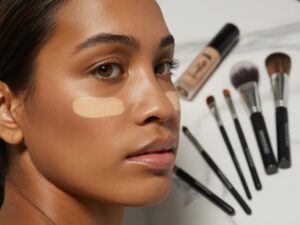
Understanding Dark Spots and Hyperpigmentation
Before we pick up our brushes, it’s helpful to understand what we’re dealing with. Dark spots are areas of the skin where melanin production is increased, leading to a darker patch. This can manifest in several forms:
- Sun Spots (Age Spots/Liver Spots): Caused by prolonged sun exposure, these flat, oval areas typically appear on sun-exposed skin like the face, hands, and décolletage.
- Post-Inflammatory Hyperpigmentation (PIH): These dark marks are left behind after skin inflammation or injury, such as acne breakouts, cuts, or burns. They are particularly common for those with acne-prone skin.
- Melasma: Often referred to as the “mask of pregnancy,” melasma is characterized by larger patches of hyperpigmentation, typically on the face. It’s often triggered by hormonal changes (pregnancy, birth control) combined with sun exposure.
Regardless of the cause, the goal of makeup for dark spots is to neutralize their color and blend them seamlessly with the surrounding skin.
Why Choose Makeup for Coverage?
While dermatological treatments and dedicated skincare routines are essential for long-term improvement, makeup offers an immediate, non-invasive solution. It provides:
- Instant Confidence Boost: Quickly evens out skin tone, allowing you to face the day feeling more secure and beautiful.
- Flexibility: You can adjust the level of coverage based on your needs and the occasion.
- Control: You have direct control over what products you use and how you apply them to achieve your desired look.
The Essential Makeup Arsenal for Dark Spots
Achieving flawless coverage isn’t about piling on layers of foundation. It’s about strategic product selection and application. Here are the key players in your makeup for dark spots kit:
Color Correctors: The Secret Weapon
Color correctors are often overlooked but are perhaps the most crucial step when dealing with significant dark spots. They work by neutralizing unwanted tones using the principles of the color wheel. For dark spots:
- Peach/Orange Corrector: Ideal for light to medium skin tones to neutralize blue, purple, or brown dark spots. The orange counteracts the darkness, bringing it closer to your natural skin tone.
- Red/Deep Orange Corrector: Best for medium to deep skin tones to effectively cover very dark brown or bluish-black spots.
Remember, a little goes a long way. You want to neutralize, not create a new patch of color.
Concealers: Targeted Coverage
After color correction, a good concealer is your next best friend. When choosing a concealer for dark spots, look for:
- High Coverage: Opt for formulas labeled “full coverage” or “heavy duty.”
- Long-Wearing: To ensure your efforts last throughout the day without creasing or fading.
- Matching Shade: The concealer should match your skin tone perfectly, not lighter. A lighter shade will highlight the spot instead of concealing it.
Creamy formulas are often preferred as they offer buildable coverage without looking too heavy.
Foundations: Unifying Your Skin Tone
While color correctors and concealers target specific spots, foundation unifies your entire complexion. For foundation for hyperpigmentation, consider:
- Medium to Full Coverage: This will help blend the corrected and concealed areas seamlessly with the rest of your face.
- Long-Lasting Formulas: To ensure your coverage stays put.
- Natural Finish: Whether you prefer matte, satin, or dewy, ensure it looks natural and doesn’t emphasize texture.
Applying foundation after spot-correcting ensures a natural finish, preventing you from over-applying on areas that don’t need heavy coverage.
Setting Powder: Locking It All In
A translucent setting powder is essential to lock in your color corrector, concealer, and foundation, preventing them from creasing, smudging, or fading. It also helps to absorb excess oil, keeping your makeup for dark spots looking fresh all day.
Step-by-Step Guide: How to Apply Makeup for Dark Spots
Here’s a practical guide on how to cover dark spots with makeup, ensuring a natural, long-lasting finish:
Step 1: Prep Your Skin
A well-prepped canvas is key for smooth makeup application.
- Cleanse: Start with a clean face.
- Moisturize: Apply a hydrating moisturizer suitable for your skin type. This creates a smooth base and prevents makeup from clinging to dry patches.
- Prime: Use a makeup primer. A blurring or color-correcting primer can further help to even out skin tone and extend makeup wear.
Step 2: Color Correction Magic
This is where you neutralize the dark spots before adding skin-toned products.
- Dot Sparingly: Using a small, precise brush or your fingertip, lightly dot the appropriate color corrector directly onto the dark spot.
- Blend Gently: Gently pat (don’t rub!) the edges of the corrector into the spot. You want to keep the product concentrated on the dark area, just enough to cancel out the darkness without creating a visible patch of orange or red.
- Let It Set: Allow the corrector to set for a minute or two before moving on.
Step 3: Conceal and Blend
Now, it’s time to match the corrected spot to your skin tone.
- Apply Concealer: Using a clean, small brush or your ring finger, lightly apply a thin layer of concealer that perfectly matches your skin tone over the color-corrected area.
- Pat and Blend: Gently pat the concealer, focusing on the center of the dark spot and blending the edges outwards. Avoid rubbing, as this will lift the color corrector underneath. The goal is to make the spot disappear, not just cover it with a thick layer.
Step 4: Foundation Application
Unify your complexion while preserving your spot coverage.
- Light Hand: Apply your chosen foundation to your entire face using a brush, sponge, or your fingers. Start with a light layer.
- Avoid Disturbing: When applying foundation over the concealed dark spots, gently pat the foundation over those areas rather than sweeping or rubbing. This prevents disturbing the layers of correction and concealer.
- Build if Needed: If you need more coverage, apply another thin layer of foundation, focusing on areas that still show through.
Step 5: Set for Longevity
Lock everything in place.
- Light Dusting: Using a fluffy brush, lightly dust translucent setting powder over your entire face, paying extra attention to the areas you’ve corrected and concealed.
- Baking (Optional): For extra longevity on very stubborn spots, you can “bake” the area by pressing a generous amount of powder onto the concealed spot with a damp sponge and letting it sit for 5-10 minutes, then dusting off the excess.
Pro Tips for Flawless Coverage
Beyond the steps, these tips will elevate your makeup techniques for dark spots:
- Choosing the Right Shades: Always test shades in natural light. For foundation and concealer, test on your jawline. For color correctors, test near the dark spot to see how it neutralizes.
- Application Techniques Matter: Patting and dabbing motions are your best friends. Swiping or rubbing can move products around, diminishing coverage and creating streaks.
- Avoiding the “Cakey” Look: The key is thin layers. Apply a small amount of product, blend, and build if necessary. Over-application is the quickest way to achieve a heavy, unnatural finish.
- Don’t Forget Sun Protection! While makeup helps cover, daily SPF is crucial to prevent existing dark spots from worsening and new ones from forming. Apply it before your primer.
- Blend, Blend, Blend: Ensure there are no harsh lines between your corrected spots and your natural skin. Use a damp beauty sponge or clean brush to seamlessly blend.
- Less is More: Especially with color correctors and high-coverage products. Start with a tiny amount and add more only if needed.
Pros and Cons of Using Makeup for Dark Spots
While makeup for dark spots is a fantastic tool, it’s good to understand its advantages and limitations.
The Benefits
- Immediate Results: Instantly covers imperfections, providing an immediate boost in appearance.
- Confidence Enhancer: Helps you feel more comfortable and confident in your skin.
- Non-Invasive: A temporary solution without any downtime or potential side effects associated with treatments.
- Flexibility: Allows you to adjust coverage based on your daily needs or special occasions.
Considerations
- Temporary Solution: Makeup only covers; it doesn’t treat the underlying cause of dark spots.
- Can Look Heavy: If not applied correctly, especially with full-coverage products, it can appear “cakey” or unnatural.
- Product Transfer: Without proper setting, makeup can transfer onto clothes or fade throughout the day.
- Requires Skill: Mastering color correction and seamless blending takes practice.
Recommended Products
L.A. Girl Pro Conceal HD Concealer (Orange Corrector)
A cult-favorite and affordable color corrector, perfect for neutralizing dark spots on various skin tones. Its creamy, blendable formula offers excellent coverage without feeling heavy.
NARS Radiant Creamy Concealer
Known for its luminous finish and buildable medium-to-full coverage, this concealer effectively covers dark spots without creasing. It’s a go-to for many makeup artists.
Estée Lauder Double Wear Stay-in-Place Makeup
A classic full-coverage, long-wearing foundation that provides a flawless matte finish. It’s excellent for unifying skin tone and keeping dark spots covered all day.
Laura Mercier Translucent Loose Setting Powder
An award-winning setting powder that locks makeup in place for hours. Its finely milled formula ensures a smooth, non-cakey finish, perfect for setting corrected areas.
FAQ Section: Your Questions Answered
Q1: Can makeup make dark spots worse?
No, makeup itself does not typically make dark spots worse, provided you use non-comedogenic products and remove your makeup thoroughly every night. However, if you have an active skin infection or irritation, applying makeup might exacerbate it. The most significant factor in worsening dark spots is sun exposure, so always use SPF underneath your makeup, regardless of how much coverage you apply.
Q2: What’s the difference between concealer and color corrector for dark spots?
A color corrector is designed to neutralize an unwanted tone (like the brown/blue/red of a dark spot) using an opposite color on the color wheel, bringing it closer to your natural skin tone. A concealer, on the other hand, is designed to match your skin tone and cover imperfections by providing opaque coverage. You typically use a color corrector first, then a concealer over it to blend everything seamlessly with your skin.
Q3: How do I choose the right shade of color corrector for my skin tone?
For most dark spots (brown, grey, blue-ish), you’ll need a peach or orange-based corrector. If you have fair to light skin, a light peach corrector is usually sufficient. For medium to tan skin, a true peach or orange works best. For deep skin tones, a deep orange or red corrector is often needed to effectively neutralize very dark pigmentation. Always test a small amount on the dark spot itself to see if it truly neutralizes the color without making it look ashy or too bright.
Q4: Is it okay to wear makeup over dark spots every day?
Yes, it is generally fine to wear makeup over dark spots daily, as long as you maintain a good skincare routine. This includes cleansing your face thoroughly every night to remove all makeup, moisturizing, and using products that suit your skin type. Ensure your makeup products are non-comedogenic to prevent clogging pores, especially if you’re prone to acne, which can lead to more dark spots.
Q5: What are common mistakes to avoid when covering dark spots?
Common mistakes include using too much product, especially color corrector, which can make the area look unnatural; using a concealer that is too light, which can highlight the spot; rubbing instead of patting during application, which moves the product around; and skipping skin prep like moisturizing and priming, which can lead to patchy or cakey results. Also, not setting your makeup can lead to quick fading and transfer.
Conclusion: Embrace Your Radiance
Conquering dark spots with makeup is an art form that, with a little practice and the right products, can truly transform your complexion and boost your confidence. Remember, the goal isn’t to erase your skin’s natural texture or features, but to create a harmonious, even-toned canvas that makes you feel beautiful and empowered. By understanding the power of color correction, choosing appropriate concealers and foundations, and mastering application techniques, you can achieve a flawless finish every time.
While makeup provides an immediate solution, don’t forget the importance of a consistent skincare routine and diligent sun protection to address the root causes of hyperpigmentation. Combine these strategies, and you’ll not only cover your dark spots effectively but also work towards clearer, healthier skin in the long run. So go ahead, experiment with these tips, find what works best for you, and step out with confidence, knowing your radiant skin is shining through!